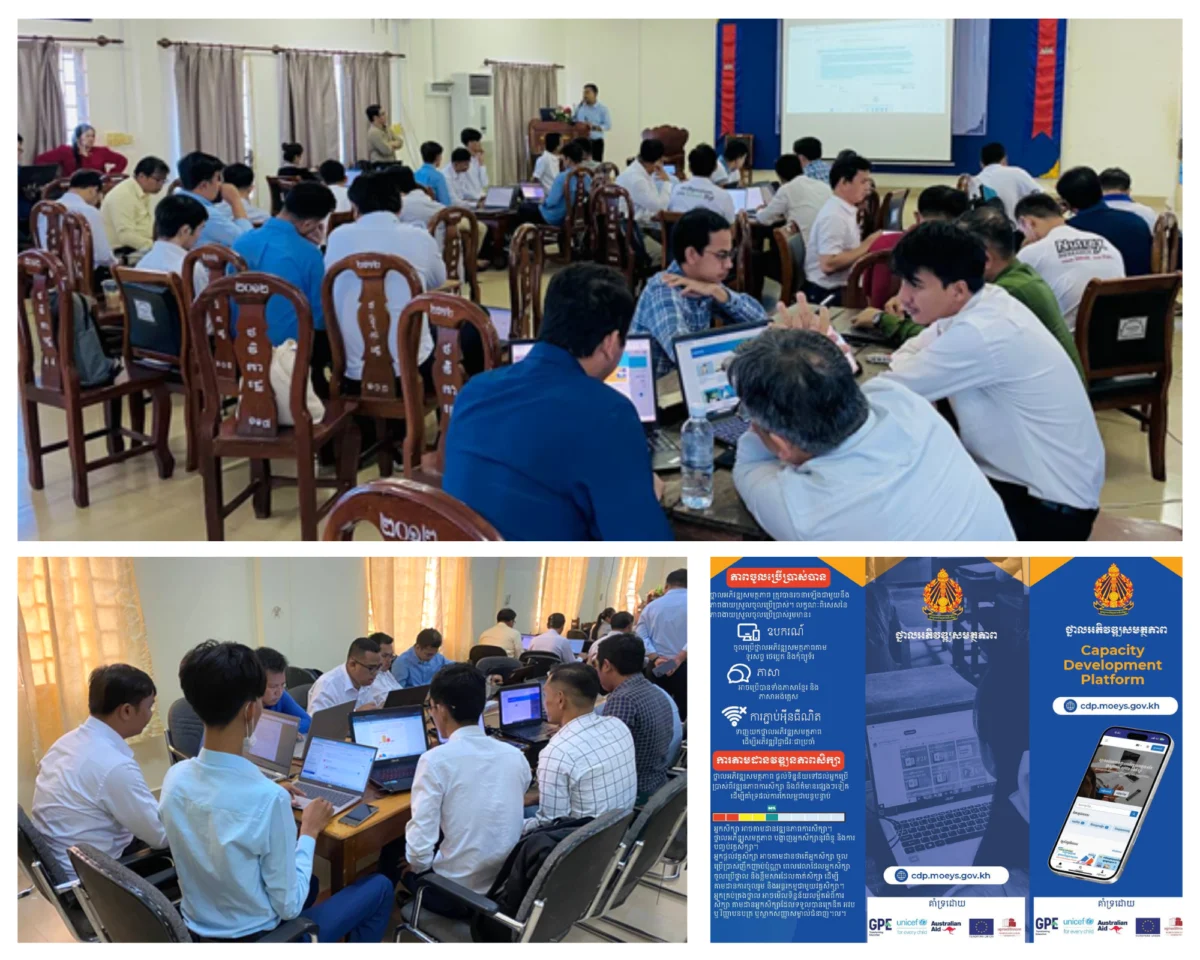
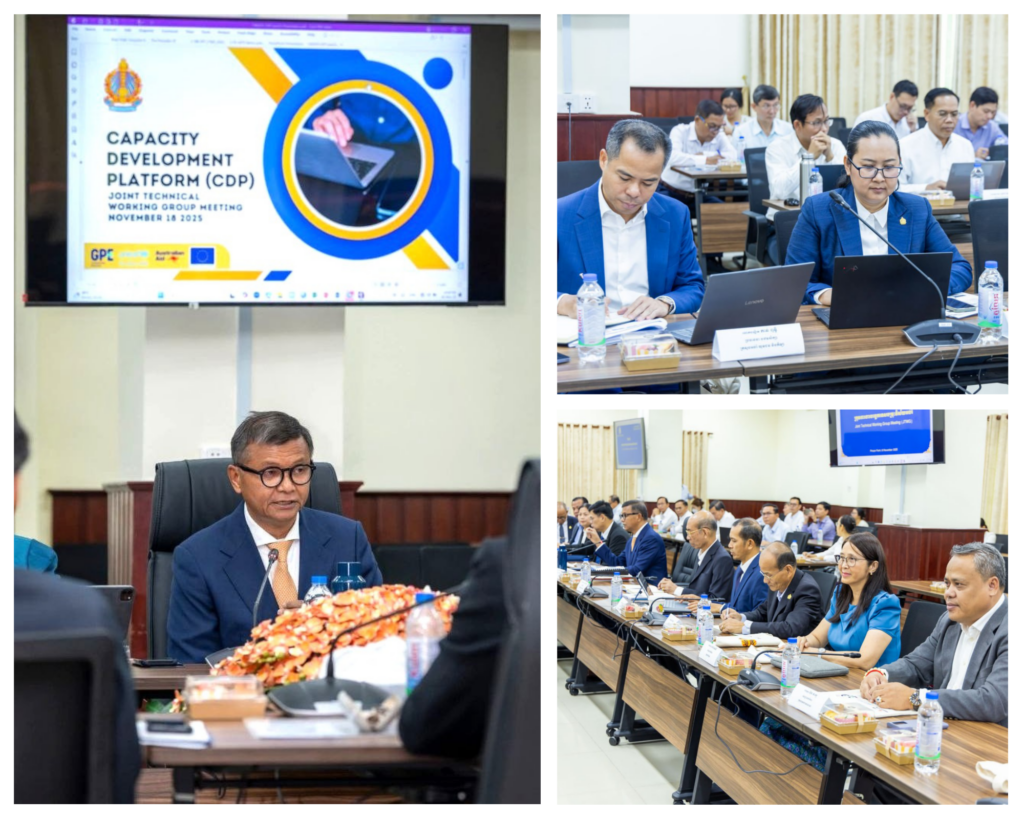
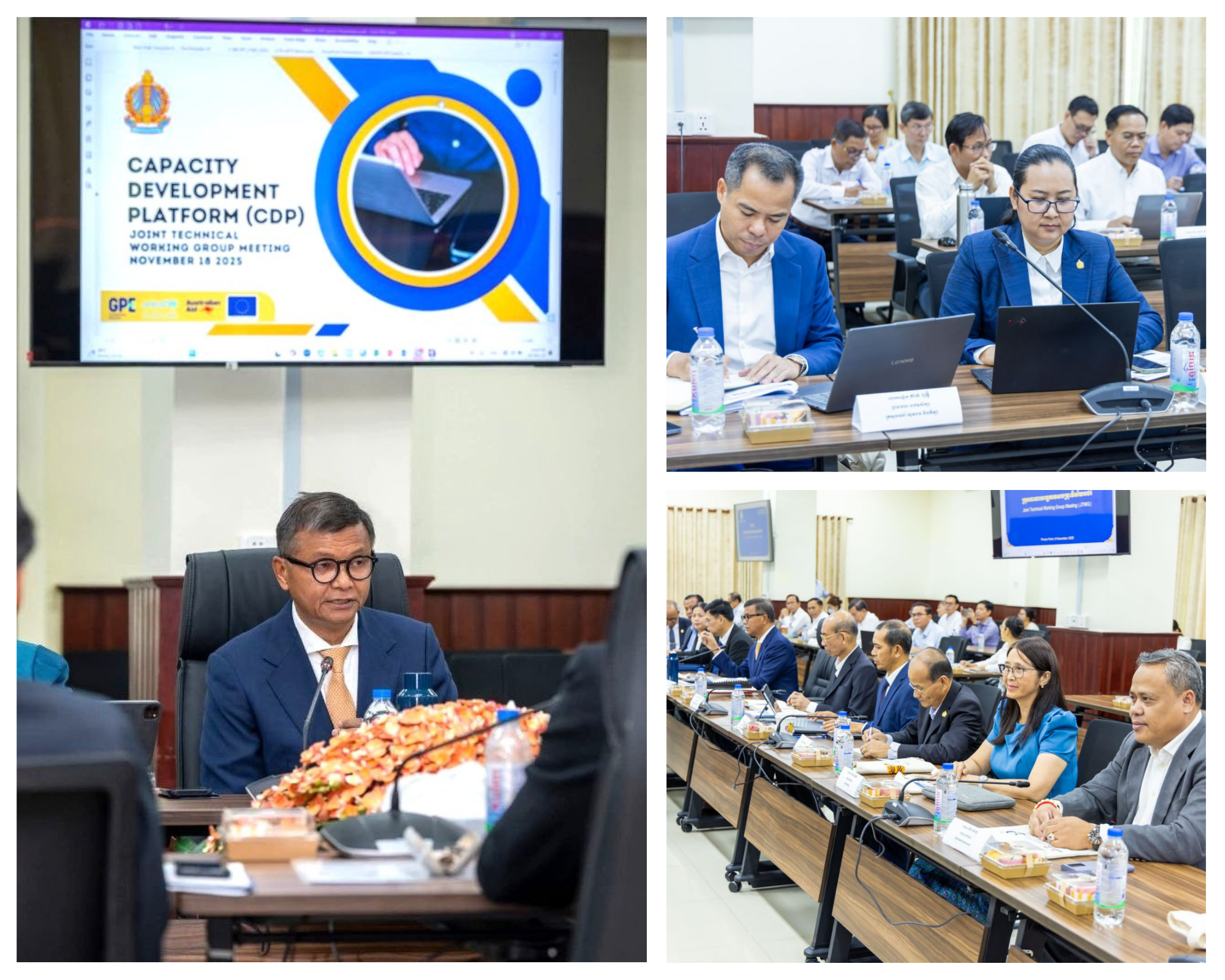
In a landmark move for the Kingdom of Cambodia’s educational landscape, the Ministry of Education, Youth, and Sport (MoEYS), in close coordination with UNICEF and World Education, officially inaugurated the Capacity Development Platform (CDP) in November 2025. This sophisticated digital ecosystem represents the culmination of a multi-year effort to centralize and modernize professional development for the nation’s teaching workforce. Designed as a comprehensive solution for educators across all 25 provinces, the CDP serves as a digital gateway for teachers to access high-quality training, earn accredited professional development credits, and pursue formal qualification upgrades. The initiative, funded through a strategic consortium including the Global Partnership for Education (GPE), the European Union (EU), and the Australian Department of Foreign Affairs and Trade (DFAT), marks a critical turning point in Cambodia’s transition toward a resilient, technology-driven education sector.
A Strategic Response to Global Educational Shifts
The launch of the CDP is not merely a technological update but a strategic response to the evolving demands of the 21st-century classroom. Following the disruptions caused by the global pandemic in the early 2020s, the Cambodian government identified a pressing need for a decentralized yet standardized method of delivering teacher training. While traditional in-person workshops were often restricted by geography and cost, the CDP offers a scalable alternative that ensures equity in professional growth.
By providing a unified platform, MoEYS aims to bridge the urban-rural divide that has historically characterized the Cambodian education system. Teachers in remote areas, who previously faced significant logistical hurdles to attend training sessions in Phnom Penh or provincial capitals, can now engage with the same high-tier pedagogical resources as their urban counterparts. This democratization of knowledge is essential for the government’s broader goal of improving student learning outcomes nationwide, as the quality of an education system rarely exceeds the quality of its teachers.
Human-Centered Design and Technical Architecture
The development of the CDP was led by World Education, an initiative of JSI, which employed a human-centered design (HCD) methodology. This approach acknowledges that the success of any digital transformation depends less on the hardware itself and more on the usability and relevance of the software to its end users. Throughout the co-design phase, World Education collaborated with MoEYS officials and frontline educators to identify the specific barriers to digital adoption in Cambodia.
Key technical considerations included:
- Low-Bandwidth Optimization: Recognizing that internet stability remains a challenge in many rural districts, the platform was engineered to function efficiently on low-speed connections, ensuring that video modules and interactive assessments remain accessible without excessive buffering.
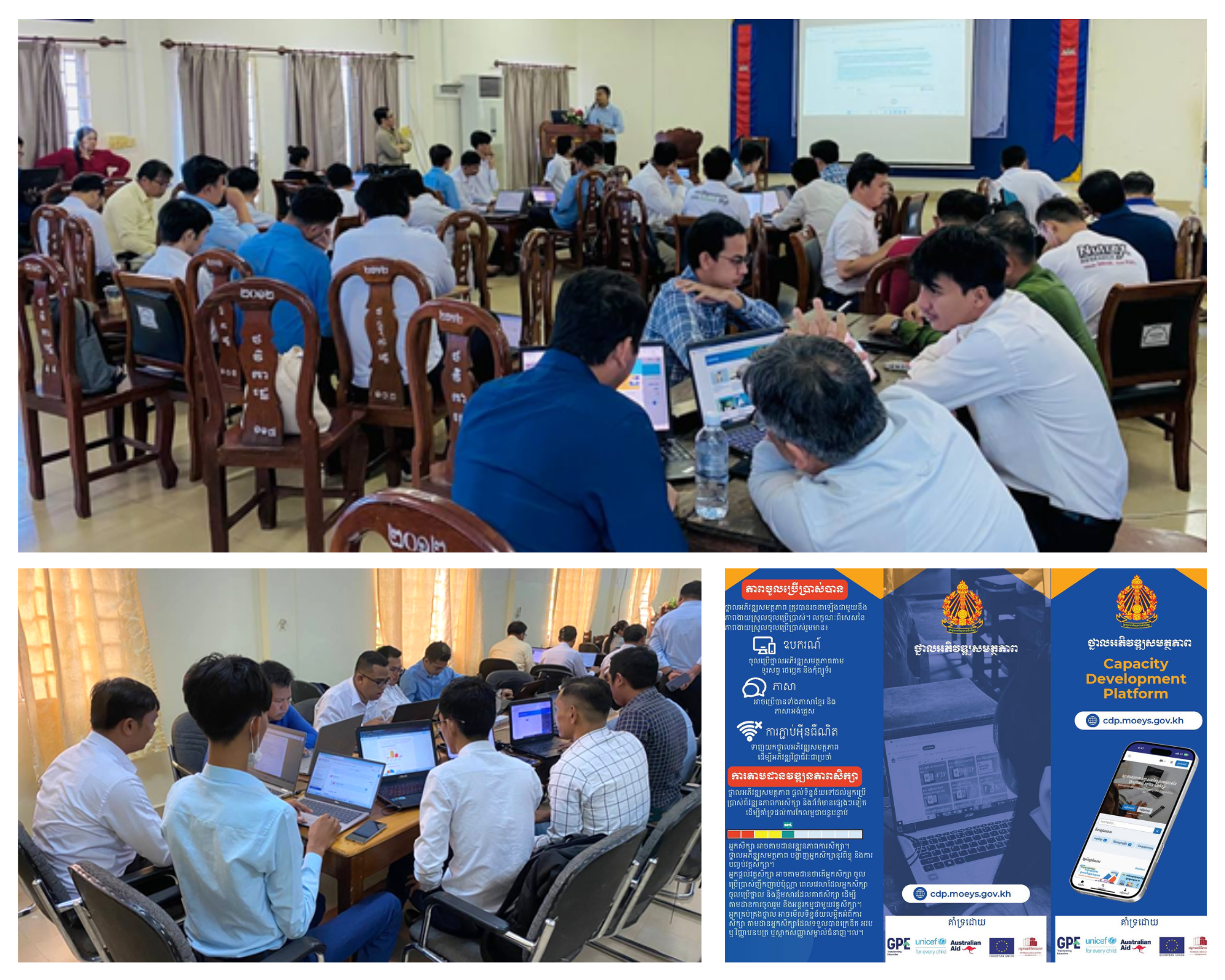
- Smartphone-First Accessibility: Data indicated that the majority of Cambodian educators access the internet primarily through mobile devices. Consequently, the CDP was built with a mobile-responsive interface, allowing teachers to complete modules on their phones during breaks or after school hours.
- Intuitive User Experience: Given the varying levels of digital literacy among the veteran teaching workforce, the platform features a simplified navigation system and clear instructions in the Khmer language to minimize friction during the onboarding process.
Integration with National Career Progression Frameworks
One of the most significant features of the CDP is its integration into the existing institutional frameworks of the Cambodian government. Unlike previous pilot projects that operated in isolation, the CDP is directly linked to the national Teacher Career Pathway (TCP). This means that the credits earned through the platform are not merely symbolic; they are recognized by the MoEYS as valid criteria for promotions, salary increments, and professional certification.
By formalizing digital learning in this manner, the Ministry has created a powerful incentive for continuous improvement. To ensure the platform’s long-term viability, a dedicated government governance group has been established. This body is responsible for overseeing content quality, data security, and system updates. Furthermore, World Education has completed a comprehensive transition of ownership to the Ministry’s Department of Digital Transformation. This transition included specialized training for government IT staff in cybersecurity, server management, and technical troubleshooting, ensuring that the Cambodian government has the internal capacity to maintain and scale the platform independently of external consultants.
Quantifiable Impact and Early Success Metrics
The immediate reception of the Capacity Development Platform has exceeded initial projections, reflecting a high demand for digital professional development among Cambodian educators. According to the latest data released during the launch event:
- Registered Users: Over 44,000 educators have registered on the platform within the first few months of its soft launch and official rollout.
- Course Enrollment: More than 23,000 teachers are currently enrolled in accredited courses, ranging from foundational pedagogy to specialized technical subjects.
- Course Portfolio: The platform currently hosts a diverse array of modules, including "Early Grade Reading" (a priority for the Ministry to improve literacy) and "ICT for Teaching and Learning."
The impact of these courses is already being felt in the classroom. Mrs. Proeut Sanh, a primary school teacher from the Kralanh District in Siem Reap Province, noted that the ICT modules have fundamentally changed her approach to instruction. "The course strengthened my knowledge and practical skills in using digital tools and AI for lesson planning," she stated. "It has made my students more active and participatory in the classroom, as I can now integrate interactive elements that were previously unavailable to us."
The Role of International Cooperation
The realization of the CDP was made possible through a robust multi-stakeholder partnership. The Global Partnership for Education provided the foundational funding, recognizing Cambodia’s commitment to systemic reform. The European Union and the Australian Government, through DFAT, contributed not only financial resources but also technical expertise in aligning the platform with international digital education standards.
These international partners view the CDP as a model for other developing nations. By investing in teacher capacity rather than just infrastructure, the project addresses the "human element" of the digital divide. The involvement of UNICEF was also pivotal, ensuring that the platform’s content remains inclusive and focused on the needs of the most marginalized learners, including those with disabilities and those from ethnic minority groups who require specialized linguistic support.
Timeline of Development and Future Roadmap
The journey toward the CDP began several years ago, with a clear chronology of milestones that led to the November 2025 launch:
- May 2025: A series of intensive capacity-building workshops were held for MoEYS staff and lead educators to define the pedagogical standards for digital content.
- August 2025: Beta testing of the platform was conducted in select provinces to gather user feedback and refine the interface.
- October 2025: Final technical audits and security hardening were completed by the Department of Digital Transformation with support from World Education.
- November 2025: The official national launch was presided over by H.E. Dr. Hang Chuon Naron.
Looking ahead, the roadmap for the CDP involves the expansion of content to meet new mandatory standards for in-service teacher qualification upgrading. World Education is currently assisting the Ministry in developing "blended learning" modules. These modules will combine the flexibility of online study via the CDP with periodic in-person mentoring sessions, creating a hybrid model that maximizes both convenience and hands-on practice.
Broader Implications for Cambodia’s Digital Economy
The launch of the CDP carries implications that extend far beyond the education sector. It is a cornerstone of Cambodia’s "Digital Economy and Society Policy Framework 2021–2035." By equipping tens of thousands of teachers with digital skills, the Ministry is effectively creating a "multiplier effect." As teachers become more digitally literate, they naturally pass these skills onto their students, who are the future workforce of Cambodia’s burgeoning digital economy.
H.E. Dr. Hang Chuon Naron, Deputy Prime Minister and Minister of MoEYS, emphasized this vision during his keynote address: "The CDP marks a transformative step in Cambodia’s journey toward quality teacher education. By digitizing teacher training and professional development, we are empowering our educators with the tools, knowledge, and support they need to inspire learning and improve outcomes."
In conclusion, the Capacity Development Platform stands as a testament to what can be achieved through coordinated international support, government leadership, and a commitment to human-centered technology. As Cambodia continues to rebuild and modernize its institutions, the CDP will serve as the backbone of a more equitable, efficient, and effective education system for generations to come. The transition from traditional models to a digitized, credit-based professional development system ensures that Cambodian teachers are not just keeping pace with the world, but are leading the way in regional educational innovation.