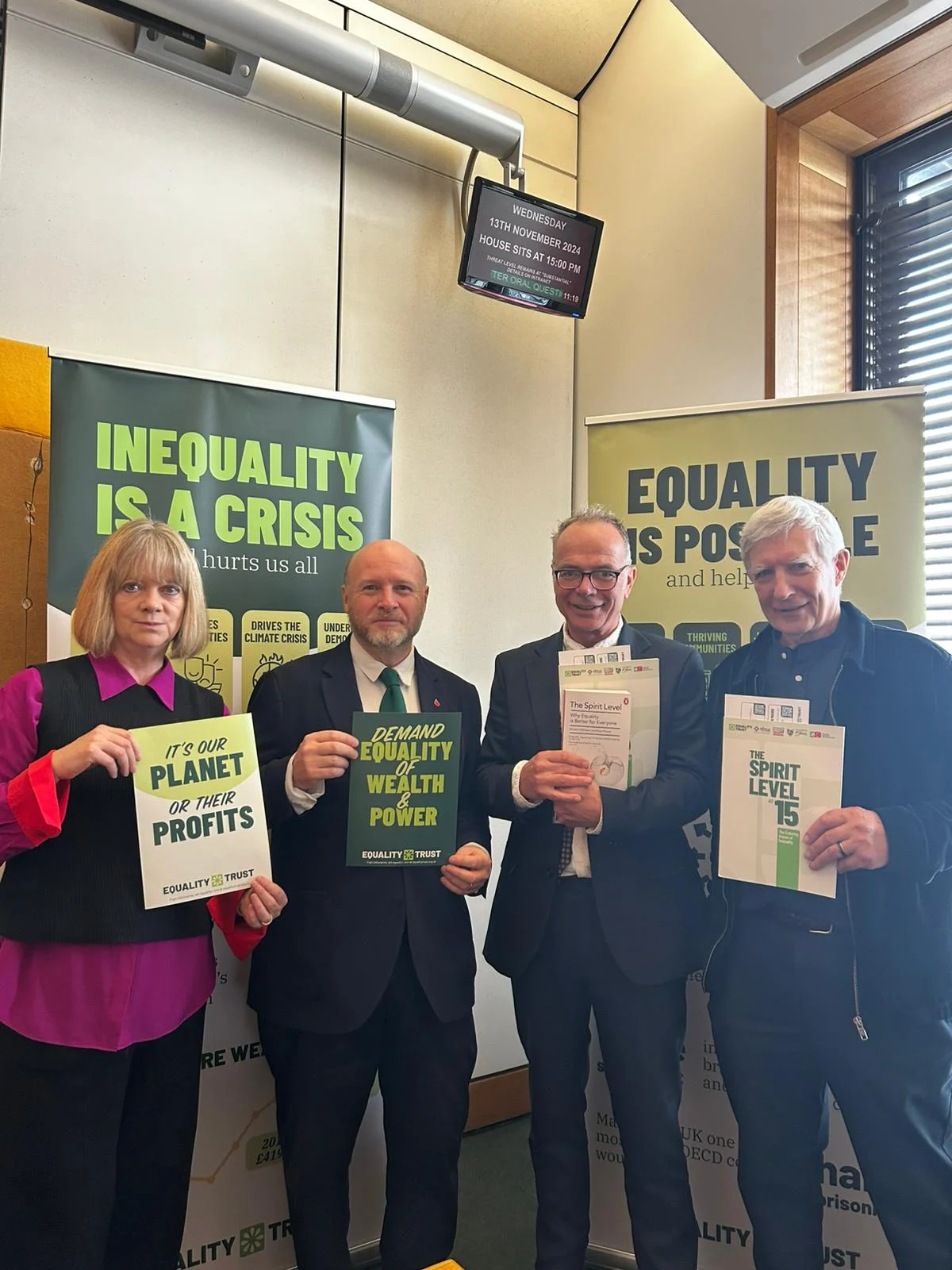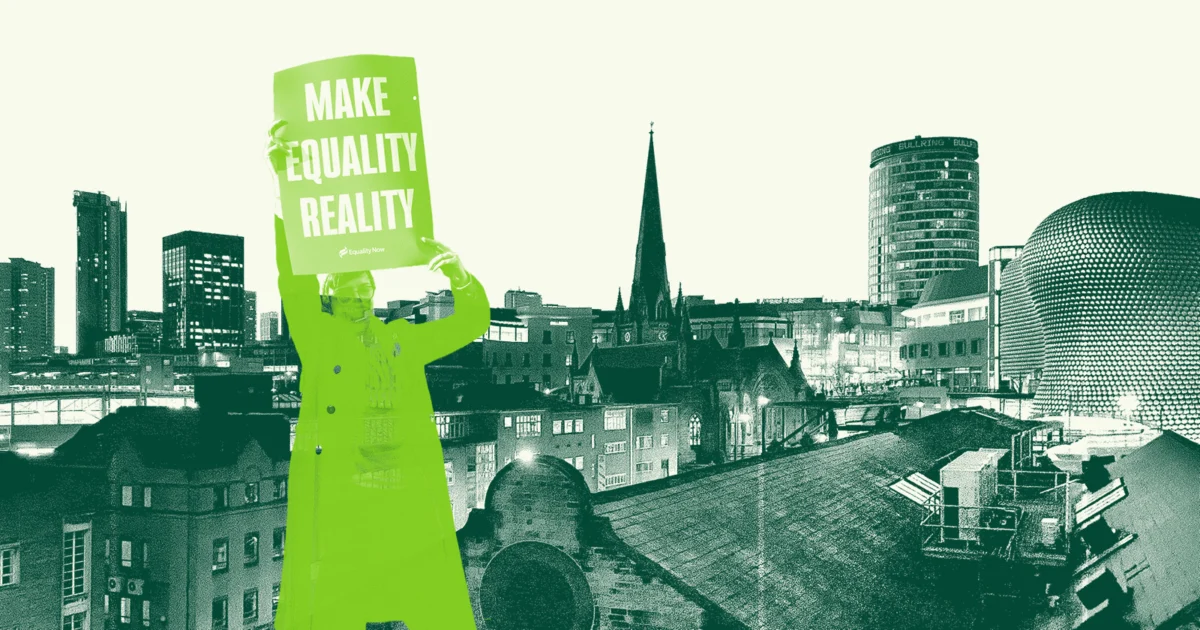
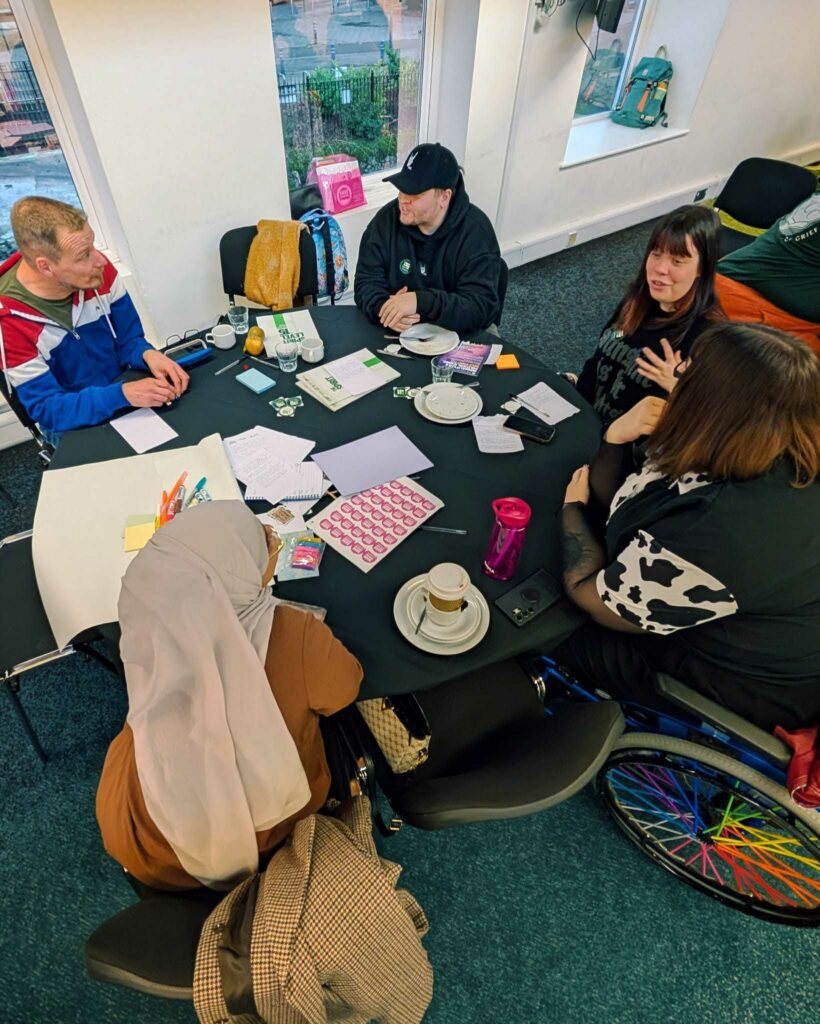
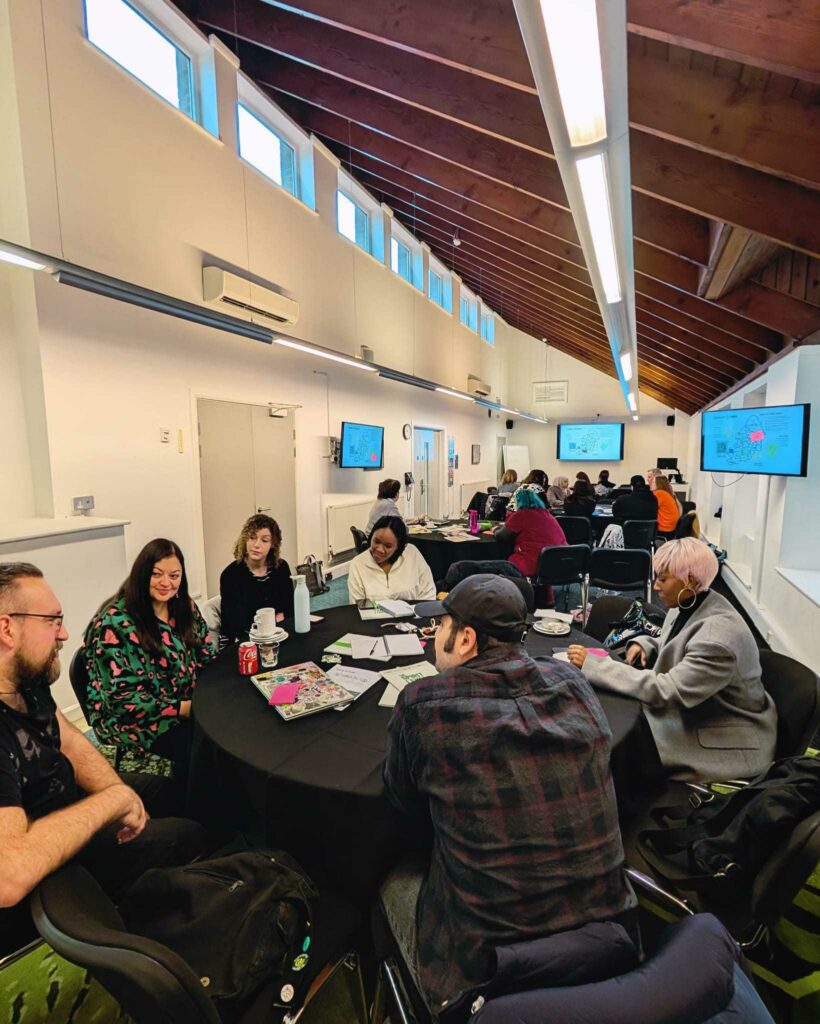
The Midlands Arts Centre (MAC) in Birmingham became a focal point for civic discourse on January 29, 2026, as community leaders, academics, and residents gathered for a landmark workshop and film screening titled Re-imagine a Better Brum. Orchestrated by The Equality Trust, the event sought to confront the deepening divide in cultural accessibility within the United Kingdom’s second city. Led by Charlie McNeill, the Senior Project Officer for Socio-Economic Duty (SED), the initiative highlighted the intersection between economic policy and the lived experience of residents who find themselves increasingly priced out of the city’s vibrant arts, leisure, and recreational sectors.

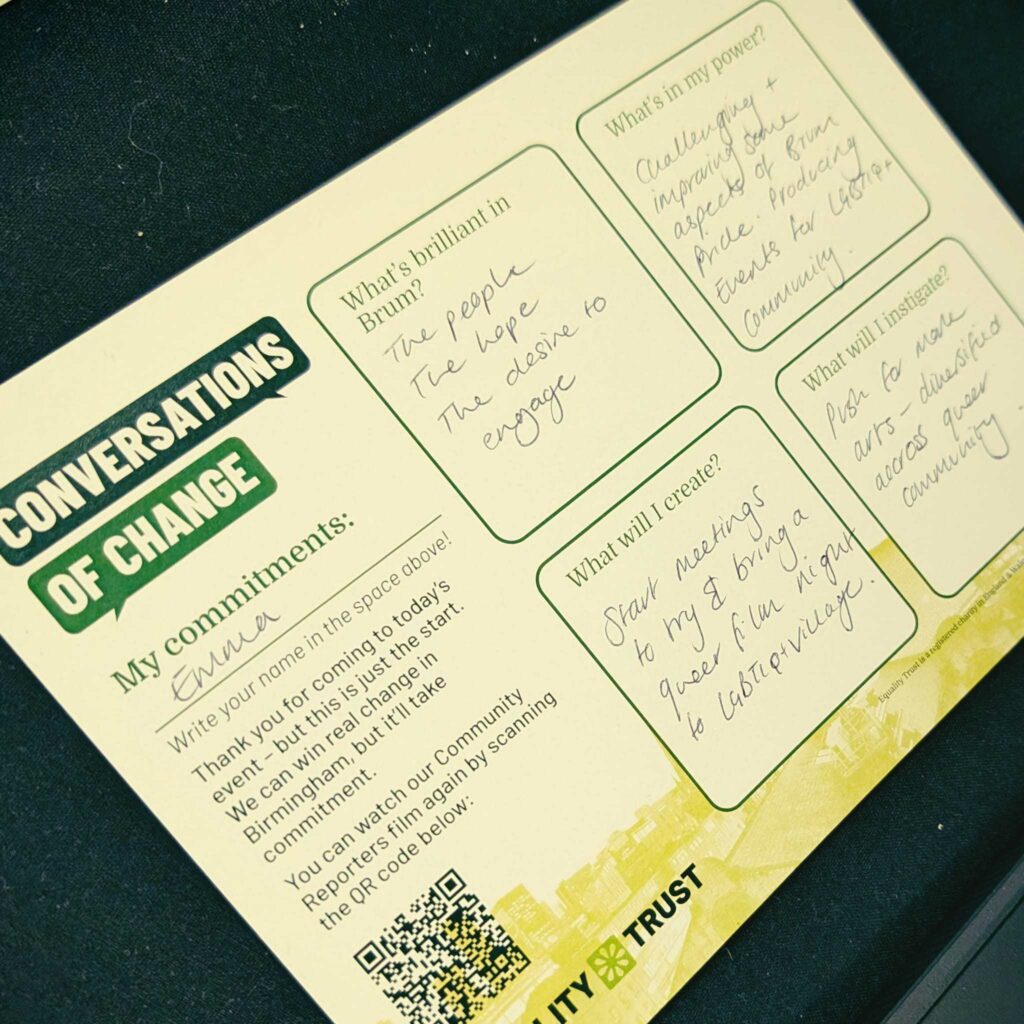
The gathering served as the culmination of months of grassroots investigative work by local Community Reporters. The premiere of the film, Conversations of Change: Access to Arts, Culture, Entertainment and Recreation in Birmingham, provided a poignant visual and narrative foundation for the day’s discussions. By documenting the barriers faced by ordinary citizens, the project aimed to move beyond theoretical discussions of inequality and toward actionable strategies for systemic reform.
The Socio-Economic Landscape of Birmingham (2022–2026)
To understand the urgency of the January 29 workshop, one must look at the fiscal trajectory of Birmingham over the preceding four years. In late 2023, Birmingham City Council issued a Section 114 notice, effectively declaring the local authority bankrupt. This led to a series of unprecedented budget cuts totaling approximately £300 million over a two-year period, with the cultural sector bearing a disproportionate brunt of the austerity measures. By 2025, many of the city’s youth centers, community hubs, and local libraries—traditionally the entry points for arts and culture—had either closed or transitioned to skeleton-staffed volunteer models.
Data from the Office for National Statistics (ONS) and independent think tanks throughout 2024 and 2025 indicated that the West Midlands experienced some of the highest rates of "cultural poverty" in the country. The cost-of-living crisis, characterized by high inflation and stagnant wages, meant that for a significant portion of the Birmingham population, discretionary spending on theater tickets, music lessons, or even museum transport became a secondary concern to basic survival. According to the 2025 Birmingham Poverty Truth Commission report, nearly 40% of the city’s children were living in households defined as socio-economically deprived, a statistic that directly correlates with lower participation rates in extracurricular cultural activities.
Chronology of the Conversations of Change Project
The initiative began in mid-2025 when The Equality Trust, supported by the Barrow Cadbury Trust’s Economic Justice place-based program, recruited three dedicated Community Reporters: Alev, Arash, and Jennifer. The objective was to empower residents to act as researchers within their own neighborhoods, capturing the nuances of inequality that traditional data often overlooks.
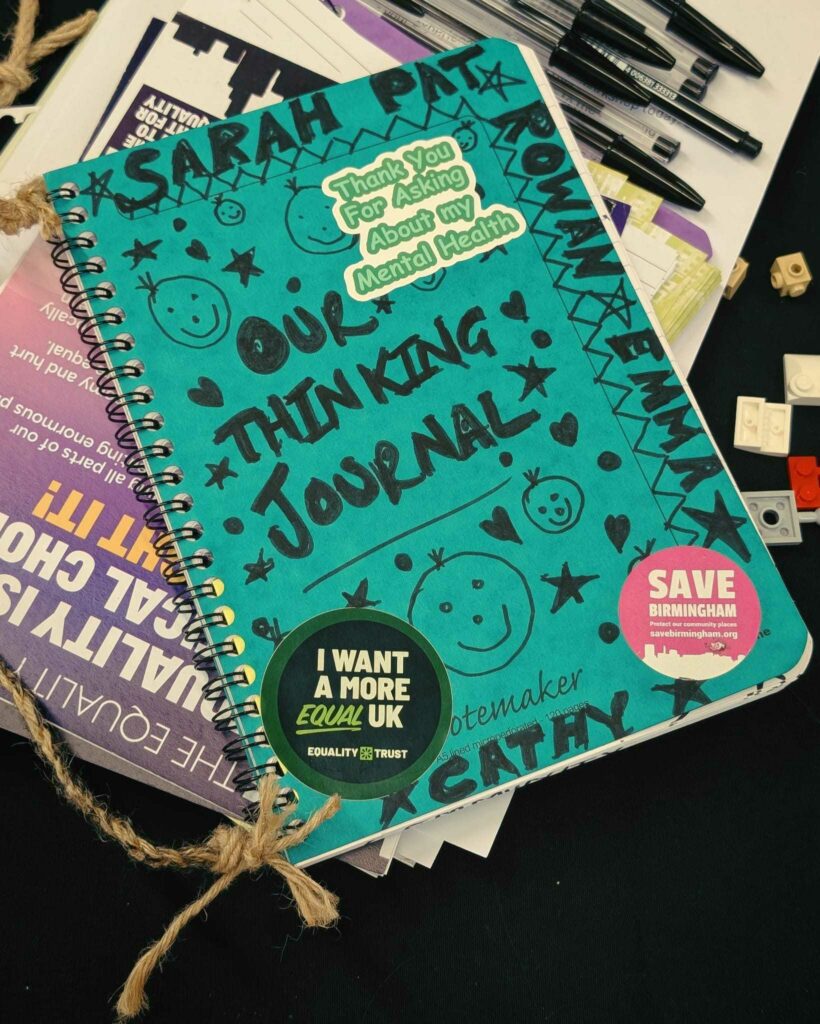
Throughout the autumn of 2025, the reporters conducted a series of deep-dive interviews and focus groups across various districts, including Alum Rock, Handsworth, and Northfield. Their focus was not merely on the lack of funds but on the "broken system" that manifests as a lack of representation, physical barriers to transport, and the psychological "gatekeeping" of high-culture venues.
By December 2025, the raw footage was handed to film editor Kieran Fuller, who synthesized the testimonies into a cohesive narrative. The resulting film, which premiered at the January workshop, serves as a digital archive of the city’s struggle to maintain its cultural identity amidst financial collapse.
Key Perspectives: Voices from the Workshop
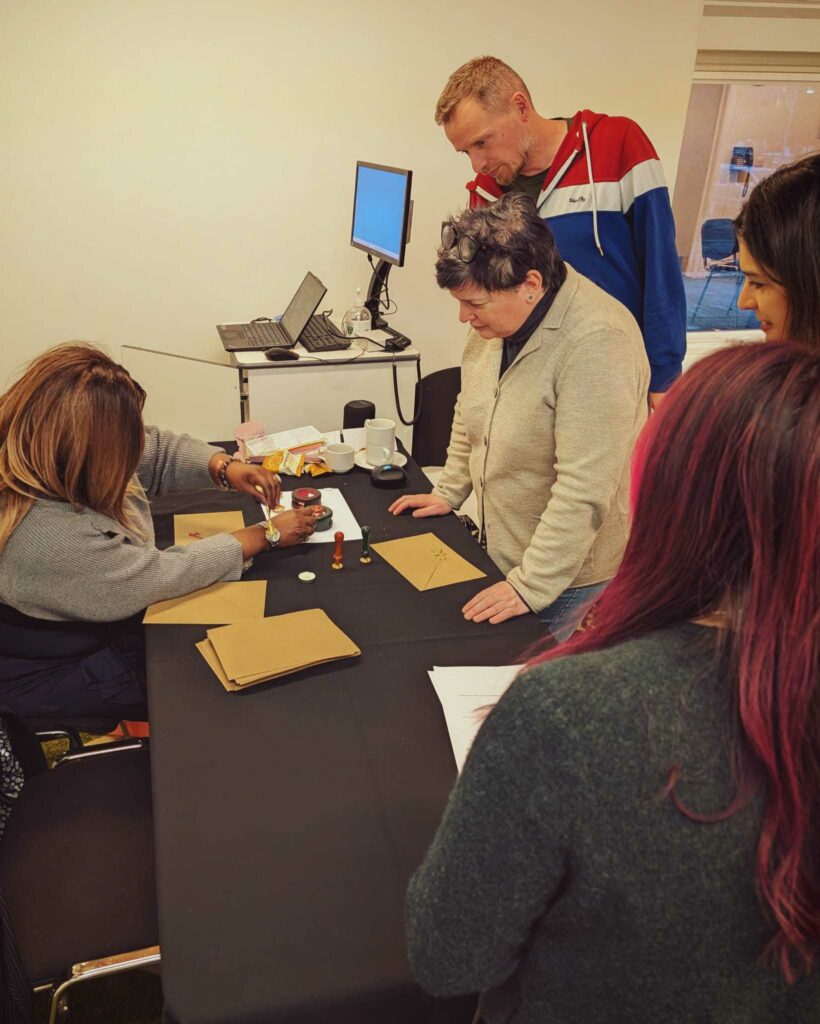
The workshop featured a panel of experts who provided context to the stories captured by the Community Reporters. Each speaker addressed a specific facet of the crisis:
Kathy Hopkin and the Preservation of Civic Space
Representing Save Birmingham, Kathy Hopkin spoke on the critical importance of protecting community assets. Her organization has been at the forefront of the fight to prevent the sell-off of public buildings. Hopkin argued that when a city sells its libraries or community halls to cover debt, it loses more than real estate; it loses the "social glue" that fosters community cohesion. She noted that once these spaces are privatized, the barrier to entry almost always rises, further alienating lower-income Brummies.
Dr. Pat Rozbicka: The Night-Time Economy and Policy
Dr. Pat Rozbicka from Aston University provided an academic lens, drawing on her extensive research into the Birmingham music scene and the night-time economy. Dr. Rozbicka emphasized that arts and culture are not "luxuries" but are essential components of the local economy and mental health. Her research suggests that the decline in accessible venues leads to a "brain drain" of local talent, as artists move to more supportive environments, leaving Birmingham’s cultural landscape impoverished.
Ian Francis: Reaching the Grassroots
As a representative of the Flatpack Festival, Ian Francis discussed the challenges of maintaining independent arts programming in a climate of dwindling subsidies. Flatpack has long been known for bringing cinema to unconventional spaces, and Francis highlighted the need for mobile, decentralized cultural offerings that do not require residents to travel to the expensive city center.
Analysis of Barriers to Cultural Participation
The workshop discussions identified several recurring barriers that define the current "broken system" in Birmingham. These are not isolated issues but are interconnected by the thread of socio-economic inequality.
- The Financial Threshold: The most obvious barrier remains the direct cost of participation. With the average theater ticket in the city center rising by 15% between 2024 and 2026, and the removal of many "pay what you can" schemes due to venue budget deficits, low-income families are effectively excluded.
- Transportation Deserts: Birmingham’s reliance on a hub-and-spoke transport system means that traveling from peripheral estates to central cultural venues is often time-consuming and expensive. For a family of four, the cost of bus or train travel can exceed the cost of the event itself.
- The Representation Gap: Community Reporters Alev, Arash, and Jennifer noted that many interviewees felt "unwelcome" in traditional cultural spaces. There is a perception that these venues are designed for a specific demographic, creating a psychological barrier that is as formidable as any financial one.
- The Loss of Informal Education: The closure of youth centers has eliminated the primary pipeline for arts education. Without free or subsidized music and drama lessons, the next generation of Birmingham creatives will be drawn exclusively from the affluent minority.
Broader Implications and the Socio-Economic Duty
The event at the Midlands Arts Centre was more than a film screening; it was a call to action for the implementation of the Socio-Economic Duty (SED). As Charlie McNeill explained during the session, the SED requires public bodies to adopt a proactive approach to reducing the inequalities of outcome which result from socio-economic disadvantage. While the duty is currently discretionary in England (unlike in Scotland and Wales), advocates in Birmingham are pushing for its local adoption to ensure that every policy decision—from transport to planning—considers its impact on the city’s poorest residents.
The funding for this project, provided by the Barrow Cadbury Trust, underscores a growing movement within the philanthropic sector to focus on "economic justice." This framework views access to culture not as a charity, but as a fundamental right that is essential for a functioning democracy. When individuals are excluded from the cultural narrative of their city, their sense of belonging and civic engagement diminishes.
Conclusion and Future Outlook
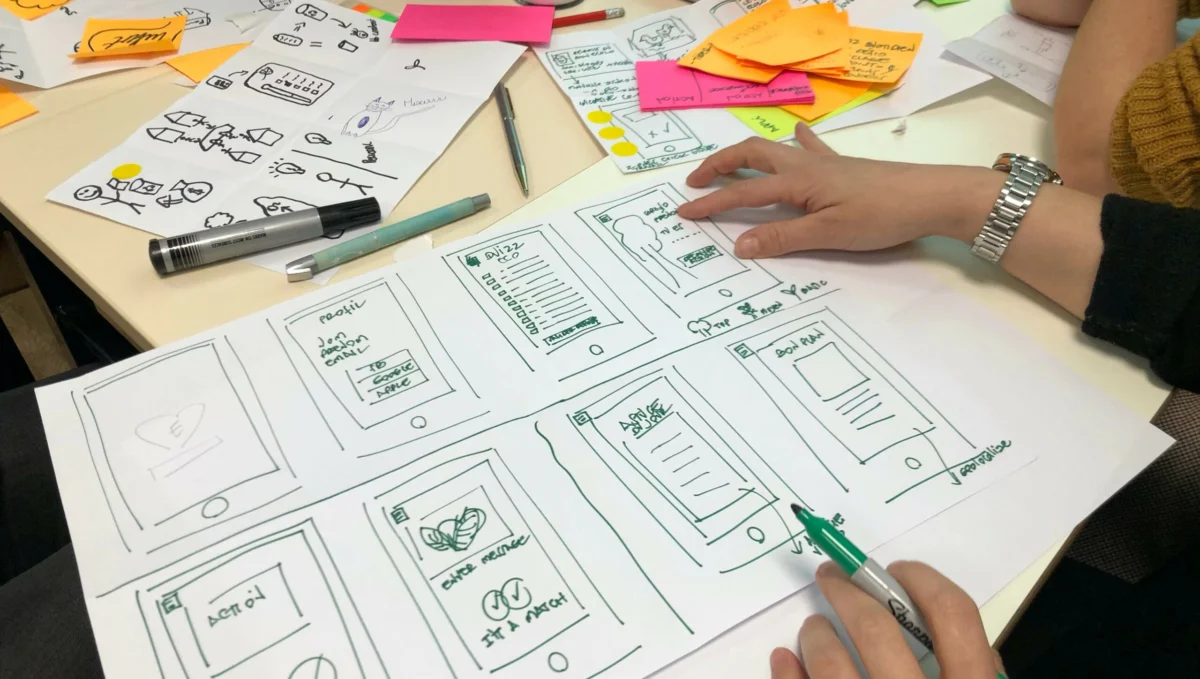
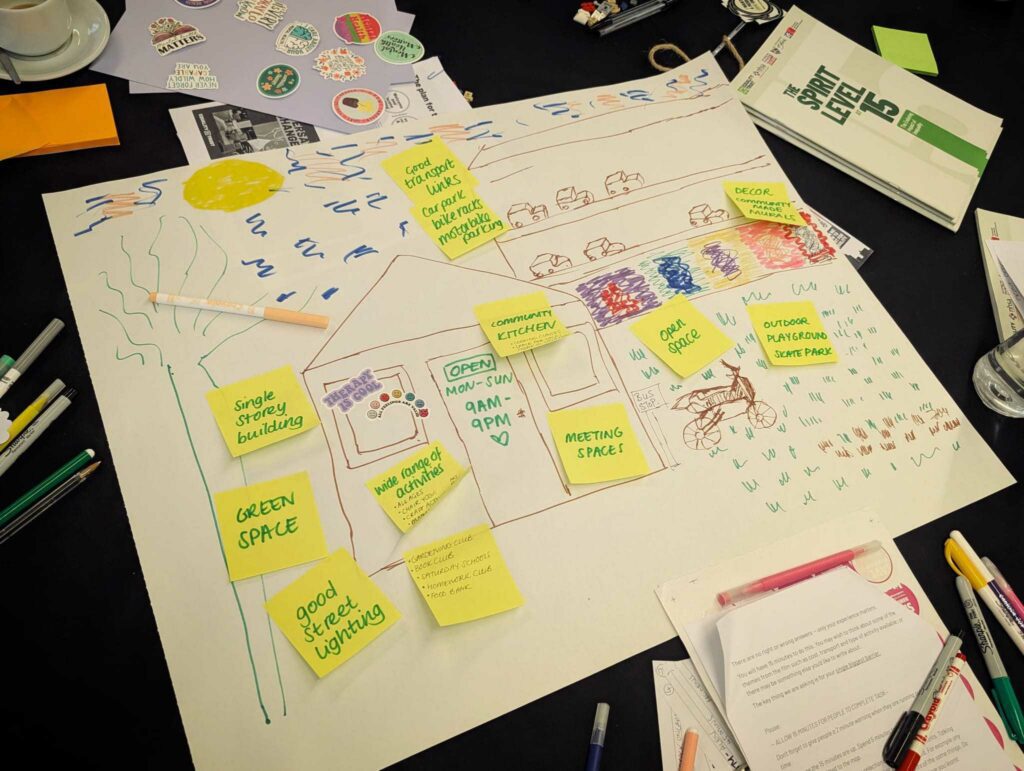
As Birmingham looks toward the remainder of 2026, the findings from the Re-imagine a Better Brum workshop provide a roadmap for potential recovery. The "grand plans" developed by attendees during the afternoon sessions included proposals for a city-wide "Cultural Passport" for low-income residents, the establishment of more community-led "pop-up" venues, and a formal lobbying effort to make the Socio-Economic Duty a mandatory component of the Birmingham City Council’s recovery plan.
The film, Conversations of Change, will now be used as a touring educational tool, with screenings planned for local schools and council meetings. By placing the voices of residents like Alev, Arash, and Jennifer at the center of the debate, The Equality Trust has ensured that the "re-imagining" of Birmingham is a project led by the people who have the most at stake.
In the final analysis, the event served as a stark reminder that a city’s wealth is not measured solely by its balance sheets, but by the richness of the lives its citizens are able to lead. As the workshop concluded, the sentiment in the room was clear: a "Better Brum" is possible, but only if the barriers of inequality are dismantled with the same vigor with which they were built.