In a significant move to address the intersection of education, nutrition, and mental health in Central Africa, World Education, an initiative of JSI Research & Training Institute, Inc. (JSI), has announced the launch of a targeted psychosocial support program in Cameroon. This initiative forms a critical pillar of a broader five-year activity spanning from 2024 to 2029, spearheaded by Nascent Solutions, Inc. (Nascent) and funded by the United States Department of Agriculture (USDA) Foreign Agricultural Services (FAS). Operating under the McGovern-Dole International Food for Education and Child Nutrition Program, the project aims to stabilize the educational landscape in Cameroon’s Northwest and Southwest regions, areas that have been profoundly destabilized by years of civil unrest and socio-political conflict.
The program arrives at a pivotal moment for Cameroon, where the educational infrastructure has faced unprecedented challenges. By integrating specialized psychosocial care with deep-rooted community ownership, World Education and its partners are working to create a secure, trauma-informed environment. The ultimate objective is to ensure that children in these high-risk zones are not only fed but are emotionally and socially equipped to resume their studies and thrive in a classroom setting.
The Context of Conflict and Educational Disruption in Cameroon
To understand the necessity of this five-year initiative, one must look at the historical and social backdrop of the Northwest and Southwest regions of Cameroon. Since 2016, these regions have been the site of a protracted conflict often referred to as the "Anglophone Crisis." What began as professional protests by lawyers and teachers over the perceived marginalization of the English-speaking minority escalated into a full-scale humanitarian crisis.
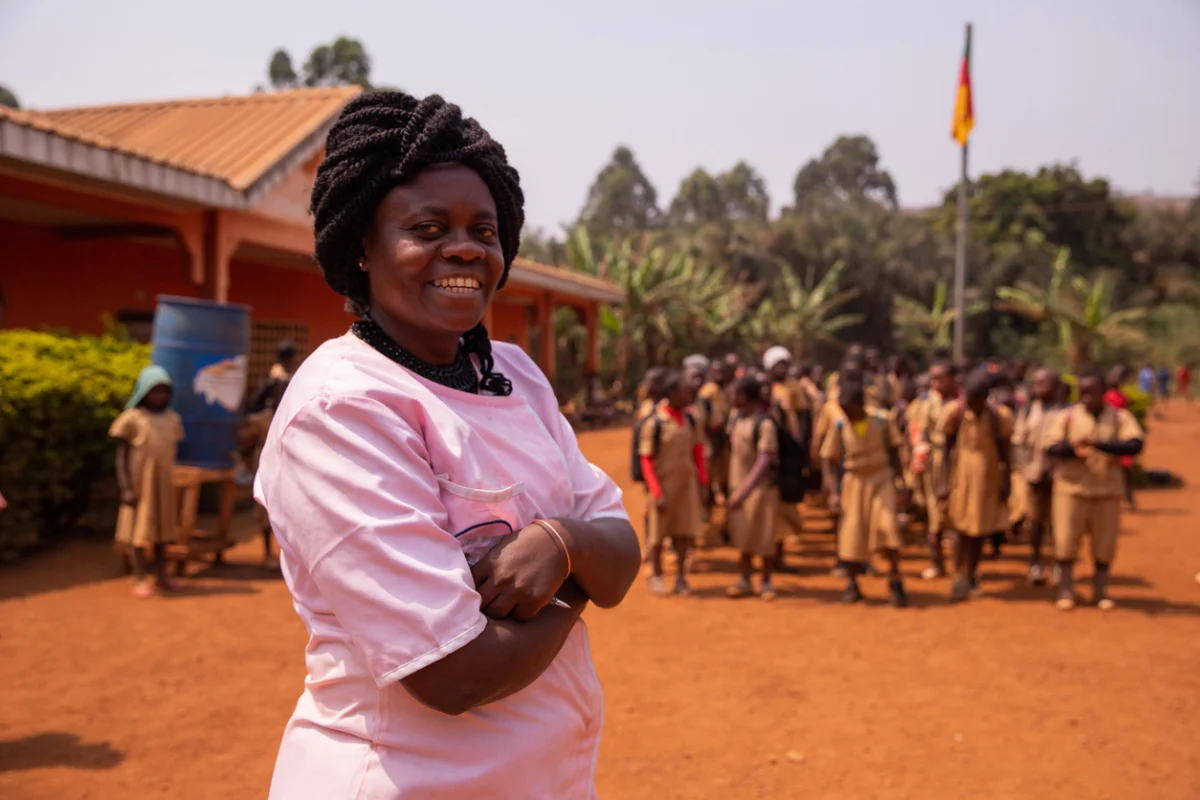
According to data from the United Nations Office for the Coordination of Humanitarian Affairs (OCHA), the conflict has displaced hundreds of thousands of people, both internally and as refugees to neighboring Nigeria. Perhaps most tragically, schools became a central flashpoint of the unrest. For several years, non-state armed groups enforced school boycotts, leading to the closure of thousands of educational institutions. UNICEF reports have previously indicated that at the height of the crisis, more than 800,000 children were out of school in these two regions.
The physical damage to infrastructure is only one part of the tragedy. The psychological toll on students and educators—who have witnessed violence, experienced displacement, and lived under the constant threat of abduction or assault—is immense. Experts note that "toxic stress" resulting from prolonged exposure to trauma can fundamentally alter brain development in children, hindering their ability to concentrate, memorize, and interact socially. It is this "hidden barrier" that World Education seeks to dismantle.
A Multi-Tiered Strategy for Psychosocial Recovery
The 2024–2029 initiative moves beyond traditional aid models by implementing a holistic strategy that treats the school as a hub for community healing. World Education’s approach is built upon two distinct yet interconnected organizational structures designed to operate in tandem with local public health professionals.
The Psychosocial Support Teams (PSTs)
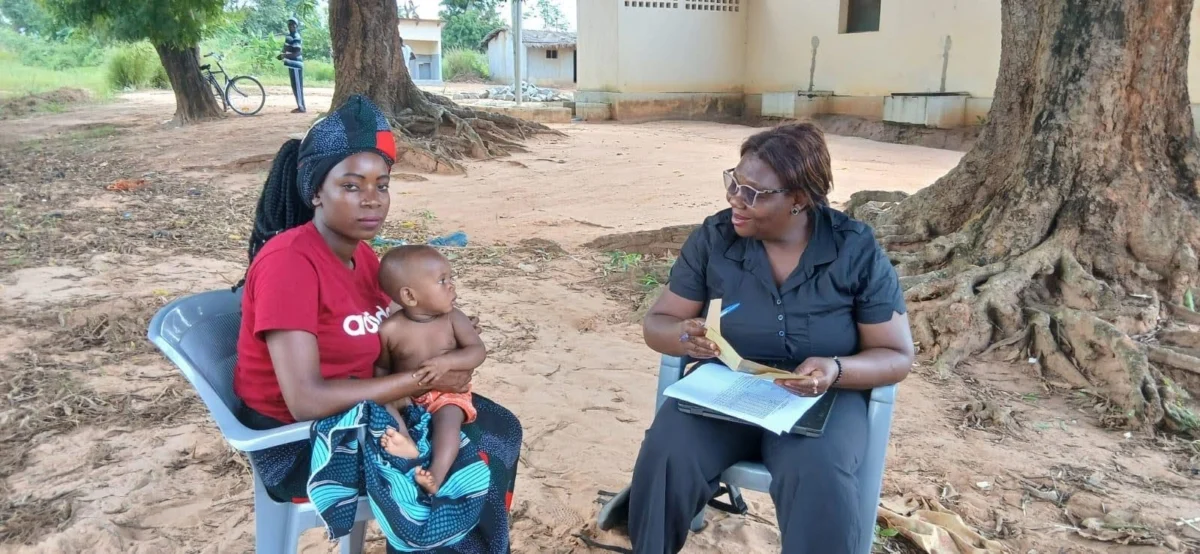
At the technical core of the intervention are the Psychosocial Support Teams (PSTs). World Education is leading the development of specialized training materials to empower 96 master teachers and 96 local health workers. These 192 professionals will serve as the frontline of mental health intervention within the school system.
The PSTs are trained in standardized screening methods to identify early warning signs of trauma, including acute anxiety, clinical depression, and antisocial behaviors. Rather than relying on external Western-centric models that may not translate to the local context, the PSTs are equipped to provide culturally sensitive, simple psychosocial interventions. These interventions are designed to foster a welcoming school environment. In more severe cases, where a child or teacher exhibits symptoms of deep-seated psychological distress, the PSTs act as a vital bridge to clinical referrals, ensuring that the most vulnerable individuals receive professional medical psychiatric care.
The Psychosocial Support Groups (PSGs)
While the PSTs focus on technical screening and intervention, the Psychosocial Support Groups (PSGs) focus on the broader social ecosystem. These are community-based networks that incorporate a wide array of stakeholders, including school management committees, parents, traditional local leaders, and religious figures.
The role of the PSG is to destigmatize mental health issues and integrate wellness activities into the daily fabric of school life. By mobilizing parents and local leaders, the program ensures that the concept of a "safe space" extends beyond the school gates and into the home and village. This community-centric approach is vital for the sustainability of the project, as it shifts the responsibility of child well-being from international NGOs to the local community itself.
Chronology of the McGovern-Dole Intervention (2024–2029)
The timeline for this initiative is structured to move from emergency intervention to systemic integration:
- Phase 1: Inception and Material Development (2024): World Education and Nascent Solutions focus on the creation of specialized technical training modules. This phase involves deep consultation with local health ministries and educational boards in Cameroon to ensure alignment with national standards.
- Phase 2: Training of Master Trainers (Late 2024 – 2025): The first cohort of 96 master teachers and 96 health workers undergoes rigorous training. This "train-the-trainer" model is designed to create a ripple effect, where knowledge is passed down to general classroom teachers.
- Phase 3: Community Mobilization and PSG Formation (2025 – 2026): Focus shifts to the establishment of the Psychosocial Support Groups. Community sensitization campaigns are launched to explain the link between mental health and academic success.
- Phase 4: Implementation and Monitoring (2026 – 2028): Full-scale operation of wellness activities in schools. Standardized screening becomes a routine part of the academic calendar. Data is collected to measure improvements in student retention and teacher attendance.
- Phase 5: Sustainability and Handover (2028 – 2029): The final year focuses on strengthening local school management committees to ensure they can maintain the PST and PSG structures without external funding or oversight.
Supporting Data: The Link Between Nutrition and Mental Health
The funding for this initiative through the USDA’s McGovern-Dole program highlights a critical scientific consensus: nutrition and mental health are inseparable. The McGovern-Dole program is primarily known for providing school meals to reduce hunger and improve literacy. However, the inclusion of World Education’s psychosocial component recognizes that a child who is traumatized may not benefit from a school meal in the same way a stable child would.
Research in the field of international development suggests that school feeding programs increase enrollment by an average of 9% to 12%. However, in conflict zones, enrollment gains are often offset by high dropout rates due to fear or emotional instability. By combining the nutritional support provided by Nascent Solutions with the mental health support provided by World Education, the program addresses the "whole child."
Data from previous McGovern-Dole projects suggests that when psychosocial support is integrated into school feeding, student cognitive performance improves more significantly than in programs that offer food alone. In Cameroon, where the "Anglophone Crisis" has caused a 50% drop in literacy rates in certain rural sectors of the Southwest region, this integrated approach is seen as a necessary catalyst for educational recovery.
Official Responses and Leadership Vision
The leadership of JSI and World Education has emphasized that this project is about more than just classroom instruction; it is about reclaiming the future of a generation. Adam Turney, Director at JSI/World Education, highlighted the philosophy behind the mission.
"Our approach goes beyond traditional educational support to address the hidden emotional barriers that prevent children from thriving," Turney stated. "By mobilizing communities and training local professionals, we are building sustainable support networks directly inside Cameroon’s schools."
This sentiment is echoed by local education advocates in Cameroon. While official government statements from the Ministry of Basic Education have focused on the "reconstruction of schools," local civil society organizations have long called for a "reconstruction of the mind." The partnership with Nascent Solutions, a veteran organization in the region, provides the project with the local legitimacy needed to operate in sensitive, conflict-affected areas where trust in institutional authority may be low.
Analysis of Implications and Long-Term Impact
The implications of this project extend far beyond the 2029 end date. By training nearly 200 local professionals in psychosocial screening, World Education is effectively performing "systems strengthening." These master teachers and health workers will remain in the Cameroonian workforce for decades, carrying these skills with them to other schools and regions.
Furthermore, the focus on "community ownership" addresses a common criticism of international aid: the "dependency trap." By empowering school management committees to lead their own wellness initiatives, the project ensures that if future conflicts arise, these communities will have the internal resilience and the organizational structures to protect their children’s mental health independently.
The project also serves as a model for other conflict-affected nations. From the Sahel to Eastern Europe, education systems are increasingly under fire. The Cameroon model—combining USDA-funded nutrition with specialized JSI-led mental health care—provides a blueprint for how the international community can respond to complex emergencies where physical hunger and emotional trauma are inextricably linked.
Conclusion: A Path Toward Resilience
As Cameroon continues to navigate its complex socio-political landscape, the stability of its youth remains the most critical factor for long-term peace. The five-year activity led by Nascent Solutions and supported by World Education represents a significant investment in the human capital of the Northwest and Southwest regions.
By transforming schools into sanctuaries of both physical nourishment and emotional healing, the initiative aims to break the cycle of trauma that has gripped the region for nearly a decade. Through the Psychosocial Support Teams and Groups, the project is not just teaching children how to read and write; it is teaching a community how to heal, ensuring that the next generation of Cameroonians is ready to lead the country toward a more stable and prosperous future.