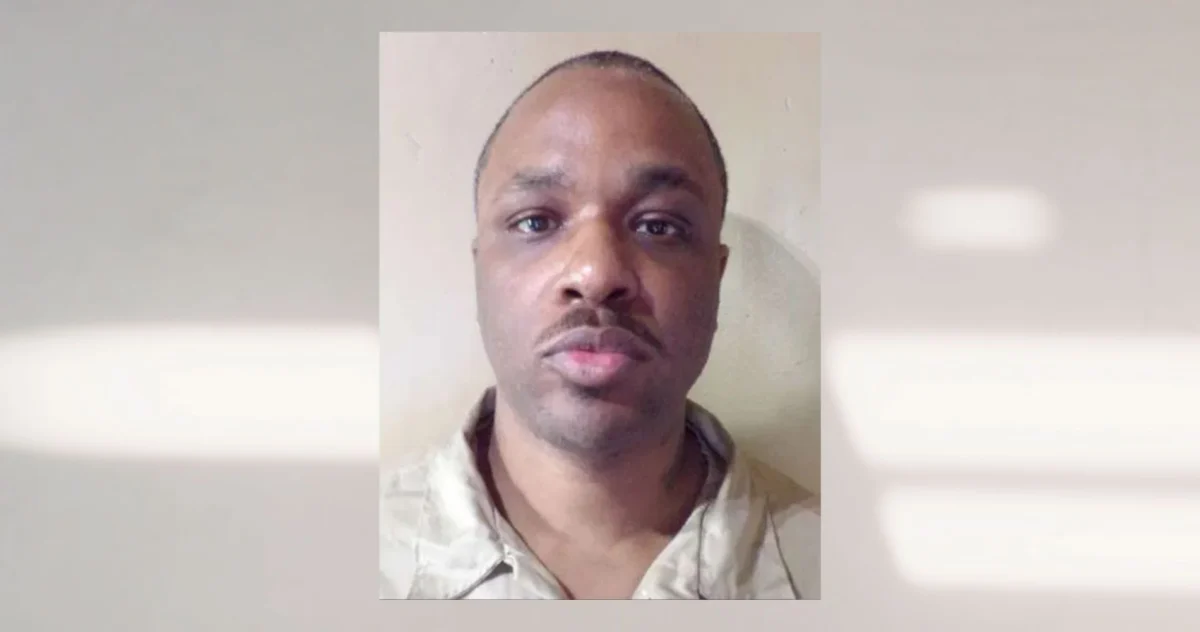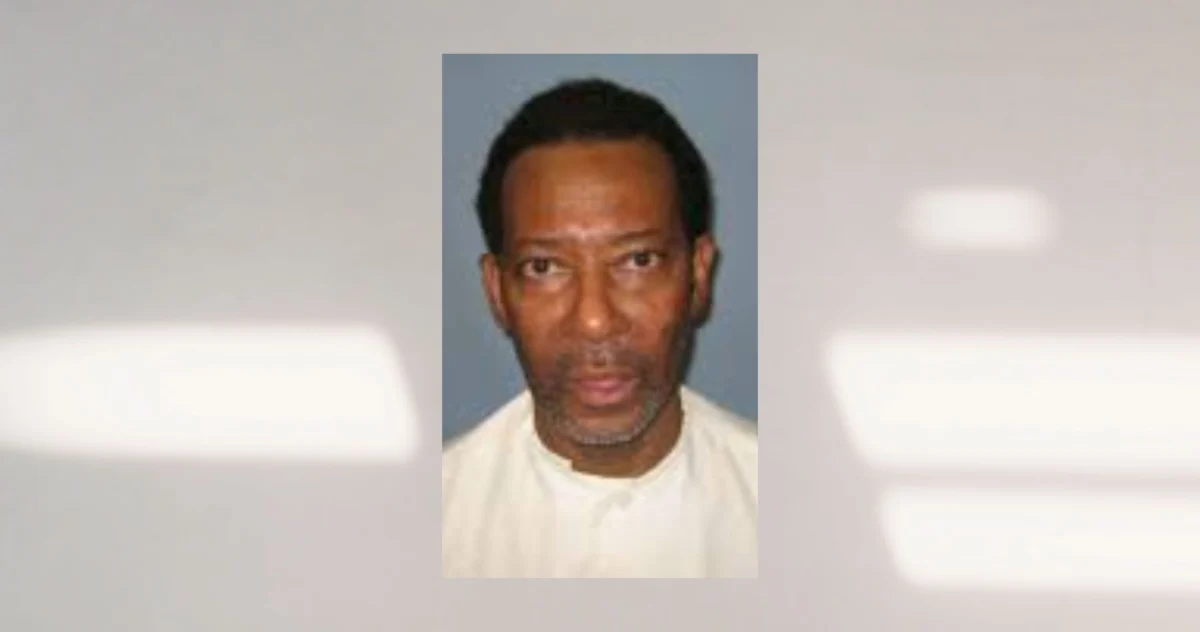
Alabama Governor Kay Ivey today commuted the death sentence of Charles "Sonny" Burton, 75, to life in prison without the possibility of parole, averting an execution scheduled for March 12. The decision marks a significant moment for Alabama’s capital punishment system, addressing a case that drew widespread criticism for its perceived arbitrariness: Burton had been on death row since 1992 for a crime in which he did not pull the trigger, while the person who actually shot and killed the victim received a life-without-parole sentence. This commutation underscores persistent concerns about the "worst of the worst" standard in capital sentencing and the application of the felony murder rule in the state.
A Case of Disparate Justice: The 1991 Crime and Its Aftermath
The tragic events that led to Charles Burton’s decades-long incarceration and death sentence unfolded on September 19, 1991. Six men were involved in the robbery of an auto parts store in Talladega, Alabama. During the robbery, customer Doug Battle was fatally shot. It is undisputed that Derrick DeBruce fired the shot that killed Battle. Charles Burton, then 42 years old, was part of the group but had already exited the store when the fatal shot was fired. His legal team consistently argued that he neither killed anyone, nor ordered anyone to kill, nor even witnessed the shooting. "Not only did he not kill anyone, but he didn’t order anyone to kill anyone," stated Matt Schulz, Mr. Burton’s lawyer. "He didn’t hire anyone to kill anyone. He didn’t tell anyone to kill anyone. He literally did not even see anyone kill anyone."
All six individuals involved were charged with capital murder under Alabama’s felony murder rule, which allows for a murder charge when a death occurs during the commission of a felony, regardless of intent to kill or direct participation in the killing itself. This rule has been a contentious aspect of capital punishment law, particularly when applied to accomplices who do not directly cause the death. Four of the six men involved in the 1991 robbery reached plea agreements with the State, allowing them to avoid the death penalty. Derrick DeBruce, the admitted shooter, was initially sentenced to death. However, in 2014, a federal court overturned DeBruce’s death sentence, citing constitutional violations during his trial. Following this reversal, the State of Alabama agreed to resentence DeBruce to life without parole. This left Charles Burton as the sole individual facing execution for the 1991 crime, a stark disparity that became the central argument in his clemency petition.
The Clemency Campaign: A Chorus of Dissent
The campaign for Charles Burton’s clemency gained significant momentum in recent months, drawing support from an unusual coalition of individuals, including several of the original jurors, the victim’s daughter, legal experts, and advocates for death penalty reform. The core of their argument rested on the profound injustice of executing a non-triggerman, especially when the actual shooter’s sentence had been commuted to life without parole.
Priscilla Townsend, one of the three jurors who explicitly urged Governor Ivey to grant clemency, voiced her deep regret and concern. "It’s absolutely not fair. You don’t execute someone who did not pull the trigger," she told The Associated Press. While Ms. Townsend maintained her belief in the death penalty "for the worst of the worst," she firmly stated that Mr. Burton did not fit that description. In a poignant op-ed, she wrote, "I am deeply disappointed in how this case has slipped through the cracks, and am concerned about Alabama’s system of justice if it allows Mr. Burton’s execution." This sentiment was echoed by six of the eight living jurors who had originally voted to sentence Mr. Burton to death in 1992. Their clemency petition to the governor indicated no opposition to his sentence being commuted. Juror James Cottongim explicitly stated in his letter to the governor that while the crime was terrible, it would be "very unjust" to execute Mr. Burton. "Since Mr. Burton was not the man who pulled the trigger, it just seems wrong that he should be put to death when the shooter was resentenced to life," he wrote, concluding that their "original sentence of death is just no longer appropriate given the circumstances."
Perhaps one of the most compelling voices in the clemency plea came from Tori Battle, the daughter of the victim, Doug Battle. Nine years old at the time of her father’s murder, Tori urged Governor Ivey to grant clemency, emphasizing that an execution would not contribute to her healing. "I do not see how this execution will contribute to my healing," she wrote to the governor. "My father, Doug Battle, was many things. He was strong, but he valued peace. He did not believe in revenge. And in that way, I am very much his daughter… I hope you will consider extending grace to Mr. Burton and granting him clemency." Her statement highlighted a growing trend among victims’ families who, in certain cases, advocate for mercy rather than retribution, finding that executions do not bring the closure often promised by proponents of capital punishment.
Burton’s legal team, led by Matt Schulz, characterized the case as an "extreme outlier" among death penalty cases. They argued that it would be "wrong to execute a man who did not even see the shooting take place, after the state agreed to resentence the shooter to life without parole, and this is simply not the kind of case most people think of when they envision the death penalty being carried out." The clemency petition meticulously detailed the procedural history and the fundamental unfairness of the situation, presenting a robust argument for executive intervention.
Alabama’s Death Penalty Landscape: A History of Arbitrariness and Controversy
The case of Charles Burton brought into sharp focus long-standing criticisms regarding the arbitrariness and fairness of Alabama’s death penalty system. Alabama has one of the highest per capita death row populations in the United States and has historically faced scrutiny for its capital sentencing practices. Until 2017, Alabama was the only state that allowed judicial override, where a judge could impose a death sentence even if a jury recommended life imprisonment. While judicial override is no longer practiced, its legacy contributes to the perception of an uneven application of justice.
The principle of "arbitrariness" in capital punishment refers to the inconsistent and unpredictable application of the death penalty, often influenced by factors unrelated to the crime’s severity, such as race, socioeconomic status, geographic location, or, as in Burton’s case, the specific roles of co-defendants. The Equal Justice Initiative (EJI), a prominent legal advocacy organization based in Montgomery, Alabama, has consistently documented and challenged these issues, highlighting how the death penalty in Alabama is disproportionately applied and often falls short of the "worst of the worst" standard. Studies by organizations like the Death Penalty Information Center (DPIC) have also shown that a significant number of individuals on death row nationwide are non-triggermen, raising questions about culpability and proportionality.
Furthermore, Alabama’s reliance on the felony murder rule to secure capital convictions for accomplices has been a point of contention. While legally permissible, its application in cases like Burton’s, where the accomplice had minimal direct involvement in the killing, often conflicts with the moral intuition that capital punishment should be reserved for those most directly responsible for taking a life. The fact that the actual shooter, Derrick DeBruce, was spared execution due to constitutional violations at trial, only amplified the perceived injustice of Burton’s impending execution. This disparity created a scenario where a less culpable party faced the ultimate penalty, while the more culpable party did not – a direct challenge to the notion of fair and proportionate sentencing.
Governor Ivey’s Record and the Significance of This Commutation
Governor Kay Ivey’s decision to commute Charles Burton’s sentence is notable, especially given her gubernatorial record. During her nine years in office, Governor Ivey has presided over 25 executions, a figure that makes her responsible for more executions than any other state executive since the death penalty was reinstated in 1976. This historical context makes her intervention in Burton’s case particularly significant.
While rare, this is not the first time Governor Ivey has granted clemency in a death penalty case. Last year, she commuted the death sentence of Robin "Rocky" Myers to life in prison without parole, citing "considerable questions about his guilt." Myers, a Black man, had been on death row for three decades for a 1991 murder, and his case had also garnered significant attention due to concerns about racial bias and insufficient evidence. The two commutations within a relatively short period suggest a cautious, albeit limited, willingness on the part of the governor to review and correct perceived injustices in capital cases.
The decision also places Alabama in line with a trend observed in some other Republican-led states where governors have granted clemency in similarly problematic death penalty cases. For instance, Oklahoma Governor Kevin Stitt granted clemency to Julius Jones in 2021, just hours before his scheduled execution, after widespread protests and questions about his guilt. These actions, while not indicating a rejection of the death penalty outright, reflect an increasing sensitivity to concerns about wrongful convictions, systemic flaws, and the ethical application of capital punishment.
Charles Burton’s Health and Final Days on Death Row
Adding another layer of urgency to the clemency petition was Charles Burton’s advanced age and deteriorating health. At 75, he was described by his sister, Eddie Mae Ellison, as "frail and in failing health." His attorney confirmed that Burton suffered from debilitating rheumatoid arthritis, which caused him immense pain and largely confined him to a wheelchair. He also required a state-issued helmet due to frequent falls, indicative of his severely compromised physical state. The prospect of executing an elderly, infirm man, particularly one whose culpability was so fiercely debated, raised significant ethical questions and further fueled the calls for mercy.
Despite these concerns, the State of Alabama had moved forward with preparations for his execution, scheduling it by nitrogen suffocation, a controversial method used for the first time in the U.S. earlier this year. In January, the Alabama Supreme Court had authorized the governor to set the execution date, seemingly paving the way for Burton’s death. The commutation arrived just weeks before the scheduled date, bringing an end to decades of legal battles and uncertainty for Burton and his family.
Broader Implications and the Future of Capital Punishment
Governor Ivey’s commutation of Charles Burton’s death sentence has significant implications, both for Alabama and for the broader national discourse on capital punishment.
- Reinforcement of "Worst of the Worst" Principle: The decision implicitly acknowledges and reinforces the principle that the death penalty should be reserved for the most culpable offenders. By sparing Burton, the state has, in effect, conceded that his case, lacking direct involvement in the killing, did not meet this high bar, especially when compared to the shooter’s outcome.
- Addressing Arbitrariness: The case serves as a stark example of how the death penalty can be applied arbitrarily, leading to vastly different outcomes for individuals involved in the same crime. This commutation offers a corrective measure in one instance but highlights the systemic issue that remains.
- Role of Jurors and Victims’ Families: The active participation of original jurors and the victim’s daughter in advocating for clemency is a powerful development. It underscores the evolving perspectives on justice, punishment, and healing, and demonstrates how these key stakeholders can influence outcomes in capital cases. Their voices lend credibility and moral weight to clemency appeals.
- Executive Clemency as a Safeguard: The commutation reaffirms the critical role of executive clemency as a final safeguard against potential miscarriages of justice or the unjust application of capital punishment, even when all judicial appeals have been exhausted.
- Continued Scrutiny of Felony Murder Rule: The case will likely intensify scrutiny of the felony murder rule, particularly its application in capital cases where accomplices face the death penalty. It could spur further legal challenges or legislative debates about limiting its scope in capital sentencing.
- Public Opinion and Evolving Standards: While public support for the death penalty remains, cases like Burton’s, which expose perceived injustices and disparities, contribute to a broader erosion of confidence in the system. The commutation may reflect a growing public and judicial unease with the death penalty’s application in less clear-cut cases.
In conclusion, the commutation of Charles "Sonny" Burton’s death sentence represents more than just a reprieve for one man; it is a profound commentary on the persistent challenges of fairness, proportionality, and arbitrariness within Alabama’s capital punishment system. While Governor Ivey’s decision spared Burton from execution, the underlying questions about who truly constitutes the "worst of the worst" and how justice is equitably administered in capital cases will continue to resonate across Alabama and the nation. The outcome of this "extreme outlier" case will undoubtedly contribute to ongoing debates about the future of capital punishment in the United States.