The escalating conflict in Iran has transcended regional instability to become a profound humanitarian catastrophe, forcing the United Kingdom to confront a long-deferred existential question regarding its global economic and strategic alignment. As of late March 2026, the intensity of the warfare has resulted in significant civilian casualties and the displacement of millions, creating a crisis that international observers describe as one of the most severe of the decade. Beyond the immediate tragedy, the war serves as a catalyst for a fundamental reappraisal of Britain’s "Global Britain" strategy, particularly its reliance on the United States. The current geopolitical climate has laid bare the vulnerabilities of an economic model tethered to Washington, prompting policymakers, economists, and civil society leaders to ask whether the United Kingdom should continue its drift toward American-style capitalism or pivot toward the more egalitarian models of Northern Europe.
The Humanitarian Context and Regional Instability
The conflict, which intensified in early 2026 following years of deteriorating diplomatic relations and failed nuclear negotiations, has devastated the Iranian infrastructure. Reports from international aid agencies indicate that the civilian population is facing acute shortages of food, medicine, and clean water. The human reality of the war—families torn apart and the systematic destruction of urban centers—has cast a somber shadow over global markets.
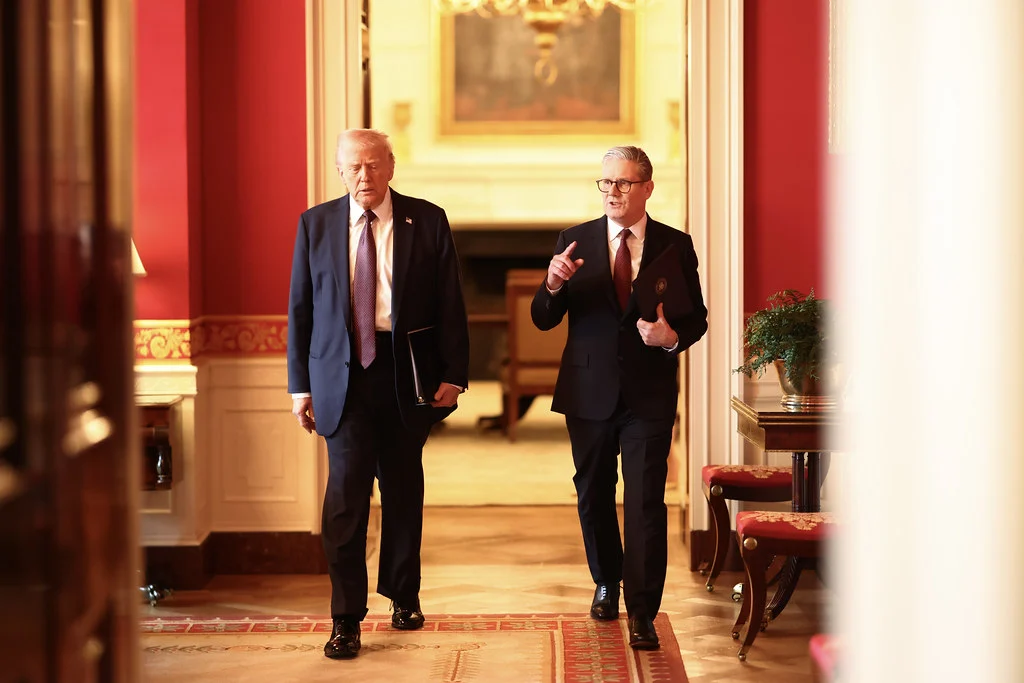
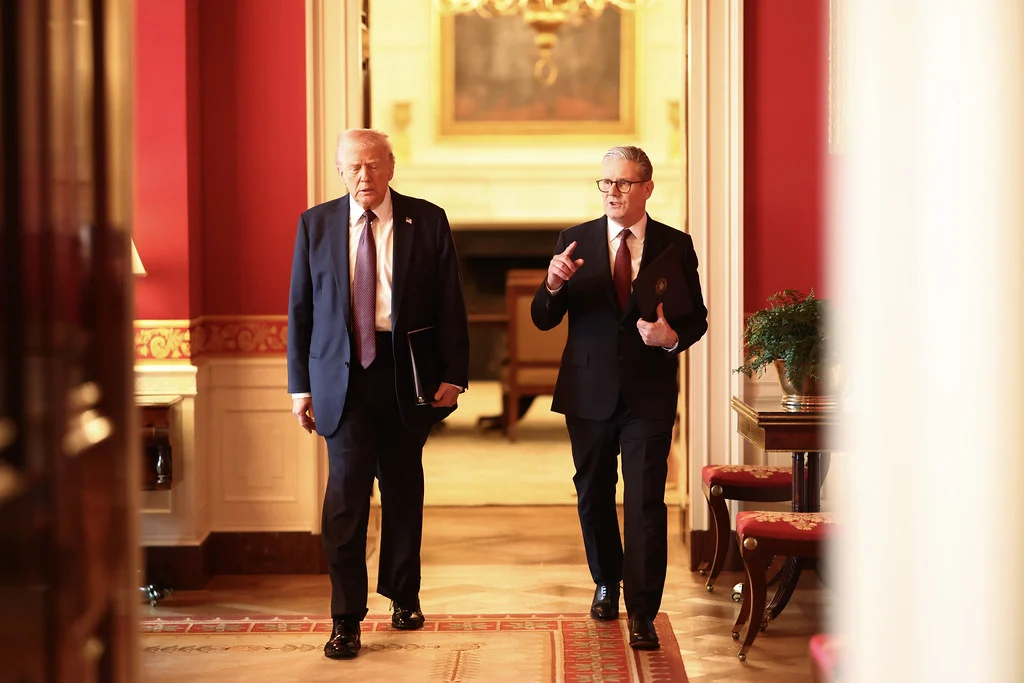
In London, the response has been a mix of diplomatic condemnation and internal debate. While the humanitarian crisis remains the primary focus of public discourse, the strategic implications of the United States’ posture in the region have created a rift in British policy circles. The U.S. approach, characterized by aggressive military posturing and unilateral economic sanctions, has placed its allies in a difficult position, forcing them to choose between unconditional support for Washington or a more nuanced, independent path.
A Chronology of Economic Alignment: From Thatcherism to Brexit
To understand the current dilemma, it is necessary to examine the four-decade trajectory of the British economy. Since the 1980s, the United Kingdom has steadily moved away from the post-war consensus of a managed economy toward a model heavily influenced by American neoliberalism. This shift was marked by the deregulation of the financial sector, the weakening of trade unions, and the extensive privatization of public utilities and services.
The 2016 Brexit referendum accelerated this trend. Proponents of leaving the European Union argued that a "Global Britain" could find its footing by strengthening ties with the Anglosphere, particularly the United States. This "bet" on America was built on the assumption that the U.S. would remain a stable, predictable partner committed to international institutions and free trade. However, the events leading up to 2026 have challenged this assumption. An increasingly erratic U.S. foreign policy, coupled with a domestic turn toward economic nationalism and "America First" priorities, has left the UK in a precarious position. The reliance on American technology platforms, defense hardware, and strategic priorities is now seen by some as a liability rather than an asset.
Comparative Economic Data: The UK vs. The Northern European Model
The debate over Britain’s future is not merely about foreign policy; it is about the structural design of its domestic economy. Data from the OECD and various economic think tanks highlight a stark contrast between the American-aligned British model and the "Social Democratic" models of countries such as Sweden, Denmark, and the Netherlands.
According to 2025 income distribution data, the United Kingdom remains one of the most unequal countries in the developed world. The Gini coefficient, a standard measure of inequality, remains significantly higher in the UK than in Scandinavia. In Sweden and Denmark, stronger labor rights and collective bargaining agreements have ensured that a larger share of economic growth reaches the middle and lower-income brackets. In contrast, the UK’s deregulated labor market has seen a proliferation of "gig economy" roles and stagnant real wages for over a decade.
Furthermore, wealth concentration in the UK has reached levels not seen in generations. The top 1% of households hold a disproportionate share of the nation’s wealth, a trend that mirrors the United States more closely than it does Europe. Critics argue that this concentration of wealth leads to a concentration of political power, where the interests of the ultra-wealthy and large corporations take precedence over public services and social infrastructure.
The Influence of Concentrated Wealth and Corporate Power
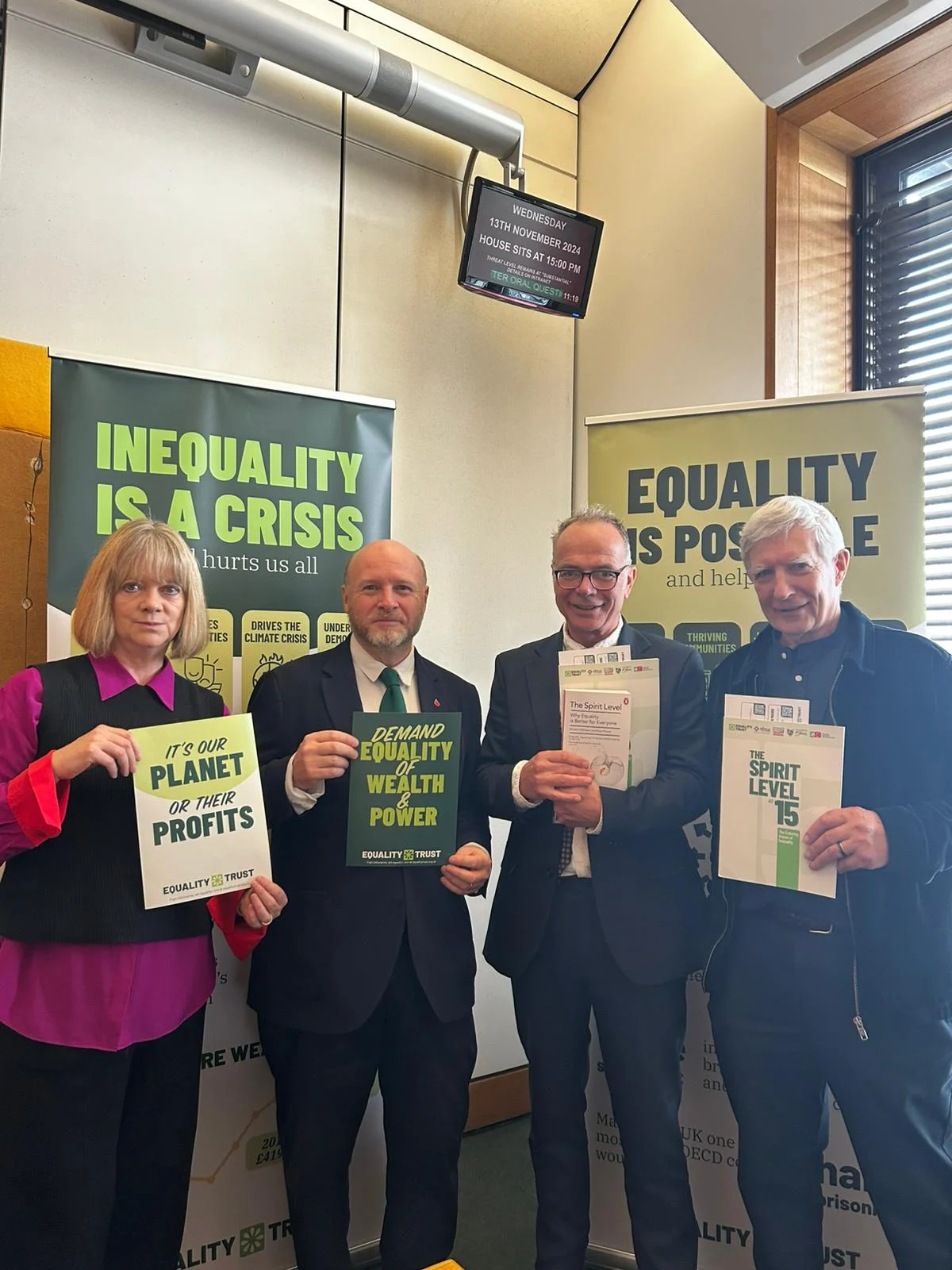
A critical component of the UK’s current economic culture is the feedback loop between extreme wealth and political influence. A recent briefing by The Equality Trust, titled "Money, Media and the Lords: How the Ultra-wealthy are Shaping Britain," details how lobbying structures and media ownership allow a small elite to influence regulation and public policy.
This influence is particularly evident in the financial and technology sectors. Oligopolies in these industries often reduce competition, allowing a handful of large firms to extract value from consumers while contributing relatively little to the productive economy. The "Americanization" of British finance has encouraged speculative markets over long-term industrial investment. In the technology sector, the UK’s dependence on Silicon Valley platforms means that the data and value generated by British citizens often circulate back to California rather than fueling domestic innovation.
Official Reactions and Domestic Pressure
The pressure to reorient British policy is coming from multiple fronts. Within the halls of Westminster, some members of the opposition and even centrist elements of the governing party have begun to call for "strategic autonomy." This concept, popularized in the EU, suggests that Britain must develop the capacity to act independently in its own interests, particularly when those interests diverge from Washington’s.
Public opinion also appears to be shifting. Polls taken in the wake of the Iran conflict show a declining appetite for military intervention and a growing desire for domestic stability. There is a palpable sense of fatigue with an economic model that many feel has failed to deliver improved living standards despite years of promised benefits from deregulation.
Priya Sahni-Nicholas, Co-Executive Director of the Equality Trust, has been a vocal proponent of using this moment as a turning point. She argues that the question facing the country is not just who to align with, but what kind of society the UK wants to be. "The countries Britain could be moving closer to—Germany, the Scandinavian states, the Netherlands—are also the countries where inequality is significantly lower," Sahni-Nicholas noted in a recent statement. "That is not a coincidence. Their economic models intentionally address concentrations of income, wealth, and power."
Proposed Paths Toward a More Independent Economy
If the United Kingdom chooses to break its dependence on the American model, several policy shifts would be required to ensure the new economy works for the majority of the population. Analysts suggest the following areas as priorities for a "sovereign" British economic strategy:
- Community Wealth Building: Moving away from a model that enriches overseas contractors and toward a strategy that builds capacity in "left-behind" regions. This involves prioritizing local procurement and supporting worker-owned cooperatives.
- Domestic Industrial Investment: Developing a robust industrial strategy that focuses on green energy and high-tech manufacturing, reducing the reliance on American defense and technology imports.
- Financial Regulation Reform: Implementing regulations that steer capital toward the productive economy—such as infrastructure and small businesses—rather than speculative financial instruments.
- Strengthened Competition Policy: Empowering regulators to break up monopolies and resist the concentration of market power that allows a handful of corporations to dictate economic policy.
- Labor Market Reform: Enhancing labor rights and promoting broader worker ownership to ensure that the benefits of productivity gains are shared more equitably.
Broader Implications and Global Consequences
The choice Britain makes in the coming months will have implications far beyond its borders. A UK pivot toward the European model would signal a significant shift in the global geopolitical landscape, potentially weakening the "special relationship" that has defined transatlantic security for nearly a century. Conversely, it could strengthen the European bloc’s collective bargaining power and provide a more unified front in addressing global challenges like climate change and regional instability.
For the British people, the stakes are deeply personal. The decision involves a choice between a continuation of the status quo—where extreme wealth and corporate power define the national trajectory—and a new path that prioritizes social cohesion and economic stability.
As the war in Iran continues to unfold, the human cost remains the most pressing concern. However, the economic questions raised by the conflict cannot be ignored. The "post-Brexit gamble" on the Anglosphere is being tested by the harsh realities of 21st-century geopolitics. Whether Britain has the political will to reorient its economy toward a more equitable and autonomous future remains to be seen, but the window for making that choice is rapidly closing. The crossroads at which the nation stands is not merely a matter of trade deals or military alliances; it is a fundamental question of what kind of future the United Kingdom envisions for itself in an increasingly fragmented world.