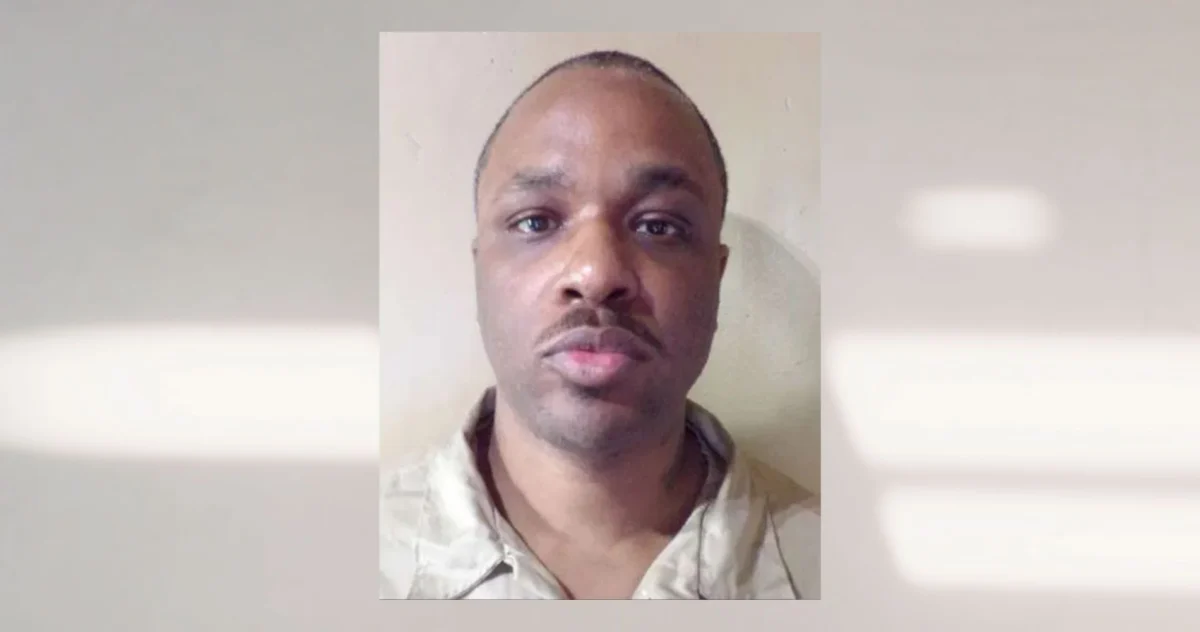
The U.S. Supreme Court on Monday affirmed a federal appeals court’s decision, paving the way for Michael Sockwell, now 63, to receive a new trial 36 years after a Montgomery judge sentenced him to death. The high court’s refusal to review the Eleventh Circuit Court of Appeals’ ruling marks a significant moment in Sockwell’s long legal battle, rooted in findings of racially discriminatory jury selection during his original 1990 trial. This development underscores persistent concerns about racial bias within the American justice system, particularly in capital cases in the Deep South.
The Original Crime and Conviction
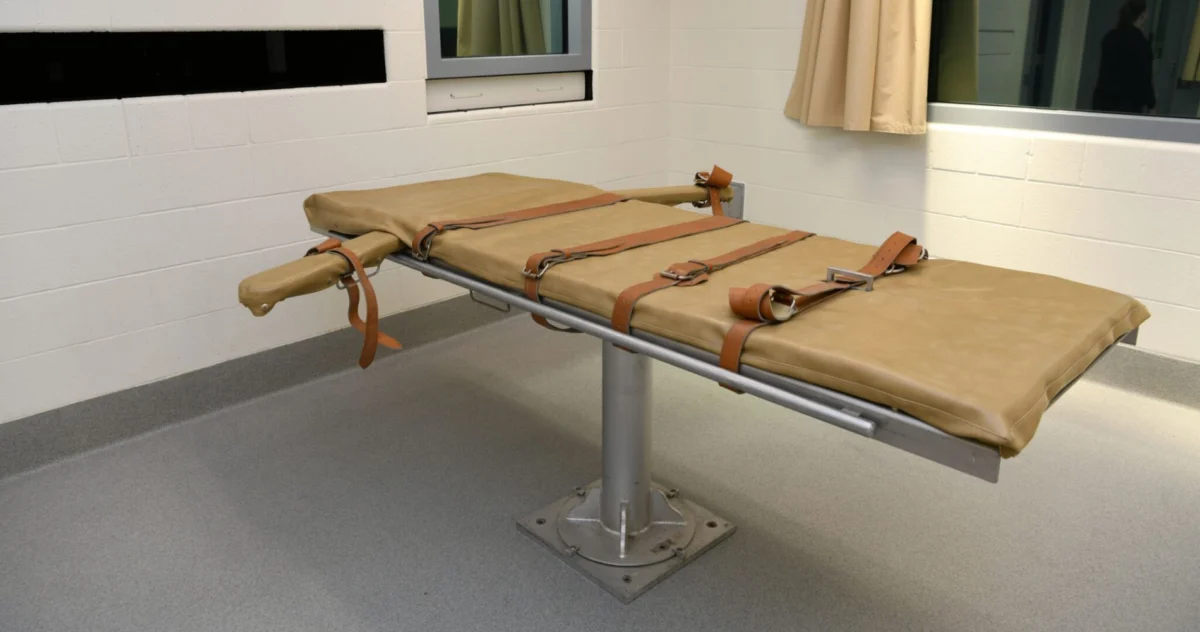
Michael Sockwell’s ordeal began with charges stemming from the 1988 killing of a Montgomery sheriff’s deputy. Prosecutors alleged at the time that the murder was orchestrated by the deputy’s wife. Sockwell was subsequently tried and convicted of capital murder. The jury, after deliberating, voted 7-5 to impose a sentence of life without parole. However, in a practice that was then permissible in Alabama, the trial judge overrode the jury’s verdict and instead sentenced Mr. Sockwell to death. This judicial override was a contentious aspect of Alabama’s death penalty statute, allowing judges to impose a death sentence even when a jury recommended life imprisonment. Alabama was the last state to eliminate this practice, finally doing so in 2017.
A History of Discriminatory Jury Selection
The heart of the federal appeals court’s decision, and the subsequent Supreme Court affirmation, centers on the conduct of then-Assistant District Attorney Ellen Brooks during jury selection. During the voir dire process, Brooks struck an astonishing 80% of the qualified Black prospective jurors. One particularly damning revelation from the record indicated that Brooks admitted to striking one Black man specifically because he shared the "same race, sex, and age" as the defendant, Michael Sockwell. Such a rationale directly violates the principles established by the landmark Supreme Court case Batson v. Kentucky.
Batson v. Kentucky, decided in 1986, prohibits prosecutors from excluding potential jurors solely on the basis of race. The ruling mandates a three-step process for courts to evaluate claims of racial discrimination in jury selection: first, the defendant must make a prima facie showing that a prosecutor used peremptory challenges to remove prospective jurors on account of their race; second, the burden shifts to the prosecutor to offer a race-neutral explanation for the strikes; and third, the trial court must determine whether the defendant has proven purposeful discrimination. Despite Batson‘s establishment just four years before Sockwell’s trial, its principles were flagrantly disregarded.
The Eleventh Circuit Court of Appeals, in its decision granting Sockwell a new trial, highlighted that Ellen Brooks had a "significant history of striking jurors in a racially discriminatory manner right before and during Sockwell’s trial in 1990." This was not an isolated incident. Both of Alabama’s appellate courts had previously identified multiple instances where Brooks struck Black jurors in violation of Batson. The federal court explicitly stated that "Brooks purposefully struck Black jurors in the cases she prosecuted" both before and after the Batson decision.
Furthermore, the appellate court’s review extended beyond Brooks, noting that she was "not the only culprit within the Montgomery County District Attorney’s office." Bruce Maddox, another prosecutor in the same office, was also found to have engaged in racially discriminatory jury strikes. The court observed that Maddox persisted in this practice even after being repeatedly chastised by the Alabama Supreme Court for necessitating costly retrials due to his continued reliance on "whimsical, ad hoc excuses" for striking Black jurors that had already been rejected by the judiciary. This systemic issue within the Montgomery County DA’s office paints a troubling picture of prosecutorial practices at the time.
Chronology of a Decades-Long Battle for Justice
- 1988: Michael Sockwell is charged with the killing of a Montgomery sheriff’s deputy.
- 1990: Sockwell is convicted of capital murder. During jury selection, Assistant District Attorney Ellen Brooks strikes 80% of qualified Black prospective jurors. The jury votes 7-5 for a life-without-parole sentence.
- 1990 (Post-Trial): The trial judge overrides the jury’s recommendation and sentences Michael Sockwell to death.
- 11th Circuit Court of Appeals (Summer, Recent Year): After more than three decades on Alabama’s death row, the federal appeals court grants Michael Sockwell a new trial, finding that prosecutors violated his right to a fair trial by illegally striking potential jurors based on their race. The court cites extensive evidence of racially discriminatory strikes by Ellen Brooks and other prosecutors in the Montgomery County District Attorney’s office.
- U.S. Supreme Court (Monday, Recent Date): The State of Alabama petitions the Supreme Court to review the Eleventh Circuit’s decision. The Supreme Court declines to hear the case, effectively upholding the grant of a new trial for Sockwell.
- Federal Judge’s Directive (November, Recent Year): A federal judge directs prosecutors to make plans for a new trial by March 18 of the following year or release Mr. Sockwell from prison.
- Montgomery County DA’s Office (Recent Statement): A spokesperson for the Montgomery County District Attorney’s office informs the Associated Press of their intention to retry the case but declines further comment.
The Eleventh Circuit’s Reasoning and the Supreme Court’s Silence
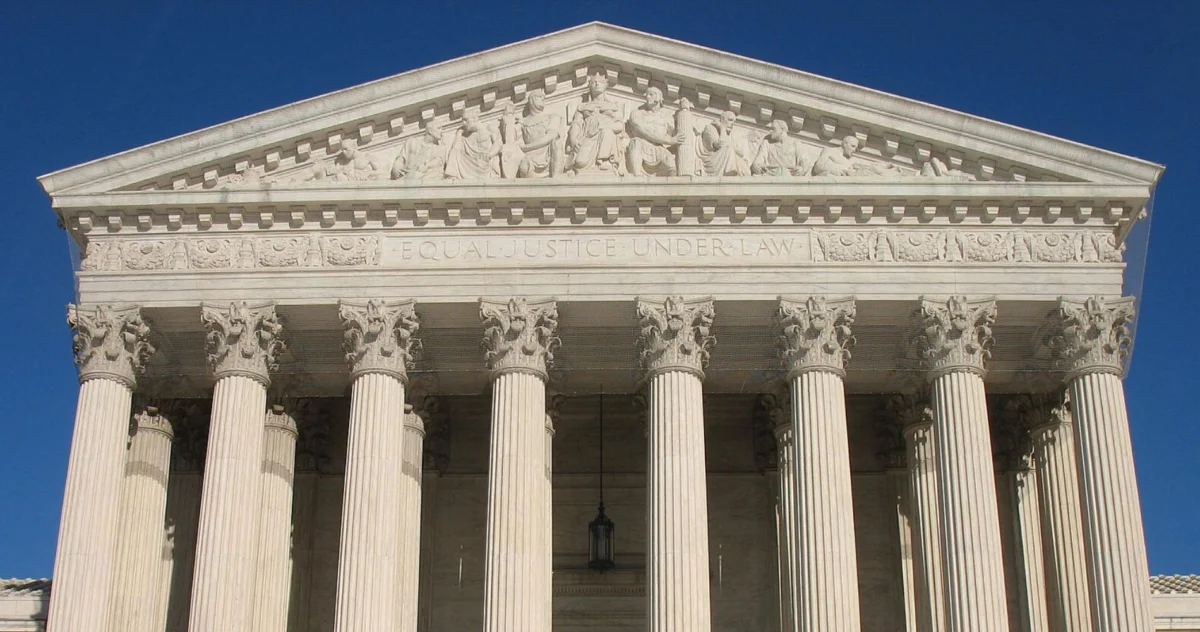
The Eleventh Circuit’s decision was rooted in the "overwhelming evidence" presented in the record, which demonstrated that the prosecutor’s racially discriminatory strikes violated Mr. Sockwell’s rights under the Equal Protection Clause of the Fourteenth Amendment. This clause guarantees that no state shall "deny to any person within its jurisdiction the equal protection of the laws," a principle that extends directly to the fair and impartial selection of juries. The court unequivocally stated, "Equal justice under law requires a criminal trial free of racial discrimination in the jury selection process." The subsequent refusal of the U.S. Supreme Court to review this decision sends a clear message that the federal judiciary will not tolerate such constitutional infringements. While a denial of certiorari (the request for review) does not necessarily constitute an endorsement of the lower court’s reasoning, in high-profile cases like this, it often signals that the Supreme Court finds no compelling reason to intervene, effectively allowing the lower court’s judgment to stand as the final word.
Broader Context: Racial Bias and the Death Penalty in Alabama
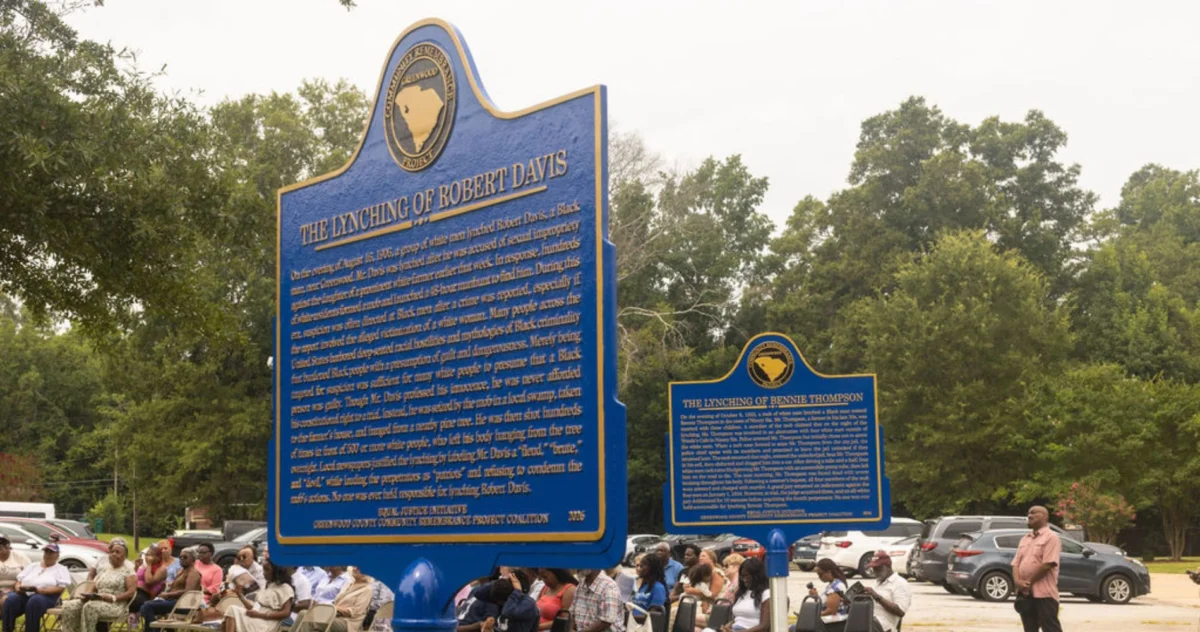
Michael Sockwell’s case is a stark reminder of the deep-seated issues of racial bias that have historically plagued the criminal justice system, particularly in Alabama and other Southern states. The practice of racially motivated jury strikes, often referred to as "striking Black jurors" or "Batson violations," has been a persistent challenge for civil rights advocates. Studies have consistently shown that prosecutors, particularly in capital cases, disproportionately strike Black prospective jurors, even when race-neutral explanations are ostensibly offered. For example, research by the Equal Justice Initiative (EJI), which has been involved in many similar cases in Alabama, has documented pervasive patterns of racial discrimination in jury selection throughout the state’s history. EJI’s reports have highlighted instances where prosecutors were explicitly trained to disguise racial discrimination in jury selection with pretextual reasons.
The issue of judicial override further complicates Alabama’s death penalty history. Prior to its abolition in 2017, Alabama was the only state that allowed judges to override a jury’s life verdict to impose a death sentence. This practice was overwhelmingly applied to Black defendants, and judges often overrode jury recommendations of life in cases involving white victims and Black defendants, leading to disproportionate death sentences. The fact that Sockwell’s death sentence resulted from such an override, combined with the racial bias in jury selection, underscores a confluence of systemic injustices. Between 1976 and 2017, Alabama judges overrode jury life verdicts to impose death sentences in at least 101 cases, making it the highest number of overrides per capita in the nation. This practice disproportionately impacted Black defendants, who were often subject to judicial override at a higher rate than white defendants.
Implications and the Path Forward
The Supreme Court’s decision, by upholding the Eleventh Circuit’s grant of a new trial, has several profound implications:
- For Michael Sockwell: After 36 years on death row, Michael Sockwell now has the opportunity to face a new jury, free from the racial bias that tainted his original trial. This represents a monumental chance for justice, though it cannot erase the decades of confinement and uncertainty he has endured. The federal judge’s directive for a new trial by March 18 or release places immediate pressure on the Montgomery County District Attorney’s office.
- For the Alabama Justice System: This case serves as a critical rebuke of past prosecutorial practices in Alabama and a reminder of the ongoing need for vigilance against racial discrimination in the courts. It reaffirms the federal judiciary’s role in safeguarding constitutional rights when state systems fail. While Alabama has made some strides, such as abolishing judge override, this case highlights that the legacy of past injustices continues to demand redress.
- For Legal Precedent: The reaffirmation of the Eleventh Circuit’s robust application of Batson principles sends a strong message to prosecutors nationwide about the serious consequences of racially motivated jury strikes. It reinforces the idea that federal courts will scrutinize such practices closely, especially in capital cases.
- For Victims’ Families: While the focus is on Michael Sockwell’s right to a fair trial, the reopening of this case after decades inevitably reopens painful wounds for the family of the slain deputy. The justice system must navigate the pursuit of justice for the defendant while acknowledging the enduring impact on victims.
- For Public Trust: Cases like Sockwell’s, which expose systemic flaws and racial bias, can erode public trust in the justice system. Conversely, the federal courts’ intervention and the eventual grant of a new trial can, over time, help restore faith that constitutional protections are enforced, even if belatedly.
The Montgomery County District Attorney’s office has stated its intention to retry the case. This means Michael Sockwell, now in his sixties, will once again face the legal process that condemned him decades ago. The upcoming trial will be closely watched by legal observers and civil rights advocates, not just for its outcome but as a measure of how far the justice system has truly progressed in upholding the principle of "equal justice under law." The fight against racial discrimination in jury selection and the broader criminal justice system remains a crucial and ongoing endeavor.