The 2024 general election campaign in Ireland has entered a critical phase, prompting Age Action, the nation’s leading advocacy organization for older people, to issue a formal challenge to all political parties and candidates. As the first weeks of the campaign unfold, the organization is demanding transparent and actionable strategies to address the specific needs of the aging population, uphold equality, and dismantle the systemic ageism that persists within public policy and societal structures. The call for clarity comes at a time when older citizens express a growing sense of marginalization, citing a lack of substantive political discourse regarding the issues that impact their daily lives.
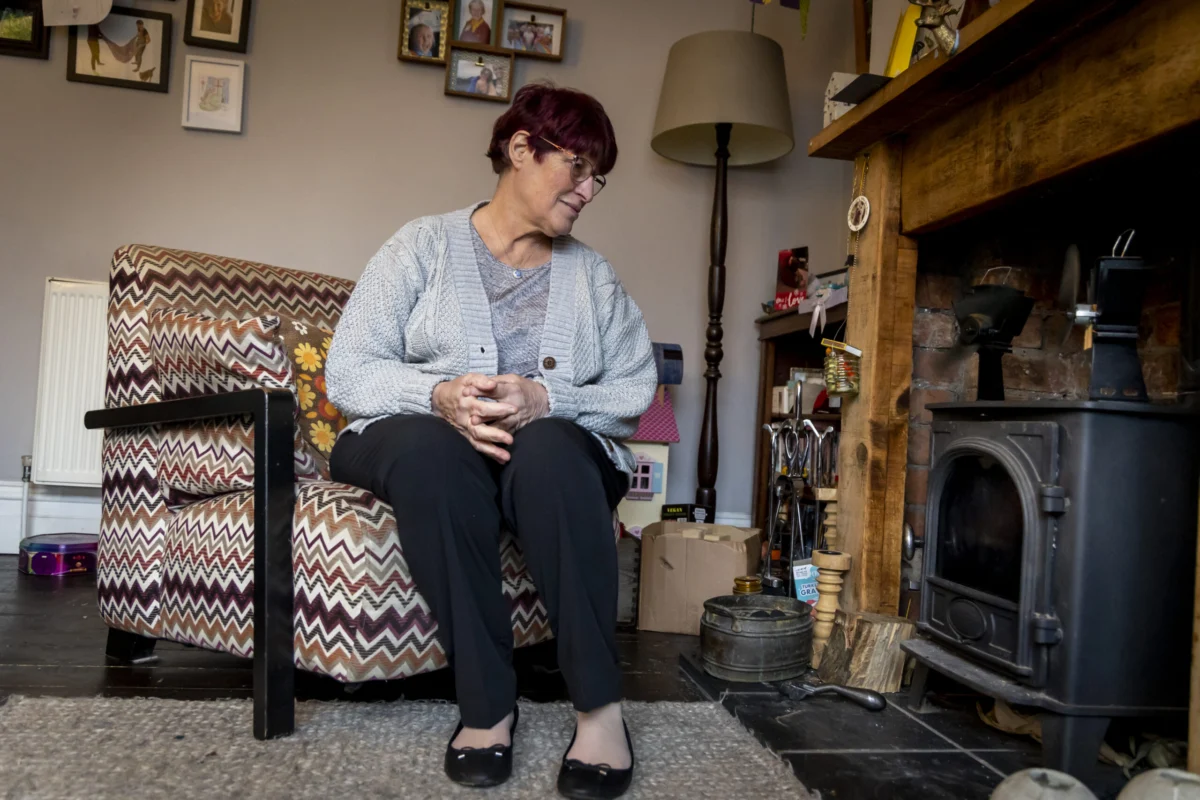
Dr. Nat O’Connor, Senior Policy Adviser at Age Action, has highlighted a significant disconnect between the demographic weight of older voters and the attention they receive in party manifestos. According to Dr. O’Connor, nearly one in three voters in the upcoming election will be aged 60 or older. Despite this significant electoral influence, feedback from the community suggests that older people feel their concerns are being sidelined. The sentiment among this cohort is one of being undervalued, with many reporting to Age Action that they do not believe politicians take sufficient notice of their demographic or accord them the respect they deserve as active participants in civil society.
The Demographic Shift and the Requirement for Long-Term Planning
The scale of the demographic transition facing Ireland is unprecedented. Currently, there are over one million people aged 60 or older living in the state, a figure that includes approximately 185,000 individuals aged 80 or older. Projections indicate that this trend will accelerate sharply over the coming decades. Within twenty years, the number of older people in Ireland is expected to nearly double. This shift will result in a significantly higher proportion of the population reaching advanced old age, a stage of life often associated with increased requirements for specialized health and social care, as well as specific infrastructure needs in housing and public transport.
Age Action argues that the current political landscape lacks a cohesive, long-term vision to manage this transition. While short-term budgetary measures often include "one-off" payments to pensioners, these are viewed by advocates as sticking-plaster solutions that fail to address the structural changes required for a sustainable aging society. The organization emphasizes that the failure to plan for a population where the number of over-65s will eventually exceed the number of children is a major concern not only for current seniors but for every citizen who will eventually age into this demographic.
Economic Hardship and the Adequacy of the State Pension
One of the primary concerns raised by older people in the lead-up to the 2024 election is the increasing difficulty of maintaining a basic standard of living on the State Pension. Ireland’s recent period of high inflation, particularly in the sectors of energy and food, has disproportionately affected those on fixed incomes. Age Action has consistently advocated for the "benchmarking" of the State Pension, a process that would link the weekly payment to a percentage of average earnings or a calculated "Minimum Essential Standard of Living" (MESL).
Data from the Vincentian Foundation for Social Justice has frequently shown that older people living alone are at a higher risk of poverty. The lack of a clear commitment from political parties to establish a permanent benchmarking mechanism leaves many older voters feeling financially insecure. The frustration expressed to Age Action centers on the fact that while the Irish economy has shown resilience and growth, the primary social safety net for the elderly has not kept pace with the actual cost of living, leading to what many describe as a struggle to "make ends meet."
The Digital Divide and Access to Essential Services
Beyond financial concerns, the rapid digitalization of public and private services has emerged as a significant barrier to equality for older people. Age Action reports a high level of frustration regarding the "digital by default" approach adopted by government departments, banks, and utility companies. While digital transformation offers efficiencies for providers, it often excludes a substantial portion of the older population who may lack digital literacy, reliable internet access, or the necessary hardware.
The closure of physical bank branches and the removal of over-the-counter services in various sectors have forced many older individuals into online environments they find difficult to navigate. This trend is often perceived as a form of systemic ageism, where the needs of those who prefer or require traditional communication and transaction methods are ignored. Age Action is calling for a "mandatory offline option" for all essential services, ensuring that the right to access healthcare, banking, and social welfare is not contingent upon digital proficiency.
Chronology of Advocacy and Political Context
The current demands from Age Action are the culmination of a multi-year advocacy strategy that has intensified as the 2024 general election approached.
- 2022–2023: Age Action and other NGOs began a concerted effort to highlight the inadequacy of the €12 increases in the state pension during successive budgets, arguing that they represented a real-terms cut when adjusted for inflation.
- Early 2024: The organization launched a series of regional consultations, gathering direct testimony from older people across Ireland. These testimonies formed the basis of the "Ten Asks" for the general election.
- September 2024: Following the announcement of Budget 2025, Age Action criticized the reliance on one-off payments rather than structural increases to core welfare rates, setting the stage for their election campaign.
- November 2024: With the election campaign officially underway, Age Action transitioned to a direct challenge format, demanding that candidates move beyond platitudes and provide specific policy details.
Housing, Healthcare, and the Right to Age at Home
The intersecting crises of housing and healthcare are felt acutely by the aging population. In terms of healthcare, the primary issue remains the accessibility and funding of home care packages. There is currently no statutory right to home care in Ireland, meaning that many older people remain in hospital settings longer than necessary or are forced into long-term residential care because they cannot access the support needed to live independently in their own homes.
In the realm of housing, there is a distinct lack of "rightsizing" options. Many older people live in large family homes that they find difficult to maintain or heat, yet they are unable to move because of a shortage of smaller, accessible, and age-friendly housing units within their own communities. Age Action posits that a national strategy for rightsizing would not only benefit older people but would also free up larger homes for younger families, addressing two aspects of the housing crisis simultaneously.
Proposed Policy Framework: The Ten Asks
While the original statement mentions ten specific asks, these are rooted in a broader philosophy of rights-based policy. Based on Age Action’s ongoing advocacy, these priorities likely include:
- Pension Benchmarking: Legally linking the State Pension to 34% of average weekly earnings.
- Statutory Home Care: Enacting legislation to ensure every older person has a legal right to home care services.
- An Independent Commissioner: Establishing a Commissioner for Older People to protect rights and investigate ageism.
- Digital Inclusion: Guaranteeing the right to offline access to all public and essential private services.
- Fuel Poverty Eradication: Expanding the Fuel Allowance and retrofitting homes specifically for low-income older households.
- Accessible Transport: Increasing investment in rural transport links and ensuring all public transport is fully accessible.
- Right to Work: Abolishing mandatory retirement ages in all employment contracts.
- Healthcare Reform: Implementing the Sláintecare model to reduce waiting lists for age-related procedures like cataract surgeries and hip replacements.
- Housing Adaptation: Increasing the budget for Housing Adaptation Grants and simplifying the application process.
- Combatting Ageism: Launching a national awareness campaign to challenge stereotypes and promote the value of older people in society.
Analysis of Implications and Future Outlook
The outcome of the 2024 general election will have profound implications for how Ireland prepares for its aging demographic. If political parties fail to integrate long-term aging strategies into their programs for government, the state risks a future of overwhelmed healthcare systems and increased rates of elderly poverty. Conversely, a proactive approach that views the aging population as a "longevity dividend" rather than a "demographic burden" could lead to more resilient communities and a more equitable society.
The "Silver Vote" is not a monolithic block, yet the shared experiences of digital exclusion and financial pressure on fixed incomes have created a unified front of concern. For the political parties—Fianna Fáil, Fine Gael, Sinn Féin, and others—the challenge lies in demonstrating that they are capable of thinking beyond the five-year electoral cycle. As Dr. O’Connor concluded, the diversity of the older population must be reflected in policy. Older people are workers, caregivers, volunteers, and taxpayers. They are a diverse group with varying needs, and the party that successfully articulates a vision for a "rights-based" approach to aging may find itself with a significant advantage at the polls.
Ultimately, Age Action’s intervention serves as a reminder that the quality of a democracy can be measured by how it treats its most senior citizens. By calling for a new approach to aging policy, the organization is not merely asking for favors for one group; it is advocating for a structural shift that will benefit every citizen in the decades to come. The responsibility now lies with the candidates to respond with concrete plans rather than vague promises.