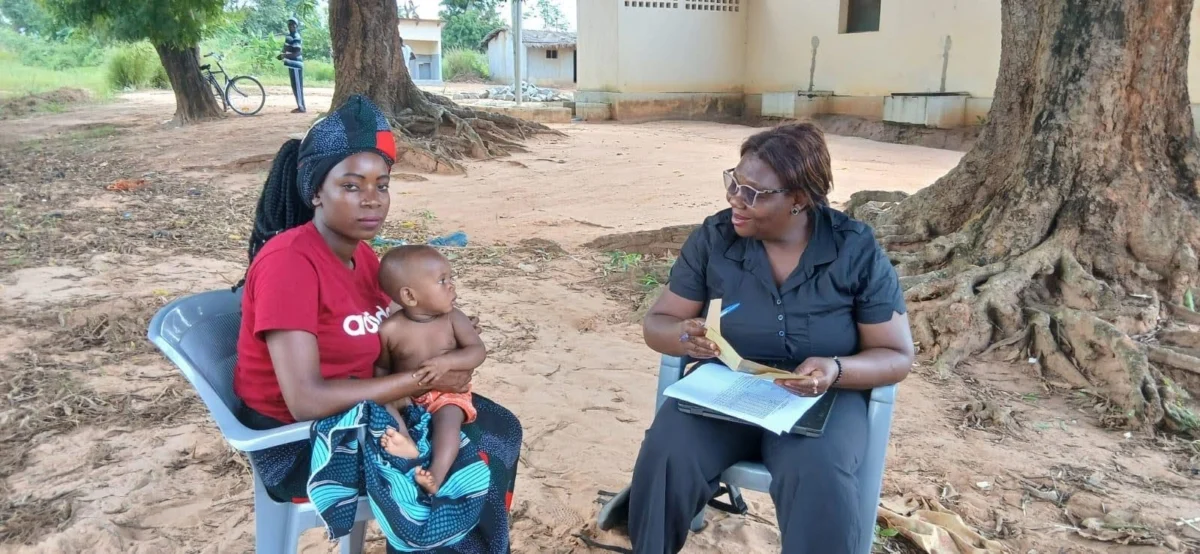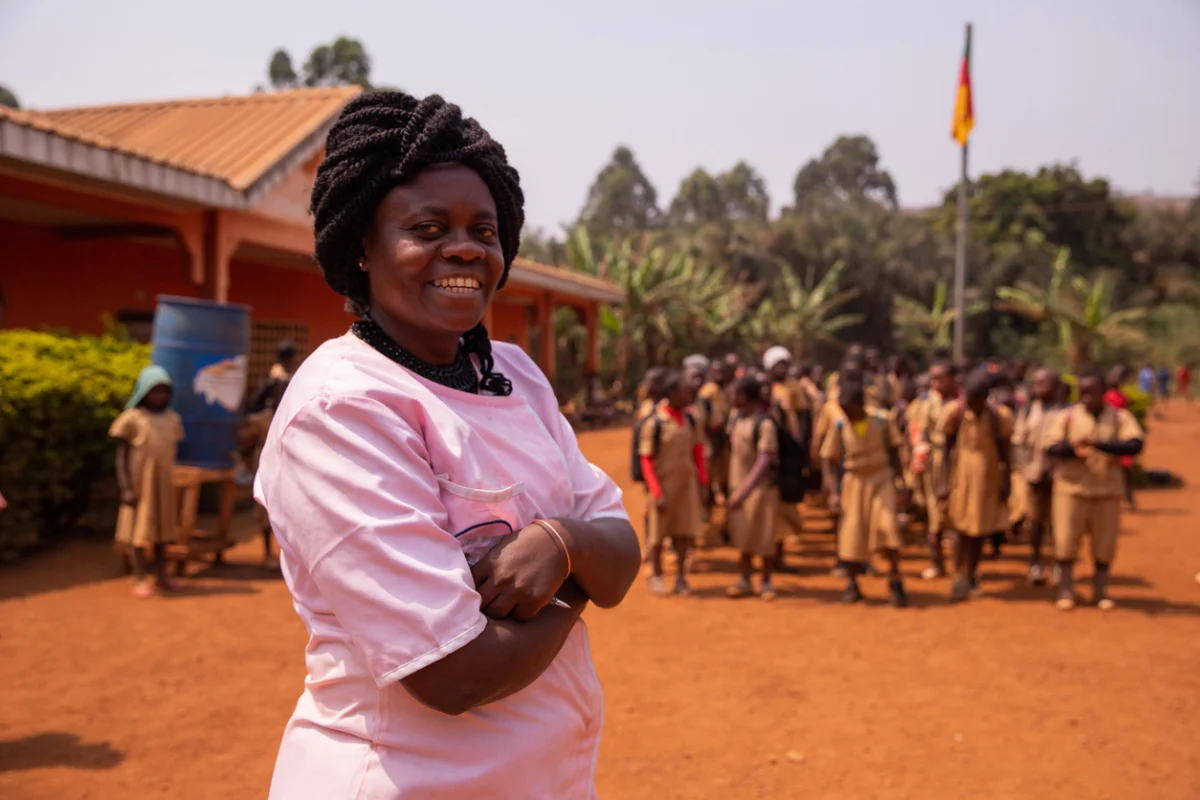
The Government of Mozambique’s National Youth Institute (Instituto Nacional da Juventude) has officially awarded World Education, an initiative of JSI, the Technical Assistance and Training Activity for the Eu Sou Capaz (I Am Capable) program. This strategic partnership, supported by the World Bank, forms a critical component of the broader Empowering Adolescent Girls to Earn and Read (EAGER) vision. Spanning across Mozambique, Zimbabwe, and Madagascar, the EAGER framework is a multi-national effort designed to address the systemic educational and economic disparities facing young women in Southern Africa. The Eu Sou Capaz activity specifically aims to scale government-led interventions that target the complex social, economic, and behavioral factors driving high school dropout rates among adolescent girls in Mozambique.
By securing this award, World Education will provide the technical expertise necessary to refine and expand the Mozambican government’s existing efforts. The primary focus of the partnership is twofold: first, to increase the retention and re-enrollment of girls in upper primary and secondary education, and second, to equip these young women with essential life skills that facilitate a successful transition into adulthood and the labor market. This initiative comes at a pivotal moment for Mozambique, as the nation seeks to leverage its youthful demographic for long-term economic stability and social development.
The Strategic Framework of the EAGER Vision
The Eu Sou Capaz program does not operate in isolation; it is a pillar of the World Bank’s EAGER project, which was launched to address the specific vulnerabilities of adolescent girls in the East and Southern Africa (AFE) region. The World Bank has identified Mozambique as a priority area due to the significant challenges girls face in completing their education. In many rural provinces, the transition from primary to secondary school remains a precarious period where the risk of dropout increases exponentially.
The EAGER vision is built on the premise that educating girls provides one of the highest returns on investment for developing nations. According to global development data, every additional year of secondary schooling can increase a woman’s future earning potential by up to 20 percent. Furthermore, educated mothers are more likely to send their own children to school and seek medical care, creating a virtuous cycle of development. By integrating Mozambique into this regional strategy, the National Youth Institute is aligning national policy with international best practices for gender equity and human capital development.
Addressing the Root Causes of Educational Attrition
The challenges facing Mozambican girls are multifaceted, ranging from economic hardship to deeply ingrained cultural norms. In many communities, the "invisible barriers" mentioned by project leadership include the expectation of early marriage, the burden of domestic labor, and the lack of menstrual hygiene management facilities in schools.
World Education’s approach to Eu Sou Capaz focuses on addressing these root causes through a comprehensive Social and Behavior Change (SBC) strategy. This involves not only providing material support—such as school supplies and uniforms—but also engaging in community mobilization to shift the narrative around the value of girls’ education. By using human-centered design (HCD), the project ensures that interventions are not top-down mandates but are instead co-created with the girls and communities they are intended to serve. This ensures that the redesign of systems remains grounded in the actual lived realities of students in provinces like Sofala, Nampula, and Zambezia.
One of the most significant hurdles identified by the program is the prevalence of teenage pregnancy and gender-based violence (GBV). These issues are often the primary drivers of school exit. Eu Sou Capaz seeks to mitigate these risks by implementing transformative life-skills education that covers reproductive health rights, financial literacy, and self-advocacy. By empowering girls with knowledge and confidence, the program aims to reduce the incidence of early pregnancy and provide a safety net for those who have already left the school system.
The Role of Community Leadership and Local Mapping
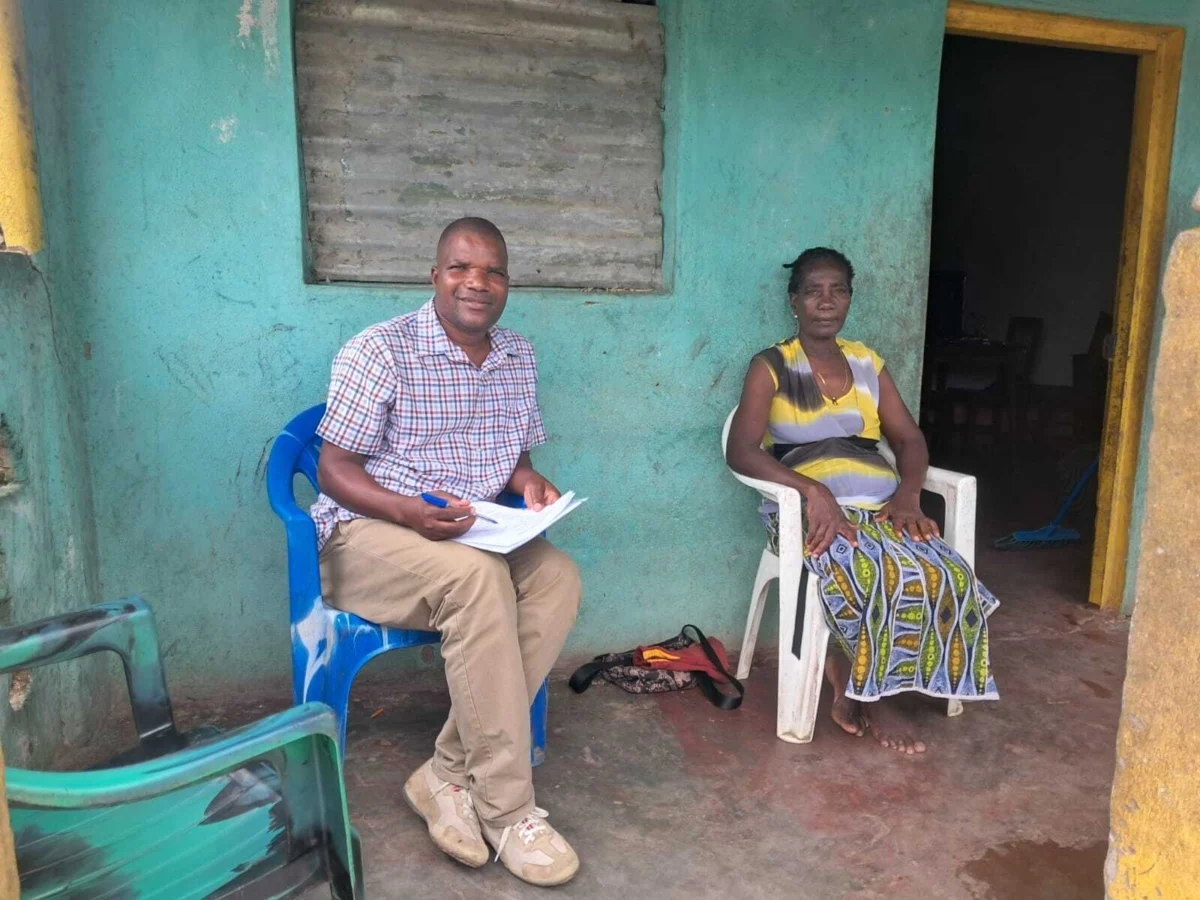
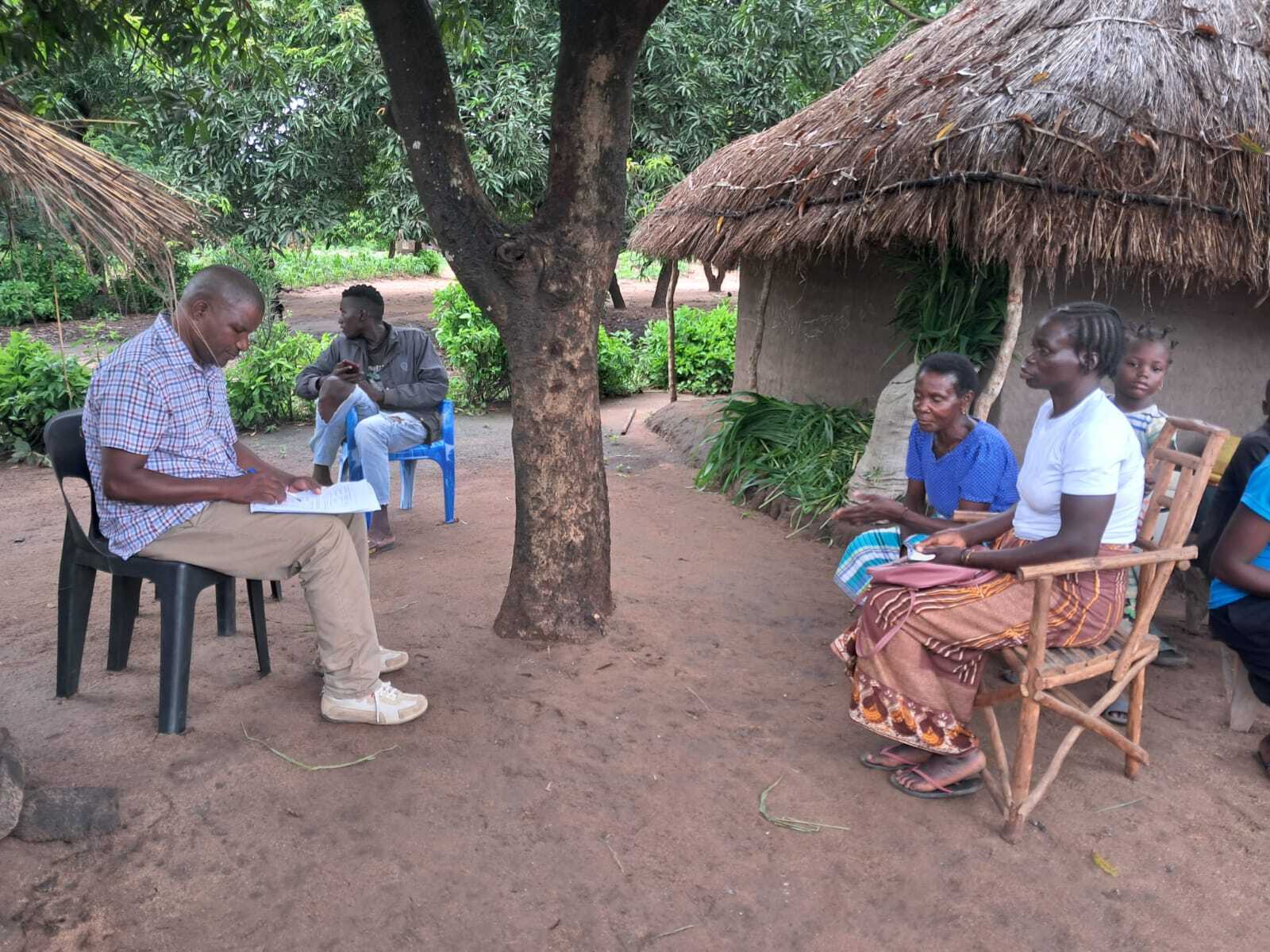
A cornerstone of the current implementation phase is the use of the Community Leader Mapping Tool. Recently piloted in the Sofala Province, this tool allows program officers like Alberto Domingos to conduct intensive, one-on-one interviews with community leaders. These leaders—including traditional chiefs, religious figures, and local administrative officials—are the gatekeepers of social norms.
The mapping process serves several functions. First, it identifies specific households where girls are at high risk of dropping out or have already left school. Second, it assesses the local availability of support services, such as health clinics and protection committees. Finally, it builds a network of local champions who can advocate for the program within their own communities. During the pilot phase in Sofala, the data collected through these interviews provided a granular look at how regional variations in culture and economy affect school attendance. This data-driven approach ensures that the technical assistance provided by World Education is not a "one-size-fits-all" model but is instead responsive to the specific nuances of each district.
Technical Assistance and Capacity Building
As the technical assistance lead, World Education is tasked with strengthening the institutional capacity of the National Youth Institute. This involves training government staff at the central, provincial, and district levels to manage and monitor the Eu Sou Capaz interventions effectively. The goal is to create a sustainable government-led system that can continue to function long after the current funding cycle concludes.
Obert Darara, World Education’s Country Lead in Mozambique for JSI, emphasized that the project’s success depends on systemic change. "Eu Sou Capaz is about more than access—it is about removing the invisible barriers that stop girls from thriving," Darara stated. "By integrating social and behavior change with human-centered design, we are supporting the National Youth Institute to redesign systems around girls’ realities, ensuring enrollment leads to achievement."
The technical assistance also extends to the development of robust Monitoring, Evaluation, and Learning (MEL) frameworks. By utilizing digital data collection and real-time reporting, the project can quickly identify bottlenecks in the distribution of material support or gaps in the delivery of life-skills training. This allows for iterative improvements to the program, ensuring that resources are allocated where they are most needed.
Supporting Data and Socio-Economic Context
The urgency of the Eu Sou Capaz initiative is underscored by current socio-economic indicators in Mozambique. According to recent national statistics, Mozambique has one of the highest rates of early marriage in the world, with nearly 48 percent of girls married before the age of 18. This trend is closely linked to poverty; in many cases, early marriage is seen as a survival strategy for families facing economic instability.
Furthermore, the gender gap in secondary school completion remains a significant concern. While primary school enrollment has seen steady increases over the last decade, the survival rate to the end of secondary school for girls remains low. Educational experts point to the "triple burden" faced by adolescent girls: the pressure to contribute to household income, the lack of safety during long commutes to school, and the absence of female role models in professional sectors.
World Education brings over 15 years of regional experience to this challenge. Their previous interventions in Southern Africa have demonstrated that when girls are provided with a combination of material support and life-skills training, their likelihood of staying in school increases by over 30 percent. In past projects, World Education has successfully reached hundreds of thousands of learners, trained thousands of teachers in gender-sensitive pedagogy, and established community-based monitoring systems that have significantly reduced absenteeism.
Timeline and Future Implications
The rollout of the Eu Sou Capaz Technical Assistance and Training Activity is structured over a multi-year timeline designed for maximum scalability. Following the successful pilot of mapping tools and community engagement strategies in early 2026, the program is set to expand its reach to additional provinces throughout the year. The initial phase focuses on refining the training modules for community leaders and establishing the logistics for material distribution.
By the end of the first year of the current award, the National Youth Institute expects to have a fully operational training framework that can be deployed nationwide. The mid-term goal is to see a measurable decrease in dropout rates among the target cohort of adolescent girls and an increase in the number of girls transitioning from primary to secondary education.
The implications of this project extend far beyond the classroom. By keeping girls in school and delaying marriage and childbirth, the Eu Sou Capaz program is directly contributing to Mozambique’s national development goals. A more educated female workforce is essential for the country’s diversification of its economy and the reduction of intergenerational poverty.
Collaborative Efforts for Long-Term Impact
The success of Eu Sou Capaz relies on a broad coalition of partners. While World Education provides the technical lead and the National Youth Institute provides the governmental mandate, the World Bank’s financial backing ensures the project has the necessary resources to reach remote areas. Additionally, local NGOs and civil society organizations are expected to play a role in the day-to-day implementation of community-level activities.
World Education’s commitment to fostering enduring partnerships is a hallmark of its operational philosophy. By working across sectors—education, health, and economic development—the organization aims to create a holistic environment where adolescent girls can succeed. The integration of JSI’s expertise in public health with World Education’s pedagogical experience allows for a unique approach that addresses the health-related barriers to education, such as reproductive health and nutrition.
As the program moves forward, the focus will remain on sustainability. The ultimate objective is to transition the Eu Sou Capaz model into a permanent fixture of the Mozambican education system, ensuring that every girl in the country, regardless of her socio-economic background, has the opportunity to say, "Eu Sou Capaz"—I am capable. Through rigorous data analysis, community engagement, and government partnership, this initiative is poised to redefine the future for a generation of young Mozambican women.