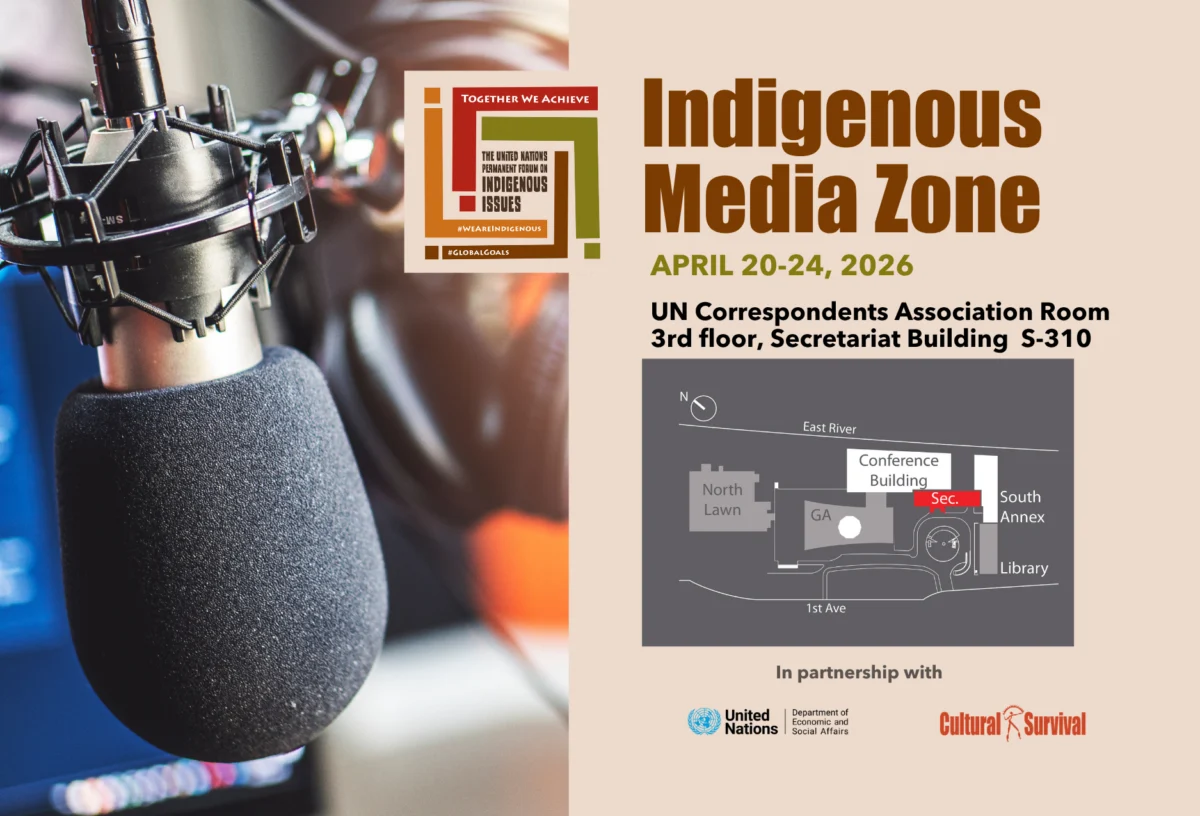
New York, NY – From April 20 to May 1, 2026, the United Nations Headquarters in New York will host the 25th session of the United Nations Permanent Forum on Indigenous Issues (UNPFII). This pivotal annual gathering, the third-largest meeting held at UN Headquarters, is set to convene over 2,000 delegates representing Indigenous Peoples worldwide, alongside Member States, United Nations agencies, and other key stakeholders. The forum provides a crucial platform for dialogue, policy development, and the amplification of issues affecting Indigenous communities globally, offering an unparalleled opportunity for media to report on these critical concerns.
This year’s session is particularly significant as it will focus on the theme, "Ensuring Indigenous Peoples’ health, including in the context of conflict." This theme underscores the urgent and interconnected challenges faced by Indigenous communities, where health outcomes are frequently exacerbated by ongoing conflicts, displacement, and the erosion of traditional practices and territories. The UNPFII serves as a vital mechanism for addressing these complex issues, fostering understanding, and advocating for the rights and well-being of Indigenous Peoples.
Indigenous Media Zone to Amplify Voices and Perspectives
In recognition of the indispensable role of media in shaping public discourse and fostering accountability, the Secretariat of the Permanent Forum (SPFII) and the Department of Global Communications (DGC), in partnership with Cultural Survival, are jointly organizing an Indigenous Media Zone. This dedicated space will operate during the first week of the UNPFII, from April 20 to April 24, 2026.
The Indigenous Media Zone is designed to empower Indigenous media practitioners, journalists, and platforms to report on the proceedings of the UNPFII through their unique worldviews, perspectives, and languages. This initiative aims to ensure that the narratives surrounding Indigenous issues are authentically represented, moving beyond mainstream media portrayals that can often be incomplete or misconstrued. The zone will provide a collaborative environment where Indigenous journalists can share stories, conduct interviews, and host events that directly address the session’s overarching theme.
Rosy Sul González (Maya Kaqchikel), Indigenous Rights Radio Program Manager at Cultural Survival, highlighted the significance of this initiative. "Indigenous community media use their power to bring and amplify the voices of communities to make visible their struggles, demands, achievements, and challenges," González stated. "The Media Zone at the United Nations Permanent Forum helps Indigenous community media and communities use this power." This sentiment is echoed by Shaldon Ferris (Khoisan), Cultural Survival Indigenous Rights Radio Coordinator, who will also serve as a host at the Media Zone. Ferris remarked, "In a world where mainstream reporting easily misconstrues Indigenous worldviews, the IMZ offers a space where our stories are told, by the people, for the people."
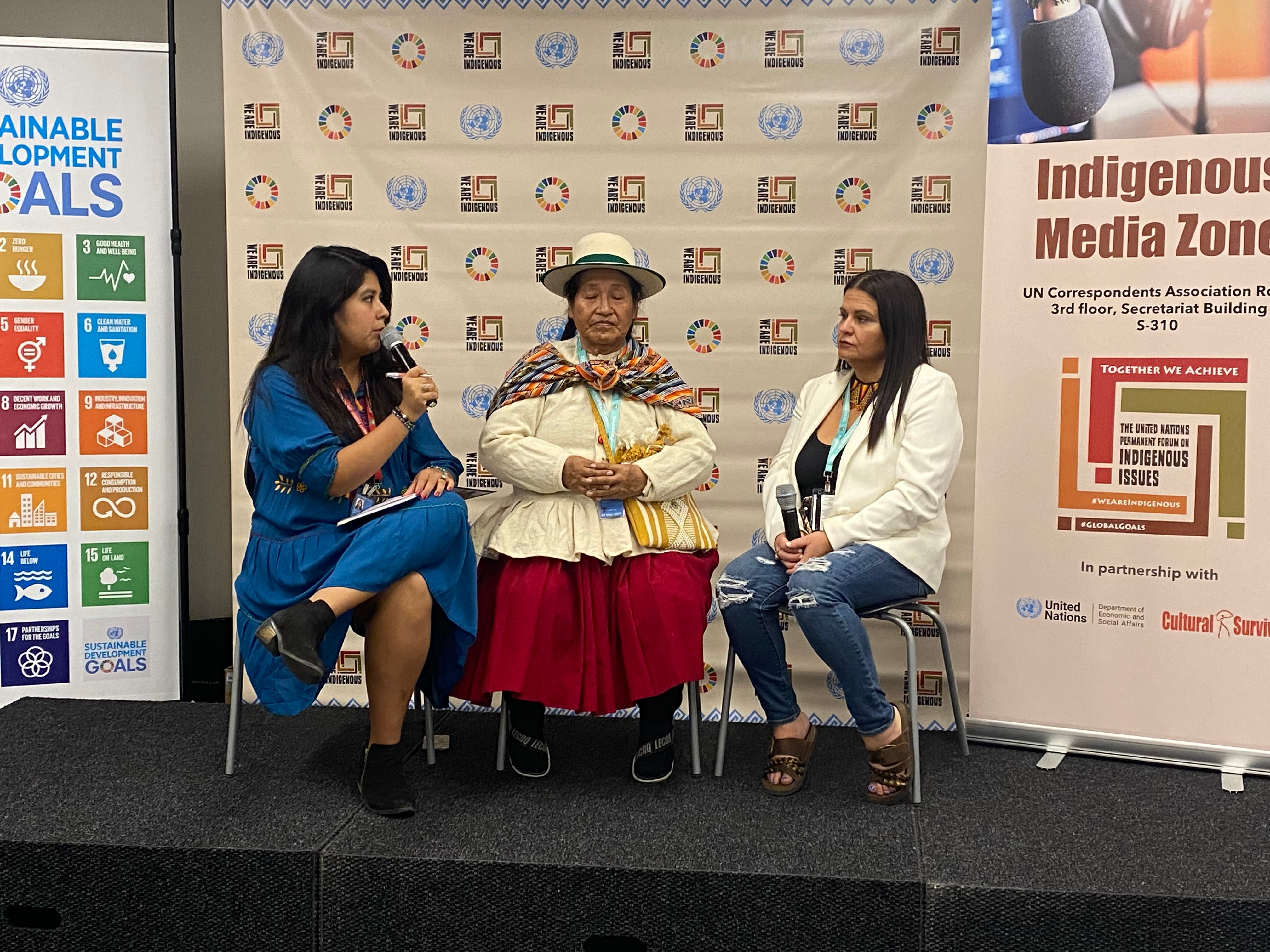
Furthermore, in alignment with the United Nations International Decade of Indigenous Languages (2022-2032), the Indigenous Media Zone will actively promote the use and participation of Indigenous media practitioners working in a diverse array of Indigenous languages from various regions. This commitment to linguistic diversity is crucial for preserving cultural heritage and ensuring that Indigenous Peoples can communicate their experiences and aspirations in their own tongues.
Location and Operational Details
The Indigenous Media Zone will be strategically located in the UN Correspondents Association Room, situated on the 3rd floor of the Secretariat building, Room S-310. It will be open from Monday to Friday, April 20-24, 2026, between the hours of 9:00 am and 6:00 pm EST. Notably, on the opening day, Monday, April 20, the zone will commence operations from 2:00 pm to 6:00 pm EST.
The zone will offer a conducive working environment equipped with essential amenities, including reliable WiFi connectivity and a live stream of all official proceedings occurring within the UN during the 25th Session of the Permanent Forum. This setup will facilitate seamless reporting and live coverage for Indigenous media, while also fostering opportunities for interaction and collaboration with non-Indigenous media representatives.
Background and Significance of the UNPFII
The United Nations Permanent Forum on Indigenous Issues was established in 2000 by the Economic and Social Council (ECOSOC) of the UN. Its mandate is to provide expert advice and recommendations on Indigenous issues to the UN system, as well as to governments. The Forum is composed of 16 members: eight representing Indigenous Peoples and eight representing governments, all of whom are nominated and elected for three-year terms.
The UNPFII plays a critical role in advancing the UN Declaration on the Rights of Indigenous Peoples (UNDRIP), adopted by the General Assembly in 2007. UNDRIP is a comprehensive international instrument that affirms the collective and individual rights of Indigenous Peoples, including their rights to culture, identity, language, employment, health, and education, and prohibits discrimination against them.
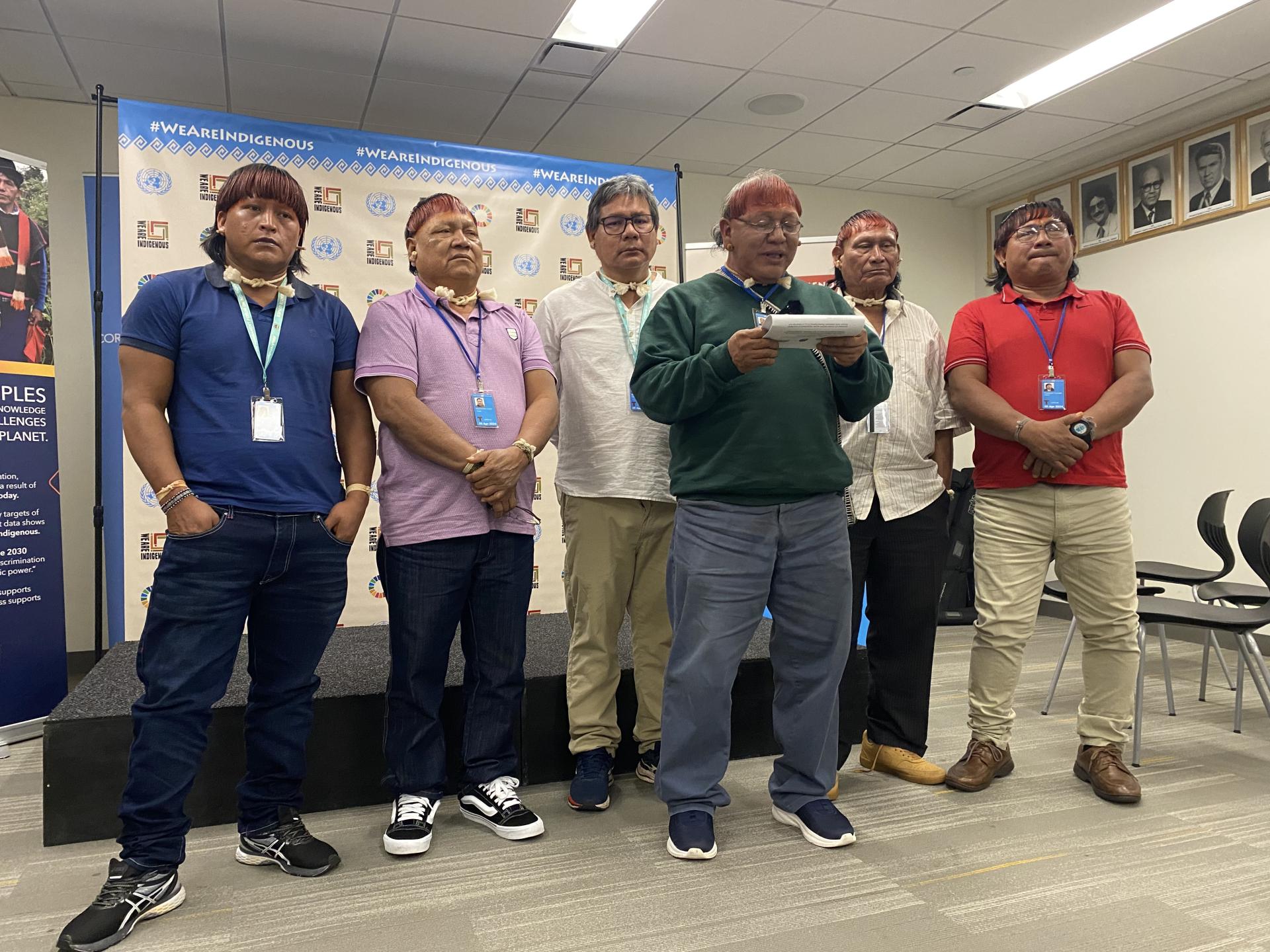
The Forum’s annual sessions serve as a vital platform for Indigenous Peoples to voice their concerns directly to international bodies and to engage in constructive dialogue with Member States on how to implement the principles of UNDRIP. The discussions and recommendations emerging from the UNPFII sessions have influenced national policies and international legal frameworks, contributing to greater recognition and protection of Indigenous rights worldwide.
Focus on Health and Conflict: A Pressing Global Concern
The selection of the theme "Ensuring Indigenous Peoples’ health, including in the context of conflict" for the 25th session highlights a deeply concerning and persistent global reality. Indigenous communities are disproportionately affected by health disparities, which are often exacerbated by the impacts of armed conflict, political instability, and environmental degradation. Factors such as limited access to healthcare services, cultural insensitivity in medical care, displacement from ancestral lands, loss of traditional livelihoods, and increased exposure to violence all contribute to poorer health outcomes for Indigenous Peoples.
According to data from the World Health Organization (WHO), Indigenous Peoples often experience higher rates of chronic diseases, infectious diseases, and mental health issues compared to non-Indigenous populations. The ongoing conflicts in various regions of the world further compound these challenges, leading to increased trauma, displacement, and disruption of essential services, including healthcare. The UNPFII will provide a crucial space for Indigenous leaders, health experts, and policymakers to share best practices, innovative solutions, and advocate for targeted interventions to address these complex health challenges.
The sessions will likely delve into issues such as the impact of conflict on Indigenous women and children, the role of traditional healing practices in post-conflict recovery, and the need for culturally appropriate healthcare services in conflict-affected Indigenous territories. Discussions may also focus on the intersectionality of health with other rights, including the right to land, self-determination, and a healthy environment, all of which are fundamental to the well-being of Indigenous Peoples.
Encouraging Indigenous Participation and Representation
The organization of the Indigenous Media Zone is a testament to the UN’s commitment to enhancing the participation and representation of Indigenous Peoples in international forums. By providing a dedicated space and resources for Indigenous media, the UNPFII aims to ensure that Indigenous narratives are at the forefront of reporting on the session. This initiative not only amplifies Indigenous voices but also promotes media literacy and cross-cultural understanding among a broader audience.
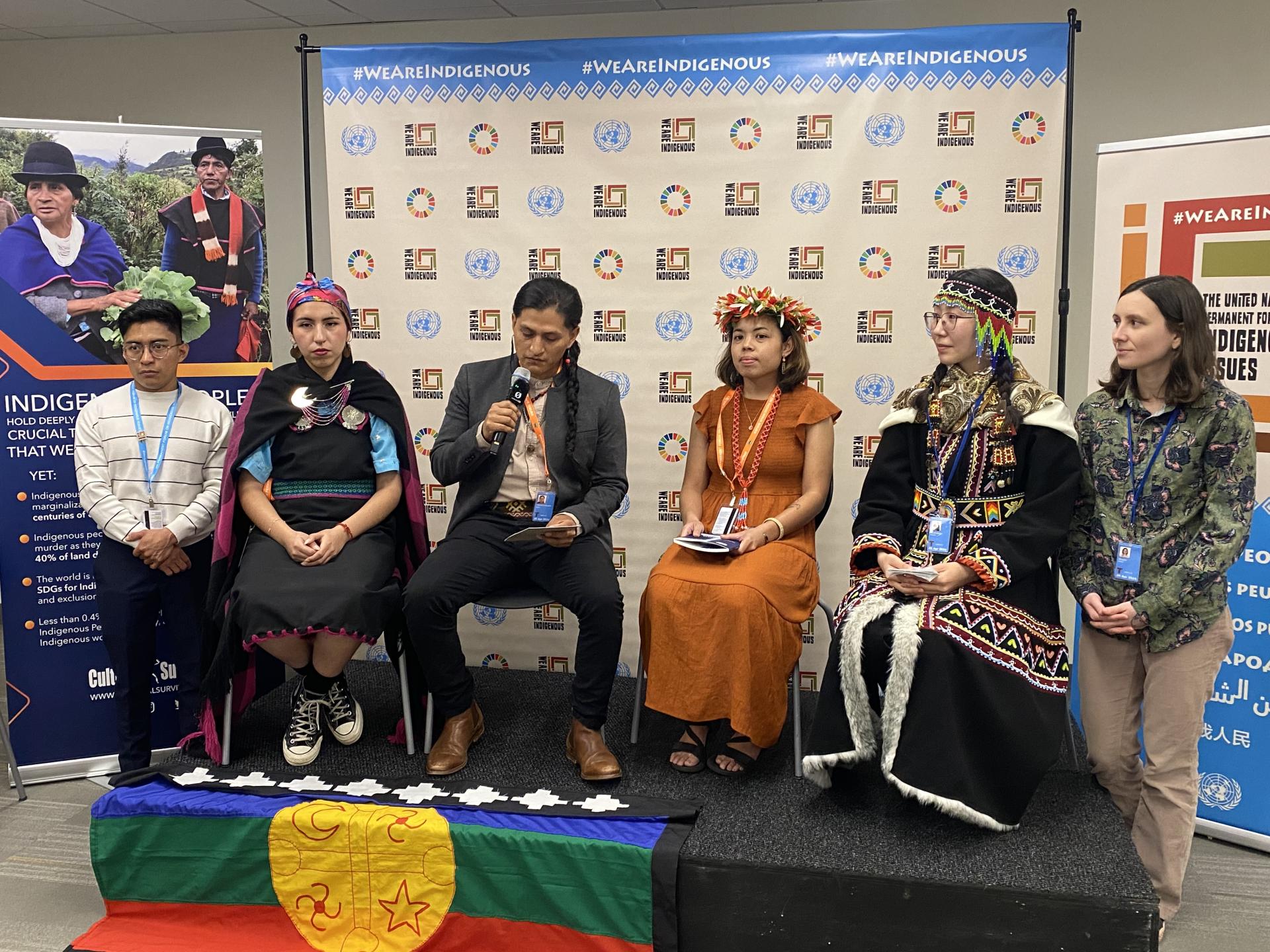
The involvement of Cultural Survival, a respected international organization that advocates for the rights of Indigenous Peoples, further strengthens the impact of the Media Zone. Cultural Survival has a long history of supporting Indigenous media and promoting Indigenous languages through its radio programs and other initiatives. Their partnership in organizing the Media Zone underscores the collaborative approach required to address the multifaceted challenges faced by Indigenous communities.
Future Outlook and Potential Implications
The outcomes of the 25th session of the UNPFII, particularly the discussions and recommendations emanating from the Indigenous Media Zone, are expected to have significant implications for policy development at both national and international levels. The insights shared by Indigenous Peoples and media representatives will inform the work of UN agencies, Member States, and civil society organizations, guiding efforts to promote Indigenous health and well-being, especially in regions affected by conflict.
The amplified media coverage generated through the Indigenous Media Zone will also play a crucial role in raising global awareness about the pressing issues faced by Indigenous Peoples. This increased visibility can foster greater solidarity, support for Indigenous rights advocacy, and the implementation of more effective and culturally sensitive policies and programs. Ultimately, the 25th session of the UNPFII and its accompanying Indigenous Media Zone represent a vital step towards ensuring that the voices and experiences of Indigenous Peoples are heard, understood, and acted upon on the global stage.