Cultural Survival is set to host a significant webinar on April 8, 2026, at 10:27 AM EST, focusing on critical issues surrounding Indigenous Peoples’ rights and their pursuit of self-determination. This event, scheduled for next spring, aims to foster a deeper understanding of the ongoing struggles and triumphs of Indigenous communities globally, highlighting their resilience, cultural preservation efforts, and political agency. The organization, with a rich history dating back to 1972, has consistently championed the rights of Indigenous Peoples, working to support their self-determination, cultural integrity, and political resilience. This upcoming webinar is a testament to their enduring commitment to these foundational principles.
Background and Context of the Webinar
The announcement of this webinar arrives at a pivotal moment for Indigenous Peoples worldwide. In recent years, there has been a heightened global awareness of the systemic challenges faced by Indigenous communities, including land dispossession, environmental degradation, cultural assimilation, and the ongoing impacts of historical injustices. Simultaneously, Indigenous movements have gained significant momentum, advocating for greater recognition of their rights, sovereignty, and the protection of their ancestral territories and natural resources.
Cultural Survival’s mission is deeply rooted in advocating for these very principles. Since its inception, the organization has been at the forefront of supporting Indigenous Peoples in their efforts to maintain their unique identities, languages, and traditions, while also empowering them to navigate the complexities of the modern world and assert their political rights. The webinar is expected to delve into the multifaceted aspects of Indigenous self-determination, examining how communities are reclaiming their narratives, strengthening their governance structures, and advocating for policy changes at local, national, and international levels.
The choice of April 8, 2026, for this event, while seemingly distant, allows for comprehensive preparation and outreach. It suggests that the organizers intend to present a well-researched and thoroughly discussed agenda, potentially incorporating recent developments and ongoing dialogues within Indigenous rights advocacy. The timing may also be strategically chosen to align with significant global Indigenous observances or policy discussions that typically occur in the spring.
Cultural Survival’s Vision and Programmatic Focus
Cultural Survival’s vision is clear: "a future that respects and honors Indigenous Peoples’ inherent rights and dynamic cultures, deeply and richly interwoven in lands, languages, spiritual traditions, and artistic expression, rooted in self-determination and self-governance." This vision serves as the guiding principle for all their initiatives, including this forthcoming webinar. The organization actively supports Indigenous communities through various programs, such as grants for Indigenous-led projects, advocacy for policy changes, and media initiatives that amplify Indigenous voices.
The webinar is likely to draw upon the extensive experience and knowledge gained through these programs. Attendees can anticipate insights into successful strategies employed by Indigenous communities to protect their lands from extractive industries, preserve their languages in the face of globalization, and assert their right to free, prior, and informed consent (FPIC) on development projects affecting their territories. Furthermore, the event may shed light on the critical role of Indigenous youth in leading these movements and ensuring the intergenerational transfer of cultural knowledge and advocacy skills.

Potential Themes and Discussion Points
While specific details of the webinar’s agenda are yet to be released, based on Cultural Survival’s ongoing work, several key themes are highly probable:
- Land Rights and Environmental Justice: Many Indigenous communities are on the front lines of climate change and environmental degradation, often due to unsustainable development practices encroaching on their ancestral lands. The webinar could explore how Indigenous Peoples are using legal and advocacy tools to protect their territories, conserve biodiversity, and demand environmental justice. This could include discussions on land tenure security, the impact of resource extraction, and Indigenous-led conservation initiatives. Data from the UN Permanent Forum on Indigenous Issues (UNPFII) consistently highlights the disproportionate impact of environmental crises on Indigenous communities, underscoring the urgency of these discussions.
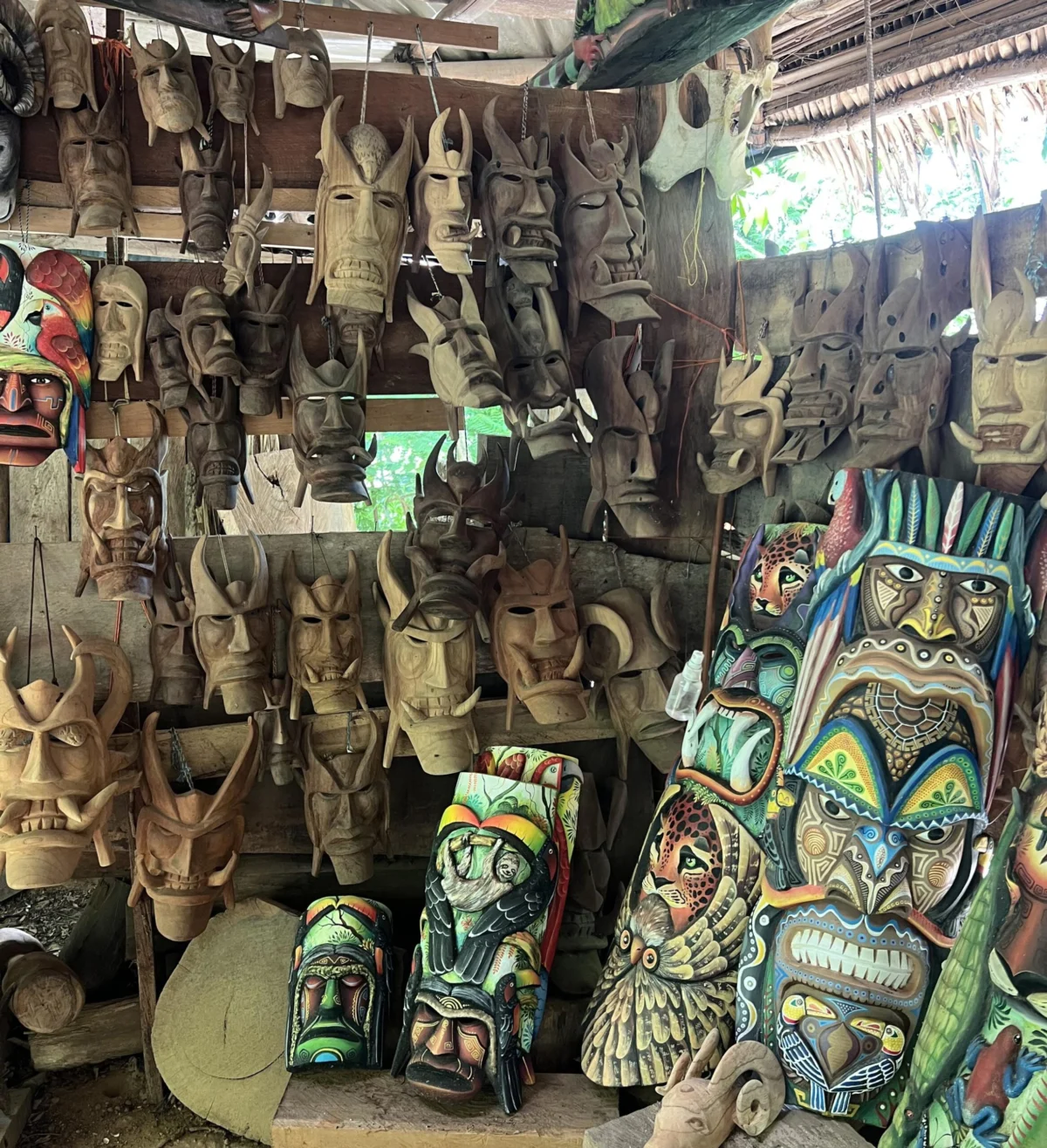
- Cultural Preservation and Revitalization: Indigenous languages, traditions, and knowledge systems are vital components of cultural diversity. The webinar might address the challenges of cultural erosion due to assimilationist policies and globalization, as well as the innovative ways Indigenous communities are working to revitalize their languages, preserve their artistic expressions, and pass on traditional knowledge to younger generations. The UNESCO Atlas of the World’s Languages in Danger, for instance, indicates that a significant percentage of Indigenous languages are critically endangered, making these efforts crucial.
- Self-Governance and Political Empowerment: The pursuit of self-determination inherently involves the right of Indigenous Peoples to govern their own affairs. Discussions could focus on how communities are strengthening their governance structures, advocating for greater political representation, and asserting their sovereignty in accordance with international frameworks such as the UN Declaration on the Rights of Indigenous Peoples (UNDRIP). Examples of successful Indigenous-led governance models and the challenges they face in achieving full autonomy could be presented.
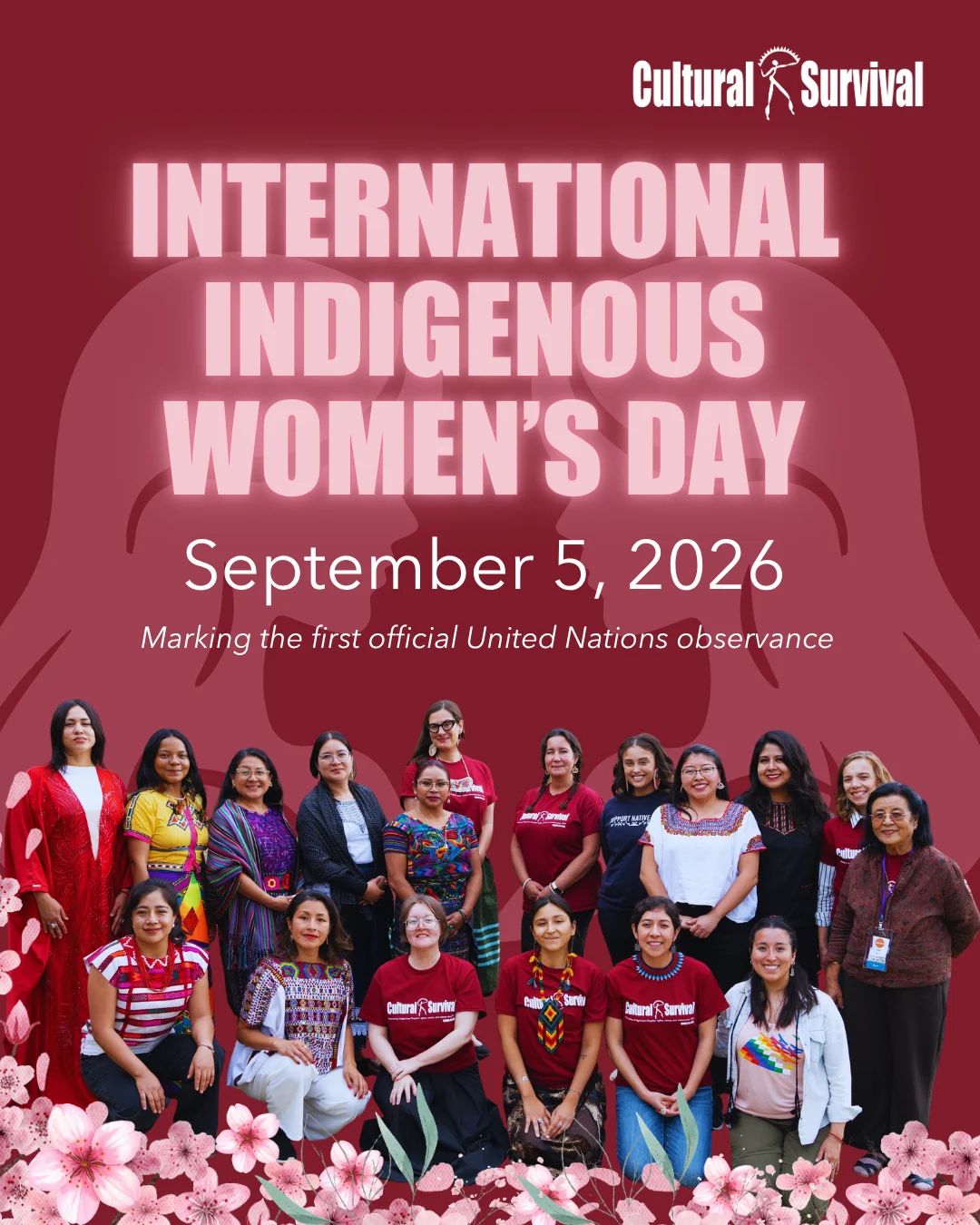
- Indigenous Women’s Leadership: Indigenous women often play a central role in community resilience, cultural transmission, and advocacy. The webinar could highlight their leadership in various movements, addressing issues of gender equality within Indigenous communities and their unique contributions to peacebuilding and sustainable development. Reports from organizations like the UN Women have consistently pointed to the indispensable role of Indigenous women in these spheres.
- Indigenous Digital Activism and Media: In the contemporary landscape, digital platforms and media play an increasingly important role in raising awareness, connecting communities, and amplifying Indigenous voices. The webinar might explore how Indigenous activists and organizations are leveraging these tools for advocacy, storytelling, and the dissemination of information about their rights and struggles.
Supporting Data and Global Context
The urgency and relevance of such a webinar are underscored by a wealth of global data. According to the United Nations, Indigenous Peoples constitute approximately 5% of the world’s population but are disproportionately affected by poverty, discrimination, and violence. They inhabit and manage approximately 20% of the world’s land surface, which contains 80% of the planet’s biodiversity. Despite this critical role in environmental stewardship, their rights to land and resources are frequently violated.
Furthermore, the UNDRIP, adopted by the UN General Assembly in 2007, provides a comprehensive framework for the rights of Indigenous Peoples, including their rights to self-determination, lands, territories, resources, culture, and education. However, the effective implementation of UNDRIP remains a significant challenge in many parts of the world, with ongoing legal battles and political resistance. The webinar will likely address the progress and setbacks in the implementation of this landmark declaration.
Engaging Participants and Future Implications
Cultural Survival’s webinars typically attract a diverse audience, including Indigenous leaders, activists, academics, policymakers, students, and members of the general public interested in human rights and social justice. The organization’s commitment to making its content accessible suggests that this webinar will be a valuable learning opportunity for a broad spectrum of stakeholders.
The implications of this webinar extend beyond immediate knowledge sharing. By bringing together diverse perspectives and highlighting successful strategies, it can:
- Foster Collaboration: Connect Indigenous communities with allies and partners, fostering stronger networks for advocacy and support.
- Inform Policy: Provide policymakers and international bodies with critical insights into the lived realities and aspirations of Indigenous Peoples, potentially influencing future policy development.
- Inspire Action: Empower individuals and organizations to take concrete steps in supporting Indigenous rights and self-determination within their own spheres of influence.
- Amplify Indigenous Voices: Offer a platform for Indigenous Peoples to share their stories, challenges, and solutions directly with a global audience, counteracting dominant narratives and misconceptions.
Call to Action and Staying Informed
Cultural Survival encourages individuals to "Sign up today to stay informed about the latest news, Cultural Survival program updates, events and MORE…" This call to action is crucial for ensuring that those interested can receive timely updates regarding registration, the specific speakers, and the detailed agenda for the April 8, 2026 webinar. By engaging with Cultural Survival’s communication channels, individuals can become active participants in the ongoing global movement for Indigenous rights and self-determination. The organization’s dedication to its mission, as articulated in its vision, promises that this webinar will be an impactful event, contributing significantly to the ongoing dialogue and action necessary to uphold the rights and cultures of Indigenous Peoples worldwide.