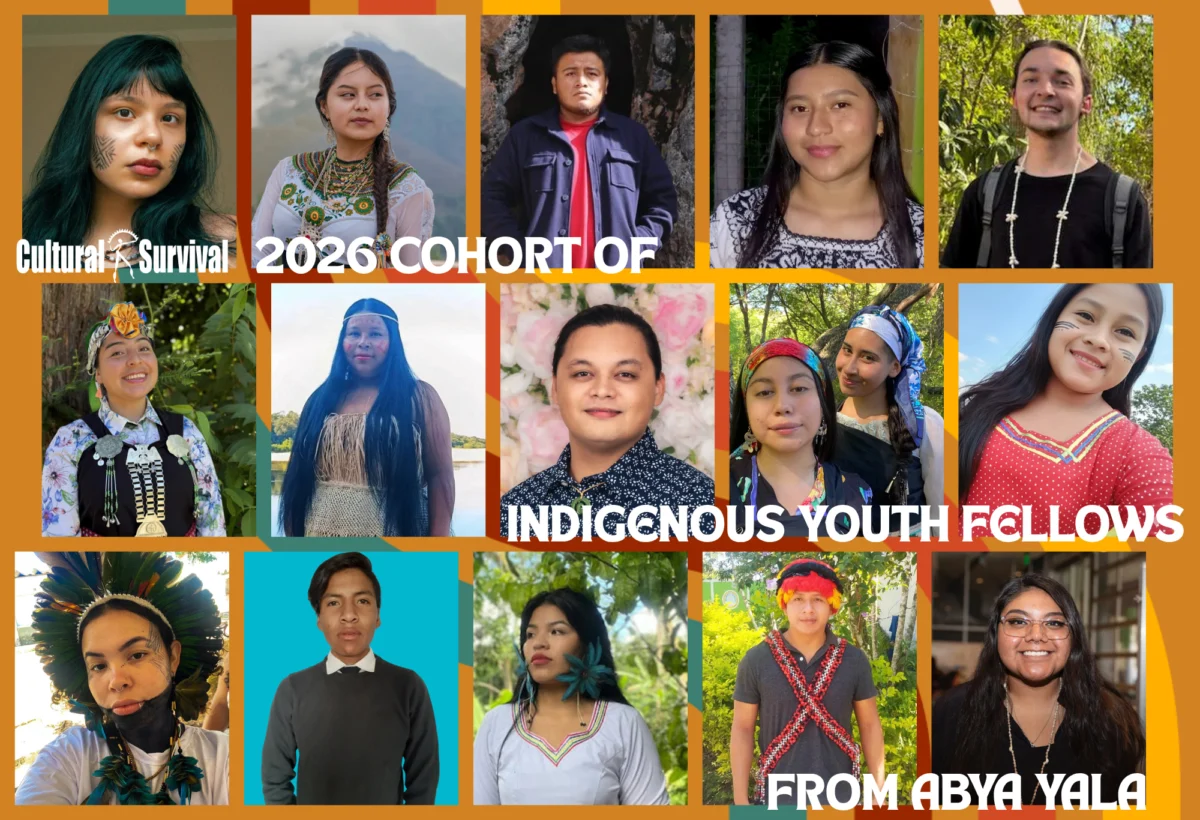
Cultural Survival has officially unveiled its highly anticipated 2026 cohort of Indigenous Youth Fellows, a testament to its ongoing commitment to empowering young Indigenous leaders through its robust Capacity Building Program. This prestigious Fellowship, now in its eighth year, provides crucial support to individuals aged 18-28 who are deeply dedicated to strengthening their communities. The program aims to equip them with essential skills in leadership, organization, and project management, enabling them to effectively elevate, defend, and revitalize their cultures and Traditional Knowledge. Since its inception in 2018, the program has proudly awarded 157 fellowships, benefiting over 368 Indigenous youths from across the globe, underscoring its significant and expanding impact.
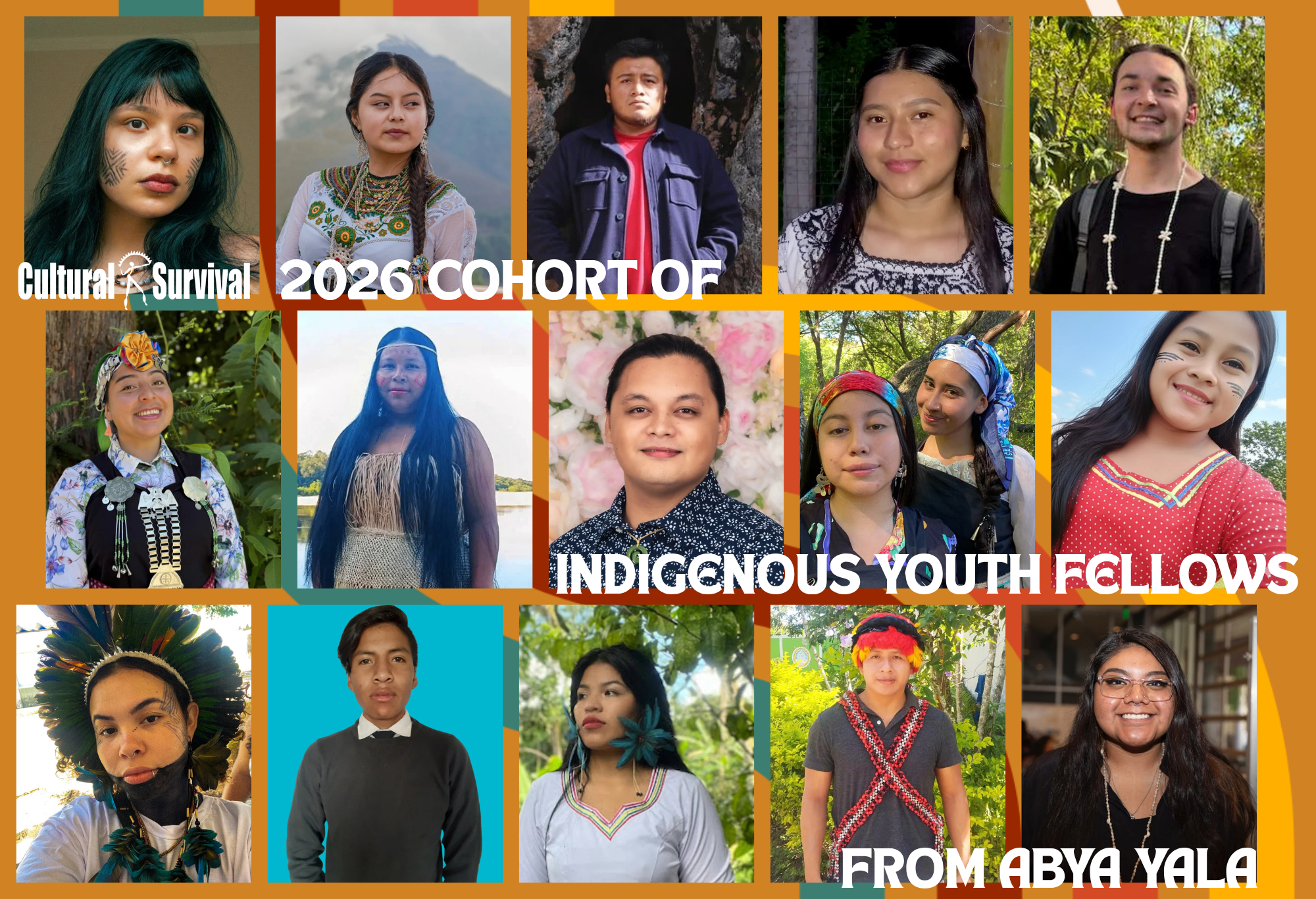
The 2026 cohort comprises an impressive group of 30 young leaders hailing from diverse regions worldwide. This announcement specifically highlights 15 fellows based in Abya Yala, also known as the Americas, showcasing their inspiring journeys and the innovative, community-driven initiatives they are spearheading. A subsequent announcement is planned to feature the fellows from Africa and Asia, further broadening the global scope of this vital program.
Cultural Survival will provide direct support for 30 distinct community-driven projects, each spearheaded by these fellows. These initiatives address a wide spectrum of critical issues, including the escalating threat of climate change, the fundamental right to food sovereignty, the complex process of decolonization, the urgent need for language revitalization, the protection of ancestral lands, the powerful role of media and the arts in cultural preservation, and the vital reclamation of ancestral traditions. The organization emphasizes that Indigenous youth are not merely recipients of support but are indispensable agents of change, whose leadership is paramount to the continuity and vibrancy of their cultures, ensuring the transmission of ancestral knowledge to future generations.
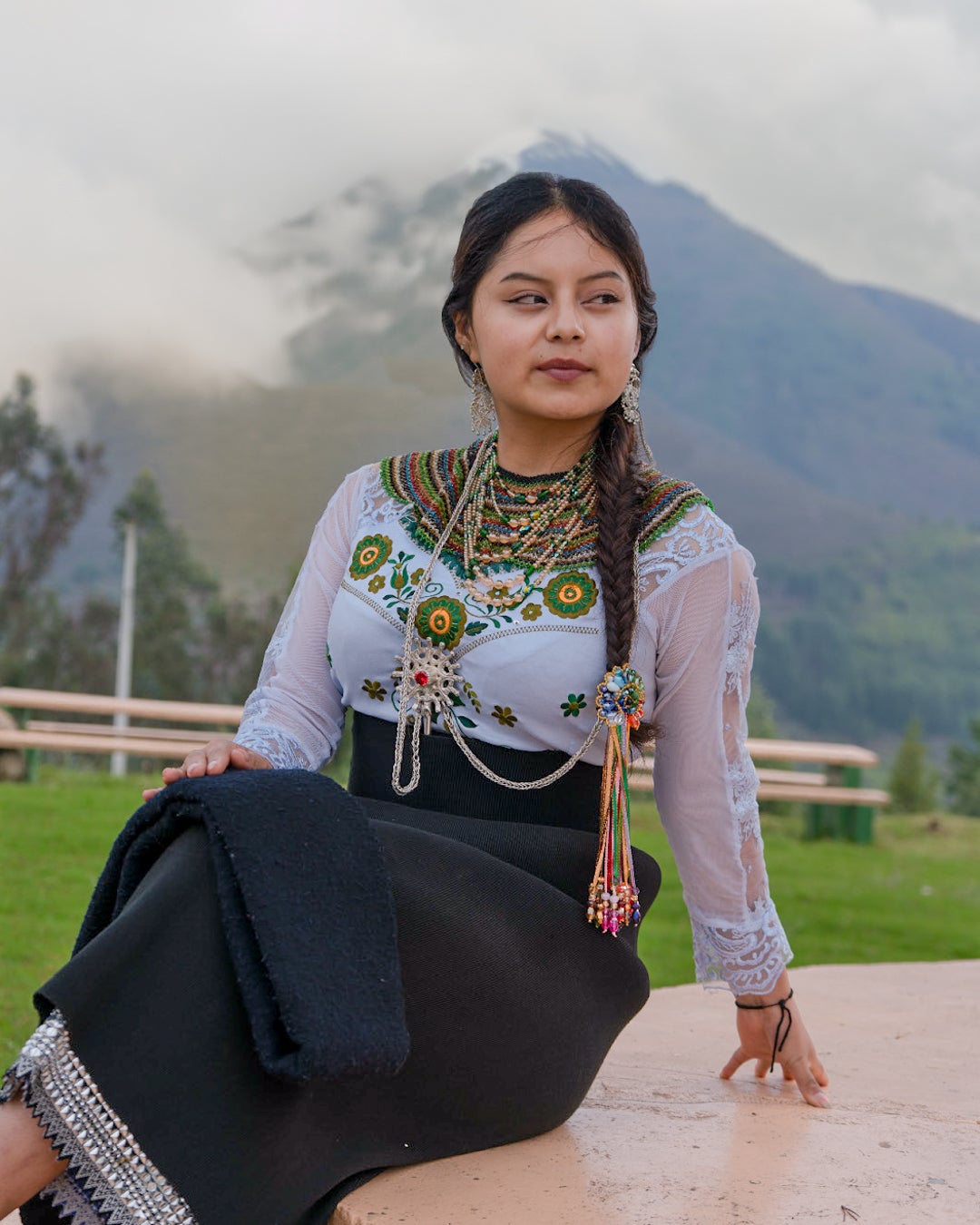
Spotlight on Indigenous Youth Leadership in the Americas (Abya Yala)
The fellows from the Americas represent a dynamic cross-section of Indigenous resilience and innovation, each bringing unique perspectives and projects designed to foster community well-being and cultural continuity.
Ecuador: Cultivating Entrepreneurship and Community Development
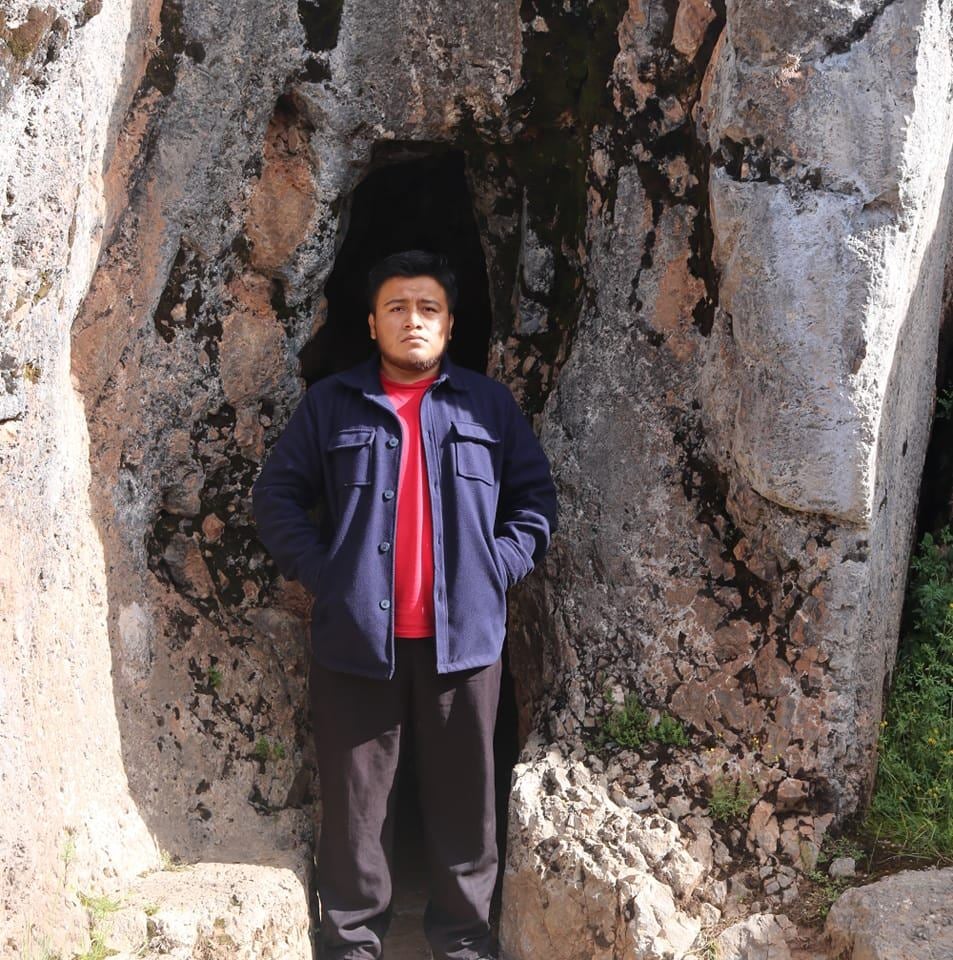
Tamia Paulina Contento Paqui, a Kichwa Saraguro woman from the community of Ilincho Ayllullakta in Ecuador, is at the forefront of entrepreneurial development. Her personal experiences navigating the challenges of starting a business have ignited a passion to guide other young entrepreneurs. Through her fellowship project, she aims to establish a supportive ecosystem for aspiring business owners, providing motivation, resources, and mentorship. This initiative seeks to foster autonomy, creativity, and perseverance, positioning entrepreneurship as a powerful tool for both personal growth and broader community development. Contento Paqui embodies a new generation of Indigenous leaders committed to progress while staying deeply connected to their roots, recognizing the collective power of mutual support in building a future rich with opportunity.
Mexico: Safeguarding Food Systems and Agroecological Wisdom
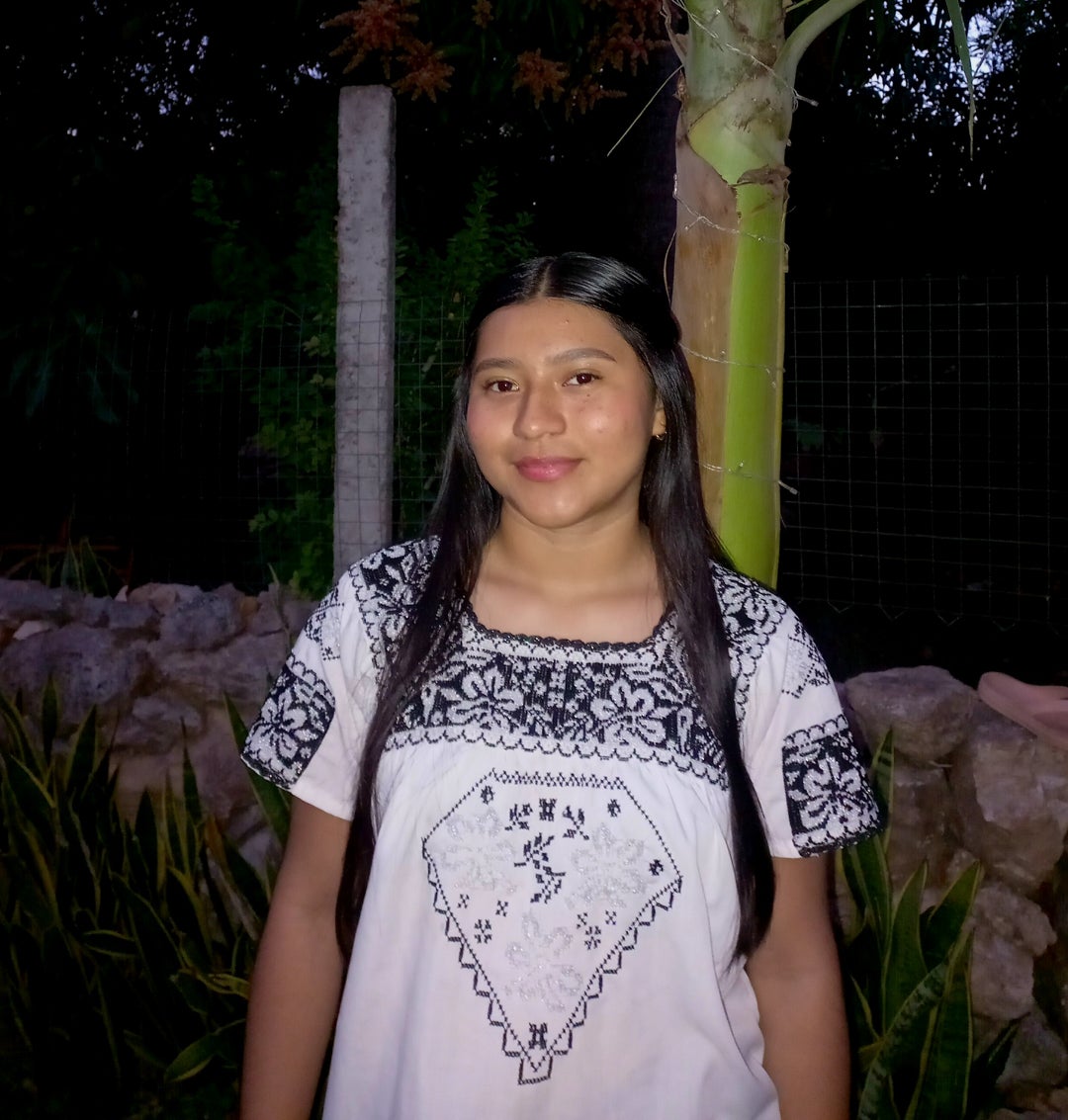
Juan Carlos Mayo Velázquez, a Maya individual from Felipe Carrillo Puerto, Quintana Roo, Mexico, is dedicated to preserving and strengthening local food systems. His upbringing instilled in him a profound respect for agroecological practices and the traditional management of native stingless bees, learning from his grandmother that environmental conservation is intrinsically linked to community well-being. As an agroecologist at the Intercultural Maya University of Quintana Roo and a member of the Jóvenes de la Zona Maya collective, Velázquez is working on a project titled "Strengthening Local Food Systems for Diversification and Transformation." This initiative aims to enhance food security in four Maya communities by documenting and preserving Traditional Knowledge. For the youth of the Maya Zone, agroecology represents not only a method of protecting biodiversity but also a profound act of honoring the legacy of those who have stewarded the land for generations.
Guadalupe Vanessa Uicab Cauich, also from the Maya community of Campeche, Mexico, is focused on ecological restoration and knowledge transmission. She has spearheaded a youth group dedicated to organizing training and collective activities that promote identity, social commitment, and community engagement. Her fellowship project, "Eco-active Youth of Sahcabchén," seeks to deepen environmental awareness and community participation among young people and families in her community. Through campaigns, workshops, and cultural expressions, the project will address responsible waste management, environmental protection, and the recovery of local knowledge, thereby contributing to the community’s resilience and the stewardship of their territory.
United States: Amplifying Indigenous Voices Through Storytelling and Traditional Agriculture
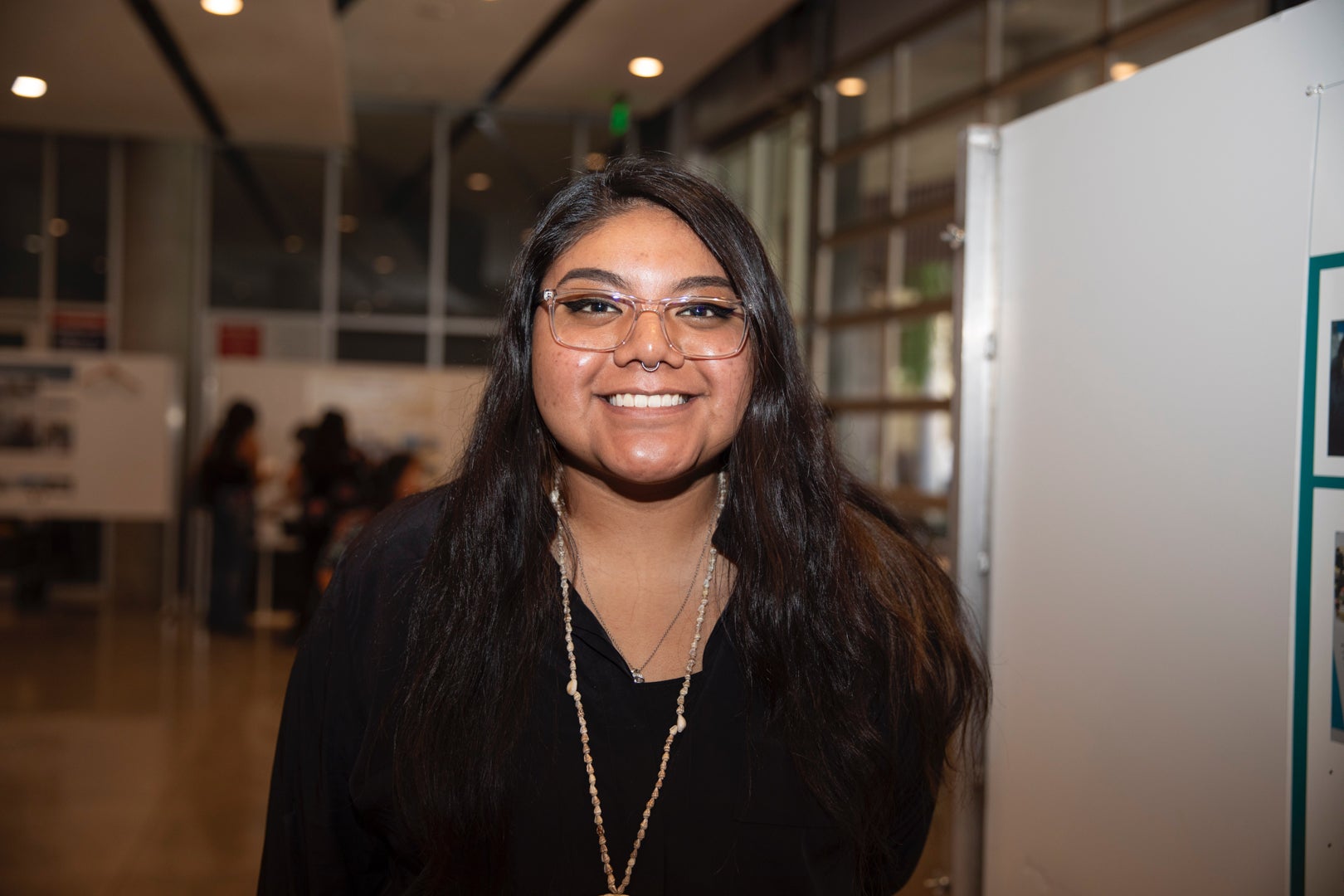
Trinity Norris, a member of the Tohono O’odham Nation in the U.S., is a multimedia storyteller, photographer, and media creator committed to elevating Indigenous voices and fostering community resilience. With a background in digital journalism and a master’s degree focused on Indigenous representation, Norris is deeply engaged in amplifying community partnerships and initiatives. Her fellowship project, "Carrying Our Stories Forward: A Portrait & Micro-Story Project Uplifting O’odham Language Through Community Storytelling on Traditional Foodways," aims to bolster the visibility and pride of the O’odham language and people. By capturing meaningful words and memories through portraits, audio reflections, and micro-stories, the project creates a culturally grounded archive that strengthens identity, supports language revitalization, and celebrates intergenerational knowledge transfer.
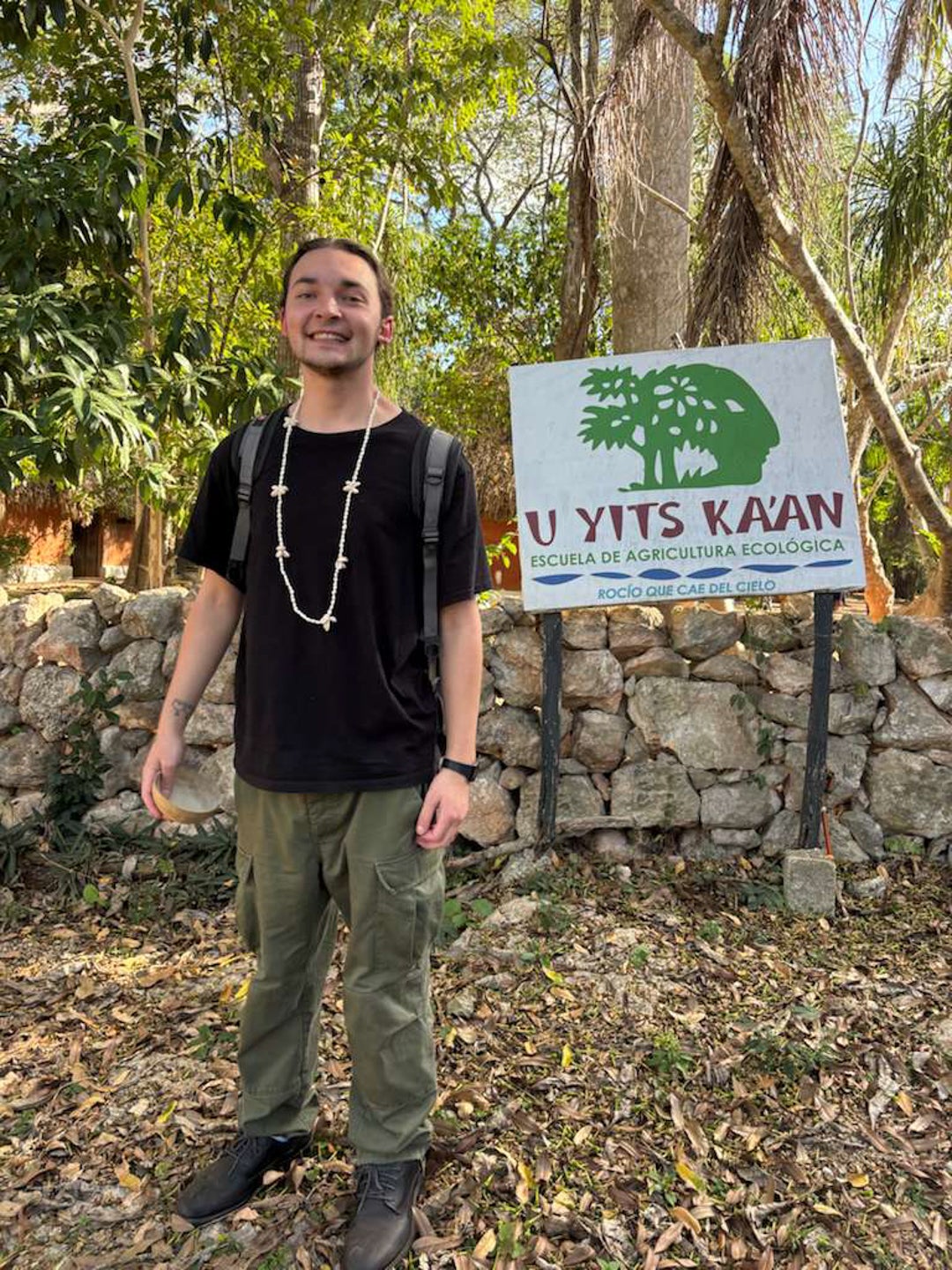
Mitchell Shonkwaiataroroks Gray, a Mohawk of the Turtle Clan from the Kanienke’ha’ka Nation, is focused on Indigenous knowledge and traditional agriculture. Raised on Akwesasne Mohawk territory, he learned sustainable living and traditional agriculture from his Elders. He is actively involved with the Four Bridges Traveling Permaculture Institute in northern New Mexico, where he manages an educational farm, oversees animal care, and contributes to sacred garden projects. His fellowship project, "Three Sisters Gardens and Companion Planting Study," endeavors to explore the scientific principles behind companion planting and to educate others about the profound ancestral knowledge Indigenous peoples hold regarding traditional agriculture and sustainable living.
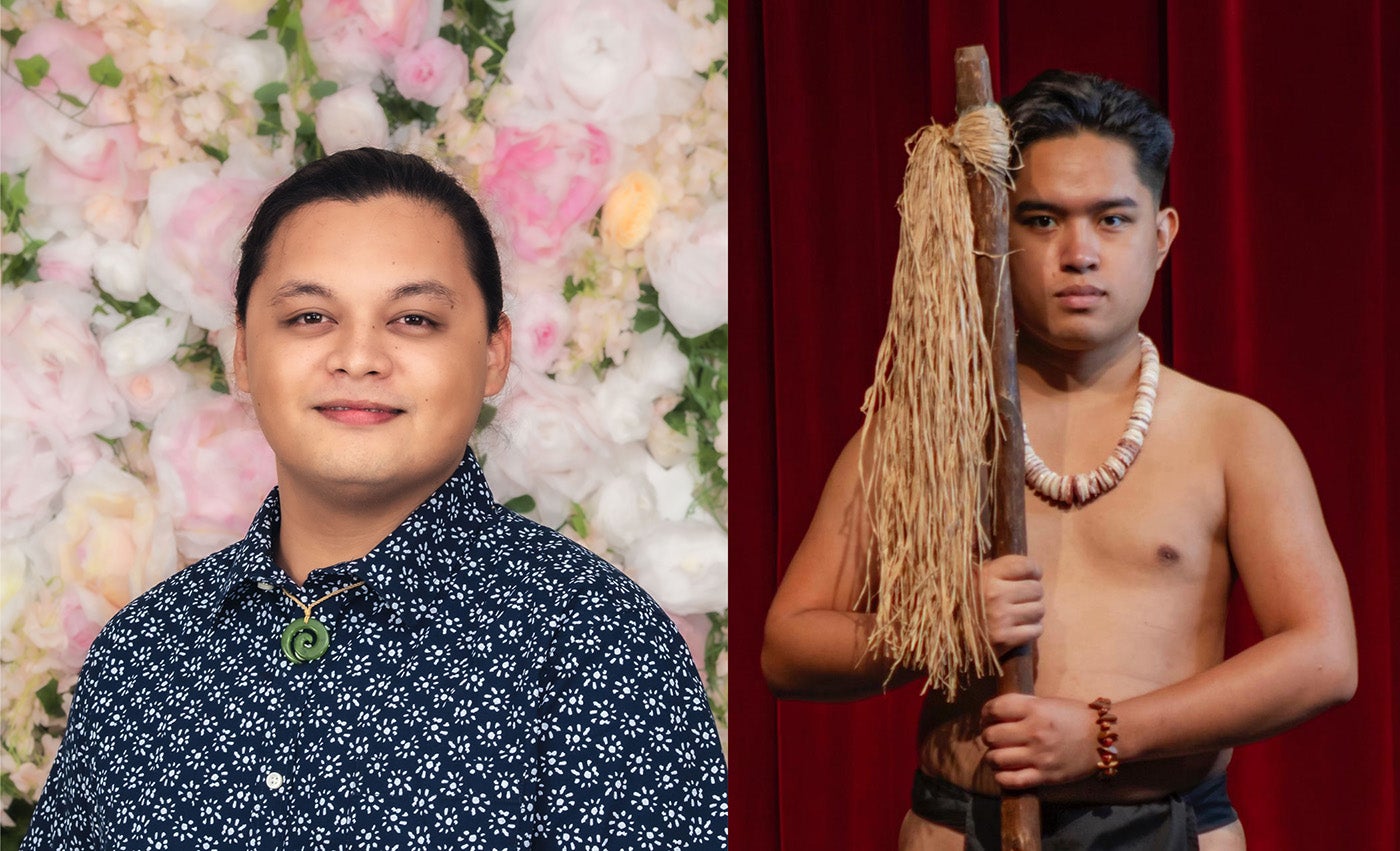
Shannon Dean San Nicolas and Xavier Bryce Borja, both Chamoru from Guam, are collaborating on a project that merges art, culture, and environmental consciousness. San Nicolas, a theater artist and musician, utilizes music to foster reflection, resistance, and healing, weaving contemporary compositions with natural soundscapes. Borja, a theater artist and designer, centers his work on Indigenous identity and sustainability through eco-conscious design, employing upcycled materials. Their joint fellowship project, "Echoes of the Land and Sea: A Creative Workshop on Eco-Conscious Design and Music," aims to empower Indigenous youth and community members in Guam by fostering eco-conscious creativity through collaborative workshops. This initiative bridges music and sustainable design, cultivating deeper connections to land, culture, and climate resilience.
Argentina: Revitalizing Language, Defending Territory, and Embracing Diversity
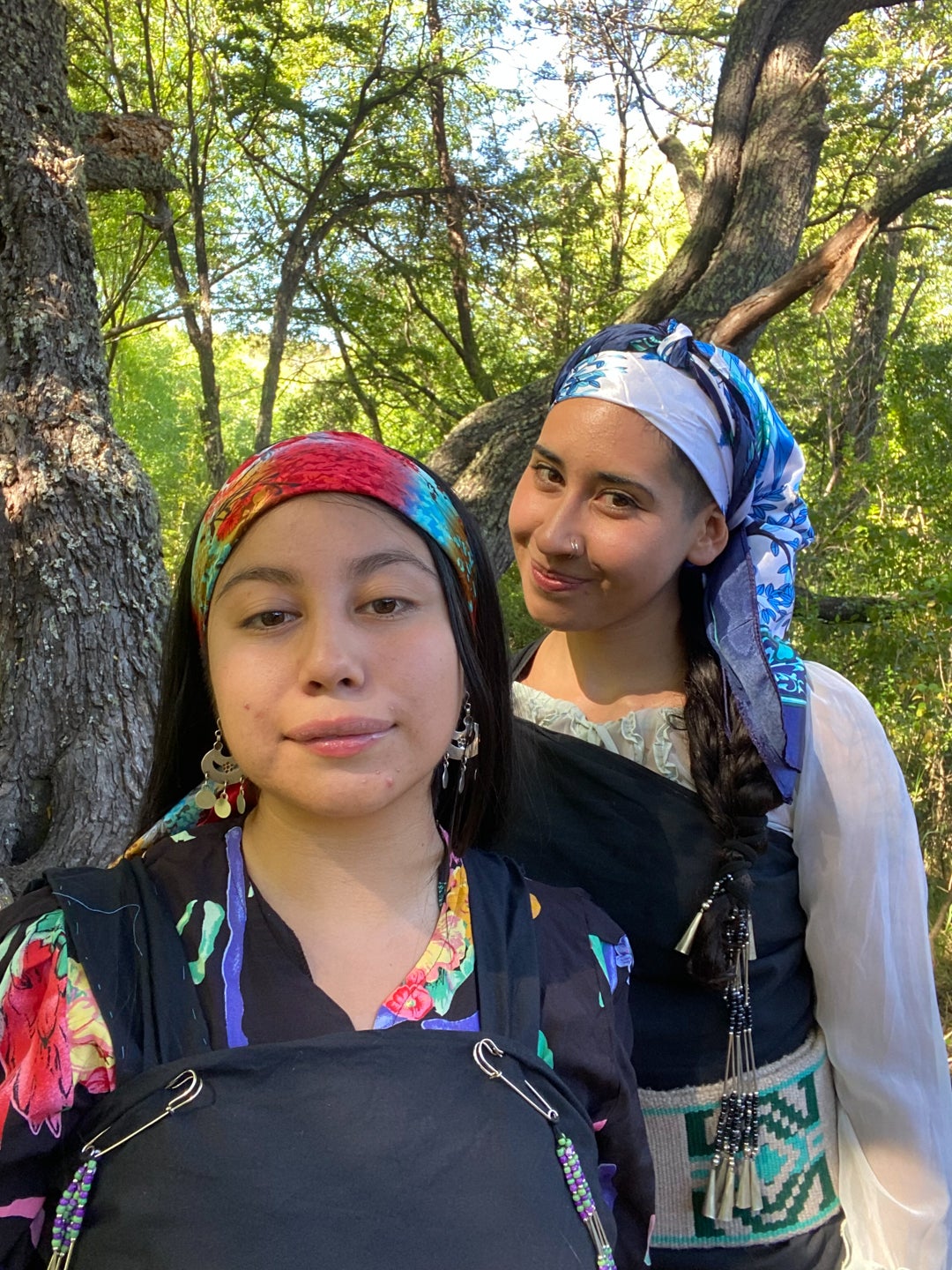
Raintuy Millan and Aye Mahún, Mapuche individuals from Lof Pillan Mawiza in Chubut, Argentina, are dedicated to language restoration, territorial defense, and promoting gender diversity. Growing up in an ancestral Mapuche territory, they have been actively involved in caring for and healing their land. Their fellowship project, "Koneltun puelwilimapu mew," specifically addresses the 2SLGBTQ+ members of the Mapuche community. Through a six-day community gathering, they aim to revitalize the Mapuche language by strengthening local communication and fostering a deeper connection with nature, embracing the diversity of their generation while honoring their ancestral heritage.
William Jonatan Noel Sarapura, a Kolla from the Tambillos Indigenous community in Jujuy, Argentina, is focused on water management and ecological restoration. His community holds a deep reverence for water, land, and Pachamama, viewing them not merely as resources but as integral to their life, culture, and collective identity. Sarapura leads the project "Guardians of Water and Pachamama – Yaku Sumaq," which seeks to strengthen the stewardship of water as a vital and sacred resource. The project promotes intergenerational workshops, community gatherings, the restoration of water infrastructure, and the training of young people as territorial guardians. It also includes the audiovisual recording of Traditional Knowledge and testimonies to preserve collective memory and cultural identity.
Colombia: Empowering Women Through Menstrual Sovereignty
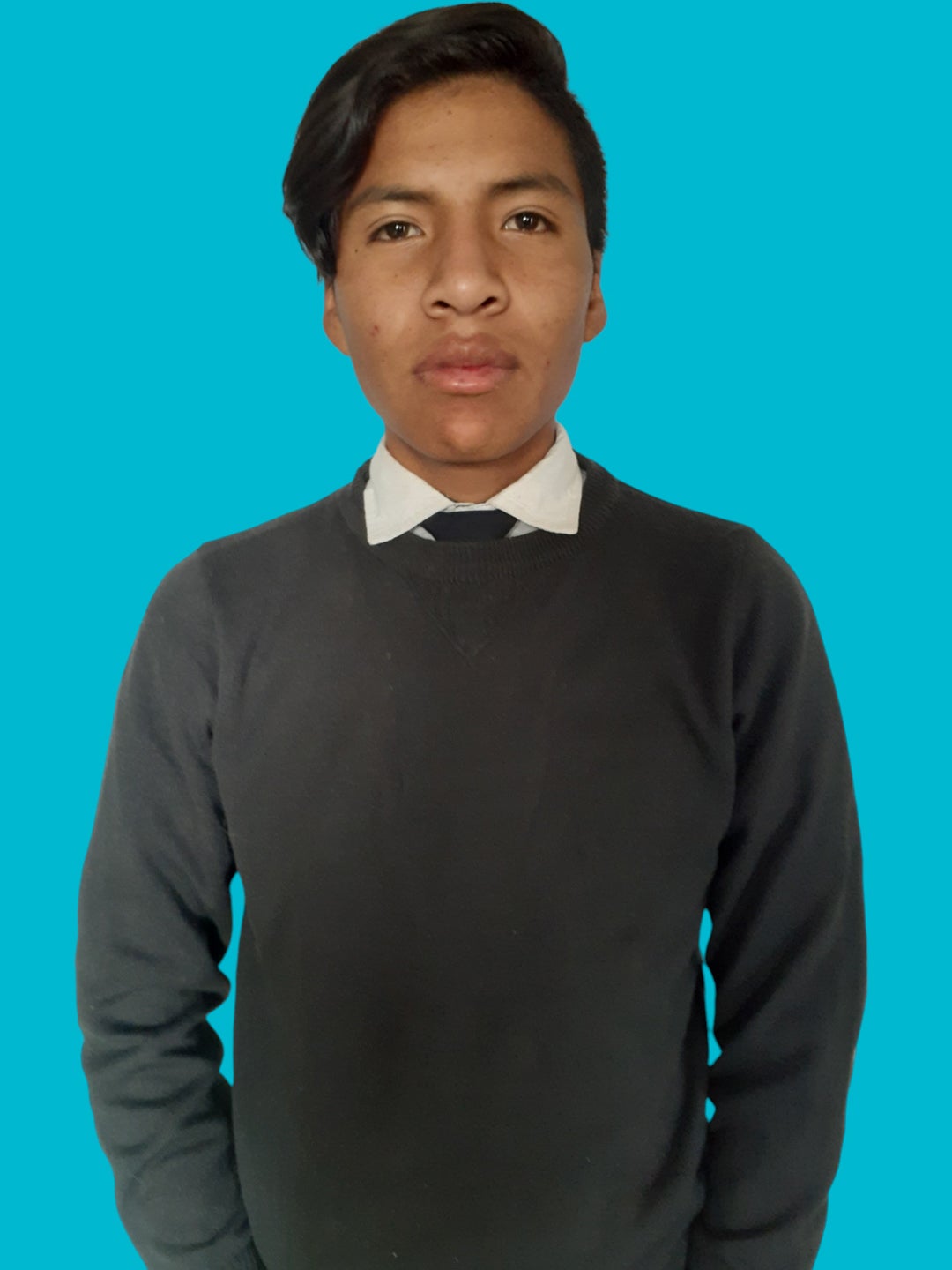
Lizeth Andrea Rincon Guachón, a Sikuani woman from the eastern plains of Colombia, is championing menstrual sovereignty and Indigenous women’s empowerment. Her project, "Weaving Blood and Wisdom: Women for Menstrual Sovereignty," promotes a participatory process focused on the well-being of women and their territory. The initiative integrates ancestral wisdom with scientific knowledge to foster self-management of sustainable menstrual hygiene alternatives, promote environmental care, and strengthen female leadership in territorial protection. Guachón’s work aims to foster intergenerational dialogue and practical education, reinforcing bodily autonomy, recovering traditional care practices, and recognizing the body and health as fundamental pillars of life and cultural resistance for the Sikuani People.
Ecuador: Strengthening Food Sovereignty and Communicating Cultural Identity
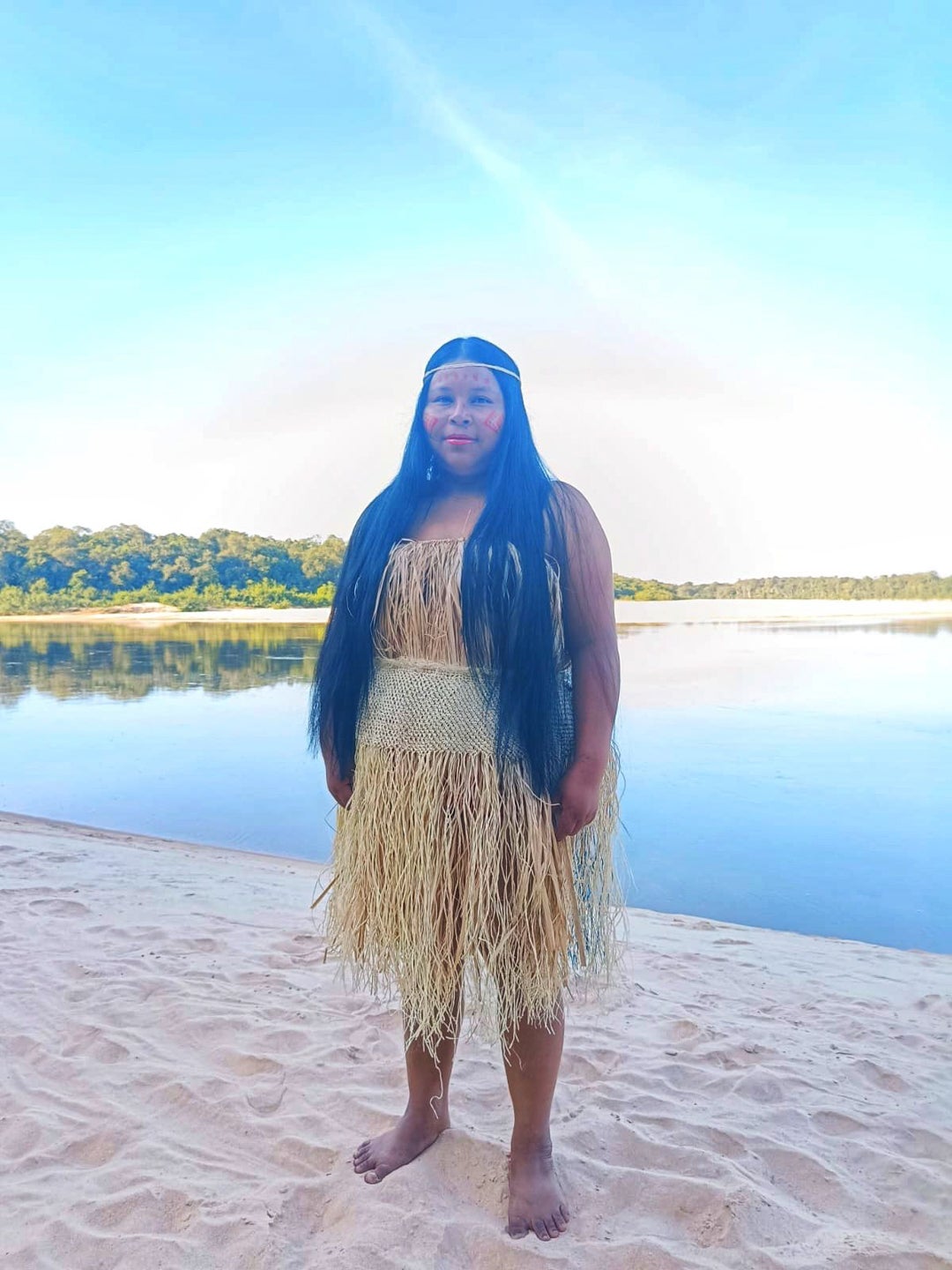
Tania Patricia Pizango Yumbo, a Kichwa woman from the Napo province in the Ecuadorian Amazon, is dedicated to food sovereignty, territorial defense, and knowledge transmission. Her background is marked by extensive training and community leadership focused on defending collective rights, promoting youth and women’s participation, and preserving her people’s cultural identity. Her project, "Strengthening Territorial Defense and Food Sovereignty of the Kichwa Communities," seeks to revitalize cultural knowledge, enhance self-governance, and promote sustainable alternatives, ensuring the protection of the territory, cultural identity, and collective rights of the Kichwa People.
Glenda Yasacama, also Kichwa from the Ecuadorian Amazon, is leveraging documentary filmmaking and communication to amplify the voices of her people. Motivated by a desire to raise awareness of the life, culture, and struggles of the Kichwa, her project, "Communication for the Strengthening of Autonomy, the Exercise of Collective Rights, and the Construction of Sumak Kawsay with the Participation of Kichwa Leaders and Young Communicators from Pastaza," aims to strengthen communication networks and the organizational fabric of Amazonian Peoples. Her primary goals include producing a short film and inspiring other young people to preserve their culture and territory.
Peru: Employing Ethno-Cartography for Territorial Defense
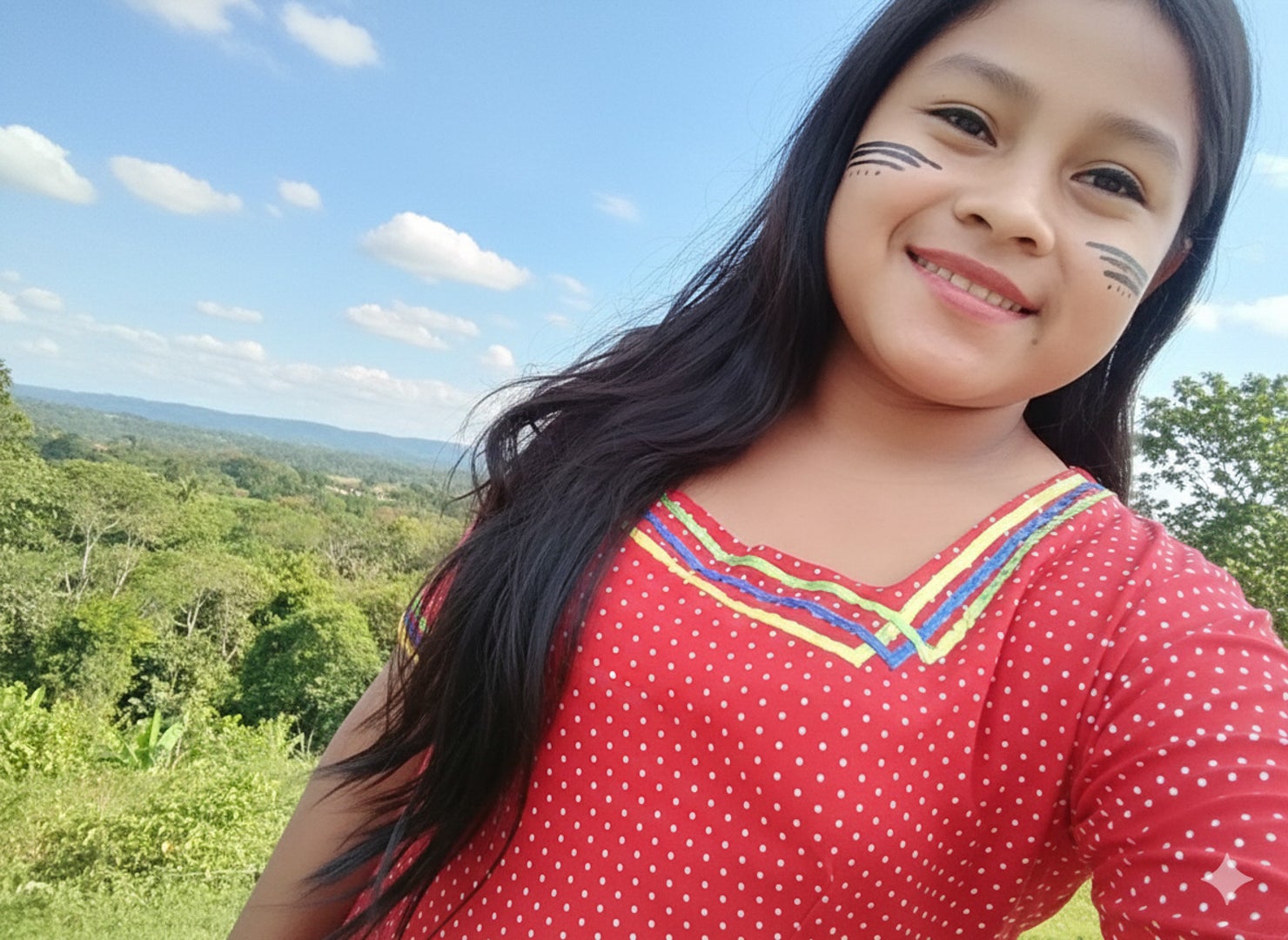
Llerlin Josoe Pacunda Cruz, an Awajún from the Peruvian Amazon, is utilizing ethno-cartography for territorial defense and biodiversity protection. Witnessing firsthand the environmental degradation of his community due to extractive industries and illegal practices, Cruz was inspired to pursue environmental management engineering. His project, "Participatory Ethno-Cartography," aims to identify sacred areas and other culturally and environmentally significant spaces, facilitating the development of a community life plan. This initiative contributes to territorial defense, the protection of Amazonian biodiversity, and the recovery of Awajún ancestral knowledge, fostering a sustainable future grounded in respect for nature and the wisdom of the Elders.
Chile: Revitalizing Indigenous Languages Through Intergenerational Exchange
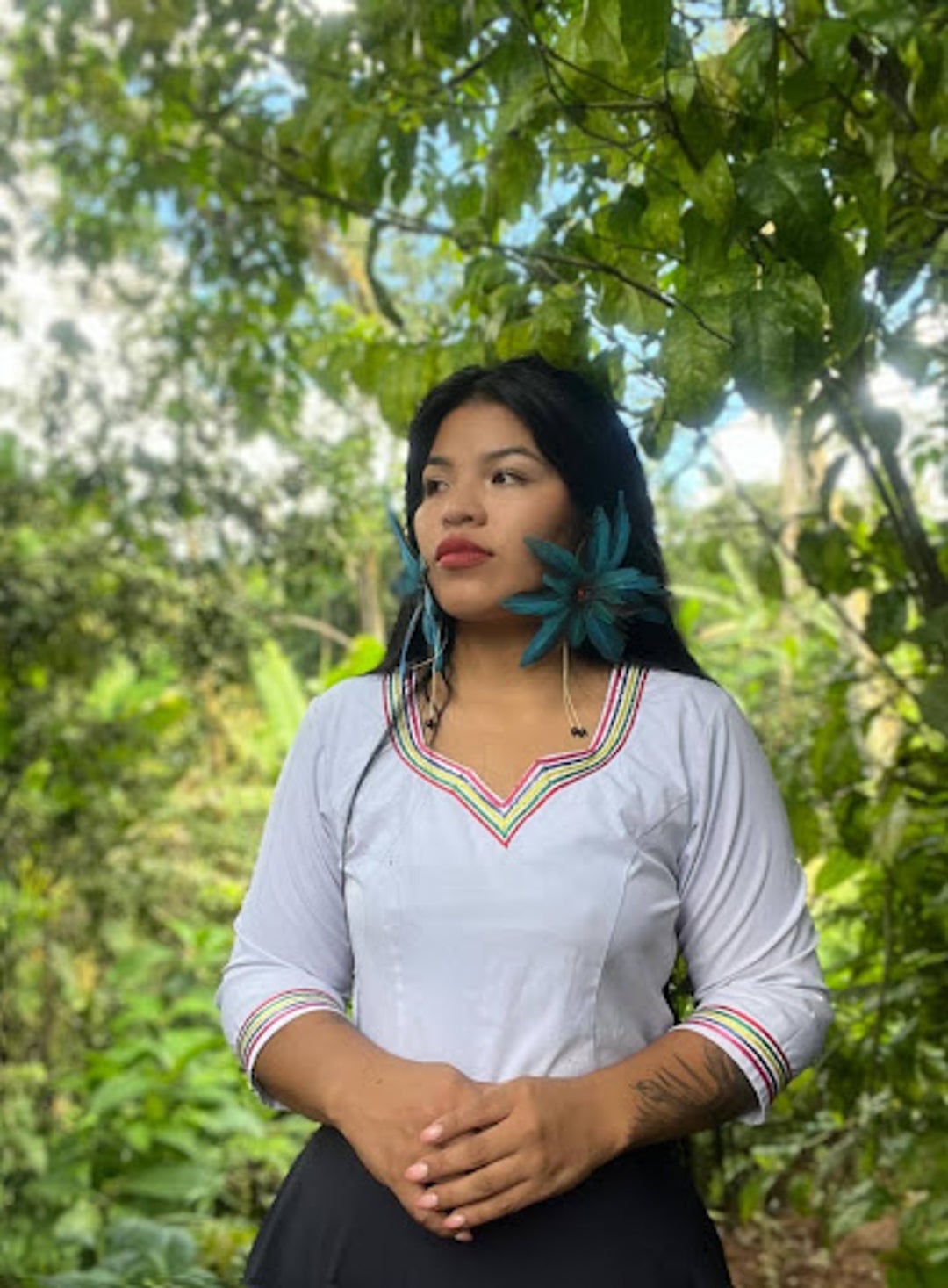
Catalina Belén Antil Arévalo, a Lafkenche Mapuche from Chile, is focused on language revitalization and intergenerational knowledge exchange. Working as an occupational therapist, she integrates technical knowledge with ancestral wisdom and collective care practices, emphasizing holistic health, cultural relevance, and Indigenous rights. Her project, "Kümey Kimün: Intergenerational Transmission of Mapuzungun and Lafkenche Cultural Knowledge," creates participatory spaces for dialogue between Elders and youth. Through this intergenerational exchange, the project promotes the revitalization of the Mapuzungun language, the transmission of cultural knowledge, and the strengthening of connections to the territory, contributing to collective memory and the exercise of cultural rights.
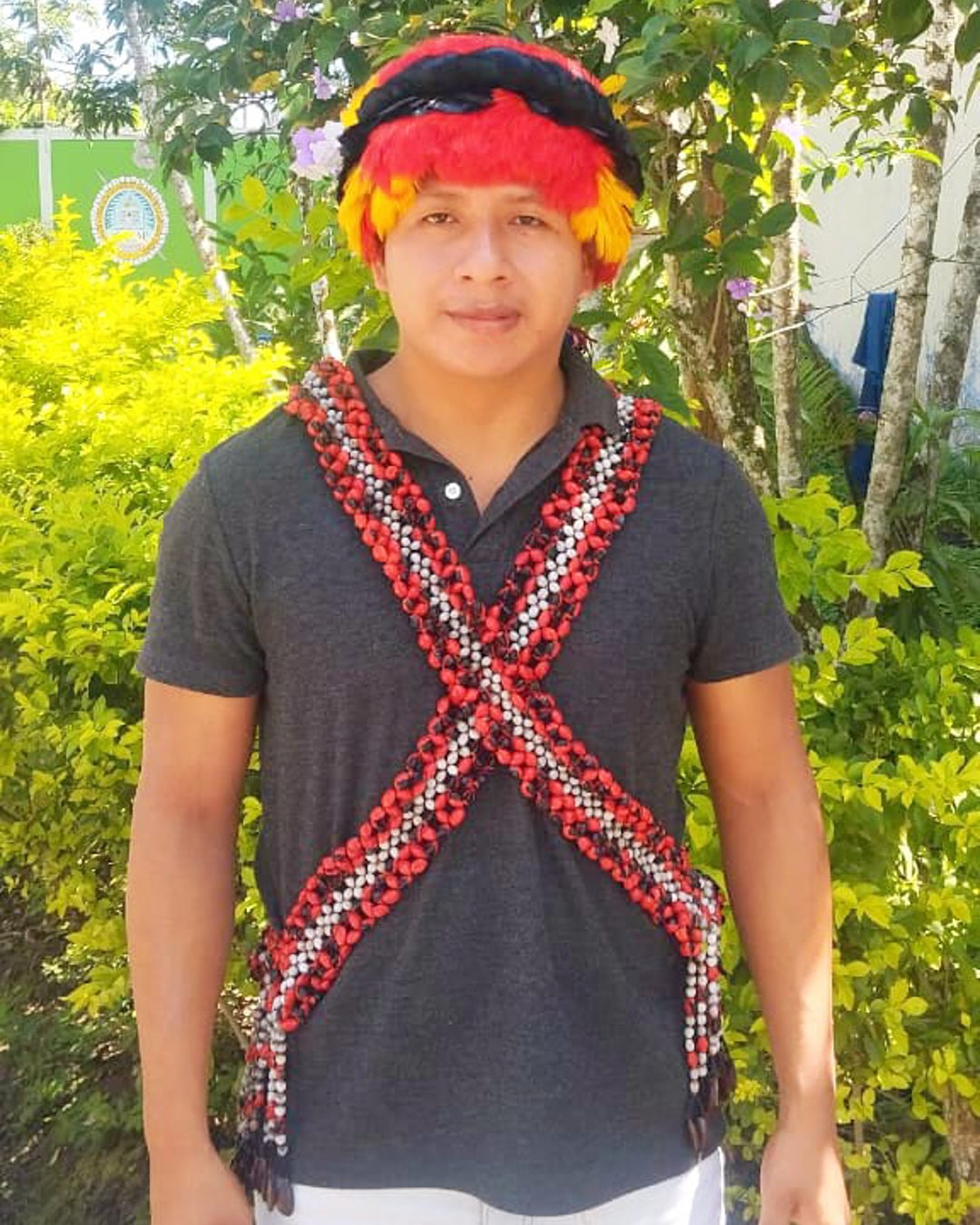
Brazil: Preserving Culture and Fostering Intergenerational Dialogue
Jiktayá Pataxó, a Pataxó community leader from Brazil, is dedicated to intergenerational knowledge exchange and cultural preservation. Guided by ancestral teachings, she works to defend the Pataxó People, recognizing the importance of oral tradition, respect for nature, and community as foundational elements of their way of life. Pataxó’s project, "Kijeme Suniatá," seeks to strengthen Pataxó culture both within and beyond their territory. The project involves conversation circles, traditional songs, the construction of traditional spaces, and reforestation, reaffirming the ancestral relationship with the land.
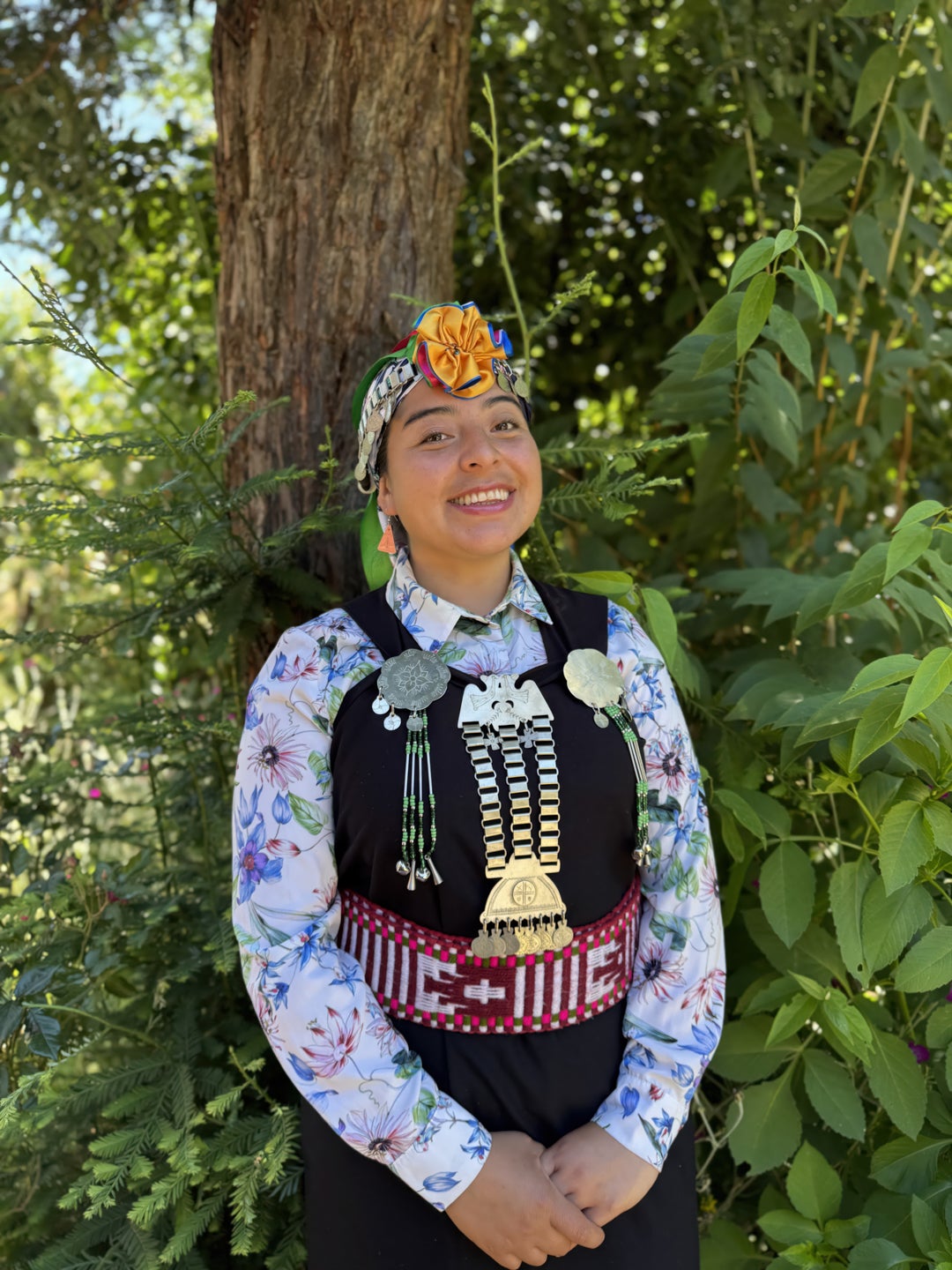
The Arandu Mirim collective, composed of young Guarani Mbya from the Jaraguá Indigenous land in Brazil, is using audiovisual media for youth-centered communication and documentary filmmaking. Iara Para Poty, a member of the collective, will coordinate the "Kunumingue Nhemboaty" project. This initiative links the demands, interests, and experiences of Guarani Mbya youth through peer-led conversation circles and workshops, culminating in a short documentary exploring the question: "What do we want for our future?" The Arandu Mirim collective utilizes videography and editing skills to challenge misconceptions about Indigenous Peoples in urban settings and to promote dialogue about contemporary Indigenous identity.
Broader Impact and Future Implications
The Cultural Survival Indigenous Youth Fellowship represents a critical investment in the future of Indigenous communities worldwide. By providing financial support, skill development, and a platform for their voices, the program empowers young leaders to address pressing issues such as climate change, land rights, and cultural preservation. The interconnectedness of these projects, spanning diverse thematic areas and geographical regions, highlights the shared challenges and aspirations of Indigenous youth globally. The success of these fellows is likely to inspire further initiatives, strengthen Indigenous governance structures, and contribute to a more equitable and sustainable world, grounded in respect for Indigenous knowledge and sovereignty. The ongoing commitment of organizations like Cultural Survival to nurture this emerging leadership is vital for safeguarding cultural diversity and promoting environmental stewardship for generations to come.