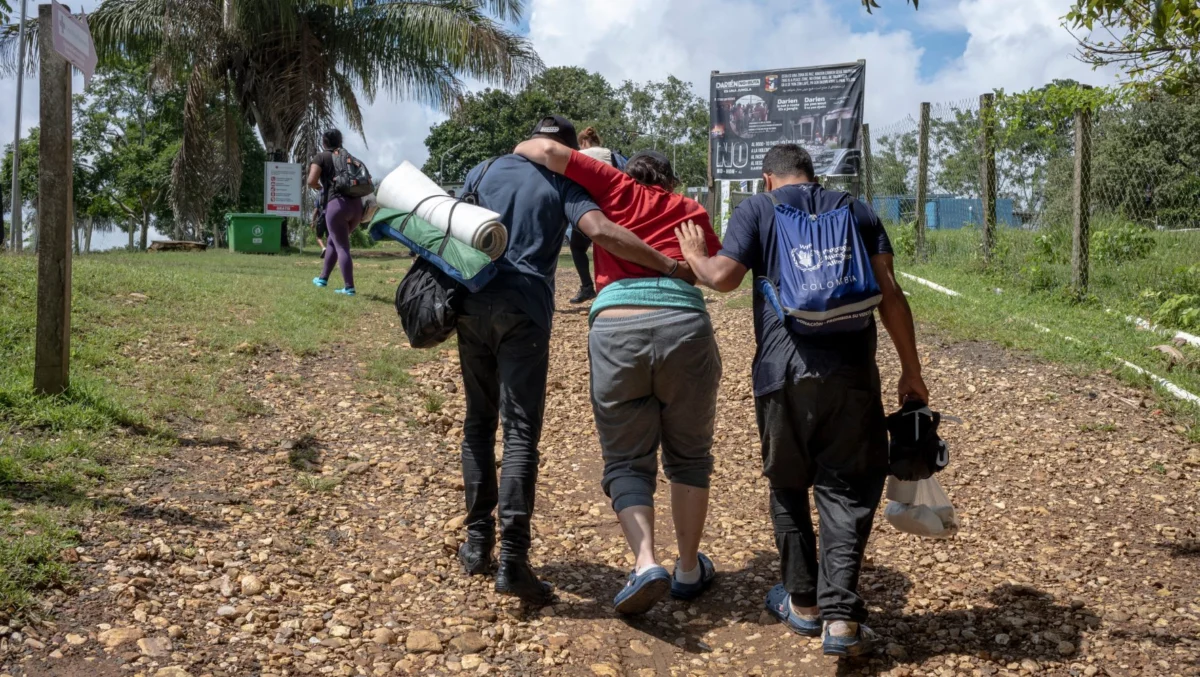
The civil war that erupted in Sudan in April 2023 has ignited the world’s largest and most urgent humanitarian crisis, with nearly one million Sudanese people seeking refuge in neighboring Chad. This unprecedented influx of displaced individuals has strained Chad’s already limited resources and overwhelmed humanitarian services. These new arrivals join a long-standing refugee population, some of whom have lived in camps for two decades, exacerbating an already precarious situation. The escalating need is compounded by significant cuts to humanitarian aid, pushing refugees and their host communities to the brink of survival. HIAS Chad, an organization with over twenty years of experience supporting refugees and displaced populations in the country, is working tirelessly to provide critical assistance amidst these compounding challenges.
The Escalating Refugee Influx: A Crisis of Unprecedented Scale
The sheer volume of Sudanese refugees arriving in Chad since April 2023 surpasses the number of Sudanese refugees who arrived in the previous two decades combined. This rapid and massive displacement signifies the catastrophic impact of the ongoing conflict between the Sudanese government and the Rapid Support Forces (RSF). According to United Nations reports, over 14 million people have been displaced within Sudan, a staggering figure that underscores the scale of the humanitarian catastrophe. The spillover effect into Chad, a nation already grappling with internal vulnerabilities, has created a critical emergency situation.
Chad now hosts over 1.8 million displaced individuals, holding the highest number of refugees per capita in Africa. The primary sources of displacement into Chad are Sudan, the Central African Republic (CAR), Nigeria, and Cameroon. While refugees from these countries have been arriving since 2001, fleeing violence, political instability, persecution, and the impacts of climate change, the current wave from Sudan is distinct in its scale and urgency. The renewed ethnic violence in Darfur, a region bordering Chad, has been a particularly brutal driver of this latest exodus, forcing an estimated 900,000 people to cross into Chad since mid-April 2023. This surge places immense pressure on a country where over 40% of its own population already requires humanitarian assistance.
Decades of Displacement and the Strain on Host Communities
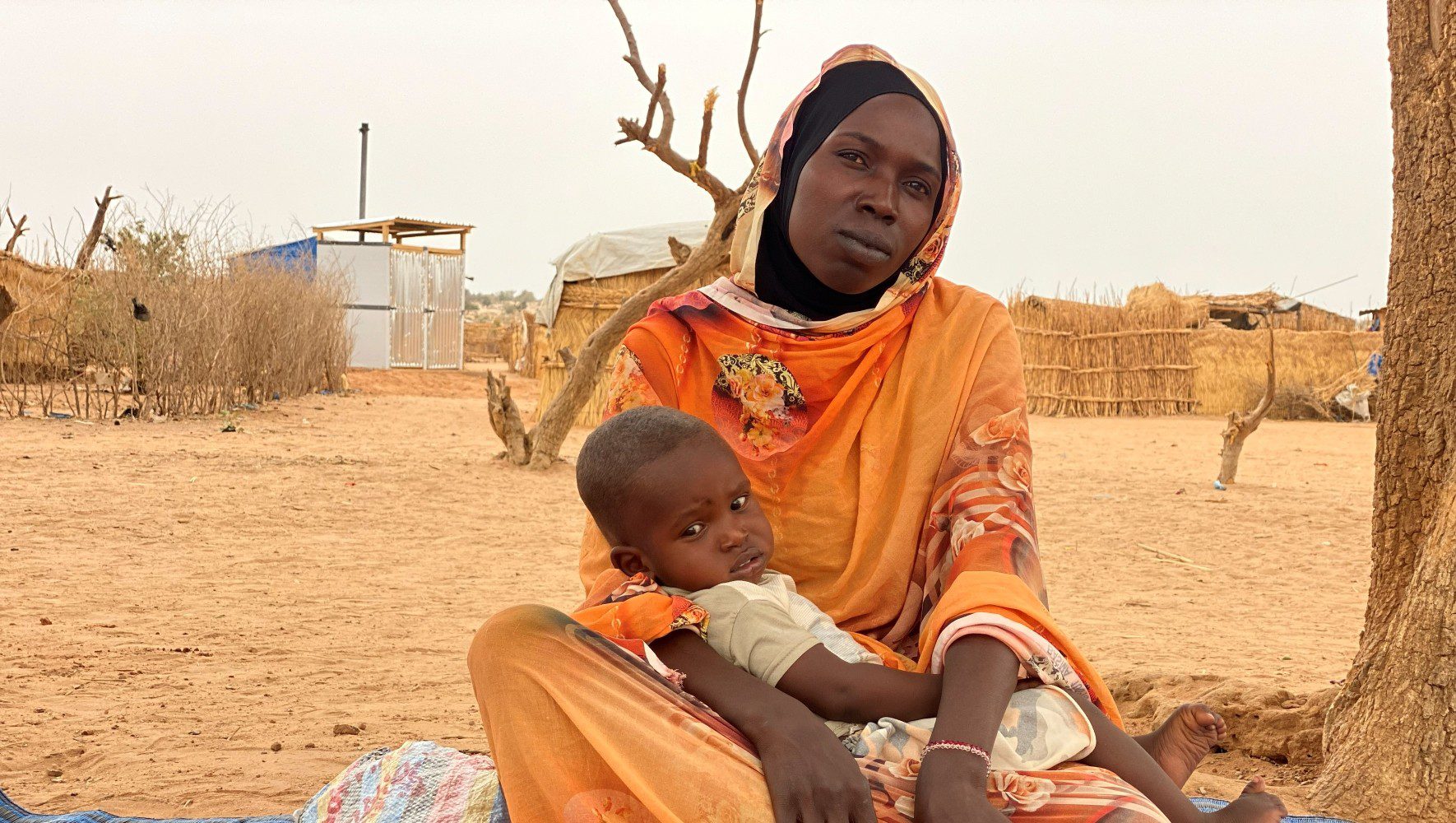
Chad’s history of hosting refugees is long and complex. For decades, the country has been a safe haven for those fleeing conflict and persecution from its neighboring nations. The Aboutengué refugee camp, where HIAS staff were pictured assisting a Sudanese refugee and her son on June 10, 2024, is a testament to the enduring presence of displaced populations. However, the current situation is characterized by an unprecedented convergence of factors: a massive, rapid influx of new refugees, coupled with a significant reduction in vital humanitarian aid. This creates a volatile environment where the needs of both refugees and host communities are increasingly unmet.
The prolonged presence of refugees, some for nearly two decades, means that many camps are mature settlements with established populations. However, the arrival of nearly a million new individuals strains existing infrastructure, sanitation facilities, water sources, and healthcare services. This strain is not confined to the refugee camps; it extends to the host communities, who often share these limited resources. The international community’s commitment to supporting these vulnerable populations has been called into question by recent funding cuts, creating a deepening humanitarian deficit.
The Devastating Impact of Humanitarian Aid Cuts
The ramifications of drastic cuts to humanitarian aid, particularly from major donor nations, have been profoundly detrimental to the well-being of refugees and displaced people in Chad. In early 2025, a significant reduction in U.S. humanitarian aid, as reported by HIAS, saw funding for Chad plummet from approximately $338 million in 2024 to $112 million in 2025 – a staggering decline of nearly 67 percent.
These cuts have had immediate and severe consequences, leading to:
- Reduced Food Assistance: With less funding, humanitarian organizations are forced to scale back or suspend vital food distributions, pushing many families into severe malnutrition and hunger.
- Limited Healthcare Services: Essential medical services, including access to primary healthcare, specialized treatments, and reproductive health services, have been curtailed, leaving vulnerable individuals susceptible to preventable diseases and complications.
- Gaps in Protection Programs: Funding for critical protection initiatives, such as support for survivors of sexual and gender-based violence, has been drastically reduced. This leaves those who have already endured immense trauma without the necessary support to heal and rebuild their lives.
- Erosion of Livelihoods: The reduction in aid impacts not only immediate survival needs but also long-term prospects. Livelihood programs and economic empowerment initiatives, crucial for refugees to gain independence, have been scaled back, trapping them in cycles of dependency.
- Mental Health Crisis: The trauma of war and displacement is immense. Cuts to mental health support services mean that refugees are increasingly left to cope with psychological distress, anxiety, and post-traumatic stress disorder without adequate professional assistance.
- Increased Vulnerability to Violence: With reduced access to essential services and support, refugees, particularly women and girls, face a heightened risk of exploitation, sexual violence, and domestic abuse, both within camps and along migration routes.
- Stranded at Borders: In some instances, the lack of funds has left refugees stranded at the border, unable to afford the transportation to reach more secure shelter within the established camps.
The humanitarian crisis is further exacerbated by Chad’s vulnerability to climate change. Recurring droughts and devastating floods have taken a heavy toll on communities, destroying crops, eroding livelihoods, and contributing to widespread food insecurity. In 2024, the Chadian government was compelled to declare a food emergency for the third consecutive year, highlighting the persistent nature of this challenge. Despite these compounding pressures, Chad has maintained an open-door policy for refugees for over two decades, a testament to its humanitarian spirit, though its capacity to sustain this is severely tested.
HIAS Chad: A Beacon of Hope in a Challenging Landscape
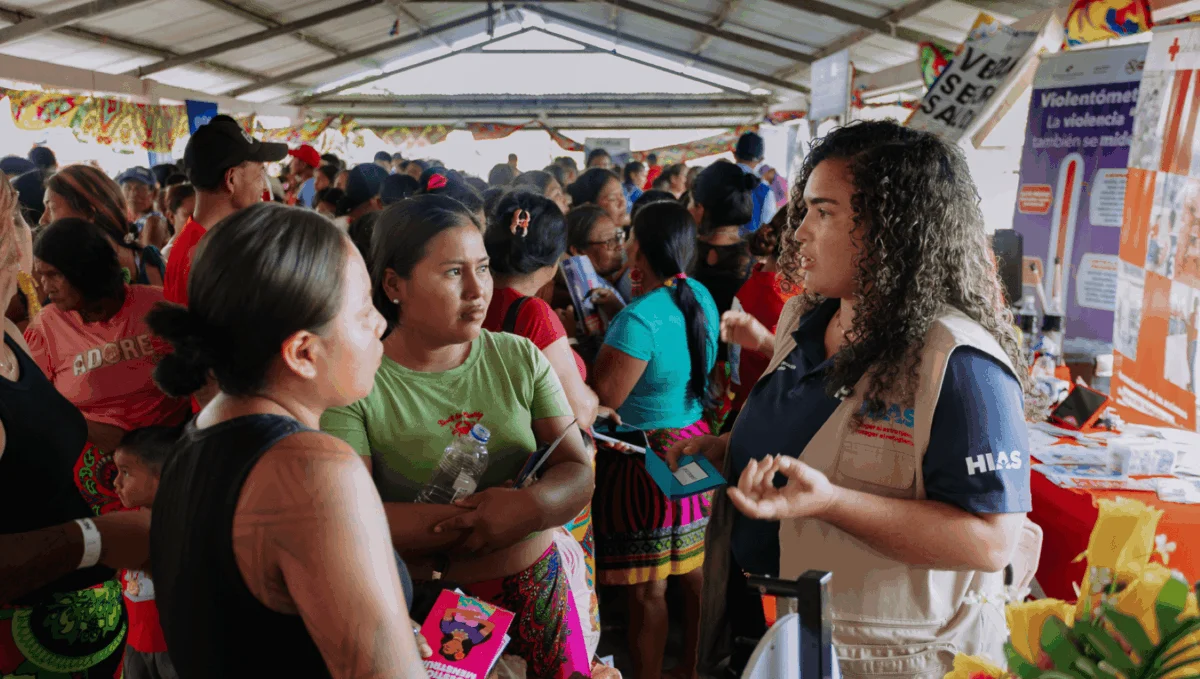
Despite the extraordinarily difficult context, HIAS Chad remains steadfast in its mission to provide essential services to refugees, displaced people, and host communities. With over two decades of operational experience in the country, HIAS has developed deep expertise in addressing the complex needs of vulnerable populations. Their work is critical in bridging the gaps left by diminished international aid.
HIAS Chad’s multifaceted approach includes:
- Strengthening Community-Based Protection: A core focus of HIAS’s work is to empower local communities to identify and address protection risks. This involves building networks of community volunteers and leaders who can advocate for the rights of refugees and displaced persons and provide immediate support in times of crisis.
- Promoting Peaceful Coexistence: Recognizing the potential for tension between refugees and host communities due to resource scarcity, HIAS actively works to foster understanding and cooperation. This includes implementing joint community projects and facilitating dialogue.
- Providing Protection and Addressing Basic Needs: In emergency situations, HIAS partners with the Chadian government and other humanitarian organizations to ensure that refugees receive immediate protection and access to essential items.
- Mental Health and Psychosocial Support: HIAS provides vital mental health services, offering counseling, trauma-informed care, and support groups to help individuals cope with the psychological impact of displacement and conflict.
- Economic Empowerment: To foster self-reliance and reduce dependency on aid, HIAS implements economic projects that enable refugees to develop sustainable sources of income. This can include vocational training, small business support, and access to financial services.
- Combating Violence Against Women and Girls: HIAS is dedicated to ending violence against women and girls, providing safe spaces, legal aid, and psychosocial support for survivors of sexual and gender-based violence.
- Distribution of Essential Items: In times of acute need, HIAS participates in the distribution of food and essential non-food items, such as shelter materials, hygiene kits, and blankets, to alleviate immediate suffering.
A Call to Action: The Enduring Need for Support
The situation in Chad represents a critical juncture in the global refugee crisis. The confluence of a massive influx of displaced people from Sudan and the drastic reduction in humanitarian aid has created a perfect storm of unmet needs and escalating vulnerability. The resilience of the Chadian people in hosting refugees for so long, despite their own significant challenges, is remarkable. However, their capacity is being stretched to its absolute limit.
The implications of continued underfunding are dire. Without adequate support, malnutrition rates are likely to climb, healthcare systems will collapse further, and the risk of exploitation and violence will intensify. For children, the consequences are particularly heartbreaking, impacting their access to food, clean water, and education, thereby jeopardizing their future.
The ongoing humanitarian crisis in Chad demands urgent attention and sustained commitment from the international community. Organizations like HIAS are on the ground, working tirelessly to provide life-saving assistance, but their efforts are increasingly constrained by funding shortfalls. The world’s largest humanitarian crisis requires a commensurate global response. The continued generosity of donors is not merely a matter of charity; it is an imperative to uphold human dignity, prevent further suffering, and offer a glimmer of hope to millions displaced by conflict and persecution.
Related News
For a deeper understanding of the human stories behind this crisis, readers are encouraged to explore related content, such as the article "Two Years into Civil War, Sudanese Refugees Find Recovery and Hope in Chad," which sheds light on the resilience and ongoing struggles of those affected by the conflict. These narratives underscore the critical importance of continued humanitarian support in regions facing unprecedented challenges.