Mar 20, 2026
By HIAS Staff
More than 73,000 individuals are currently held in Immigration and Customs Enforcement (ICE) detention facilities across the United States, a figure that has reached unprecedented highs. This surge in detentions, heavily influenced by the policies of the Trump administration, has led to the apprehension and confinement of immigrants, asylum seekers, and refugees under what are frequently described as deplorable conditions. Disturbingly, over 70% of these detained individuals have no prior criminal convictions, highlighting the broad scope of current enforcement practices.
This week, Juliette*, a participant in HIAS’s support programs, bravely came forward on MS NOW to recount her harrowing experience of being wrongfully detained by ICE. Her testimony offers a stark, humanizing perspective on the systemic issues within the U.S. immigration detention apparatus and the profound, lasting impact it has on individuals seeking refuge.
A Journey Interrupted: Seeking Safety and Finding Detention
Juliette’s ordeal began when she sought asylum in the United States in 2023, fleeing persecution in her native Cameroon. Upon arrival, she promptly initiated the asylum application process and began the arduous but hopeful task of rebuilding her life. Her efforts were bolstered by the comprehensive legal and social services provided by HIAS’s U.S. teams, offering a crucial lifeline as she navigated a new country and the complexities of the asylum system.
However, just two months prior to her appearance on MS NOW, Juliette’s fragile stability was shattered. She was arrested by ICE. The experience was immediate and dehumanizing: handcuffed, shackled, and transferred through multiple detention centers. The conditions she encountered were described in chilling detail, painting a grim picture of the realities faced by many within these facilities.
"It was very crowded," Juliette recounted, her voice conveying the weight of her memories. "We had to sleep on the floor, on the concrete. There were no mattresses, there was no bed. There was just one pot for the toilet and the smells were awful. There was no sanitation. I spent six days without washing and wearing the same clothes. We ate with our hands handcuffed."
Her journey through the detention system eventually led her to the Dilley Immigration Processing Center in Texas. This facility, notorious for its large capacity and the harsh conditions reported by numerous organizations, has housed thousands of immigrants. For Juliette, the protracted period of uncertainty about her release, compounded by the experiences of other women detained for months, intensified the psychological toll. The indefinite nature of her confinement represented a unique form of cruelty, stripping away any semblance of control over her own life and future.
The Critical Role of Advocacy and Support
The swift intervention of HIAS’s legal and social services team proved instrumental in Juliette’s release. Without their timely advocacy, she would have remained detained, separated from her children, her employment, and the life she had begun to reconstruct. The organization’s continued support is now focused on helping Juliette navigate the complex trauma stemming from her detention, a deeply scarring experience that has re-ignited feelings of fear and uncertainty in a country she had hoped would offer sanctuary.
Repercussions of Detention: A New Reality of Fear and Stigma
Despite her physical freedom, Juliette’s return to her life has been fraught with emotional and psychological challenges. "Since I came back, life has not been the same because I was traumatized by what I experienced," she stated. "I lost everything I had and was doing before being detained." The stability she had diligently cultivated has been significantly disrupted, leaving her to grapple with the aftermath of her detention.
A constant reminder of her experience is the ankle monitor she now wears. This visible marker serves as a perpetual source of stigma, influencing how others perceive and interact with her. She described feeling ostracized, with strangers often moving away from her on the street, reinforcing a sense of being treated as a criminal despite her status as an asylum seeker. "I have to start from scratch," Juliette shared, her voice tinged with weariness. "I don’t feel safe. I have experienced fear, fear in my belly, my stomach, and also on a physical level, I am not the same."
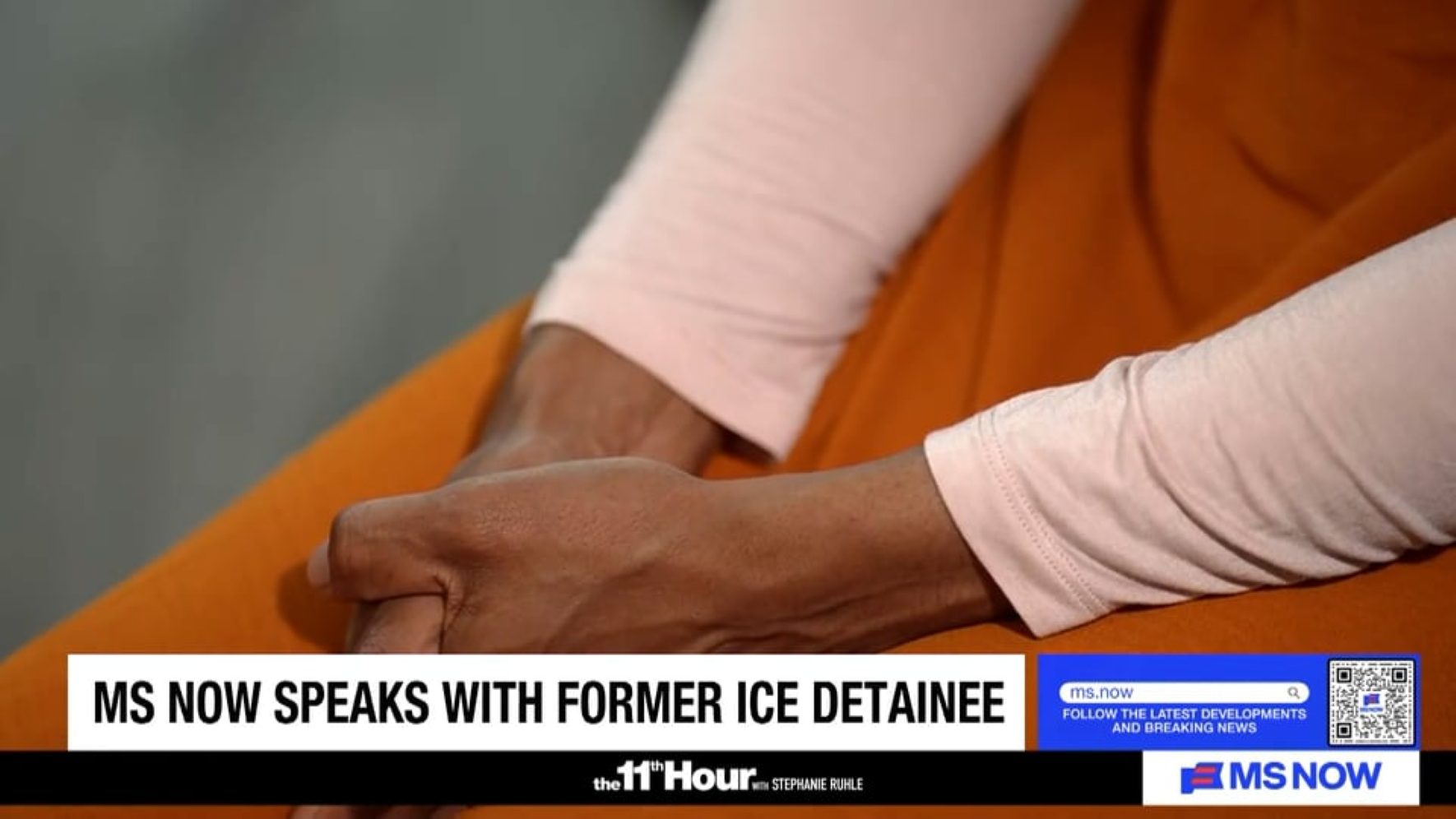
Juliette’s decision to share her story with MS NOW, even anonymously, underscores a profound desire to illuminate the realities faced by those seeking protection in the United States. She hopes her testimony will foster a broader understanding of the adverse consequences of current immigration policies and the system’s impact on vulnerable individuals.
A Pattern of Systemic Challenges and Legal Battles
Juliette’s experience is far from isolated. It exemplifies the critical need for organizations like HIAS, which provide essential legal representation and social services to individuals navigating the labyrinthine U.S. immigration system. HIAS’s legal teams operate within detention centers and courtrooms, advocating for individuals whose voices might otherwise go unheard. Simultaneously, their social services teams offer vital support for recovery and reintegration, recognizing that the challenges extend far beyond legal proceedings.
The organization is actively engaged in combating the broader anti-immigrant agenda through seven legal challenges against the Trump administration’s policies. Among these significant cases is Amica Center for Immigrant Rights v. EOIR, which contests detrimental changes aimed at curtailing immigrants’ ability to appeal adverse decisions in immigration court. Another crucial legal effort is U.H.A. v Bondi, a case that argues against the practice of detaining resettled refugees for rescreening, labeling it as cruel, harmful, and retraumatizing. These legal battles are vital in pushing back against policies that, according to HIAS, undermine due process and human rights.
A Call for Empathy and Action
Juliette’s courageous decision to speak out stems from a desire to effect change and influence public discourse. HIAS expresses profound gratitude for her bravery, reaffirming its unwavering commitment to standing with Juliette and all displaced individuals seeking safety in the United States, irrespective of political shifts.
*Name changed for safety.
Supporting Data and Context
The current high numbers of individuals detained by ICE reflect a significant increase in enforcement activities. Data from sources such as the Transactional Records Access Clearinghouse (TRAC) at Syracuse University have consistently shown fluctuations in ICE detention populations, often correlating with changes in administration policies and priorities. The assertion that over 70% of detainees lack criminal convictions is a critical point, suggesting that a substantial portion of those detained are individuals seeking asylum or other forms of relief, rather than those apprehended for serious criminal offenses.
The conditions described by Juliette at facilities like the Dilley Immigration Processing Center have been a recurring subject of concern for human rights organizations, legal advocates, and medical professionals. Reports have detailed issues ranging from overcrowding and inadequate sanitation to insufficient access to medical care and mental health services. These conditions can exacerbate pre-existing trauma and create new psychological distress for detainees.
The legal challenges mentioned, such as Amica Center for Immigrant Rights v. EOIR, are part of a broader legal strategy to protect the rights of asylum seekers and immigrants. These cases often focus on procedural fairness, due process, and the humanitarian implications of immigration policies. The outcomes of these legal battles can have far-reaching consequences for the immigration system and the individuals it affects.
Broader Implications and Analysis
Juliette’s story highlights a critical tension in U.S. immigration policy: the balance between national security and the humanitarian obligations to asylum seekers. The high rates of detention, particularly for individuals without criminal records, raise questions about the necessity and proportionality of such measures. The prolonged detention of asylum seekers can lead to significant economic, social, and psychological costs, not only for the individuals themselves but also for their families and communities.
The use of ankle monitors as a form of post-detention surveillance is another aspect that warrants examination. While intended to ensure compliance with legal requirements, critics argue that these devices can create a perpetual sense of being monitored and stigmatized, hindering reintegration and perpetuating a cycle of fear and marginalization.
The role of organizations like HIAS is pivotal in addressing these systemic challenges. By providing legal representation, social services, and engaging in advocacy and litigation, they strive to uphold the rights of vulnerable populations and promote a more just and humane immigration system. Juliette’s testimony serves as a powerful reminder of the human impact of policy decisions and the importance of sustained efforts to ensure protection and dignity for all seeking refuge.