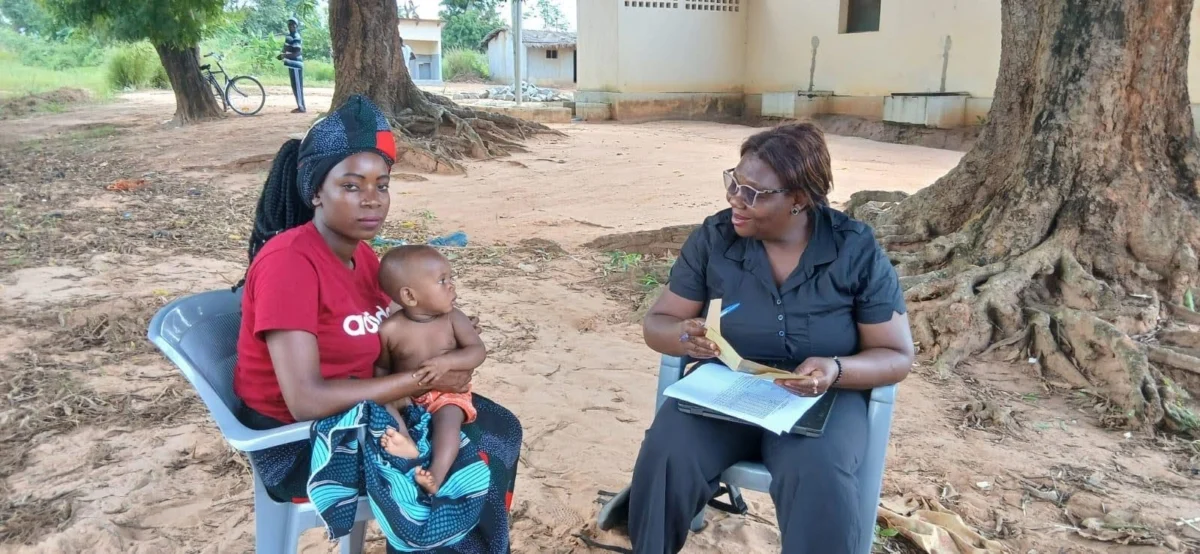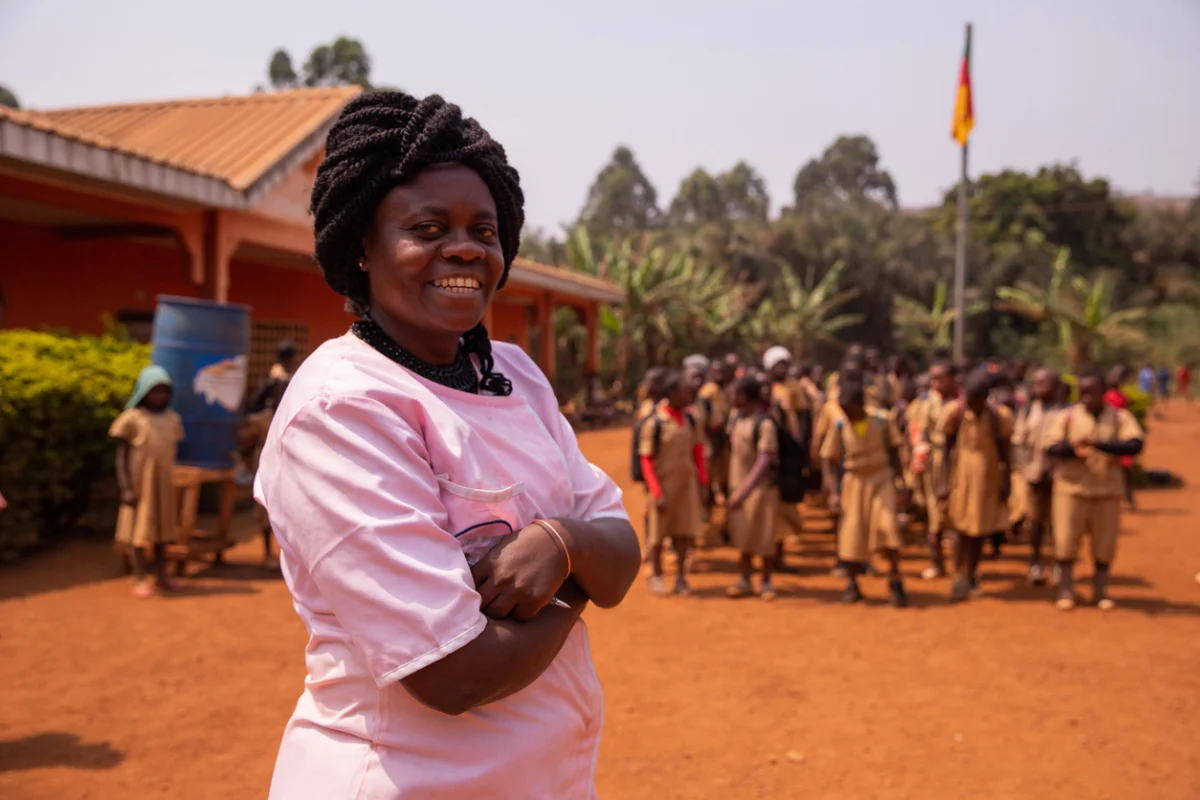
The Government of Mozambique, through the National Youth Institute (Instituto Nacional da Juventude – INJ), has officially commissioned World Education, an initiative of JSI Research & Training Institute, Inc., to lead the Technical Assistance and Training Activity for the "Eu Sou Capaz" (I Am Capable) program. This strategic partnership, supported by the World Bank, marks a significant milestone in the broader "Empowering Adolescent Girls to Earn and Read" (EAGER) strategic vision, a multi-national effort spanning Mozambique, Zimbabwe, and Madagascar. The award signals a renewed commitment by the Mozambican government to dismantle the systemic barriers that prevent adolescent girls from completing their education and transitioning into the workforce.
The "Eu Sou Capaz" initiative is designed to address the multifaceted challenges that drive high school dropout rates among girls in Mozambique. By scaling government-led interventions that target social, economic, and behavioral factors, the program seeks to create a sustainable environment where young women can thrive. World Education’s role will specifically focus on two primary objectives: providing high-level technical assistance to the National Youth Institute to refine program implementation and implementing a robust training framework to ensure that local officials and community leaders are equipped to sustain these interventions over the long term.
The Strategic Vision of EAGER and Regional Context
The EAGER strategic vision represents a coordinated response to the human capital crisis in Eastern and Southern Africa. According to World Bank data, Sub-Saharan Africa faces some of the highest gender disparities in education globally. In Mozambique specifically, while primary school enrollment has seen steady increases over the last decade, the transition to and completion of secondary school remains a critical bottleneck for girls.
Economic pressures, coupled with deeply ingrained socio-cultural norms, often force girls out of the classroom. Data from the United Nations and the World Bank suggest that in Mozambique, nearly 48% of girls are married before the age of 18, and early pregnancy remains one of the leading causes of school cessation. The EAGER initiative recognizes that education cannot be addressed in a vacuum; it must be integrated with economic empowerment and reproductive health awareness.
By aligning "Eu Sou Capaz" with the regional EAGER framework, World Education and the Mozambican government are leveraging lessons learned from neighboring Zimbabwe and Madagascar. This regional approach allows for the sharing of data-driven strategies and the adaptation of successful models to the specific linguistic and cultural context of Mozambique’s various provinces, including Sofala, Nampula, and Zambezia.
Methodology: Human-Centered Design and Social Behavior Change
A cornerstone of World Education’s approach to the "Eu Sou Capaz" project is the integration of Human-Centered Design (HCD) with Social and Behavior Change (SBC) strategies. Rather than imposing top-down solutions, the technical assistance activity prioritizes the lived experiences of the girls themselves.
Obert Darara, JSI’s World Education Country Lead in Mozambique, emphasized that the program’s philosophy extends beyond mere enrollment numbers. "Eu Sou Capaz is about more than access—it is about removing the invisible barriers that stop girls from thriving," Darara stated. "By integrating social and behavior change with human-centered design, we are supporting the National Youth Institute to redesign systems around girls’ realities, ensuring enrollment leads to achievement."
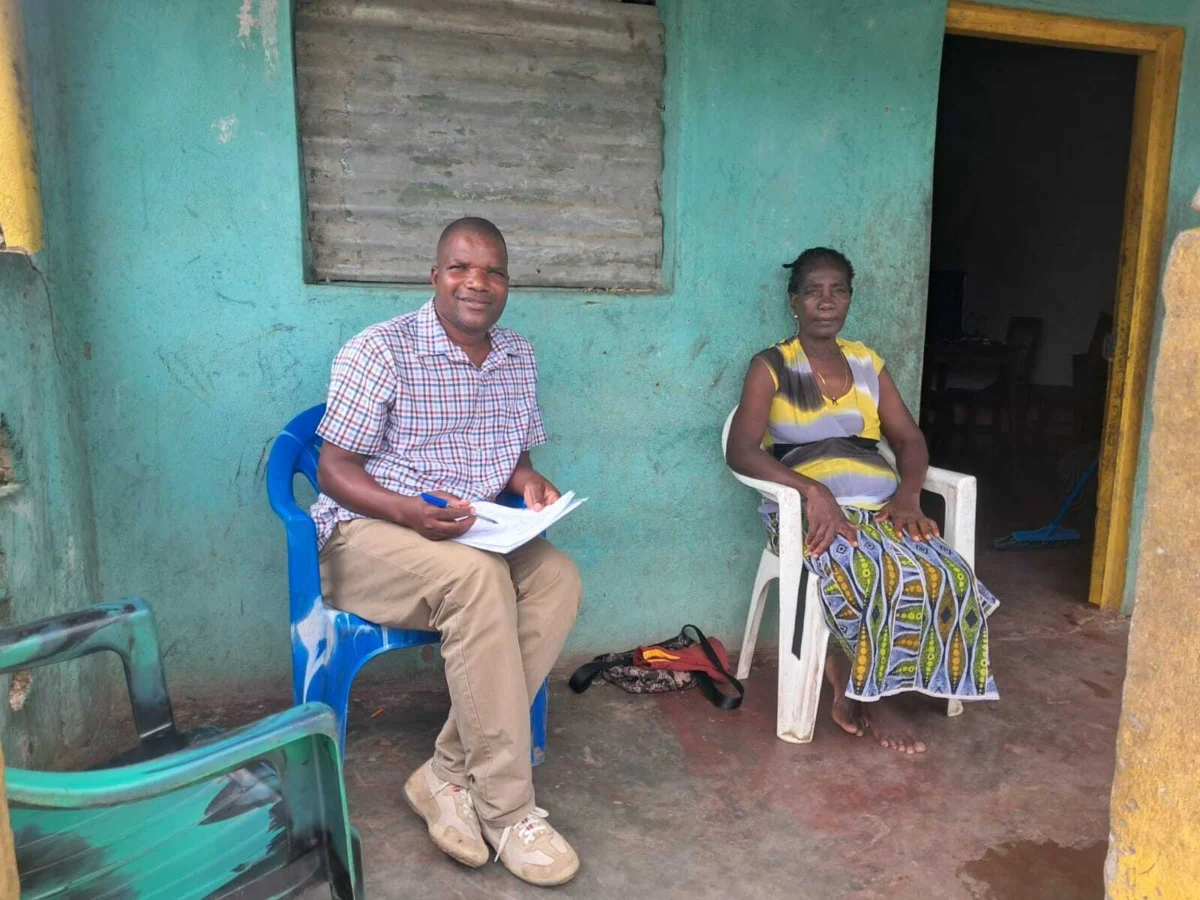
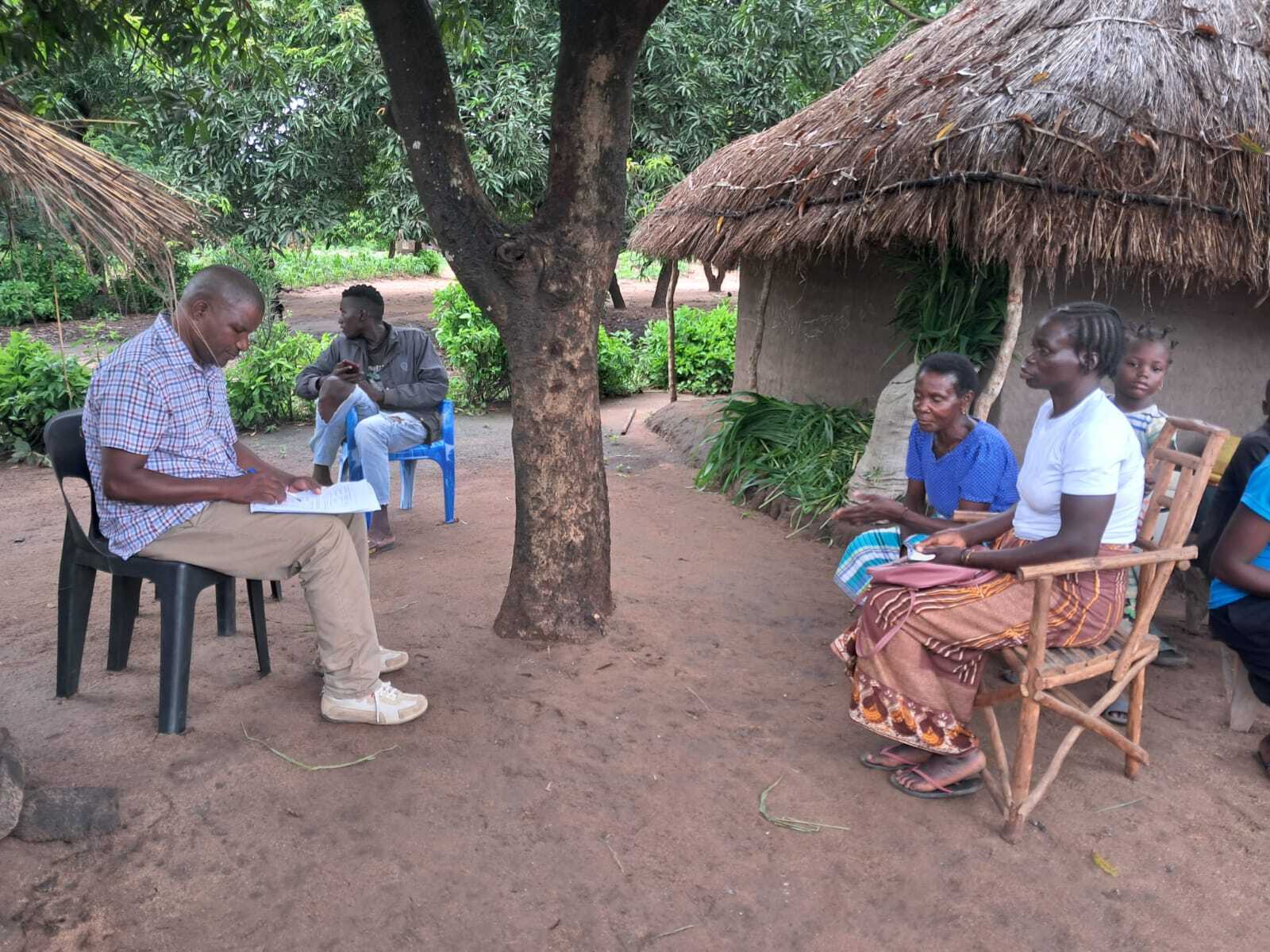
The use of HCD involves iterative cycles of interviewing, prototyping, and testing. Recently, in the Sofala Province, World Education staff member Alberto Domingos conducted a pilot of the Community Leader Mapping Tool. This process involved one-on-one interviews with local leaders to understand the specific triggers of school dropout in their jurisdictions. By mapping these influencers, the program can tailor its outreach to ensure that those who hold social authority—such as village elders and religious leaders—become advocates for girls’ education rather than enforcers of traditional norms that might limit a girl’s potential.
Addressing the Root Causes: GBV and Socio-Cultural Norms
The technical assistance provided by World Education aims to tackle the root causes of educational inequity, specifically gender-based violence (GBV) and harmful socio-cultural practices. In many rural Mozambican communities, girls face significant risks of harassment and violence both on the way to school and within the school environment itself. These safety concerns often prompt parents to keep their daughters at home.
"Eu Sou Capaz" addresses these issues through a three-pronged approach:
- Community Mobilization: Engaging men, boys, and community leaders to redefine masculinity and promote the value of educated women in the economy.
- Material Support: Providing essential supplies, such as school uniforms and learning kits, to alleviate the financial burden on impoverished families.
- Life-Skills Education: Implementing a transformative curriculum that teaches girls about their rights, reproductive health, and financial literacy.
By providing girls with the vocabulary to identify and report abuse, and by creating safer pathways to schools, the program aims to reduce the incidence of teenage pregnancy and early marriage, which are often the final precursors to a girl dropping out of the formal education system.
A Legacy of Regional Impact
World Education brings a 15-year history of regional impact to this new contract. The organization has a proven track record of implementing data-driven educational programs across Southern Africa. Prior to this award, World Education’s initiatives have successfully reached hundreds of thousands of learners, focusing on literacy, vocational training, and the strengthening of local education ministries.
The "Eu Sou Capaz" model draws heavily on this expertise. By applying a data-driven lens, World Education ensures that the program remains nationally scalable while remaining sensitive to the hyper-local needs of Mozambican communities. This involves the use of sophisticated monitoring and evaluation (M&E) systems that track not just attendance, but also the qualitative "soft skills" and confidence levels of the participants.
The technical assistance also focuses on "system strengthening." This means that instead of operating as a parallel entity, World Education works within the existing structures of the National Youth Institute. This ensures that when the project cycle ends, the Mozambican government possesses the internal expertise, digital tools, and training protocols necessary to continue the work independently.
Chronology and Implementation Roadmap
The implementation of the Eu Sou Capaz Technical Assistance and Training Activity is structured across several phases designed to ensure maximum impact and sustainability:
- Phase I: Discovery and Mapping (Current): This phase involves the deployment of tools like the Community Leader Mapping Tool used in Sofala. It focuses on gathering baseline data and identifying the specific socio-economic drivers of dropout in target districts.
- Phase II: System Redesign and Training of Trainers: World Education will work with the National Youth Institute to update training manuals and service delivery protocols. A "Training of Trainers" model will be employed to create a cascade effect, where national officials train provincial coordinators, who in turn train local community activists.
- Phase III: Scaling and Material Distribution: With the systems in place, the program will scale up the distribution of material support and the rollout of life-skills clubs across high-need provinces.
- Phase IV: Evaluation and Policy Integration: The final phase will focus on analyzing the data collected throughout the program to inform national policy. The goal is to integrate the "Eu Sou Capaz" methodologies into the standard operating procedures of the Ministry of Education and Human Development and the National Youth Institute.
Economic Implications and Future Outlook
The implications of the "Eu Sou Capaz" program extend far beyond the classroom. Educating girls is widely recognized by economists as one of the most effective ways to boost a nation’s GDP. According to the World Bank, every additional year of secondary school can significantly increase a woman’s future earnings, which in turn leads to smaller, healthier families and higher rates of community reinvestment.
In Mozambique, a country currently navigating a complex economic landscape and recovering from the impacts of climate-related disasters like Cyclones Idai and Kenneth, the empowerment of the youth population is vital for long-term stability. By focusing on "earning and reading," the EAGER vision prepares girls to enter a modern workforce, whether through formal employment or entrepreneurship.
As World Education begins this new chapter of technical assistance, the focus remains steadfast on the individual girl. The program is a testament to the belief that when a girl is told "Eu Sou Capaz," and is provided with the structural support to back up that claim, the trajectory of an entire nation can change. The collaboration between the Mozambican government, the World Bank, and World Education serves as a blueprint for how multi-sectoral partnerships can address the most stubborn barriers to human development in the 21st century.
Through rigorous data application, human-centered design, and a deep respect for local leadership, the "Eu Sou Capaz" activity is set to redefine the educational landscape for Mozambican girls, ensuring that the barriers of today do not limit the achievements of tomorrow.