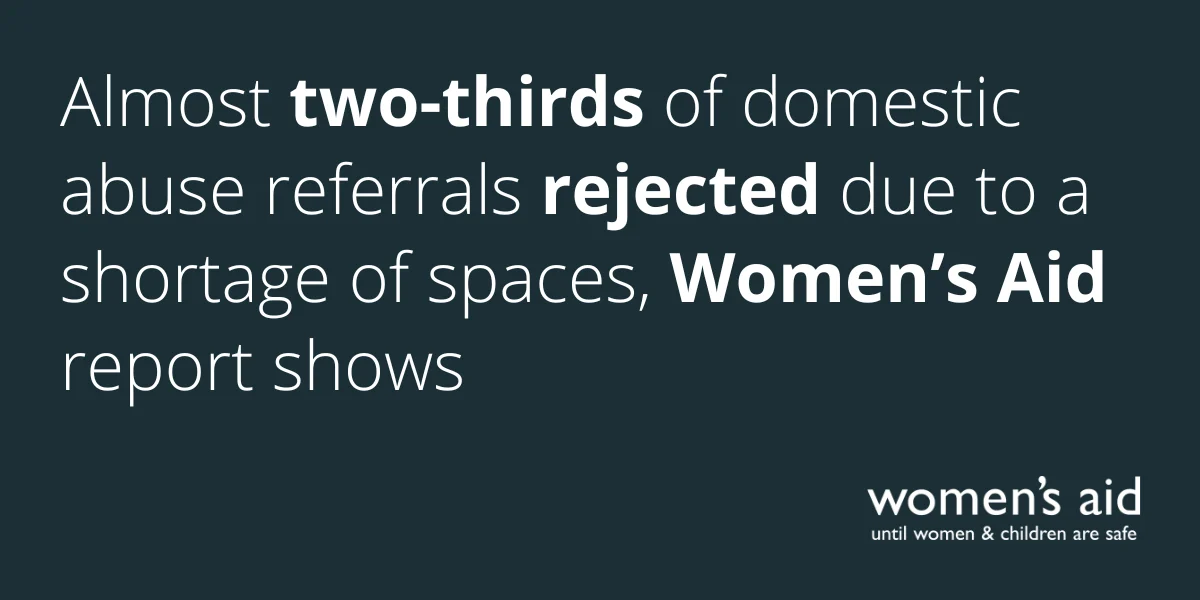
A critical new report by the national domestic abuse charity Women’s Aid has unveiled a stark reality: almost two-thirds (65.2%) of referrals to domestic abuse refuges were rejected last year, primarily due to a severe shortage of space and capacity. This alarming figure represents the highest proportion of rejections recorded in five years, painting a dire picture of a system struggling to provide life-saving support to women and children fleeing violence. The findings, detailed in the charity’s annual Domestic Abuse Report, cast a shadow over recent government pledges and commitments to tackle violence against women and girls (VAWG), highlighting an urgent need for systemic change and sustainable investment in specialist services.
The Alarming Statistics: A Crisis of Capacity
The Women’s Aid report, a definitive national audit of the needs and operations of domestic abuse services, reveals that demand for specialist support far outstrips the current provision. Last year, refuge services supported 10,665 women and 11,732 children. However, the staggering 65.2% rejection rate means that thousands more were turned away at their most vulnerable point, denied safe haven from abuse. This constitutes a significant bottleneck in the pipeline of support, forcing countless individuals to remain in dangerous situations or seek help from overstretched alternative services ill-equipped to handle the complexities of domestic abuse.
This five-year high in rejected referrals is particularly concerning given the ongoing public discourse and policy focus on VAWG. While there has been a year-on-year increase in the total number of bed spaces available, this growth has clearly been insufficient to meet escalating demand. The rejection figures underscore a profound systemic failure, where the infrastructure designed to protect survivors is collapsing under pressure, leaving victims with no safe exit route. The human cost of these rejections is immeasurable, often leading to increased risk of harm, homelessness, or further entrapment in abusive relationships.
Systemic Failures and the Decades-Long Funding Crisis
Women’s Aid identifies the unprecedented rate of refusals as a direct consequence of deep-seated systemic pressures within the housing and social care systems. At the heart of the crisis lies a "decades-long funding crisis" exacerbated by consistently poor commissioning decisions at local authority levels. These practices often prioritise short-term, cost-cutting measures over the long-term, holistic needs of survivors and the sustainability of specialist services. Inadequate funding has led to a precarious operating environment for many refuges, with some relying on dwindling reserves, volunteers, and unstable grants to maintain essential support.
A critical factor contributing to the capacity crunch is the severe lack of "move-on accommodation." Even when survivors secure a space in a refuge, the absence of affordable, safe, and suitable housing options for them to transition into means they often stay in refuges for extended periods. This creates a bottleneck, preventing new referrals from being accepted and effectively reducing the turnover of available spaces. The housing crisis, therefore, directly intersects with the domestic abuse crisis, making it harder for women and children to rebuild their lives independently after leaving an abusive environment.
The report also highlights how these systemic issues disproportionately affect certain groups. Services catering to Black and minoritised communities, as well as those supporting survivors with complex needs (such as mental health issues, substance abuse, or disabilities), often face even greater funding instability and resource shortages. This exacerbates inequalities, leaving some of the most vulnerable survivors without appropriate or culturally competent support.
The Broader Context: Government Pledges vs. Reality
The release of Women’s Aid’s report comes at a particularly poignant moment, following the publication of the cross-government strategy aimed at building a safer society for women and girls. Additionally, the Labour Party has made a significant commitment to halve violence against women and girls within the next decade. These ambitious pledges, while welcome, stand in stark contrast to the grim reality depicted in the report.
The government’s VAWG strategy outlines four pillars: Prevention, Prosecution, Protection, and Provision. The findings from Women’s Aid directly challenge the effectiveness of the "Provision" pillar, demonstrating a significant failure in ensuring adequate specialist support services are available. If the primary safe havens for survivors – refuges – are turning away two-thirds of referrals, the aspiration to halve VAWG appears increasingly unattainable without radical intervention. The economic cost of domestic abuse in the UK is estimated to be billions of pounds annually, including costs to the health service, criminal justice system, and lost economic output. Investing in specialist services is not just a moral imperative but also a sound economic decision, as early intervention and safe housing can significantly reduce these broader societal costs.
Voices from the Frontline: Women’s Aid’s Urgent Call to Action
Farah Nazeer, Chief Executive of Women’s Aid, articulated the gravity of the situation and the urgent need for systemic reform. "As a direct result of consistently poor commissioning decisions, the domestic abuse sector has faced a decades-long funding crisis, yet despite this, it continued to deliver lifesaving care to women and children escaping abuse," Nazeer stated. She emphasised that addressing the epidemic of violence requires a holistic approach, tackling all parts of the system.
Nazeer condemned the unacceptable situation where women and children are forced to remain in refuges for extended periods due to a lack of move-on accommodation, thereby preventing others from accessing essential support. Her call for "dedicated, ringfenced funding for victims, survivors and those who support them" highlights a critical requirement. Many services are operating on partial or unstable funding, a precarious situation that directly impacts survivors, particularly those with complex needs and services run "by and for Black and minoritised communities."
The Chief Executive underscored the irreplaceable value of specialist domestic abuse services. "The reality is that domestic abuse cannot be eradicated without the support and knowledge that specialist domestic abuse services bring," Nazeer asserted. She added that these services are "fundamentally the backbone of our country’s response to ending violence against women and girls" and their work must be protected if society is to finally live in a world where domestic abuse is no longer tolerated.
Evolving Threats: The Rise of Technology-Facilitated Abuse
Beyond the immediate crisis of capacity and funding, the report also sheds light on the evolving landscape of domestic abuse. Services are increasingly adapting to provide support for survivors experiencing new and complex forms of technology-facilitated abuse. This trend reflects the pervasive nature of digital platforms in modern life, which abusers exploit to exert control and inflict harm.
Among the most prevalent forms of technology-facilitated abuse disclosed to services were online stalking (78.1%) and the non-consensual sharing of intimate images (or threats thereof) (66.4%). These digital tactics allow abusers to maintain surveillance, harass, and intimidate survivors even after physical separation, creating a chilling extension of control that can make escape even more challenging.
A particularly disturbing new trend identified by the report was coerced participation in platforms like OnlyFans or other online activities. This form of abuse often involves financial exploitation, sexual coercion, and severe reputational damage, trapping survivors in cycles of digital and economic control that are difficult to escape. The emergence of such sophisticated forms of abuse demands not only increased digital literacy and security awareness but also specialised training and resources for support services, adding another layer of complexity to their already strained operations. Services have also had to contend with the wider social and political developments, including the impact of far-right riots and international humanitarian crises, which can have ripple effects on survivors’ safety and support needs.
The Human Cost and Societal Impact
The implications of turning away two-thirds of domestic abuse referrals are profound and far-reaching. For individual survivors, it can mean prolonged exposure to violence, severe psychological trauma, and, in the most tragic cases, loss of life. Denied a safe space, many are forced to return to their abusers, facing heightened risks of physical and emotional harm. Children witnessing or experiencing domestic abuse also suffer immense long-term consequences, impacting their development, mental health, and future relationships.
On a societal level, the failure to adequately support survivors translates into increased burdens on other public services. Survivors unable to access specialist refuge spaces may present at emergency rooms, police stations, or homelessness services, which are not designed to provide the comprehensive, trauma-informed care offered by specialist domestic abuse providers. This creates a domino effect, leading to increased pressure on already overstretched healthcare and justice systems, while also failing to address the root causes of the survivor’s predicament. The government’s promise to halve VAWG will remain an aspiration rather than a reality if these fundamental support structures are allowed to crumble.
Recommendations and A Path Forward
In response to its sobering findings, Women’s Aid has put forth clear and actionable recommendations for the government. The charity urges recognition of the invaluable contribution of specialist services and calls for long-term, sustainable investment. This includes expediting plans to review current commissioning standards and establishing a new National Commissioning Statement. This statement should oversee supported housing and ensure accountability for poor commissioning decisions, explicitly prioritising survivor needs over mere cost-cutting measures.
Women’s Aid argues that investing in non-specialist services, while seemingly a solution, often leads to survivors "flocking to other public services," thereby creating more pressure on those systems rather than alleviating it. Specialist services possess unique expertise, understanding the complex dynamics of abuse and providing tailored, holistic support that is crucial for survivors’ recovery and long-term safety.
The charity’s recommendations underscore the necessity of breaking down wider systemic issues that impede effective support. Without dedicated investment in specialist services and a concerted effort to address the housing crisis and commissioning failures, the government’s ambitious targets for halving VAWG will likely go unmet. Survivors will continue to be left without the safe exit routes and comprehensive support they desperately need to rebuild their lives free from violence. The report serves as a powerful call to action, demanding that policymakers move beyond rhetoric and implement tangible, well-funded strategies to protect the most vulnerable in society.