By Preeti Vasudevan
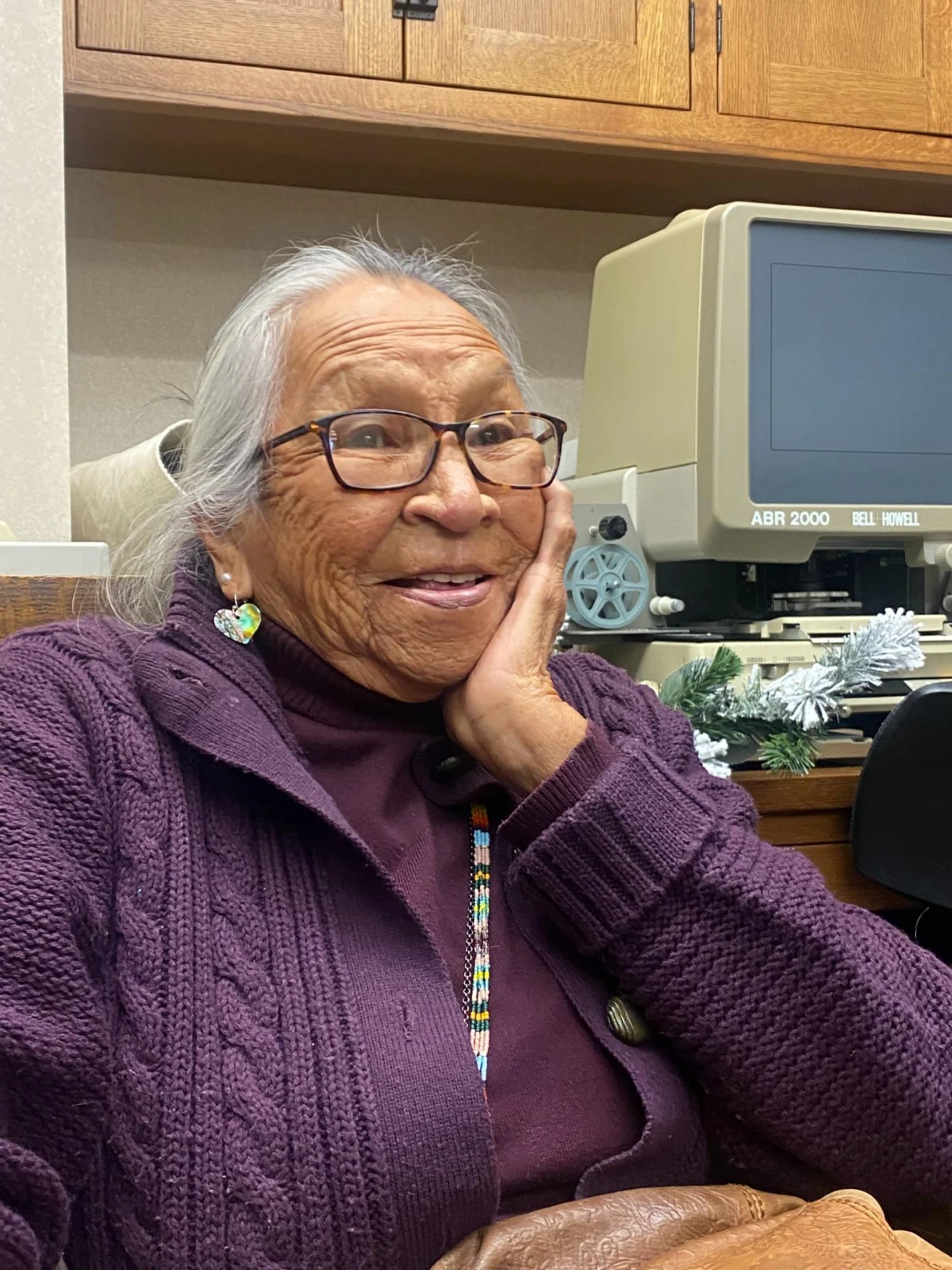
Margo Real Bird, a respected elder of the Crow Tribe and a pivotal figure in oral history documentation, passed away on January 8, 2026, leaving behind a profound legacy of resilience, humor, and the preservation of ancestral narratives. Her passing marks the end of an era for many who were touched by her wisdom and infectious laughter, particularly in the context of the ongoing project to document the unheard stories of women in America. Real Bird, who was 82 during a significant filming session at the Big Horn County Historical Museum in Hardin, Montana, embodied a unique blend of childlike innocence and deep ancestral knowledge, a combination that resonated deeply with those who had the privilege of hearing her recount her life experiences.
Preserving the Echoes of History: The Crow Nation and the Battle of the Little Bighorn
Real Bird hailed from an esteemed lineage within the Crow Tribe, a nation whose history is inextricably linked to pivotal moments in American history. The land where she lived and shared her memories is the very ground where the historic Battle of the Little Bighorn, often referred to as Custer’s Last Stand, took place in 1876. This profound connection to historical events is not merely academic for the Crow people; it is a living, breathing part of their identity. Every summer, her family and community members participate in a re-enactment of the battle, an event meticulously narrated by tribal members. This tradition serves as a powerful reminder of how land, memory, and the physical body act as conduits for history, mirroring the persistent flow of the river near their homes. The Battle of the Little Bighorn itself, a clash between the U.S. Army’s 7th Cavalry and a combined force of Lakota, Northern Cheyenne, and Arapaho warriors, remains a subject of intense historical study and interpretation, with the Crow Nation’s perspective offering a crucial, often underrepresented, viewpoint on the complex dynamics of the Plains Wars. The re-enactment, a tradition that spans generations, not only educates but also reinforces cultural continuity and honors the ancestors who lived through this tumultuous period.
A Tapestry of Anecdotes: Humor as a Healing Force
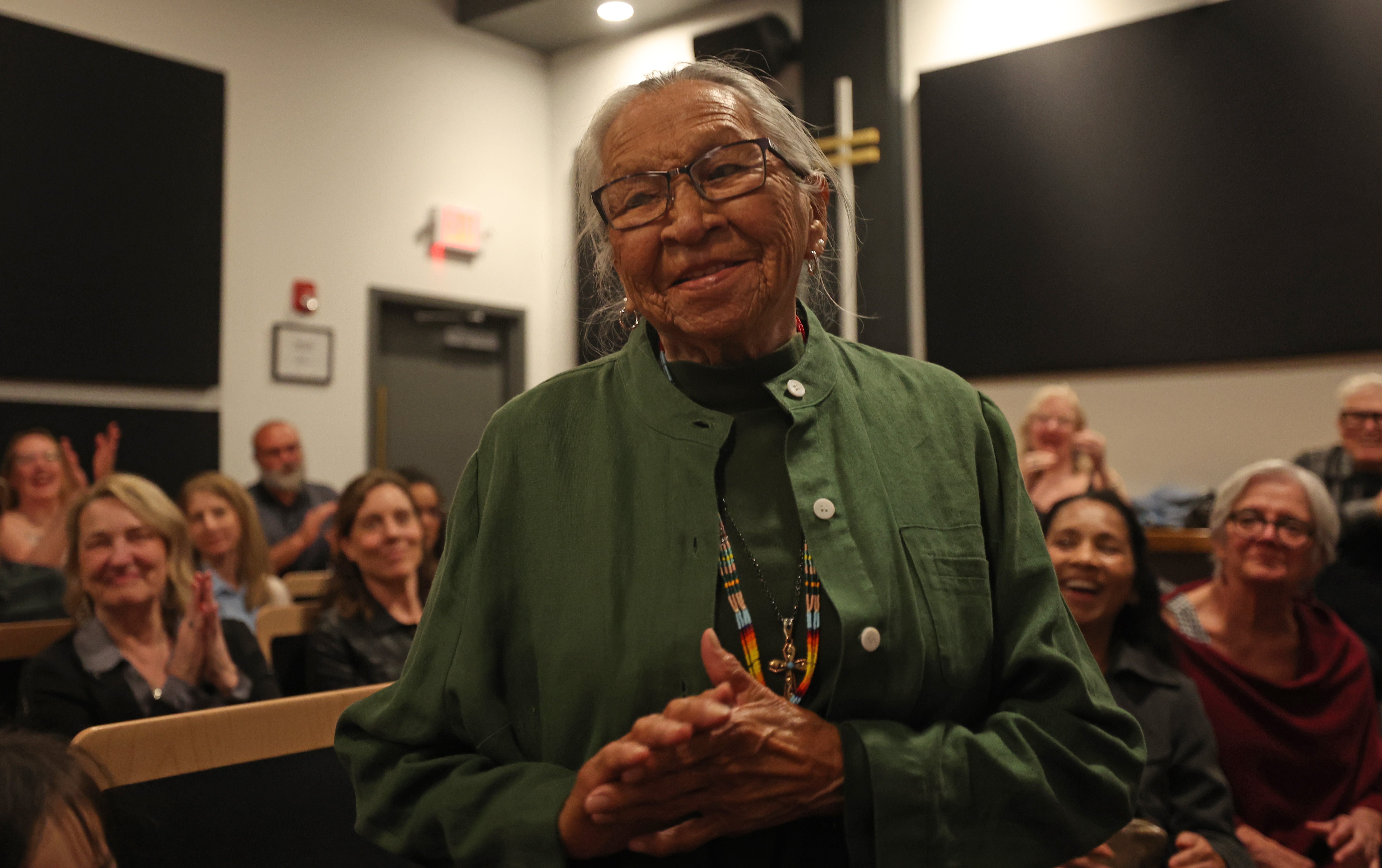
During her recorded recollections, Real Bird shared a particularly memorable anecdote about how her father introduced her to the story of Jesus. With a twinkle in her eye and a burst of laughter, she recounted, "Well, they put Jesus on the Cross as he was so handsome because they were jealous of their wives [falling for him]…" This lighthearted yet insightful interpretation, delivered with the innocence of an eight-year-old but the wisdom of an elder, captivated the filmmakers and attendees alike. This anecdote, emblematic of her storytelling style, highlighted her profound ability to transform potentially somber or complex narratives into relatable and humorous reflections on human nature. Her laughter, a sound that lingered long after her passing, served as a testament to her chosen path of embracing humor as a primary coping mechanism and a source of strength.
The impact of Real Bird’s stories was palpable during a screening of her recorded memories. Audiences were moved to tears of laughter, a testament to the power of her anecdotes and her infectious spirit. Attendees left not only entertained but also, as described by Vasudevan, "a bit wiser and happier." This shared experience underscored the therapeutic and connective power of oral traditions, particularly when delivered with such authenticity and warmth. The act of sharing these stories, often deeply personal and rooted in lived experience, fosters a sense of community and mutual understanding, bridging generational and cultural divides.
The Matriarchal Voice: Unheard Stories of American Women
Margo Real Bird was the inaugural matriarch featured in Preeti Vasudevan’s ambitious project, "First Voices," an initiative dedicated to capturing the unheard stories of women in America. Vasudevan, an award-winning choreographer, writer, and Certified Movement Analyst, founded Thresh, an organization that champions vulnerability as a sacred asset and emphasizes deep listening as a pathway to true identity. The "First Voices" program specifically targets underserved communities, partnering with women and youth to transform their silenced narratives into a profound expression of shared humanity through dance and storytelling.
The project’s underlying philosophy recognizes women as the primary custodians of family legacy and nurturers of future generations. Vasudevan posits that women are "grand vessels of deep emotions, holding stories that they often keep within themselves, rarely shared with the outside world." These narratives, she argues, are embedded not just in words but also in the physical body, creating "the most intricate kaleidoscope of life." The value of these visceral memories, she emphasizes, cannot be replicated through secondary sources; they are fluid, evolving, and conveyed through a delicate interplay of verbal and nonverbal communication. This approach acknowledges the profound depth of knowledge and experience held by women, often unacknowledged in broader societal narratives.
Colonial Trauma and the Garden of Hope
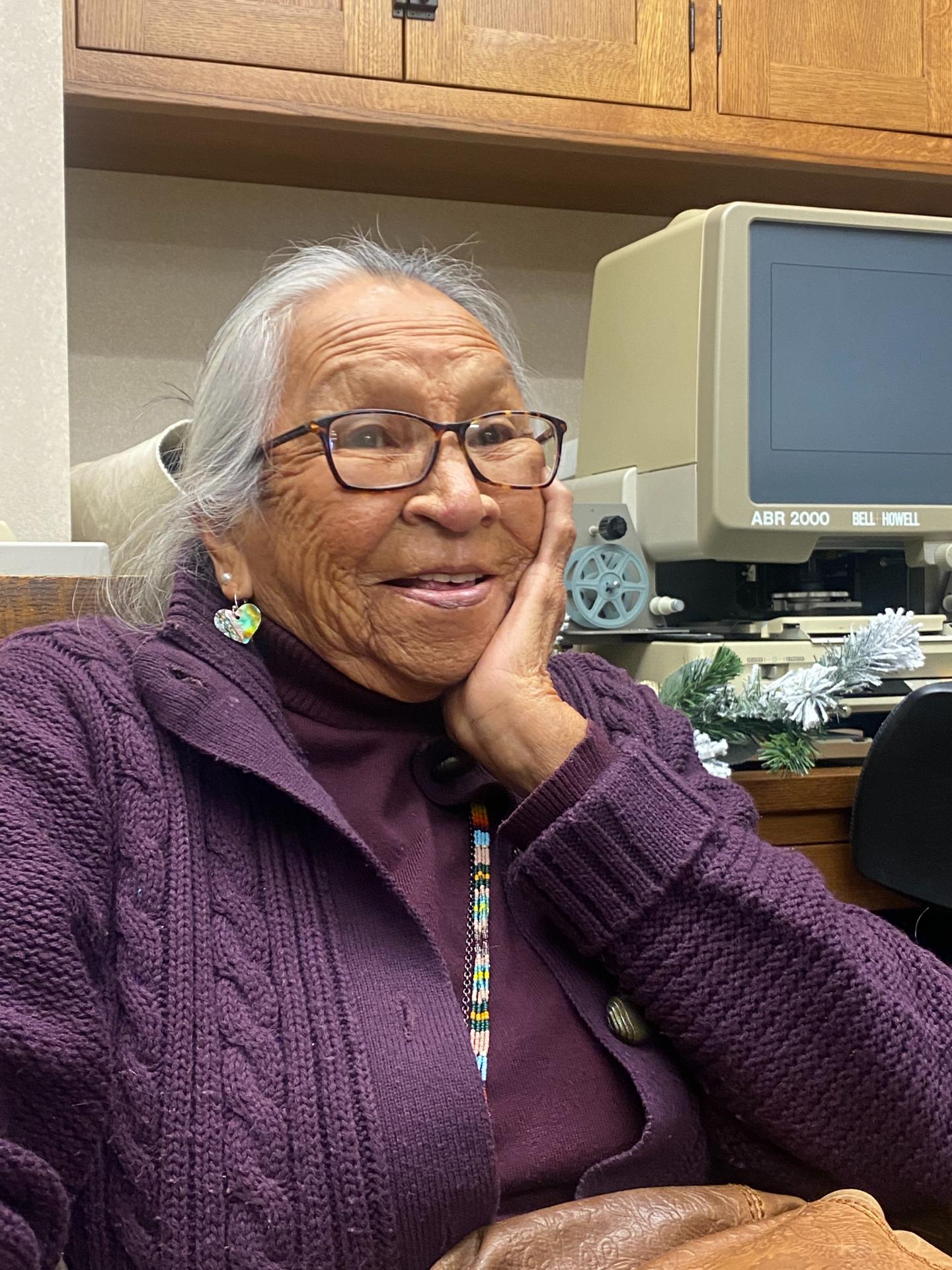
A particularly striking aspect of Real Bird’s presence, as observed by Vasudevan, was her remarkable ability to navigate and transcend centuries of colonial trauma. Instead of succumbing to despair, she transformed these historical wounds into a "garden of hope and surrender." This was not a passive surrender, but an active engagement with a universal wisdom that guided her understanding of life and its transmission to future generations. Vasudevan identified humor as Real Bird’s chosen weapon against adversity, a "healing, life-changing" gift that provided a "great gift of a smile despite everything that is thrown at you." This humor, she explained, fosters empathy, encouraging individuals to focus on mutual giving rather than self-aggrandizement, ultimately allowing for greater human connection and spiritual elevation.
The legacy of colonial impact on Indigenous communities in America is a well-documented and devastating reality. Policies of forced assimilation, land dispossession, and cultural suppression have inflicted deep wounds that continue to affect generations. Real Bird’s ability to find joy and resilience in the face of such historical burdens is a powerful testament to the enduring strength of the human spirit and the deep cultural reservoirs of Indigenous peoples. Her approach offers a model for healing and reconciliation, demonstrating that even amidst profound historical injustices, hope and joy can be cultivated.
A Life of Presence and Generosity
Real Bird’s embodiment of matriarchal wisdom was evident in her everyday interactions. Vasudevan observed her shopping with her granddaughters, a scene filled with laughter and attentive observation of her beloved family members. A simple exclamation, "Oh! Look at that tree!" served as a profound lesson in cultivating curiosity in younger generations, who are increasingly tethered to digital devices and may overlook the natural world. Real Bird’s "presence" was profound; she possessed an uncanny awareness of those around her, understanding their thoughts and feelings, and processing it all with a characteristic chuckle.
This deep sense of presence and attunement is a hallmark of effective matriarchal leadership. It involves not only managing the present but also understanding the flow of time and the impact of decisions across generations. The ability to "give life, steward it, lose it, embrace it" speaks to the cyclical nature of existence and the profound responsibilities that come with leadership within a family and community. The image of a broken pot being "reborn from that clay, that soil, that land" serves as a powerful metaphor for resilience and renewal, suggesting that true strength lies in the ability to draw upon ancestral foundations to rebuild and thrive, much like the women who have historically used the earth’s bounty to nourish and sustain their families. The kitchen, often the heart of the home, becomes a sacred space where this nurturing, teaching, and embracing takes place, all infused with the grace and humor of the matriarch.
Broader Implications: The Importance of Oral Histories
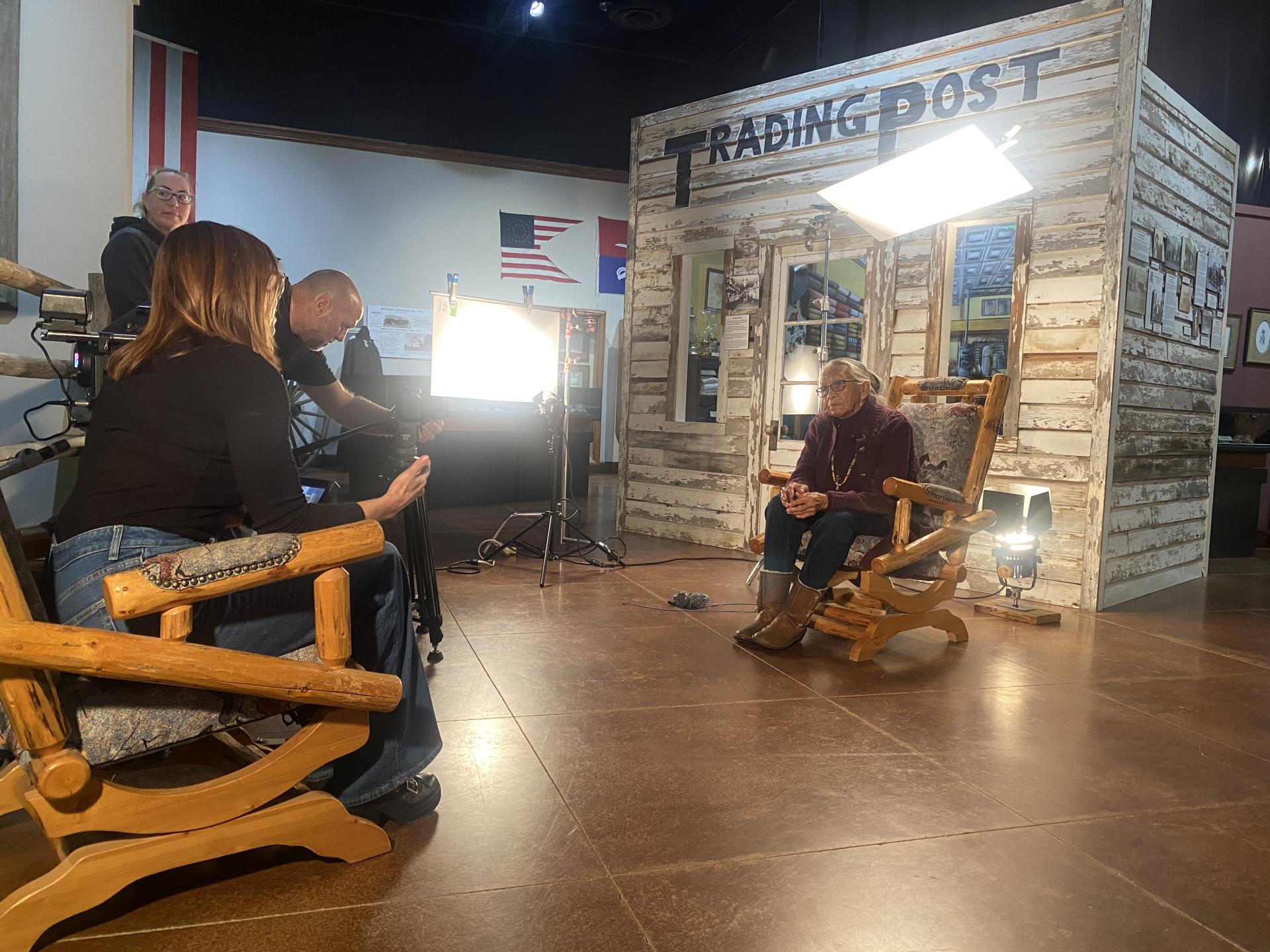
The passing of Margo Real Bird underscores the critical importance of oral history projects like "First Voices." In an era where information is abundant but often superficial, the deep, embodied knowledge held by elders, particularly Indigenous elders and women, is invaluable. These stories are not merely historical records; they are living archives of cultural memory, resilience, and wisdom. The "First Voices" project, by actively seeking out and preserving these narratives, is performing a vital service in ensuring that these crucial perspectives are not lost to time.
The implications of such projects extend far beyond the communities directly involved. By amplifying the voices of marginalized groups, these initiatives contribute to a more nuanced and comprehensive understanding of American history and identity. They challenge dominant narratives and offer alternative perspectives that enrich our collective understanding of the human experience. The work of Vasudevan and Thresh highlights a growing recognition that true understanding requires listening to those who have historically been silenced, and that their stories hold keys to navigating the complexities of the present and building a more equitable future. The data on declining oral traditions among younger generations, often attributed to increased reliance on digital media and a perceived disconnect from elders, further emphasizes the urgency of these preservation efforts. The "First Voices" program serves as a vital countermeasure, bridging this gap and fostering intergenerational dialogue.
The legacy of Margo Real Bird, a matriarch who navigated the currents of history with grace, humor, and unwavering spirit, serves as a profound reminder of the power of individual stories to illuminate the collective human journey. Her life’s work, woven into the fabric of her community and now preserved through the efforts of dedicated storytellers, will continue to inspire and educate for generations to come.