The 2026 WNBA Draft, held at The Shed in New York City, has set the stage for what analysts are calling a transformative era for women’s professional basketball. Following a period of unprecedented league expansion and the implementation of a landmark Collective Bargaining Agreement (CBA), the draft served as the culminating event of a high-stakes off-season defined by roster volatility and record-breaking financial commitments. The Dallas Wings solidified their future backcourt by selecting University of Connecticut guard Azzi Fudd with the first overall pick, a move that reunites her with 2025 top pick Paige Bueckers and signals a strategic shift for the franchise.
The selection of Fudd comes at a pivotal moment for the WNBA. The league has recently navigated a dizzying two-week window featuring an expansion draft and a free agency period that reshuffled rosters across all franchises. This movement is largely attributed to the new CBA, which has fundamentally altered the league’s economic landscape. Under the new terms, players have gained access to significantly higher compensation packages and teams have been granted larger salary caps, providing the necessary capital to entice and retain elite global talent.
The Financial Revolution of the 2026 Rookie Class
The most immediate impact of the new CBA is visible in the rookie contracts signed by the 2026 class. Azzi Fudd’s entry into the league is marked by a four-year rookie contract valued at $2.2 million, a figure that represents a monumental increase from the rookie scales of previous decades. This financial shift is expected to reduce the necessity for top-tier players to compete overseas during the off-season, allowing for better physical recovery and greater investment in domestic brand-building.
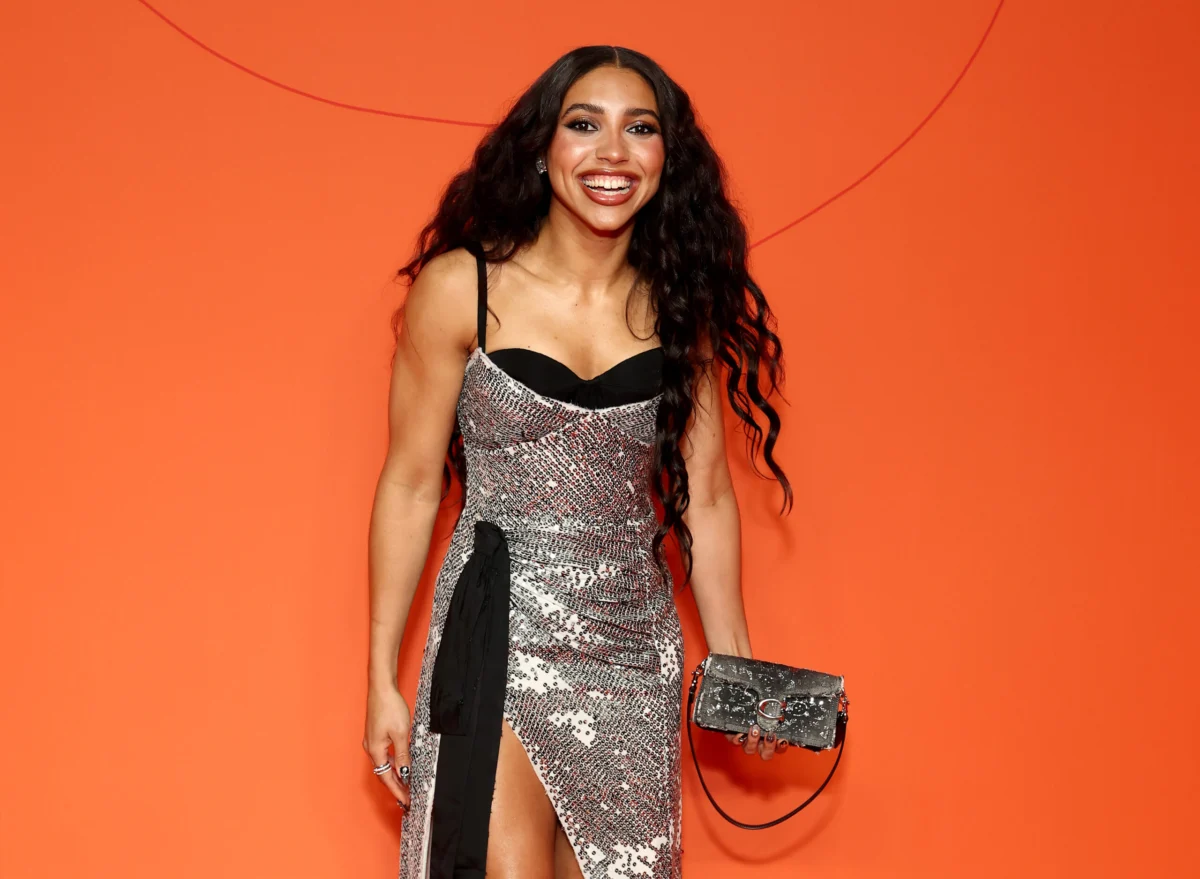
Industry experts suggest that the $2.2 million figure is a direct result of the league’s surging media rights valuation and increased sponsorship interest. The "orange carpet" event preceding the draft further highlighted this commercial evolution, with Fudd appearing in a custom-designed gown by luxury fashion house Coach, illustrating the growing intersection between professional women’s sports and high-end lifestyle branding.
Strategic Realignment: The Dallas Wings and the UConn Connection
The Dallas Wings’ decision to select Fudd was widely anticipated by league insiders, though speculation remained that the franchise might consider Notre Dame/TCU standout Olivia Miles. By choosing Fudd, the Wings have opted for established chemistry. Fudd and Paige Bueckers, who was the No. 1 overall pick in 2025, led the UConn Huskies to an NCAA Championship in 2025. Their reunion in the professional ranks is expected to provide the Wings with a sophisticated offensive engine capable of competing with the league’s established powerhouses.
"I’m excited to play again with Paige," Fudd stated during an interview with ESPN following her selection. "She’s an incredible player and it’s going to be a lot of fun."
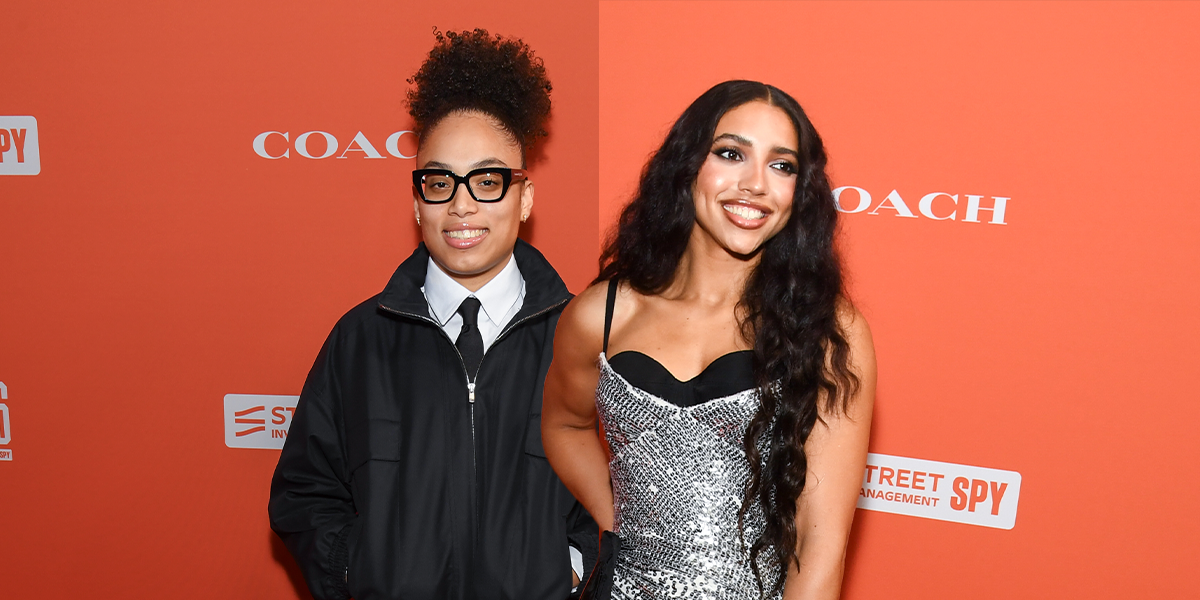
The Wings’ roster construction reflects a broader trend of "superteam" assembly facilitated by the new salary cap. By pairing two consecutive No. 1 picks who share a deep history on and off the court, Dallas is positioning itself as a primary contender for the 2026 title. This strategy also carries significant marketing weight, as the partnership between Fudd and Bueckers has garnered extensive social media engagement and parasocial interest, which the league is keen to convert into ticket sales and viewership.
First Round Highlights and Key Selections
The draft board remained active with several high-profile selections following Fudd’s top spot.
Olivia Miles to the Minnesota Lynx
Olivia Miles was selected second overall by the Minnesota Lynx. Miles’ path to the WNBA was unconventional; after a celebrated career at Notre Dame, she opted out of the 2025 draft to enter the transfer portal, eventually playing her final collegiate season at TCU. The Lynx, a franchise currently in a state of aggressive restructuring, hope Miles will provide the playmaking stability needed following the recent trades of Natisha Hiedeman to the Seattle Storm and Dijonai Carrington to the Chicago Sky.
Lauren Betts and the Washington Mystics
The Washington Mystics used the fourth overall pick to select 6-foot-7 center Lauren Betts. Betts, a two-time All-American, enters the league fresh off a national championship victory with UCLA. Her selection was a highlight for the Bruins program, which saw a record six players drafted in a single night. The Mystics, currently described by analysts as being in an "extreme rebuild" phase, view Betts as the defensive anchor of their future frontcourt.
Taina Mair and Rori Harmon
The Seattle Storm added depth to their roster by selecting Duke’s Taina Mair at No. 14. Mair is coming off a senior season that ranks among the most statistically productive in Blue Devils history. Later in the draft, the Washington Mystics secured what many observers called the "steal of the draft" by selecting Texas guard Rori Harmon with the 34th overall pick. Despite being projected as a higher pick in early mock drafts, Harmon’s fall to the third round provides Washington with an elite perimeter defender at a high-value draft position.
A New Era of Visibility and Representation
The 2026 draft class is also being noted for its high level of transparency and representation. Azzi Fudd and Paige Bueckers represent the first instance of a pair of No. 1 overall picks on the same team who are also in a public relationship. This level of openness marks a significant departure from previous eras of the WNBA. While Brittney Griner became the first openly gay player to be drafted No. 1 in 2013, the 2026 class features multiple "out" players at the top of the draft board.
This cultural shift is viewed as a vital component of the league’s identity. The WNBA has long been a pioneer in social justice and LGBTQ+ advocacy, and the current generation of players is entering the league with an unprecedented level of comfort regarding their personal lives. This visibility is expected to strengthen the league’s connection with its core demographic while attracting a broader, more diverse fan base.

Chronology of the 2026 Off-Season
The draft is the final major milestone before the commencement of the 2026 season. The timeline of events leading to this point includes:
- The Expansion Draft: New franchises (including those in Golden State and Toronto) selected players from existing rosters, forcing established teams to make difficult protection decisions.
- The Free Agency Period: Facilitated by the new CBA, high-profile veterans like Natasha Cloud, Isabelle Harrison, and the duo of Alyssa Thomas and DeWanna Bonner moved to new markets, including New York and Phoenix.
- The Collegiate Draft (April 13, 2026): Held at The Shed, finalizing the entry of the newest talent pool.
- Training Camp (Commencing April 18, 2026): Teams have only five days post-draft to integrate rookies before rosters must be finalized for the season opener.
Broader Impact and League Outlook
The implications of the 2026 draft extend far beyond individual team rosters. The league is currently navigating a period of rapid professionalization. With rookie salaries now exceeding the million-dollar mark for top picks, the WNBA is effectively closing the "wage gap" that previously saw top American talent prioritizing European and Chinese leagues for financial stability.
Furthermore, the concentration of talent in markets like Dallas, New York, and Minnesota suggests a league that is becoming increasingly top-heavy, a common trait in professional sports leagues experiencing a "boom" period. The presence of established stars alongside highly touted rookies like Fudd, Miles, and Betts is expected to drive television ratings to record highs.
However, the rapid pace of change has also brought challenges. The separation of established player tandems—such as Natisha Hiedeman and Dijonai Carrington—via trades has sparked discussions regarding the emotional and professional toll of the league’s new, more volatile business model. As the WNBA adopts a structure more akin to the NBA, with frequent trades and high-stakes free agency moves, the "family" atmosphere of the league’s earlier years is being replaced by a more rigorous, corporate-professional standard.
As teams head to training camp this week, the focus shifts from the boardroom and the draft stage to the hardwood. With the 2026 season on the horizon, the WNBA appears poised to capitalize on its greatest asset: a generation of athletes who are as commercially viable and socially impactful as they are athletically gifted. The selection of Azzi Fudd as the No. 1 pick is not just a win for the Dallas Wings; it is a signal that the WNBA has successfully entered a new, more lucrative chapter in its history.