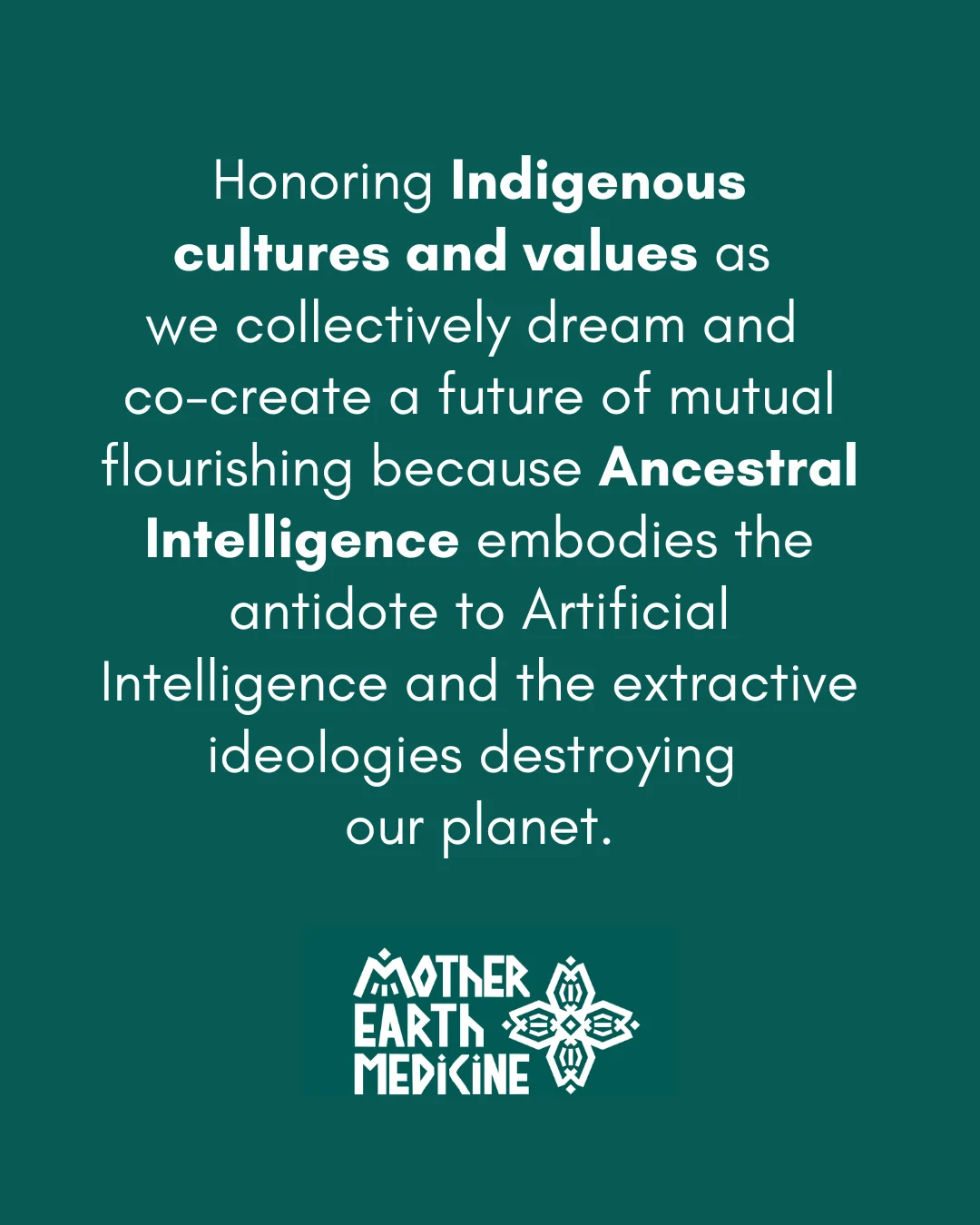
Cultural Survival and the "Nihizhi" Podcast are embarking on a significant collaborative initiative to amplify Indigenous voices and perspectives through a new audio series. Titled "Mother Earth Medicine: An Ancestral Intelligence Podcast to Heal Our Future," the podcast is slated for its official launch on Earth Day, April 22, 2026. This venture aims to disseminate "potent and inspiring content that ushers in Ancestral Intelligence," positioning it as a vital counterpoint to the pervasive influence of Artificial Intelligence and the detrimental ideologies that have contributed to global environmental degradation.
The podcast’s core mission is to foster a deeper understanding and appreciation of Indigenous cultures and values. By bringing together Indigenous leaders, knowledge keepers, and allies, the series intends to collectively envision and co-create a future characterized by mutual flourishing and a harmonious relationship with the planet. The concept of "Ancestral Intelligence," as defined by the podcast, is rooted in Indigenous cosmovisions, traditional knowledge systems, and deeply held values. This framework is presented as an essential antidote to the extractive practices and technological advancements that currently pose existential threats to the Earth’s ecosystems.
The program will be co-hosted by two prominent figures in Indigenous advocacy and scholarship: Aimee Roberson, Executive Director of Cultural Survival, and Dr. Lyla June Johnston, host of the "Nihizhi" Podcast and a distinguished member of the Cultural Survival Board. Their expertise and diverse backgrounds promise a rich and insightful dialogue as they engage with a global array of Indigenous leaders and their allies.
Aims and Objectives of "Mother Earth Medicine"
The overarching goal of "Mother Earth Medicine" is to address the world’s most pressing challenges by centering Indigenous wisdom and time-tested values. The podcast will explore how traditional knowledge systems promote sustainable and regenerative lifeways, fostering a right relationship with Mother Earth. This approach emphasizes the interconnectedness of all living beings and the inherent value of ecological balance.
Co-host Aimee Roberson articulated the podcast’s vision, stating, "We are revitalizing traditional knowledge, rekindling kinship and trade routes; and building movements and networks for social change, collective care, and mutual aid." This statement underscores a commitment to not only preserving but actively re-invigorating Indigenous practices and community-building strategies.
Dr. Lyla June Johnston echoed this sentiment, expressing a desire to inspire listeners to reconnect with their own heritage. "We hope to inspire our listeners to reconnect with their own Indigenous roots… Join us on a journey of solidarity as we highlight Nations who never forgot their ways of life and who fight on the front lines every day to protect their languages, cultures, and territories," she remarked. This invitation highlights the podcast’s role in fostering a sense of shared purpose and supporting Indigenous peoples who are actively defending their ancestral lands and cultural identities.
About the Hosts: Pillars of Indigenous Knowledge and Advocacy
The caliber of the podcast’s hosts significantly contributes to its potential impact.
Dr. Lyla June Johnston is a multifaceted Indigenous artist, author, and community organizer, drawing heritage from the Diné (Navajo) and Tsétséhesestotse (Cheyenne) nations, alongside European ancestry. Her presentations, characterized by a unique blend of artistic expression and academic rigor, have resonated with global audiences, advocating for personal, collective, and ecological healing. Johnston’s academic pursuits, including her study of Human Ecology at Stanford and graduate work in Indigenous Pedagogy, are deeply informed by the traditional worldview she was raised within. Her doctoral research critically examined how pre-colonial Indigenous Nations in the Americas cultivated abundant and sustainable food systems for both human and non-human inhabitants, a testament to the sophisticated ecological management practices of Indigenous peoples. As the established host of the "Nihizhi" Podcast, she brings a wealth of experience in audio storytelling and Indigenous discourse.
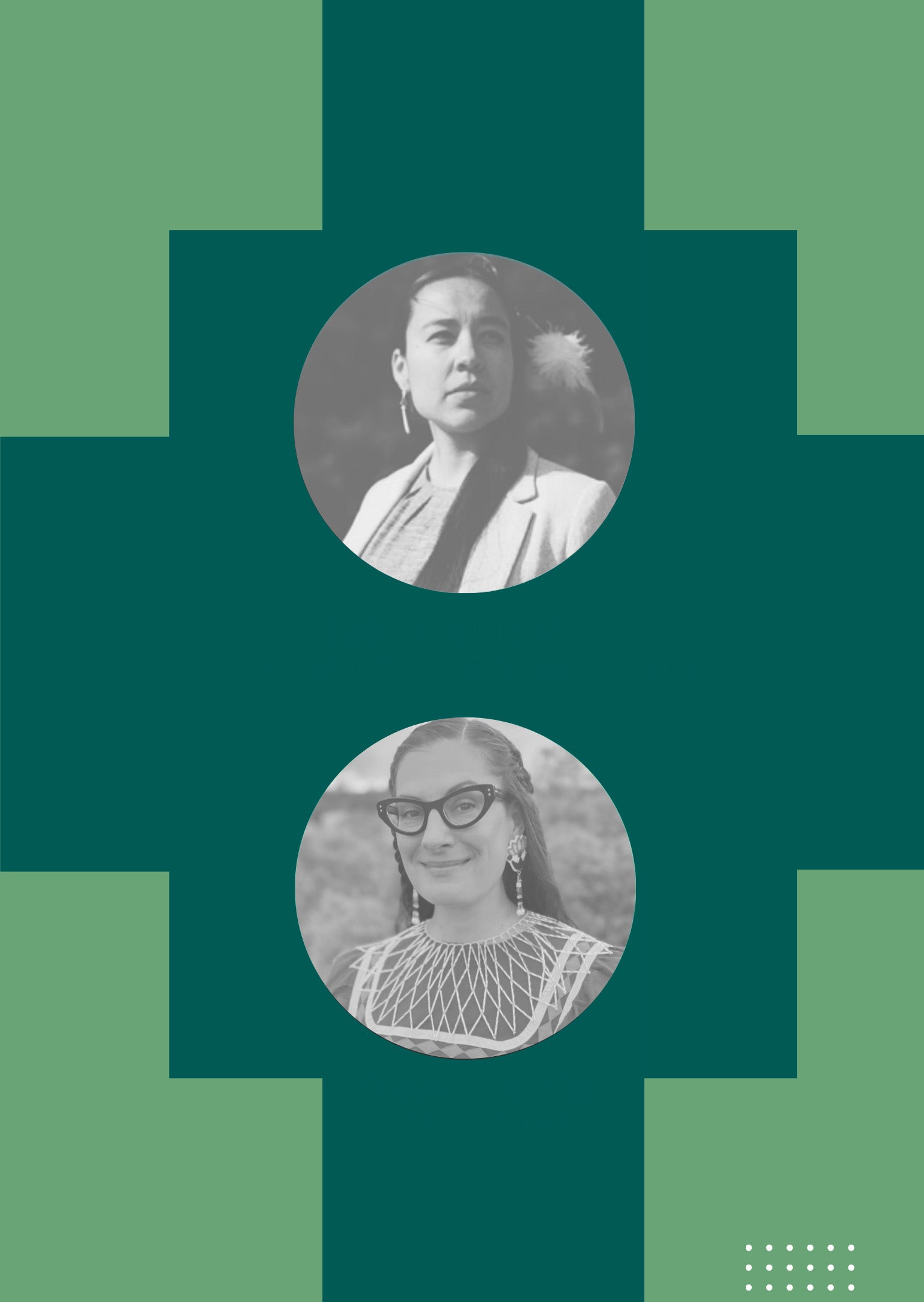
Aimee Roberson, the Executive Director of Cultural Survival, is a citizen of the Choctaw Nation of Oklahoma, with Chikashsha, Scottish, Irish, and English heritage. Her lifelong dedication to understanding and applying Mother Earth’s wisdom is reflected in her academic background, holding a bachelor’s degree in geology and a master’s in conservation biology. Roberson’s professional career has been marked by a commitment to reciprocity and community well-being. She has been instrumental in fostering partnerships focused on environmental stewardship, integrating cultural values and ecological knowledge with scientific methodologies to inform decision-making, and implementing strategies for the care of people, wildlife, water, and ecosystems. Prior to her leadership at Cultural Survival, which she joined in July 2024, Roberson served as the Director of the American Bird Conservancy’s Southwest Region. Her earlier roles included serving as Coordinator for the Rio Grande Joint Venture and working with the U.S. Fish and Wildlife Service, where her focus was on biodiversity conservation and assisting communities in adapting to climate change. Beyond her professional endeavors, Roberson is a co-founder of the Indigenous Kinship Circle and Regalia Making Relatives. Within her own community, she actively engages in learning the Chahta anumpa (Choctaw language), practicing traditional arts, cultivating and preparing traditional foods, and sharing her people’s history, values, and responsibilities towards the land, waters, and all relatives.
Context and Significance of the Launch
The timing of the podcast’s launch on Earth Day 2026 is symbolically significant. Earth Day, observed annually on April 22nd, is a global event dedicated to raising awareness and promoting action for environmental protection. By inaugurating "Mother Earth Medicine" on this day, the creators signal their intention to align the podcast’s message with the global imperative for environmental stewardship and healing.
The podcast emerges at a critical juncture in human history, characterized by escalating climate change, biodiversity loss, and a growing awareness of the limitations of purely technological solutions. Indigenous knowledge systems, often marginalized in dominant Western discourse, are increasingly recognized for their profound insights into sustainable living and ecological resilience. Cultural Survival, an organization with decades of experience in supporting Indigenous Peoples’ rights and cultures, and the "Nihizhi" Podcast, known for its in-depth exploration of Indigenous issues, are well-positioned to champion this vital dialogue.
The concept of "Ancestral Intelligence" serves as a direct counterpoint to the discourse surrounding Artificial Intelligence (AI). While AI is often lauded for its potential to solve complex problems, "Mother Earth Medicine" posits that true intelligence and sustainable solutions lie within the accumulated wisdom and ecological understanding of Indigenous peoples. This framing challenges the prevailing technological determinism and calls for a reevaluation of what constitutes intelligence and progress.
Broader Implications and Analysis
The launch of "Mother Earth Medicine" has several significant implications:
- Amplification of Indigenous Voices: The podcast provides a dedicated platform for Indigenous leaders, knowledge keepers, and community members to share their perspectives, experiences, and solutions directly with a global audience. This is crucial in countering the often-limited and stereotyped portrayals of Indigenous peoples in mainstream media.
- Promotion of Traditional Ecological Knowledge (TEK): By highlighting TEK, the podcast contributes to a growing body of work that recognizes the invaluable role of Indigenous knowledge in addressing environmental crises. TEK encompasses a holistic understanding of ecosystems, intergenerational learning, and deep respect for the natural world, offering practical and ethical frameworks for sustainable development.
- Challenging Dominant Narratives: The podcast’s emphasis on "Ancestral Intelligence" directly challenges the prevailing Western scientific and technological paradigms, which have often been associated with environmental exploitation. It advocates for a more integrated and holistic approach to problem-solving that values the wisdom of ancient cultures.
- Fostering Global Solidarity: By showcasing Indigenous struggles and successes in protecting their languages, cultures, and territories, the podcast aims to build solidarity among listeners and inspire action in support of Indigenous rights and environmental justice. Many Indigenous communities are on the front lines of environmental battles, facing threats from resource extraction, deforestation, and climate change.
- Educational Resource: "Mother Earth Medicine" has the potential to serve as a valuable educational resource for students, policymakers, environmentalists, and the general public, offering accessible insights into Indigenous worldviews and their relevance to contemporary challenges.
Potential Areas of Exploration
Based on the stated aims of the podcast, future episodes are likely to delve into a range of topics, including:
- Indigenous Food Systems: Examining traditional agricultural practices, seed saving, and land management techniques that have sustained communities for millennia and offer models for food security and ecological restoration. This aligns with Dr. Johnston’s doctoral research.
- Water Rights and Indigenous Stewardship: Discussing the critical importance of water and the role of Indigenous peoples in protecting freshwater resources, often through traditional governance systems and spiritual connections to water bodies.
- Language Revitalization and Cultural Resilience: Exploring how Indigenous languages are repositories of ecological knowledge and cultural identity, and how revitalization efforts are essential for the survival of both.
- Indigenous Approaches to Climate Change Adaptation and Mitigation: Highlighting Indigenous strategies for adapting to the impacts of climate change and their contributions to climate solutions rooted in traditional practices and worldview.
- The Role of Indigenous Women in Environmental Protection: Focusing on the leadership and contributions of Indigenous women as traditional knowledge keepers, healers, and frontline defenders of their lands and communities.
- Building Regenerative Economies: Investigating Indigenous models of economic development that prioritize community well-being, ecological sustainability, and cultural integrity over relentless growth.
The collaboration between Cultural Survival and the "Nihizhi" Podcast for "Mother Earth Medicine" represents a timely and important initiative. By foregrounding Indigenous perspectives and the profound wisdom of Ancestral Intelligence, the podcast aims to offer a path forward for a more just, equitable, and ecologically balanced future for all inhabitants of Mother Earth. The launch on Earth Day 2026 is poised to be a significant moment in the ongoing global conversation about sustainability, cultural preservation, and the urgent need to listen to and learn from the world’s Indigenous peoples.