March 20, 2026
By HIAS Staff
The stark reality of the United States’ immigration detention system has been brought to the forefront by the courageous testimony of Juliette*, a HIAS program participant who recently shared her harrowing experience with U.S. Immigration and Customs Enforcement (ICE) detention on MS NOW. Her account, detailing deplorable conditions and the profound psychological toll of being wrongly detained, underscores a growing crisis within ICE facilities, where the detainee population has reached a record high of over 73,000 individuals. A significant majority of these detainees, more than 70%, have no criminal convictions, painting a grim picture of individuals seeking safety being subjected to what many human rights organizations describe as inhumane treatment.
The Journey to Persecution and a Glimmer of Hope
Juliette’s ordeal began after she fled persecution in Cameroon in 2023. Upon arriving in the United States, she promptly initiated the asylum process, a critical step towards rebuilding her life. During this period, she received vital support from HIAS’s U.S. legal and social services teams, organizations dedicated to assisting refugees and asylum seekers navigate the complex U.S. immigration system. This period of tentative stability, however, was shattered when, just two months prior to her MS NOW appearance, Juliette was arrested by ICE.
Her arrest was not a quiet affair. Juliette recounted being handcuffed and shackled, a physical manifestation of her loss of freedom and dignity. She was then transferred through multiple detention centers, each stop a descent into conditions she described as horrifying. The sheer volume of individuals packed into these facilities was overwhelming. "It was very crowded," Juliette stated, her voice trembling with the weight of the memory. "We had to sleep on the floor, on the concrete. There were no mattresses, there was no bed." The lack of basic amenities extended to hygiene and sanitation. "There was just one pot for the toilet and the smells were awful. There was no sanitation. I spent six days without washing and wearing the same clothes. We ate with our hands handcuffed." This account directly contradicts the U.S. government’s stated commitment to humane treatment of detainees.
The Dilley Immigration Processing Center: A Symbol of Harsh Conditions
Juliette’s journey through the detention system eventually led her to the Dilley Immigration Processing Center in Texas. This facility has become a focal point for criticism regarding the treatment of immigrants. Reports from organizations like the American Civil Liberties Union (ACLU) and Human Rights Watch have consistently documented severe overcrowding, inadequate medical care, and psychological distress among detainees held at Dilley and similar facilities. Juliette’s experience aligns with these documented accounts, where she encountered women who had been detained for months, the prolonged uncertainty a pervasive form of psychological torment. For Juliette, the fear of an indefinite stay in such conditions was an added layer of suffering.
Swift Intervention and the Lingering Scars of Trauma
The intervention of HIAS’s legal and social services team proved to be critical in Juliette’s release. Their swift action prevented her prolonged detention, allowing her to be reunited with her children and to resume her life, albeit one irrevocably altered by her experience. However, the impact of detention did not cease with her freedom. The trauma of her experience has left deep psychological scars, a sentiment echoed by many individuals who have undergone similar ordections.
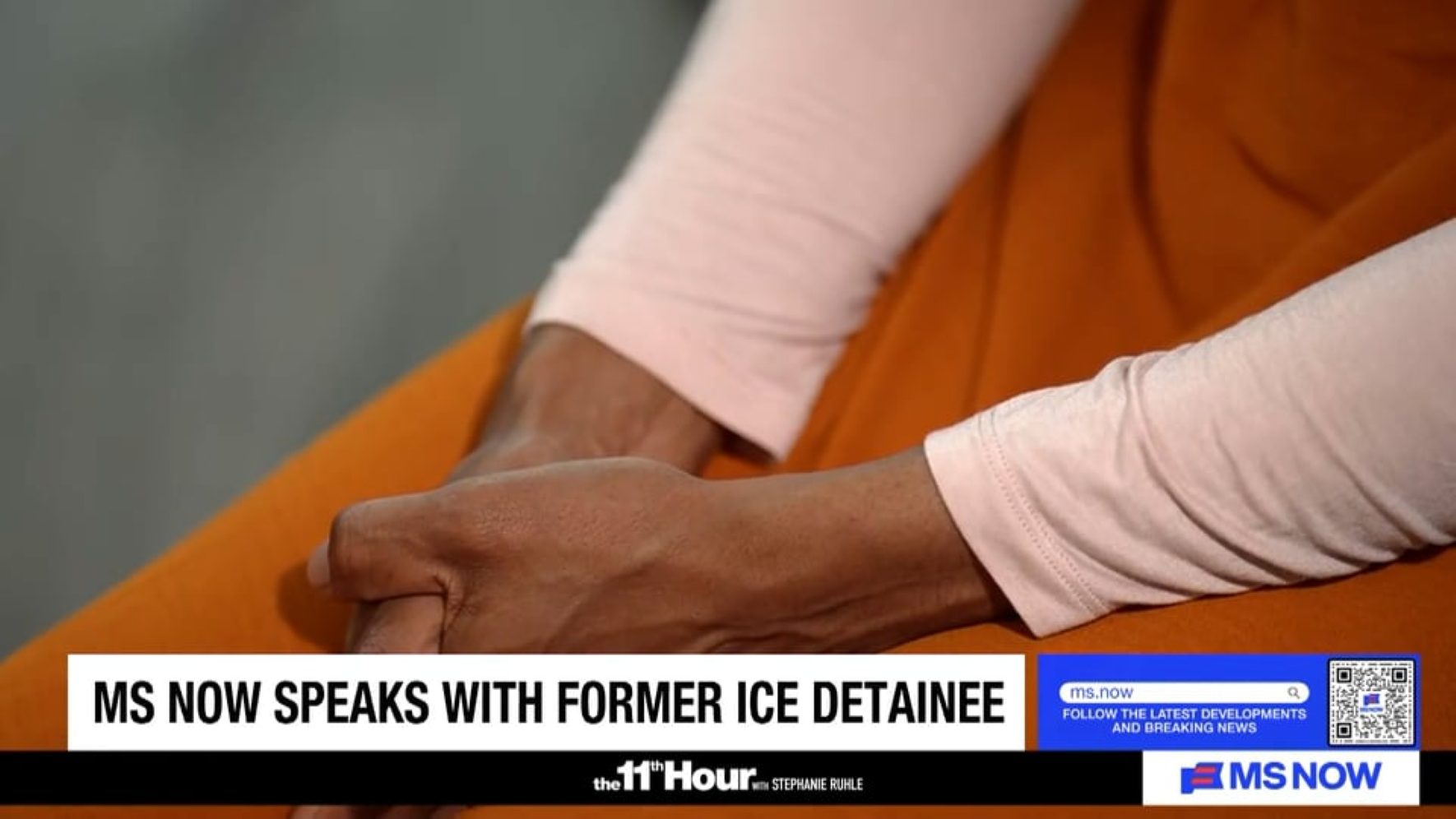
"Since I came back, life has not been the same because I was traumatized by what I experienced," Juliette shared. "I lost everything I had and was doing before being detained." The stability she had painstakingly built in the United States crumbled in the wake of her detention. The imposition of an ankle monitor, a constant physical reminder of her detainment, further exacerbates her sense of alienation and fear. This electronic tether, a visible marker of her status as a former detainee, has led to social ostracization and a pervasive feeling of being labeled a criminal, despite her asylum-seeking status. "I have to start from scratch," she stated with profound weariness. "I don’t feel safe. I have experienced fear, fear in my belly, my stomach, and also on a physical level, I am not the same."
Broader Implications: A System Under Scrutiny
Juliette’s story is not an isolated incident. It is emblematic of a larger systemic issue within the U.S. immigration detention apparatus. The increasing reliance on detention, particularly for asylum seekers, has drawn sharp criticism from international human rights bodies and domestic advocacy groups. The financial cost of maintaining these vast detention networks is substantial, raising questions about the allocation of resources and the effectiveness of these policies.
The Trump administration’s approach to immigration, characterized by an aggressive stance on border enforcement and a significant increase in detentions, has been a primary driver of the current record numbers. Data from the Transactional Records Access Clearinghouse (TRAC) at Syracuse University has consistently shown a dramatic rise in ICE detainee populations during this period, often exceeding the capacity of existing facilities and leading to overcrowding and strained resources.
HIAS’s Unwavering Commitment
HIAS, as one of the oldest refugee agencies in the world, remains steadfast in its commitment to supporting individuals like Juliette. Their legal team actively engages in detention centers and courtrooms, advocating for those whose voices are often unheard. Simultaneously, their social services teams provide crucial support for the arduous process of recovery and reintegration.
The organization is actively involved in multiple legal challenges against the Trump administration’s immigration policies. Among these are Amica Center for Immigrant Rights v. EOIR, which contests detrimental changes to immigration court appeal processes, and U.H.A. v Bondi, arguing against the detrimental practice of detaining resettled refugees for rescreening, a process deemed cruel and traumatizing. These legal battles are crucial in pushing back against policies that are seen as undermining due process and human rights.
Juliette’s decision to share her story, even anonymously for her safety, is a powerful act of defiance and a plea for understanding. Her testimony aims to illuminate the human cost of current immigration policies and to advocate for a more compassionate and just system. HIAS, by standing with Juliette and countless others seeking refuge, reaffirms its enduring mission to protect displaced people and ensure their right to safety and dignity. The organization’s ongoing efforts underscore the critical need for systemic reform and a re-evaluation of the U.S. approach to immigration detention, prioritizing humanitarian concerns over punitive measures.
*Name changed for safety.