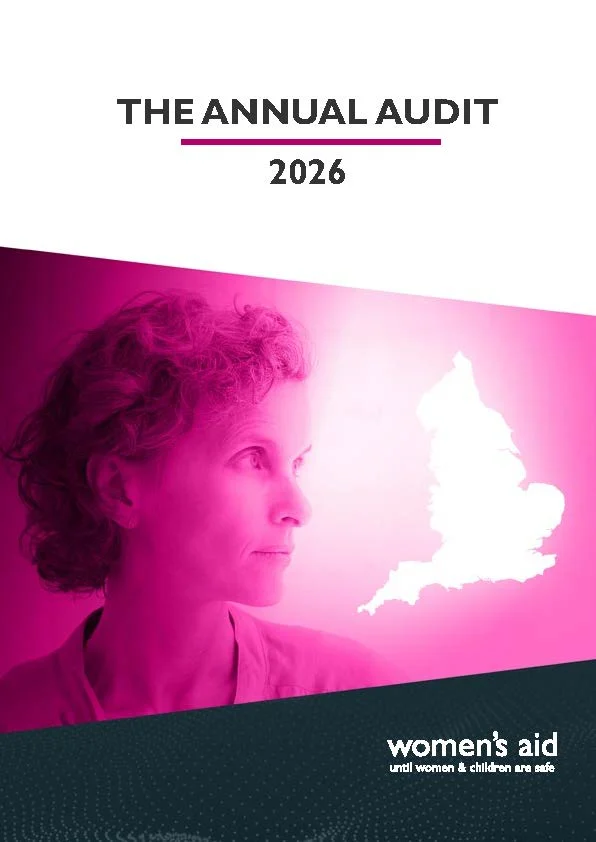
The 2026 edition of Women’s Aid’s annual publication presents a comprehensive and in-depth analysis of the provision, usage, and operational dynamics of domestic abuse services across England during the 2024-25 financial year. This critical report offers unparalleled insight into the ongoing evolution of the domestic abuse sector, demonstrating its capacity for growth, development, and adaptation, while simultaneously pinpointing persistent areas requiring significant improvement. Fundamentally, the evidence meticulously gathered within the audit underscores the undeniable fact that specialist domestic abuse services constitute a life-saving and indispensable infrastructure. The report unequivocally asserts that any meaningful national response to violence against women and girls (VAWG) is contingent upon a robust, well-resourced, and sustainable specialist sector. Published by Women’s Aid in March 2026, this document serves as a crucial benchmark for policymakers, service providers, and advocates alike.
The Mandate Behind the Audit: Women’s Aid and its Enduring Mission
Women’s Aid, a leading national charity dedicated to ending domestic abuse against women and children, has been at the forefront of advocacy, service provision, and research for decades. Established in 1974, the organisation has played a pivotal role in shaping public understanding and governmental responses to domestic abuse in the UK. Its mission is to empower women and children to live free from domestic abuse and violence, achieved through a multifaceted approach encompassing refuge services, helplines, campaigning, and robust data collection.
The Annual Audit is a cornerstone of Women’s Aid’s strategic efforts. It is not merely a statistical compendium but a vital analytical tool designed to provide a panoramic view of the sector’s health, challenges, and successes. By systematically gathering data from a vast network of specialist services across England, the audit serves several critical functions:
- Benchmarking: It establishes standards and measures performance across the sector, allowing for identification of best practices and areas lagging behind.
- Advocacy: The data and insights gleaned from the report form the bedrock of Women’s Aid’s policy recommendations and campaigning efforts, influencing government legislation and funding decisions.
- Transparency and Accountability: It offers a transparent account of how public and charitable funds are utilised and the impact they achieve, fostering accountability among service providers and policymakers.
- Strategic Planning: For local authorities, commissioning bodies, and individual service providers, the audit provides invaluable intelligence for future planning, resource allocation, and service development.
The connection between this annual audit and the broader national VAWG strategy is inextricable. The UK government has repeatedly committed to tackling VAWG, outlining various strategies and legislative frameworks, most notably the Domestic Abuse Act 2021. However, as the audit consistently highlights, the efficacy of these high-level commitments hinges entirely on the strength and accessibility of frontline specialist services. Without these foundational pillars, policy ambitions risk remaining unimplemented promises.
Decoding the 2024-25 Financial Year: Key Insights from the Audit
The 2026 audit focuses on the financial year spanning April 2024 to March 2025, a period characterised by ongoing socio-economic pressures, the continued integration of the Domestic Abuse Act 2021’s provisions, and evolving patterns of abuse. The report is expected to delve into several critical areas:
Growth and Adaptation of the Sector
One of the audit’s key findings is the sector’s demonstrable capacity for growth and adaptation in the face of complex challenges. The 2024-25 period likely saw further advancements in:
- Digital Service Provision: The accelerated shift towards digital support services, spurred by previous pandemic-era restrictions, continued to mature. This includes secure online chat functions, virtual support groups, and digital safety planning tools, making support more accessible to those who might struggle to access in-person services due to geographical isolation, disability, or fear of detection.
- Tailored Support: Increased recognition of the diverse needs of survivors led to the expansion of culturally specific services for Black, Asian, and minoritised ethnic (BAME) women, specialist support for disabled women, LGBTQ+ individuals, and those with complex mental health needs or substance misuse issues.
- Collaboration and Partnerships: The report is anticipated to showcase enhanced collaboration between specialist domestic abuse services and other agencies, including housing, mental health, social care, and law enforcement, fostering a more integrated and holistic support pathway for survivors.
Service Provision and Usage
The audit provides granular detail on the breadth and depth of services delivered across England:
- Refuge Spaces: Data on refuge occupancy rates, the number of women and children supported in emergency accommodation, and critically, the instances of unmet demand due to capacity constraints. The report likely highlights the continued pressure on refuge spaces, particularly in urban areas, and the challenges faced by services in securing suitable, affordable long-term housing for survivors.
- Helplines: An analysis of call volumes, peak times, the nature and complexity of disclosures, and the immediate interventions provided by national and local helplines. The 2024-25 period may show sustained high demand, reflecting the persistent prevalence of domestic abuse and increased awareness.
- Community-Based Services: Detailed accounts of outreach programmes, Independent Domestic Violence Advocates (IDVAs), Independent Sexual Violence Advocates (ISVAs), and other non-residential support services. These services are crucial for survivors who cannot or choose not to enter refuge, offering safety planning, legal advocacy, emotional support, and practical assistance within their communities.
- Support for Children and Young People: A dedicated focus on the impact of domestic abuse on children, and the specialist support services designed to help them process trauma, build resilience, and recover. This includes therapeutic interventions, advocacy, and safe spaces for young people.
Identifying Areas for Improvement
Despite evident progress, the audit is expected to highlight persistent and critical areas requiring urgent attention to truly build a robust and sustainable sector:
- Funding Shortfalls and Instability: A recurring theme in Women’s Aid audits, the 2026 report will undoubtedly detail the continued impact of precarious, short-term, and insufficient funding models. This includes the negative effects on service capacity, staff retention, and the ability to plan long-term strategic initiatives. Local authority commissioning practices, often driven by competitive bidding and cost-cutting, remain a significant concern.
- Geographic Disparities in Provision: The audit is likely to expose significant regional variations in the availability and quality of specialist domestic abuse services. Rural areas, in particular, often suffer from a lack of accessible support, leaving survivors isolated and vulnerable.
- Challenges in Supporting Specific Cohorts: While progress has been made in tailoring support, the report may still identify gaps in provision for certain groups, such as migrant women with insecure immigration status, women with multiple and complex needs, and those experiencing economic abuse.
- Impact of Rising Cost of Living: The 2024-25 period likely saw the exacerbation of economic pressures on both survivors and services. Survivors faced increased barriers to independence, while services struggled with rising operational costs, impacting their ability to deliver comprehensive support.
The Critical Role of Specialist Domestic Abuse Services
The report’s overarching message – that specialist domestic abuse services are "life-saving and essential infrastructure" – is not an overstatement. These services provide far more than just a roof over a survivor’s head; they offer a holistic ecosystem of support critical for breaking cycles of abuse and facilitating long-term recovery.
- Immediate Safety: Refuges and emergency helplines provide immediate safety planning, crisis intervention, and a secure environment away from perpetrators.
- Holistic Support: Beyond immediate safety, specialist services offer comprehensive support encompassing:
- Housing advocacy: Assisting with rehousing, navigating complex housing systems.
- Legal support: Guidance on injunctions, divorce, child contact orders, and criminal proceedings.
- Therapeutic interventions: Counselling, trauma-informed therapy, and support groups for survivors and their children.
- Financial advice: Assistance with benefits, budgeting, and securing financial independence.
- Employment and education support: Helping survivors rebuild their lives and secure economic stability.
- Expertise and Trust: Specialist services possess an unparalleled understanding of the dynamics of domestic abuse and the complex needs of survivors. Their expertise allows them to build trust, offer empathetic support, and navigate bureaucratic systems on behalf of those often disempowered by abuse.
The audit’s assertion that "the national response to violence against women and girls cannot be delivered without a robust and sustainable specialist sector" underscores a fundamental truth. Generic services often lack the specialised knowledge, trauma-informed approaches, and dedicated resources required to effectively support survivors of domestic abuse. A truly effective national strategy must recognise and adequately fund the unique and indispensable role of these frontline organisations.
A Chronology of Support and Policy
Understanding the 2026 audit requires contextualising it within the broader timeline of domestic abuse policy and the evolution of Women’s Aid’s work.
- 1970s-1980s: Emergence of the women’s refuge movement, establishment of Women’s Aid (1974), driven by grassroots activism. Early legislative efforts, such as the Domestic Violence and Matrimonial Proceedings Act 1976.
- 1990s: Growing public awareness, increased recognition of domestic abuse as a societal problem, not just a private matter. Focus on criminal justice responses.
- 2000s: The Domestic Violence, Crime and Victims Act 2004 significantly strengthened legal protections. Women’s Aid formalises its annual auditing process to systematically track sector trends and advocate for evidence-based policy.
- 2010s: Austerity measures lead to significant cuts in local government funding, placing immense pressure on specialist services. Women’s Aid audits during this period consistently highlight funding crises and increasing unmet demand. The Istanbul Convention (Council of Europe Convention on preventing and combating violence against women and domestic violence) is signed by the UK in 2012, though not fully ratified until 2022.
- Early 2020s: The COVID-19 pandemic sees a surge in domestic abuse incidents and calls for support, placing unprecedented strain on services. The Domestic Abuse Act 2021 is a landmark piece of legislation, introducing a statutory definition of domestic abuse, placing duties on local authorities to provide accommodation-based support, and establishing a Domestic Abuse Commissioner.
The 2024-25 reporting period is particularly significant as it represents a phase where the provisions of the Domestic Abuse Act 2021 are expected to be more fully embedded across England. The audit will therefore offer crucial insights into the practical impact and effectiveness of this legislation, highlighting both its successes and any unforeseen challenges in its implementation, particularly regarding funding flows and consistency of provision across different local authority areas. It also covers a period where the UK continued to grapple with the cost-of-living crisis, adding another layer of complexity for survivors seeking independence and for services struggling with operational costs.
Data-Driven Narratives: Anticipated Statistics and Trends
While the exact figures remain to be unveiled with the audit’s release, based on previous trends and the current landscape, the 2026 report is anticipated to present compelling statistics:
- Unmet Demand: It is highly probable the report will show a significant number of referrals to specialist services, particularly refuges, being turned away due to lack of space or appropriate provision (e.g., for women with multiple children, specific disabilities, or no recourse to public funds). This figure could run into the tens of thousands annually.
- Helpline Engagement: An expected increase in call volumes and digital contacts to helplines, reflecting both persistent prevalence and growing awareness. For example, a national helpline might report a 10-15% increase in contacts compared to the previous year.
- Service User Demographics: Detailed breakdown of the characteristics of women and children accessing services, highlighting overrepresentation from certain demographics (e.g., BAME women, disabled women) and underscoring the need for tailored, intersectional support.
- Funding Landscape: A critical section will likely detail the sources and stability of funding. It might reveal that a significant proportion of funding remains short-term (e.g., 1-2 year grants), preventing strategic long-term planning and investment in staff development. The report could indicate persistent gaps in core funding, particularly for preventative and early intervention services.
- Nature of Abuse: The audit may provide further data on the evolving nature of domestic abuse, including a rise in tech-facilitated abuse, economic abuse, and coercive control, reflecting changes in how perpetrators exert power and control.
- Outcomes for Survivors: Where data permits, the report might offer insights into positive outcomes, such as successful rehousing rates, improved safety for survivors, and reductions in re-victimisation, showcasing the tangible impact of specialist support.
Comparing these figures to previous years will enable the audit to chart trajectories, identify emerging crises, and reinforce calls for targeted interventions.
Voices from the Sector: Anticipated Reactions and Calls to Action
Upon the release of the Women’s Aid Annual Audit 2026, reactions from various stakeholders are highly anticipated.
Women’s Aid Leadership: The Chief Executive of Women’s Aid is expected to issue a strong statement, likely highlighting the resilience and adaptability of the sector while simultaneously reiterating urgent calls for systemic change. The statement would probably focus on:
- Sustainable Funding: An unequivocal demand for long-term, multi-year, ring-fenced funding for specialist domestic abuse services across England, moving away from precarious short-term grants.
- National Strategy Implementation: A call for consistent and equitable implementation of the Domestic Abuse Act 2021 across all local authorities, ensuring no survivor is left behind due to postcode lottery.
- Addressing Unmet Need: Emphasising the moral imperative to ensure that every woman and child fleeing abuse can access the specialist support they need, without being turned away.
- Collaboration: Highlighting the need for strengthened cross-governmental and multi-agency collaboration to tackle the root causes of abuse and provide comprehensive support.
Government Response: Ministers from relevant departments, such as the Home Office or the Ministry of Justice, are expected to issue a response acknowledging the report’s findings. This response would likely reaffirm the government’s commitment to tackling domestic abuse, highlight existing investments and initiatives (e.g., funding for refuges, the Domestic Abuse Act), and potentially signal future policy considerations. However, it may also address the challenges outlined in the report with a degree of cautious optimism regarding ongoing efforts.
Other Stakeholders:
- Local Authorities: Responses from local government bodies might vary, with some acknowledging funding pressures and others highlighting their efforts to commission services effectively within budgetary constraints.
- Other Charities and Advocacy Groups: Sister organisations and other VAWG charities would likely echo Women’s Aid’s calls for sustainable funding and comprehensive support, reinforcing the collective voice of the sector.
- Police and Criminal Justice System: Representatives from law enforcement might comment on the importance of specialist services in supporting victims through the justice process and the need for continued partnership working.
Implications for Policy, Funding, and Future Strategy
The findings of the 2026 Annual Audit carry significant implications that will shape future policy, funding decisions, and strategic development within the domestic abuse sector.
Policy Implications
- Review of Commissioning Practices: The report could prompt a critical review of how local authorities commission domestic abuse services, advocating for models that prioritise long-term stability, quality, and specialism over short-term cost savings.
- Data Sharing and Integration: Recommendations might emerge for improved data sharing mechanisms across different statutory and voluntary agencies to ensure a more coordinated response to individual cases and a better understanding of overall trends.
- Legislative Amendments: Persistent gaps or challenges identified in the implementation of the Domestic Abuse Act 2021 could lead to calls for minor amendments or strengthened guidance to ensure its full intended impact.
- Prevention Strategies: The report may reinforce the need for robust primary prevention strategies in schools and communities to challenge harmful attitudes and behaviours that underpin domestic abuse.
Funding Imperatives
The most immediate and critical implication will be the renewed emphasis on funding. The audit will serve as powerful evidence for:
- Increased Central Government Investment: A strong case will be made for increased, consistent, and ring-fenced funding from central government to ensure a baseline level of provision across all areas of England.
- Fairer Local Authority Allocations: Advocacy for fairer and more transparent allocation models for local authority funding, ensuring that areas with high levels of need receive adequate resources.
- Long-Term Funding Cycles: A push for multi-year funding cycles (e.g., 3-5 years) to allow services to plan strategically, invest in staff, and develop innovative programmes.
Strategic Development
- Innovation and Digital Transformation: The audit’s insights into evolving service models will inform strategies for further digital transformation, ensuring technology is leveraged to enhance accessibility and safety for survivors.
- Addressing Intersectional Needs: Continued strategic focus on developing and funding services that explicitly address the complex and intersectional needs of diverse groups of survivors.
- Workforce Development: The report may highlight the need for investment in workforce development, training, and retention within the specialist sector, recognising the emotional and professional demands placed on frontline staff.
Public Awareness
Beyond policy circles, the audit plays a crucial role in shaping public discourse. By presenting clear, evidence-based findings, it educates the public about the realities of domestic abuse, the vital work of specialist services, and the collective responsibility to support survivors and work towards a society free from violence.
In conclusion, the Women’s Aid Annual Audit 2026 is far more than an annual publication; it is a vital barometer for the health of a sector dedicated to saving lives and rebuilding futures. Its findings, covering the 2024-25 financial year, will serve as an indispensable guide for understanding where progress has been made, where challenges persist, and what urgent actions are required to ensure that every survivor of domestic abuse in England receives the life-saving and specialist support they deserve. The report reiterates a fundamental truth: a compassionate and effective national response to violence against women and girls is impossible without a robust, sustainable, and well-funded specialist sector at its heart.