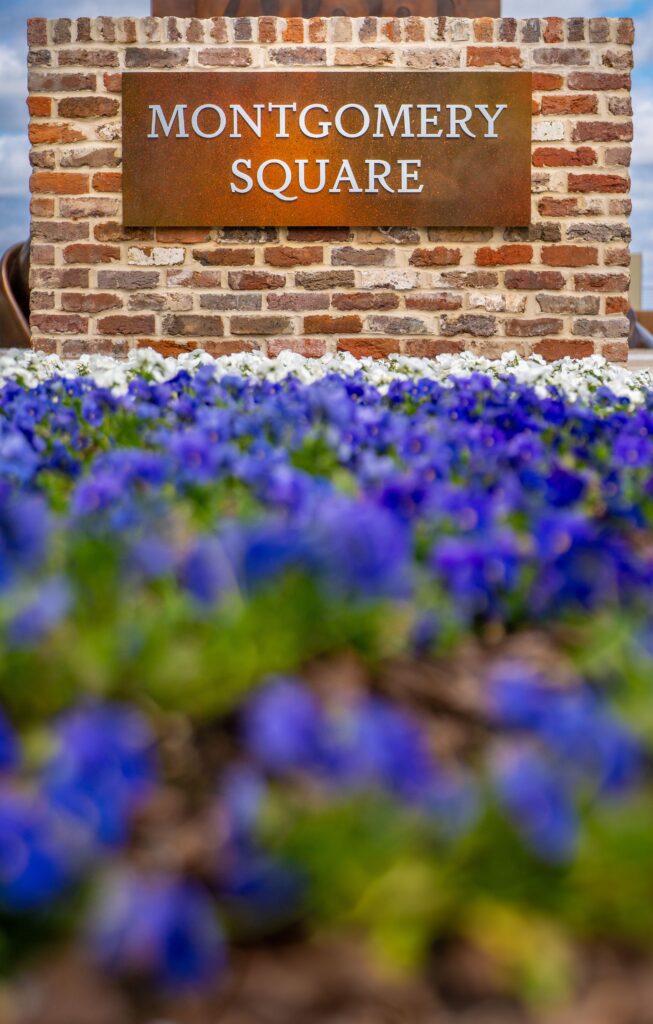
Montgomery, Alabama – A significant new cultural and historical destination, Montgomery Square, has officially opened its doors, dedicated to chronicling the transformative decade from 1955 to 1965, a period often referred to as "the Montgomery decade that changed the world." Developed by the Equal Justice Initiative (EJI), this expansive, mostly outdoor site pays homage to the extraordinary courage and unwavering determination of Black residents who confronted racial injustice in Montgomery, igniting a movement that reverberated across the United States and globally. The opening marks a crucial addition to EJI’s distinguished network of Legacy Sites, which include the Legacy Museum, the National Memorial for Peace and Justice, and the Freedom Monument Sculpture Park, each designed to harness the profound "power of place" in understanding American history.
Situated strategically adjacent to the Elevation Convening Center and Hotel, at the apex of Montgomery Street, the Square occupies a location imbued with historical resonance. This very thoroughfare served as the culminating stretch for tens of thousands of civil rights activists during the historic Selma to Montgomery March on March 25, 1965. Visitors to Montgomery Square are invited to literally trace the footsteps of the men, women, and children whose bravery in the face of violent opposition ultimately paved the way for the landmark Voting Rights Act. This immersive experience is designed to foster a deep connection to the sacrifices and triumphs of the era, offering a tangible link to the past.
The Crucible of Change: Montgomery’s Pivotal Decade (1955-1965)
The decade honored by Montgomery Square represents a watershed moment in American history, characterized by grassroots activism that challenged deeply entrenched systems of racial segregation and discrimination. Beginning in December 1955, with the courageous defiance of Rosa Parks and the subsequent Montgomery Bus Boycott, the city became a focal point for the burgeoning Civil Rights Movement. For 381 days, Montgomery’s Black community, under the leadership of figures like Dr. Martin Luther King Jr., Jo Ann Robinson, and E.D. Nixon, organized and sustained a boycott of the city’s segregated bus system, demonstrating unparalleled unity and resilience. This nonviolent protest, sparked by decades of humiliation and threats of violence endured by Black residents on public transportation, culminated in a Supreme Court ruling that declared bus segregation unconstitutional, marking a pivotal legal and moral victory.
A decade later, in March 1965, Montgomery once again became the stage for a dramatic confrontation over civil rights. The Selma to Montgomery Marches, organized to demand federal protection for voting rights, drew national and international attention to the brutal realities of racial oppression in the South. The infamous "Bloody Sunday" incident on March 7, 1965, where peaceful marchers were brutally attacked by state troopers and local law enforcement on the Edmund Pettus Bridge, shocked the nation and galvanized public support for federal intervention. President Lyndon B. Johnson subsequently signed the Voting Rights Act into law on August 6, 1965, dismantling legal barriers that had disenfranchised Black Americans for generations. Montgomery Square meticulously documents this journey from the initial sparks of resistance to the triumphant legislative victories, underscoring the interconnectedness of these events.
A Journey Through History: Features of Montgomery Square
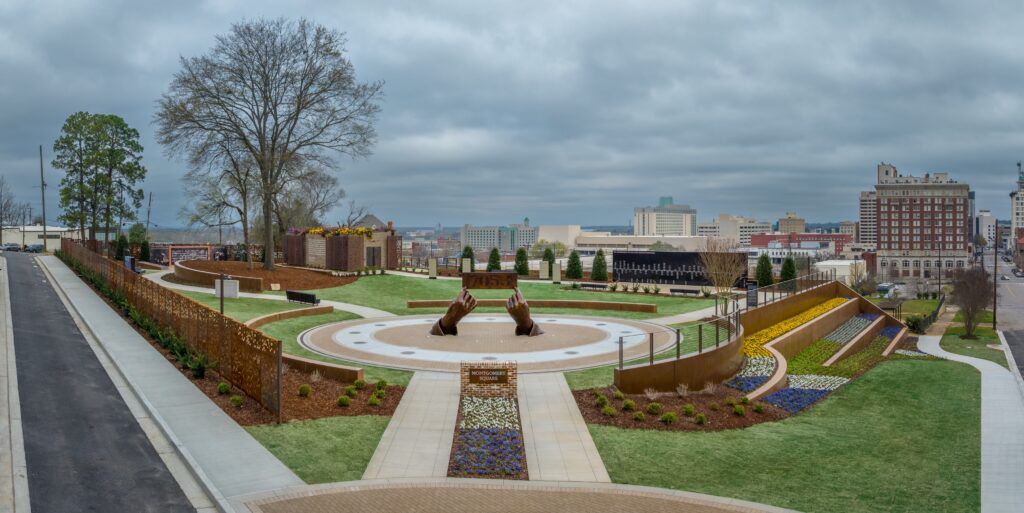
Montgomery Square is designed as a dynamic, educational journey, combining compelling narratives with powerful artistic installations and authentic historical artifacts. At its heart, the site is built around a magnificent, ancient oak tree, a silent witness to the city’s tumultuous and transformative past. This tree stands as a living monument, having observed thousands of Black citizens walk the city’s streets to end segregation in 1955 and tens of thousands risk their lives to secure voting rights in 1965.
The visitor experience begins with a massive timeline, meticulously detailing the momentous events of the decade. This chronological display starts by illustrating the pervasive and often violent humiliation faced by Black residents on segregated city buses, setting the stage for the Montgomery Bus Boycott. Further along, visitors encounter pillars displaying actual segregation laws, stark reminders of the "rigid and extensive systems of racial segregation" that governed daily life. These laws, which included prohibitions as seemingly trivial as Black and white people playing checkers together, vividly illustrate the depth and absurdity of the era’s racial hierarchy. The Square also unflinchingly documents the relentless, often violent opposition from tens of thousands of white residents and officials who organized to uphold racial segregation, including quotes from faith leaders, elected officials, journalists, and prominent members of the Montgomery establishment who vowed to "forever stand like a rock against social equality, intermarriage, and mixing of the races in the schools." This comprehensive presentation ensures a holistic understanding of the period’s complexities and conflicts.
Voices of Courage: Art and Personal Narratives
Central to Montgomery Square’s mission is the amplification of the voices and experiences of those who lived through and shaped this era. The site features compelling sculptures from acclaimed artists Hank Willis Thomas and Basil Watson, alongside powerful photography from the period, all illustrating the deeply researched narrative of Montgomery’s pivotal role in fostering greater democracy and opportunity in America.
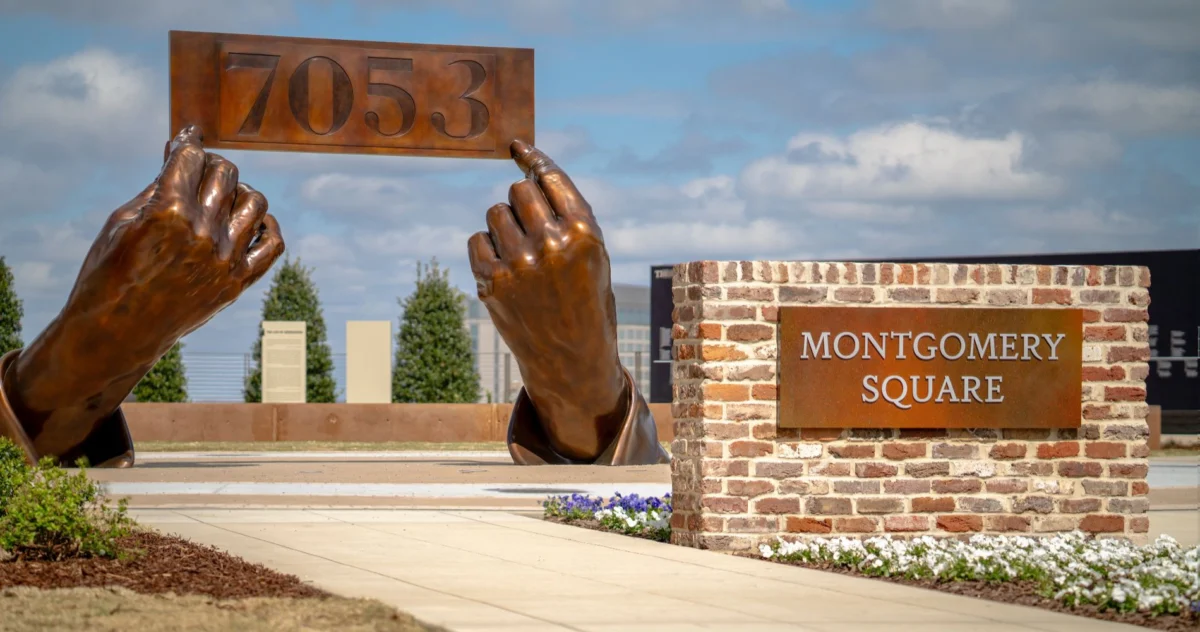
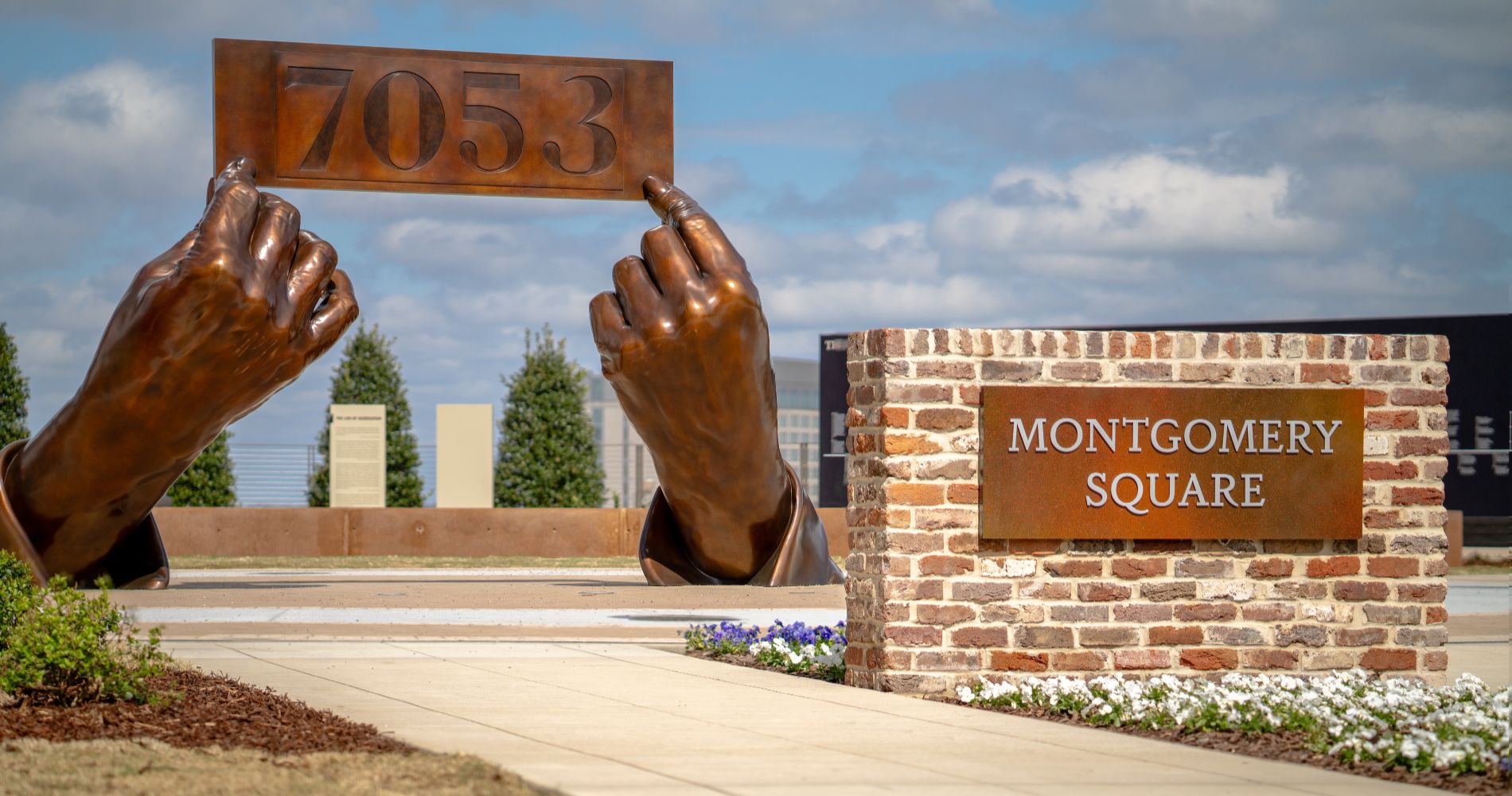
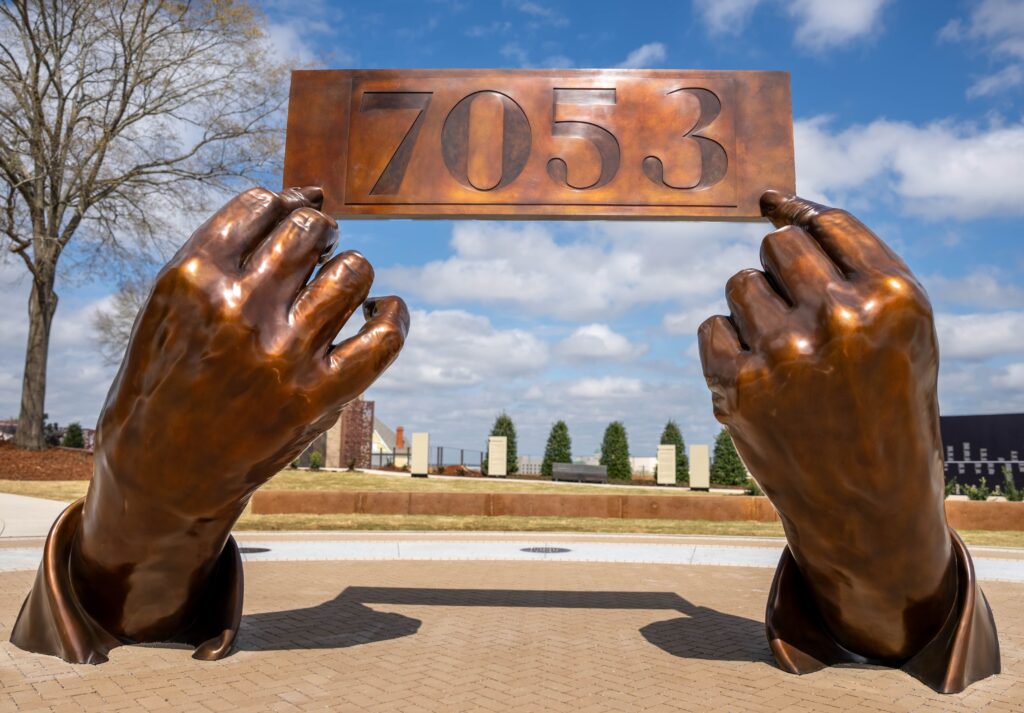
Hank Willis Thomas’s sculpture celebrates arrest numbers not as symbols of shame, but as badges of honor, transforming the oppression of mass arrests during protests into emblems of resistance and commitment to justice. This artwork poignantly reflects the sacrifices made by countless individuals who willingly faced incarceration for the cause of civil rights. Basil Watson’s sculpture, in turn, depicts proud participants in the Montgomery Bus Boycott, capturing the dignity, unity, and resilience of the community that sustained the boycott for over a year. These artistic interpretations provide a visual language for understanding the emotional and psychological landscape of the movement.
Inside Heroes Hall, visitors are immersed in new documentary films featuring the direct testimonies and speeches of key figures from the movement. These include pioneering activists like Claudette Colvin and Rosa Parks, organizational leaders such as E.D. Nixon and Jo Ann Robinson, legal minds like Fred D. Gray, and iconic figures like John Lewis. The narratives also spotlight local heroes and foot soldiers, including Jo Ann Bland, Sheyann Webb Christburg, Amelia Boynton Robinson, and Lynda Blackmon Lowery, whose bravery often goes unsung. Their stories are interwoven with interviews and speeches from the Rev. Dr. Martin Luther King Jr., providing a multi-faceted perspective on the leadership and collective action that defined the decade. These personal accounts are critical in humanizing the struggle and demonstrating the profound impact of individual courage.
Unearthing the Past: Research and Educational Resources
The physical design and narrative content of Montgomery Square are underpinned by hundreds of hours of meticulous historical research conducted by the EJI. This extensive work is further presented in a new report titled The Montgomery Decade That Changed the World: 1955 to 1965, accessible to the public. Complementing the report is the dedicated Montgomery Square website, montgomerysquare.eji.org, which offers additional resources and deeper dives into the historical context. Both the report and the website are designed to highlight often "overlooked historical context and the unsung heroes" of this pivotal decade, ensuring that a more complete and nuanced understanding of history is accessible to all.
These resources serve as invaluable tools for educators, students, historians, local residents, and visitors, providing deeper insight into Montgomery’s historic role in championing human rights and launching a worldwide movement towards racial justice. By making this research publicly available, EJI aims to foster informed dialogue and critical thinking about the enduring legacy of the Civil Rights Movement.
EJI’s Vision: Bryan Stevenson on the Site’s Significance
Bryan Stevenson, EJI Director and a leading voice for racial justice, articulated the profound significance of Montgomery Square’s opening. "We are extremely excited to open this site, which explores how Montgomery created a new chapter for democracy and justice in America," Stevenson stated. He emphasized the transformative power of the movement born in Montgomery: "The movement birthed by Montgomery’s residents in 1955, culminating in a triumphant march in 1965, changed the cultural, legal, social, and economic landscape of this nation."
Stevenson underscored the imperative of understanding this history for all Americans. "This history needs to be studied and understood by every American," he affirmed, reiterating EJI’s commitment to accessibility. "We are proud to make learning about this critical decade more accessible to everyone at Montgomery Square." His words reflect EJI’s overarching mission to confront difficult historical truths and connect them to ongoing struggles for justice, fostering a more just and equitable society.
Broader Implications and Legacy
The opening of Montgomery Square carries significant implications for historical memory, education, and the ongoing pursuit of civil rights. By providing a free and accessible platform for learning, EJI reinforces the idea that historical understanding is not a privilege but a fundamental right and a civic duty. The site’s focus on grassroots activism and unsung heroes broadens the traditional narrative of the Civil Rights Movement, reminding visitors that monumental change is often driven by the collective action of ordinary people demonstrating extraordinary courage.
For Montgomery itself, the Square further solidifies its identity as a vital center for civil rights tourism and education, complementing its existing array of historical sites. This growing cluster of EJI’s Legacy Sites not only draws visitors but also serves as an economic engine, promoting heritage tourism that is both educational and reflective. The emphasis on the "power of place" encourages visitors to engage with history not as a distant past, but as a living legacy that continues to shape contemporary society.
The lessons illuminated at Montgomery Square—the power of nonviolent resistance, the resilience in the face of violent opposition, and the enduring fight for voting rights and equality—remain profoundly relevant in today’s society. As discussions around racial justice, systemic inequality, and democratic participation continue, Montgomery Square serves as a powerful reminder of how far the nation has come, and how much work still lies ahead. It challenges visitors to confront injustice and consider their own roles in advancing human rights, fueled by the deep knowledge gained from immersing themselves in this critical chapter of American history.
Visitor Information
Montgomery Square is now open to the public from 9 am until 6 pm, Wednesday through Monday. Admission is free, and no ticket is required, making it accessible to all who wish to explore this vital period of American history. Visitors are encouraged to combine their experience at Montgomery Square with visits to EJI’s other Legacy Sites in Montgomery for a comprehensive understanding of the nation’s journey towards justice. The hope is that through such immersive experiences, individuals will not only learn about the past but also feel empowered to contribute to a more just future.