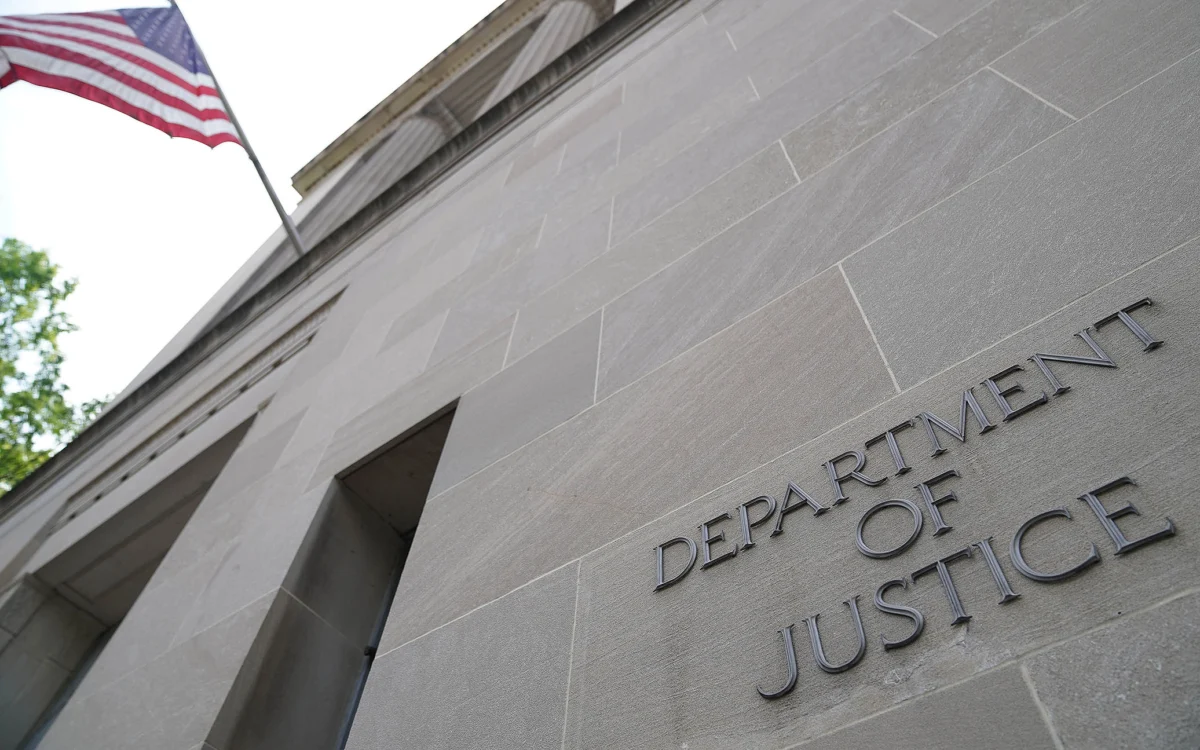
The U.S. Department of Justice has significantly altered the implementation timeline for new Americans with Disabilities Act (ADA) requirements concerning website and mobile app accessibility. Less than a week before the original compliance dates were set to take effect, the agency announced an interim final rule that pushes back the deadlines by more than a year and signals a potential for additional modifications to the landmark regulations. This decision, issued on Monday, arrives after considerable pressure from various public entities citing unpreparedness and technological hurdles, but it has also drawn sharp criticism from disability advocates concerned about the prolonged impact on individuals seeking equal access.
Shifting Compliance Dates and Rationale
The revised timeline grants state and local government entities, which were initially required to comply with the new technical standards for their online platforms by the upcoming Friday, substantially more time. Under the interim final rule, public entities serving populations of 50,000 or greater will now have until April 26, 2027, to achieve compliance. Smaller public entities, which had originally been granted an additional year beyond the larger ones, will now face a compliance deadline of April 26, 2028.
The Justice Department has articulated its decision by stating that it "overestimated the capabilities" of these covered entities, both in terms of available staffing and technological infrastructure, to meet the original compliance schedule. This acknowledgement suggests a gap between the regulatory expectations and the practical realities faced by many local governments in modernizing their digital services to be fully accessible.
Clarence Anthony, CEO and executive director of the National League of Cities, an organization that had actively advocated for an extended timeline, expressed support for the decision. "This rule extension allows local leaders important additional time to plan, budget and implement these updates," Anthony stated. He further emphasized the balancing act involved, noting, "Accessibility remains an important priority for local leaders and this interim final rule balances the needs of residents with disabilities with the budgetary realities of local governments." This sentiment underscores the complex interplay between ensuring civil rights and managing public sector resources.
Background and Chronology of the ADA Web Accessibility Rule
The foundational rule that has now seen its compliance dates extended was finalized by the Justice Department in 2024. This marked a significant step in the evolution of the ADA, extending its protections to the digital realm. For the first time, the rule established specific technical standards for websites and mobile applications operated by state and local government entities. These requirements apply to a broad spectrum of public services, including online portals for courts, public hospitals, parks, libraries, police departments, transit agencies, school districts, and universities, among others.
The path to this rule was a lengthy one, reflecting the increasing digitization of public life and the corresponding need to address long-standing accessibility barriers faced by individuals with disabilities. The Justice Department began the rulemaking process in this area approximately 14 years prior to the 2024 finalization, a testament to the complexity of establishing comprehensive digital accessibility standards.
Initially, the federal government set a compliance deadline for this Friday, April 19, 2024, for public entities in areas with populations of 50,000 or greater. Public entities in smaller jurisdictions were given until April 19, 2025. The swift announcement of the interim final rule, just days before the initial deadline, highlights the urgency and significant opposition the original timeline had generated.
Pressure from Public Entities
The Justice Department’s decision to extend the deadlines appears to be a direct response to sustained pressure from a coalition of affected entities. School districts, smaller municipalities, and various other governmental bodies had formally communicated their inability to meet the original compliance dates. Their arguments often centered on the substantial financial investments and specialized technical expertise required to audit existing digital platforms, remediate accessibility issues, and implement new accessible design practices.
For many local governments, particularly those with limited budgets, the cost of undertaking such a comprehensive digital overhaul within the initial timeframe was deemed prohibitive. Furthermore, the rapid evolution of web technologies and the intricacies of accessibility standards, such as the Web Content Accessibility Guidelines (WCAG), often necessitate ongoing training and dedicated IT resources that are not always readily available.
Opposition from Disability Advocates
Despite the arguments for delay from public entities, disability advocacy groups have voiced strong opposition to the extended compliance dates. They contend that the rule’s extensive development period, spanning over a decade, provided ample opportunity for public entities to prepare.
Maria Town, president and CEO of the American Association of People with Disabilities, articulated this frustration forcefully. "Years of notice have not been enough, and now the department is rewarding inaction with more time," Town stated. She emphasized the tangible consequences of such delays for individuals with disabilities. "Every year of delay is another year that a person who is blind cannot apply for the benefits they’re owed, that a person with an intellectual or developmental disability cannot navigate a local agency’s website, that a deaf constituent cannot access critical public safety information."
These concerns highlight the fundamental purpose of the ADA: to ensure equal access and participation in all aspects of public life. Advocates argue that any delay in implementation directly translates to continued exclusion and disadvantage for millions of Americans. They point to the fact that inaction on accessibility can lead to significant barriers in accessing essential government services, information, and opportunities, creating a perpetual cycle of inequity.
Legal and Analytical Implications
The Justice Department’s justification for the delay – that it might ultimately "benefit persons with disabilities and disability advocacy organizations" by enabling "actual compliance" and reducing "wasted time and money in litigation" – presents a complex argument. While the intent may be to foster more effective implementation, critics argue that it undermines the principle of timely access to rights.
Jennifer Mathis, deputy director at the Bazelon Center for Mental Health Law, expressed skepticism regarding the need for further deliberation. "It took 14 years from the time that DOJ first began a rulemaking in this area until the final rule came out, and both people with disabilities and regulated entities have wanted certainty," Mathis commented. She warned that altering the rule after entities have begun investing in compliance could lead to further disruption and inefficiency.
The legal landscape surrounding ADA web accessibility has been dynamic. Prior to the 2024 final rule, courts have addressed website accessibility under the ADA’s existing provisions, often interpreting Title II and Title III to encompass digital spaces. However, the lack of specific technical standards created ambiguity and led to a surge of litigation. The 2024 rule aimed to provide that much-needed clarity, and the subsequent delays raise questions about the predictability and stability of future ADA regulations.
Potential for Further Rule Modifications
Beyond the extension of compliance deadlines, the Justice Department has also indicated that it is not ruling out further changes to the web accessibility requirements. The agency has stated that it may issue a new notice of proposed rulemaking within the next year. This would provide an opportunity for public comment on the substance of the 2024 final rule and any proposed amendments.
This prospect has further concerned advocates like Mathis, who believe that reopening the rule after years of development and initial compliance efforts could be counterproductive. The extended rulemaking process in this area has been characterized by a desire for certainty among both regulated entities and the disability community. Any significant alterations at this stage could introduce further uncertainty and potentially dilute the intended protections.
The Justice Department’s approach suggests a willingness to adapt the regulations based on feedback and evolving understanding of implementation challenges. However, the balancing act between ensuring robust accessibility and accommodating the practical constraints of public entities remains a significant challenge. The coming year will likely involve continued dialogue and potentially further revisions as the department navigates these competing interests and strives to achieve effective and equitable digital access under the ADA. The ultimate impact of these extensions and potential future changes will be measured by the tangible progress made in ensuring that all Americans, regardless of disability, can fully engage with their government in the digital age.