On March 31, 2026, HIAS, an organization dedicated to helping refugees and immigrants, released a reflection by its Rabbi-in-Residence, Sarah Bassin, drawing a powerful parallel between the ancient Passover narrative and the contemporary plight of displaced individuals worldwide. The message, coinciding with the Jewish festival of Passover, urges a deepened commitment to humanitarian action, emphasizing that this night, like no other, demands remembrance and active engagement in supporting those forced from their homes. The core of Bassin’s message lies in the symbolic rituals of the Passover Seder, which serve as poignant reminders of the historical and ongoing experiences of displacement.
The Enduring Significance of Passover Symbols
The Passover Seder, a ritual meal commemorating the Israelites’ liberation from slavery in ancient Egypt, is structured around a series of questions and symbolic foods designed to educate and engage participants. The central question, "Why is this night different from all other nights?" is not merely rhetorical. According to Bassin, its answer is embedded in four potent symbols:
-
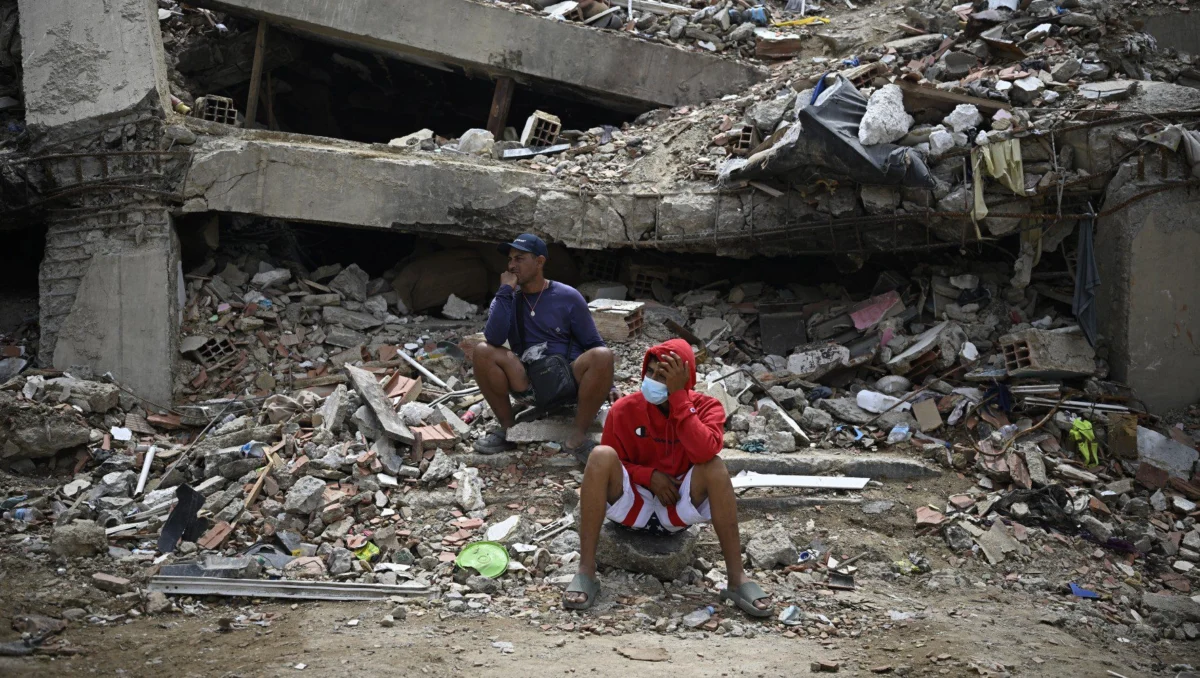
Maror (Bitter Herbs): These symbolize the bitterness of oppression and the suffering endured by those enslaved. In the context of modern refugees, the maror represents the systemic injustices, persecution, and violence that force individuals to flee their homelands. Data from the United Nations High Commissioner for Refugees (UNHCR) consistently shows millions displaced annually due to conflict, persecution, and human rights abuses. In 2023 alone, the number of forcibly displaced people globally surpassed 110 million, highlighting the pervasive nature of the suffering that these bitter herbs evoke.
-
Matzah (Unleavened Bread): The matzah, baked quickly without time for leavening, represents the haste and urgency of the Israelites’ flight from Egypt. For contemporary refugees, this signifies the abrupt and often perilous journeys undertaken with minimal preparation, often leaving behind all possessions and familiar lives. The challenges of irregular migration, including the dangers of sea crossings and overland treks, are stark realities for millions. For instance, the perilous Mediterranean crossing has seen thousands of lives lost in recent years, underscoring the urgency of flight.
-
Salt Water: Dipping vegetables in salt water is a practice that recalls the tears shed by those in bondage and the sorrow of separation from loved ones and home. This resonates deeply with the grief and trauma experienced by refugees, who often endure immense personal loss and emotional distress. The psychological impact of displacement, including PTSD and depression, is well-documented by humanitarian organizations and mental health professionals working with refugee populations.
-
Reclining: The tradition of reclining during the Seder signifies freedom and rest, a luxury denied to those in servitude. For those who have found refuge, reclining represents the hard-won achievement of safety and the possibility of rebuilding lives. However, this symbol also carries the weight of the ongoing struggle for security and stability, as many refugees face protracted periods in temporary accommodations or protracted asylum processes, where true rest remains elusive.
Bassin articulates that these symbols are not mere historical relics but "the architecture of displacement itself—fear, flight, grief, and the aching hope for sanctuary." This framing positions the Passover narrative as a timeless and universally relevant testament to the human experience of forced migration.
The Call to Action: From Memory to Responsibility
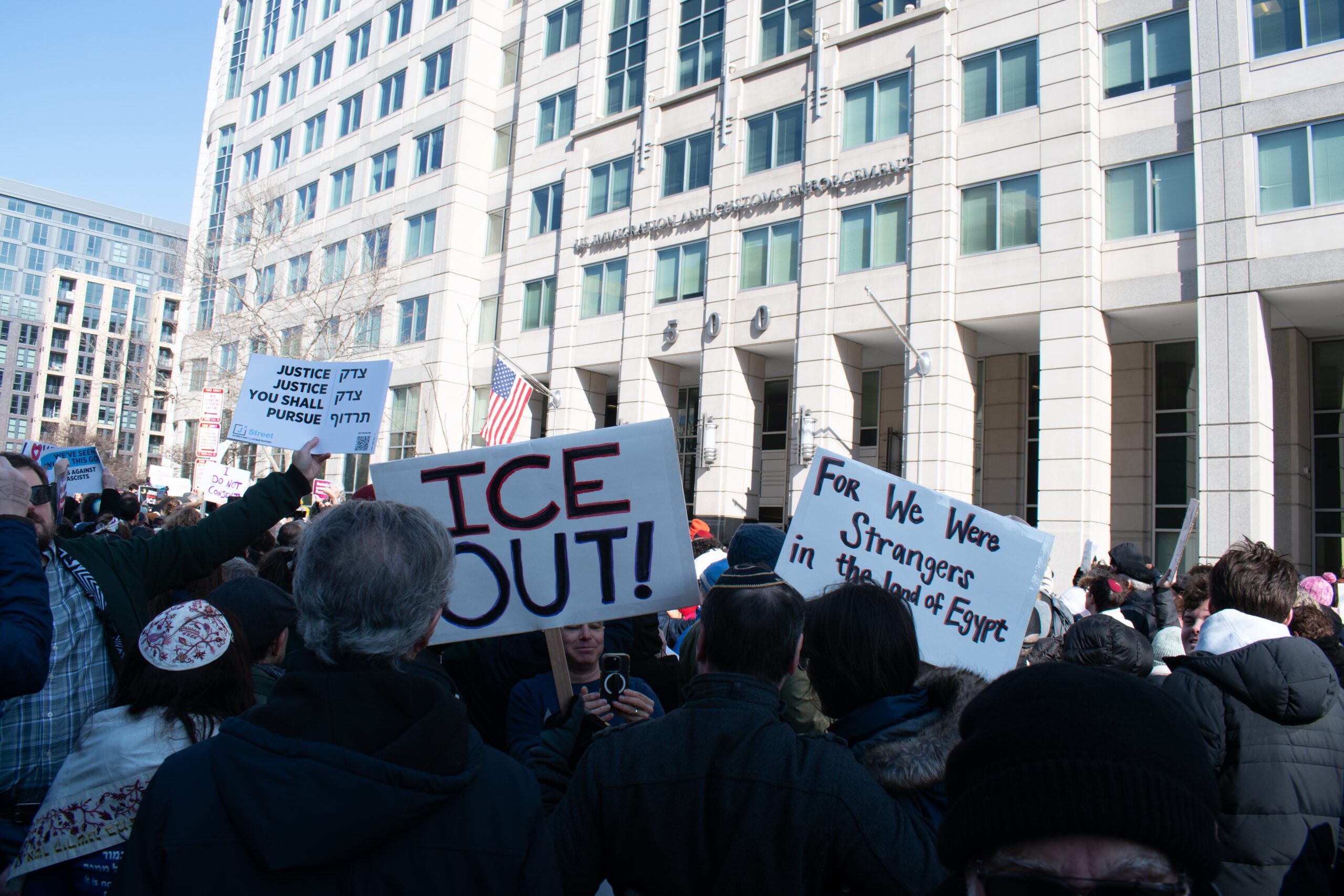
The question "Why is this night different?" is designed to prompt introspection and empathy. Bassin stresses that the answer extends beyond abstract understanding to a profound moral imperative: "It is a question meant not only to open our minds, but to open our hearts." This resonates with the core tenet of Jewish tradition, which emphasizes the importance of remembering past suffering to inform present action. The narrative of the Exodus, of a people who were once strangers in a strange land, serves as a perpetual reminder of the shared humanity that connects us to those currently seeking refuge.
The Haggadah, the text recited at the Seder, contains a pivotal commandment: "In every generation, everyone is obligated to see themselves as though they personally left Egypt." This is not simply an exercise in imaginative empathy; it is framed as a direct call to responsibility. Bassin interprets this as a demand to act on the lessons of history, to extend the compassion that was once shown to the Jewish people to those facing similar circumstances today. This concept of reciprocal responsibility is a cornerstone of humanitarian ethics, urging individuals and societies to uphold the dignity and rights of the vulnerable.
Contemporary Echoes of the Exodus
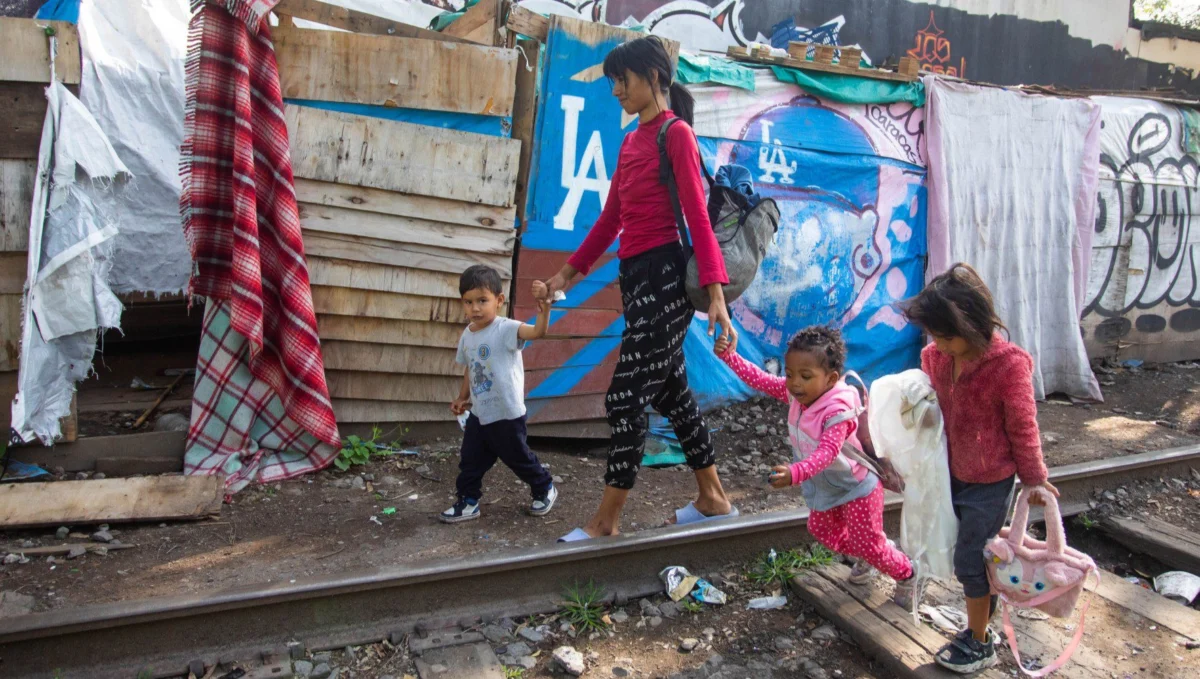
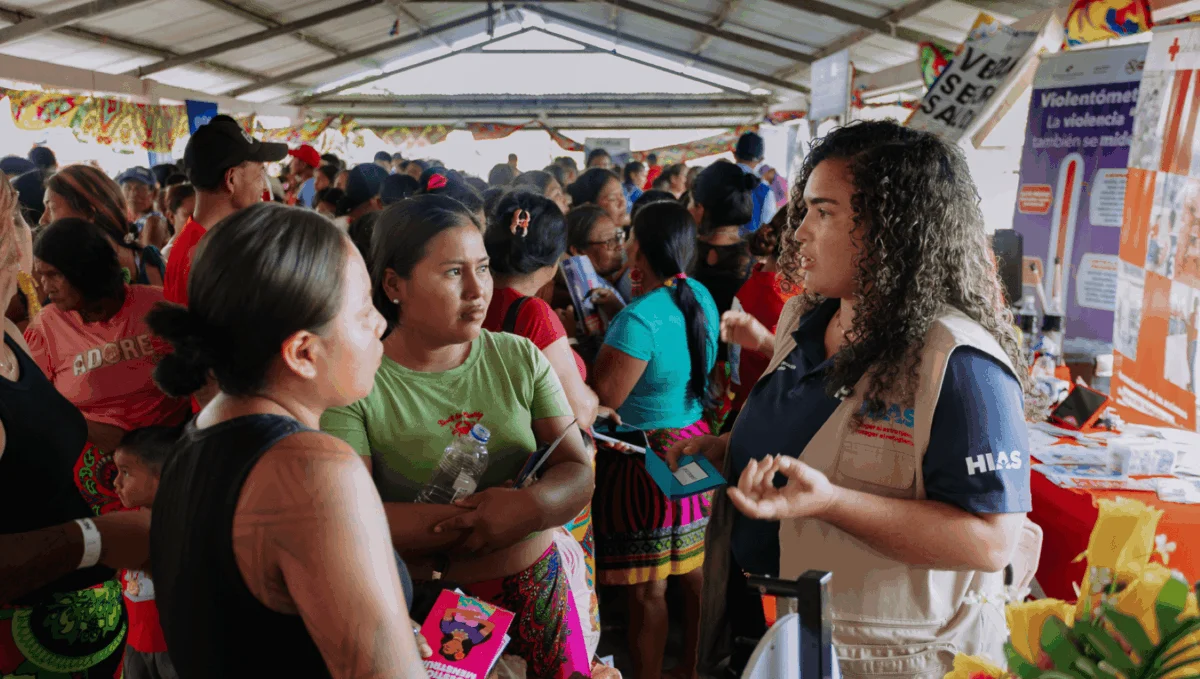
The families served by HIAS today are living out narratives that echo the ancient story of liberation. Bassin highlights the lived experiences of a mother fleeing with her children, a teenager navigating a new language and culture, and an asylum seeker finally finding a moment of peace. These are not abstract cases but individual lives marked by profound upheaval and the persistent hope for safety and belonging.
The current global landscape presents significant challenges for refugees and asylum seekers. Xenophobia, restrictive asylum policies, and geopolitical instability contribute to an environment where individuals seeking safety are increasingly vulnerable. According to UNHCR, 2023 saw a significant increase in applications for asylum, placing additional strain on reception systems in many countries. Furthermore, the erosion of international protection mechanisms in some regions creates an urgent need for robust advocacy and support.

HIAS’s message comes at a time when global displacement figures continue to rise. The organization underscores that memory without action is incomplete. The Passover mandate to "do for others what was once done for us" serves as a powerful reminder of the interconnectedness of human fates and the moral obligation to act when faced with injustice and suffering.
The Courage to Welcome
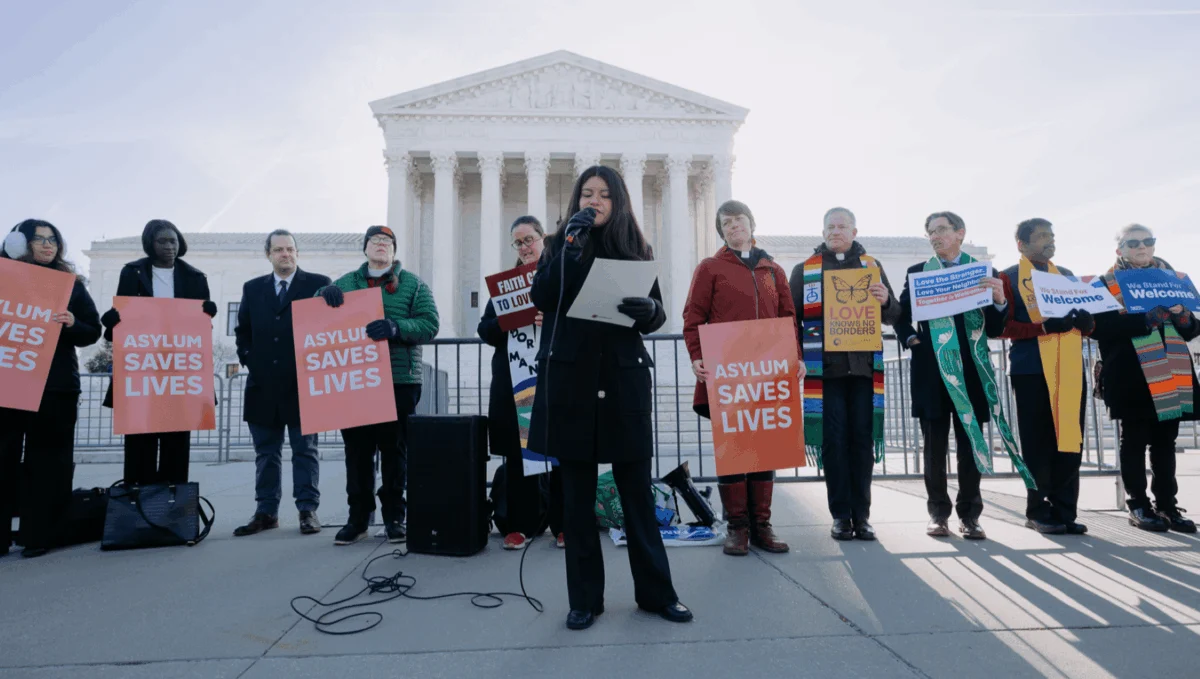
Bassin concludes with a stark assessment of the current global climate: "Refugees, asylum seekers, and displaced people are facing increasing xenophobia, shrinking protections, and political winds that threaten to erase their dignity and their rights." In this context, the act of welcoming the stranger becomes an act of courage, a defiance of fear-driven policies and sentiments.
The message from HIAS is clear: Passover night is different because it compels us to move beyond passive observation. It is different because we choose not to be distracted by the complexities and challenges, but to remember our shared history and the universal human need for safety and dignity. It is different because we choose to act, and because individuals and communities choose to stand in solidarity with those seeking refuge.
The call to action extends to tangible engagement. HIAS encourages supporters to learn more about the plight of refugees and to take concrete steps to help. This can include advocating for policies that protect asylum seekers, supporting organizations that provide direct assistance, and fostering welcoming communities. The organization’s related news piece, "Seven Ways You Can Take Action for Immigrants," further outlines practical avenues for engagement, reinforcing the idea that collective action is essential to address the scale of the global refugee crisis.
A Humanitarian Imperative for the Modern Age
The annual observance of Passover, with its deeply ingrained narrative of liberation and its potent symbolic language, provides a timely and profound framework for understanding and responding to the contemporary refugee crisis. HIAS’s message from Rabbi Sarah Bassin serves as a vital reminder that the lessons of ancient history remain acutely relevant. By embracing the spirit of Passover, individuals and societies are called upon to transform remembrance into tangible action, to choose compassion over fear, and to extend the hand of welcome to those in desperate need of sanctuary. The organization’s emphasis on "why this night is different" is, in essence, a powerful plea for a world where the echoes of the Exodus inspire a commitment to justice, dignity, and humanitarian action for all.