Three years into the devastating civil war in Sudan, a humanitarian crisis of unprecedented scale continues to unfold, displacing an estimated 14 million people both within the nation and across its borders. Chad, a nation already grappling with limited resources, now finds itself hosting approximately 1.8 million displaced individuals, the vast majority of whom have arrived since the conflict ignited in April 2023. This influx has placed immense pressure on existing infrastructure and strained already scarce resources in communities along the eastern border with Sudan. The situation is compounded by significant reductions in humanitarian funding from key international donors, including the United States and European nations, over the past year. These funding cuts have further exacerbated an already overstretched aid system, leaving refugees increasingly vulnerable to food insecurity, disease outbreaks, and the pervasive threat of violence.
HIAS, an organization with a long-standing presence in Chad for over two decades, has been at the forefront of providing critical support to refugees, internally displaced persons, and the host communities in the camps dotting the eastern border. The ongoing conflict in Sudan has transformed the region into the world’s largest displacement crisis, with the demand for essential assistance escalating daily. Despite these formidable challenges, Sudanese refugees demonstrate remarkable resilience, driven by an unwavering determination to rebuild their lives and secure a future for their families. Through the dedicated efforts of HIAS Chad, many are beginning to heal from the profound trauma of war and are actively engaged in constructing sustainable livelihoods.
The Escalating Humanitarian Crisis in Chad
The Sudanese conflict, characterized by widespread violence and atrocities, has triggered a massive outflow of people seeking safety. Chad, with its shared border and existing refugee populations, has become a primary destination. UNHCR data indicates a significant surge in new arrivals since the conflict began, pushing the total number of displaced people to 1.8 million. This surge strains vital services such as water, sanitation, healthcare, and education. Pre-existing vulnerabilities in host communities, often characterized by poverty and limited access to resources, are now amplified.
The sheer scale of displacement has created an urgent need for expanded humanitarian aid. However, this need clashes with a stark reality: a significant reduction in funding from traditional international donors. Reports from organizations like Refugees International highlight severe cuts in humanitarian funding, impacting the capacity of aid agencies to deliver essential services. This financial shortfall directly translates into reduced food rations, limited medical supplies, and fewer opportunities for economic support, leaving vulnerable populations at increased risk. The consequences are dire, ranging from heightened food insecurity and the potential for widespread malnutrition to increased susceptibility to preventable diseases and a greater risk of exploitation and violence, particularly for women and children.
Stories of Resilience and Recovery
Amidst this backdrop of crisis and scarcity, the personal narratives of refugees underscore their profound strength and unwavering hope. These individuals, forced to flee their homes with little more than the clothes on their backs, are actively seeking pathways to self-sufficiency and dignity.
Fatna, a mother of eight residing in the Aboutengu’e camp, exemplifies this spirit of resilience. Prior to receiving assistance from HIAS, her daily life was consumed by fear and extreme poverty. "Before, to feed my children, I sold bundles of firewood," Fatna recounted. "I had to walk for miles, sometimes far from the camp, exposing myself to attacks, harassment, and even the risk of rape. Every trip was dangerous, every day a source of worry." This precarious existence highlights the perilous lengths to which displaced individuals are often forced to go to secure basic necessities.
A turning point in Fatna’s life came with the economic assistance provided by HIAS Chad, generously funded by the German Federal Foreign Office (GFFO). This support enabled her to establish a sustainable livelihood by cultivating and selling crops. Her enterprise has flourished, allowing her to expand her market to include vegetables in three neighboring camps. "I can now provide for my children without risking my life," Fatna shared, her voice filled with a newfound sense of accomplishment. "By saving some of the assistance I received, I was able to plant this season. The harvest was good, proof that my strategy is working, and I am very proud of it. My home is more stable, my children are eating better, and I have regained my dignity." Her success story illustrates the transformative impact of targeted economic empowerment initiatives.
Beyond economic support, HIAS Chad also provides crucial protection services to Fatna and other women in her community. These services are designed to prevent gender-based violence and offer support to survivors. Fatna’s commitment extends beyond her personal recovery; she is now eager to contribute to her community’s well-being. "I am deeply grateful to HIAS for this assistance, but also for the regular follow-up and constant support," Fatna stated. "Today, I am ready to get more involved in my community, to raise awareness among other women and direct them to services." Her proactive engagement signifies a broader trend of refugees becoming active participants in their own recovery and in supporting others.
A Legacy of Displacement and Renewed Hope
Zam-Zam’s story is another poignant testament to the enduring impact of conflict and the vital role of humanitarian aid. She first arrived in Chad over two decades ago, fleeing the initial wave of violence in Darfur, Sudan, a conflict that tragically claimed the life of her husband. Today, she is a mother of six, including a daughter with a disability who faces mobility challenges.
"When I arrived at the Farchana camp in 2004, my situation was extremely difficult," Zam-Zam recalled. "I was mentally devastated, without the resources to provide for my children’s basic needs." Her early years in exile were marked by profound hardship and the immense responsibility of singlehandedly caring for her family.
With her limited savings, Zam-Zam managed to establish a small business selling goods in the camp market. Her resilience and entrepreneurial spirit were eventually recognized by other refugee women who had benefited from HIAS’s services. Learning about HIAS, she sought their support. The organization provided her with economic assistance, again funded by the GFFO, which allowed her to expand her business. This support enabled her to travel more frequently between camps, diversifying her product offerings and securing essential food supplies for resale.
"Since that day, my life has changed," Zam-Zam shared, her voice tinged with gratitude. "Thanks to this business, I can provide for my children, who have enough to eat, [they can] attend school, and receive the basic healthcare they need. With my income [from my business], I can even support my relatives when they face social difficulties." Her ability to not only meet her family’s immediate needs but also to extend support to her extended family underscores the ripple effect of economic empowerment within displaced communities.
The Impact of Economic Empowerment and Protection
HIAS’s approach in Chad recognizes that economic empowerment and protection are intrinsically linked, particularly for vulnerable populations like women and girls. Providing individuals with the means to earn a sustainable income, coupled with robust protection services, creates a powerful synergy that fosters resilience and reduces susceptibility to exploitation.
"For Sudanese refugees in Chad, economic empowerment and protection are inseparable," stated Anitha Niyongir, HIAS Chad’s Protection Manager. "When individuals, especially women and girls, have access to safe livelihoods and opportunities alongside protection services, they are better equipped to resist exploitation, reduce harmful coping mechanisms, and reclaim control over their lives." This holistic approach addresses the multifaceted challenges faced by refugees, acknowledging that economic stability is a crucial component of overall safety and well-being.
The organization’s programs focus on providing refugees with essential resources such as seed capital for businesses, vocational training to acquire marketable skills, and financial literacy programs to enhance their ability to manage their earnings effectively. These initiatives are designed to foster long-term self-reliance and reduce dependence on humanitarian aid.
Looking Ahead: The Need for Sustained Support
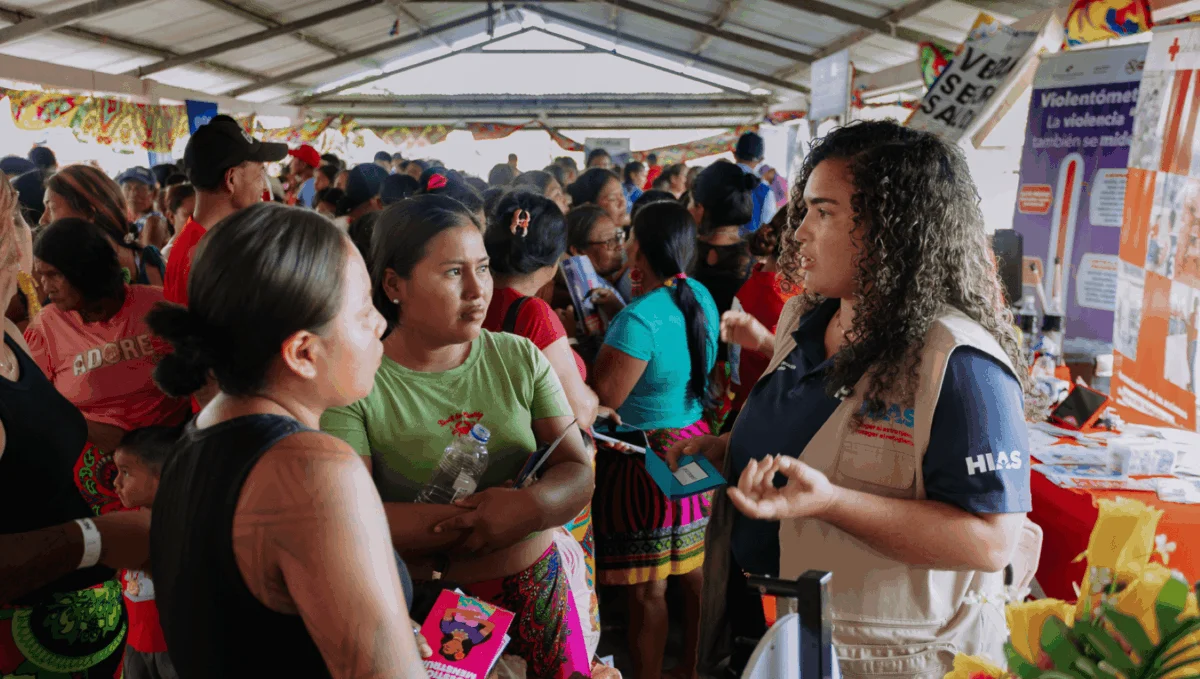
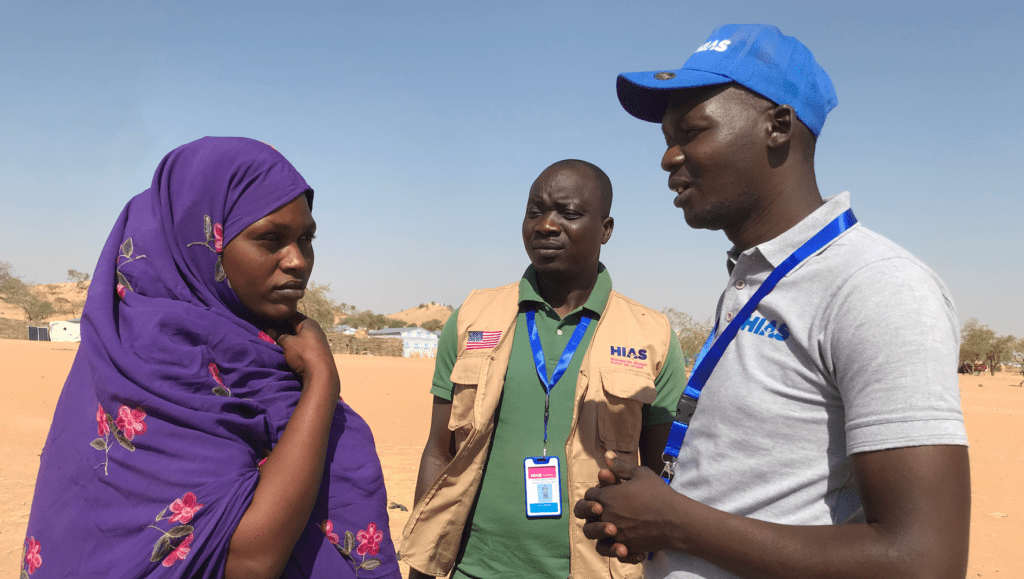
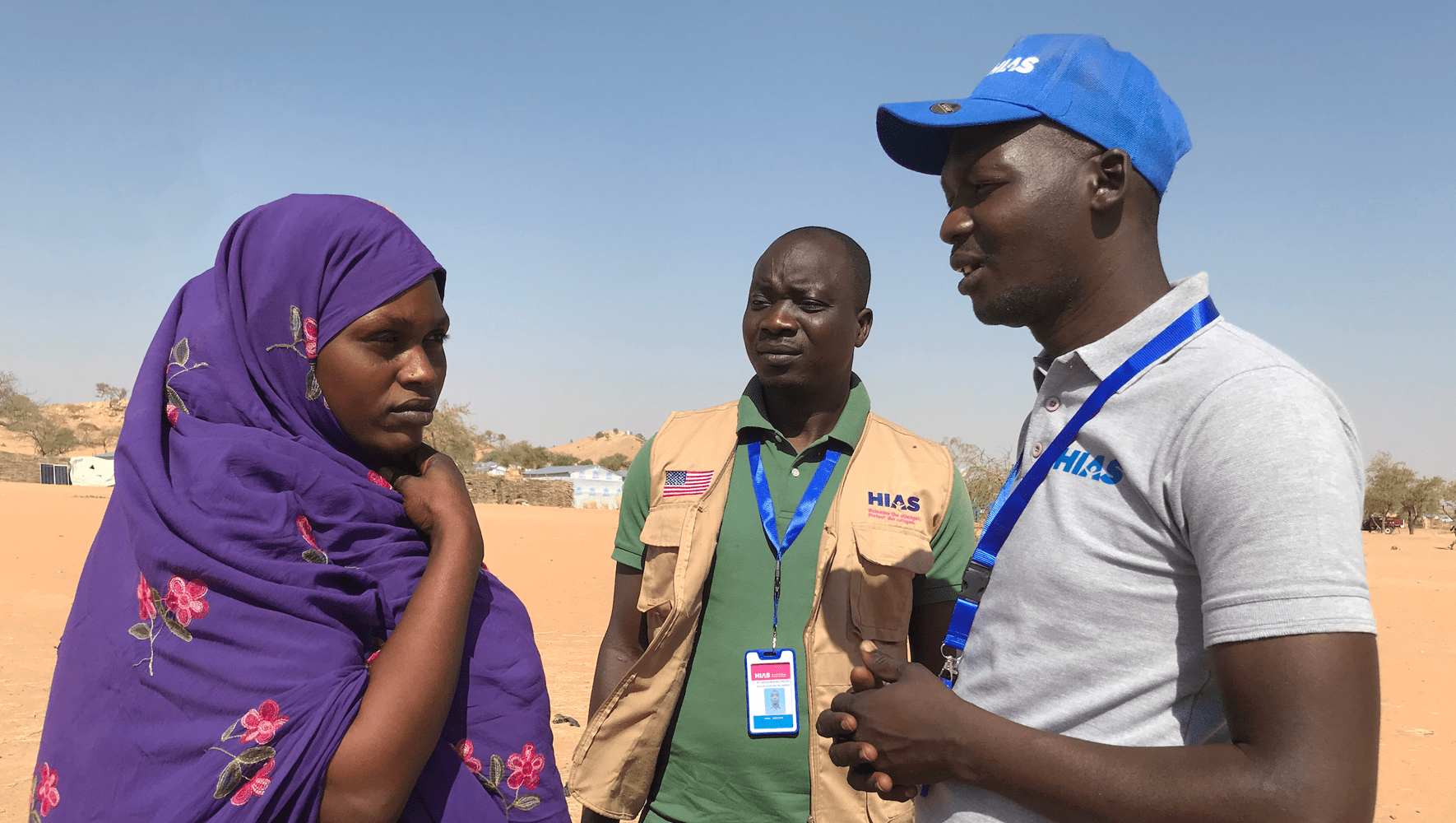
HIAS Chad remains steadfast in its commitment to assisting Sudanese refugees in their arduous journey of recovery from decades of conflict. The organization’s work in camps like Alacha, Aboutengu’e, and Farchana involves a comprehensive range of services, from providing immediate humanitarian assistance to implementing long-term development programs. The photographic evidence from the Alacha camp on January 18, 2025, captured by Kouakaine Moundi/HIAS Chad, showcases HIAS staff actively engaging with Sudanese women survivors of violence, offering crucial economic assistance and mental health care – a testament to the hands-on approach employed on the ground.
The success stories of Fatna and Zam-Zam, while inspiring, represent a fraction of the vast number of individuals requiring support. The ongoing funding challenges pose a significant threat to the continuity and expansion of these vital programs. As Zam-Zam poignantly expressed, "I am grateful to HIAS for its continued support of women and children in the community. We pray that more funding will be made available to continue supporting the most vulnerable."
The international community’s response to this escalating crisis is critical. Sustained and increased humanitarian funding is essential not only to meet the immediate needs of displaced populations but also to invest in long-term solutions that empower refugees to rebuild their lives and contribute to their host communities. The situation in Chad underscores the interconnectedness of global stability and the imperative of collective action in addressing protracted humanitarian crises. Without adequate financial resources, the progress made by individuals like Fatna and Zam-Zam, and the broader efforts to alleviate suffering, risk being undermined, leaving millions of vulnerable individuals in an even more precarious state. The future of countless Sudanese refugees hinges on the world’s commitment to providing the necessary support and resources to navigate this immense humanitarian challenge.