The cinematic landscape of the 2020s has seen a resurgence of the neo-Western, a genre that transplants the themes of the American frontier—justice, isolation, and moral ambiguity—into contemporary settings. Among the most recent and notable entries in this category is Normal, a film directed by Ben Wheatley and written by Derek Kolstad. Starring Bob Odenkirk, the film initially presents itself as a standard genre piece but distinguishes itself through a narrative focus on inclusivity, empathy, and the subversion of traditional "Dad Movie" tropes. By integrating a non-binary co-protagonist into a high-stakes action plot involving international organized crime, Normal attempts to bridge the gap between classic rural noir and modern social realism.
The Narrative Framework and Character Dynamics of Normal
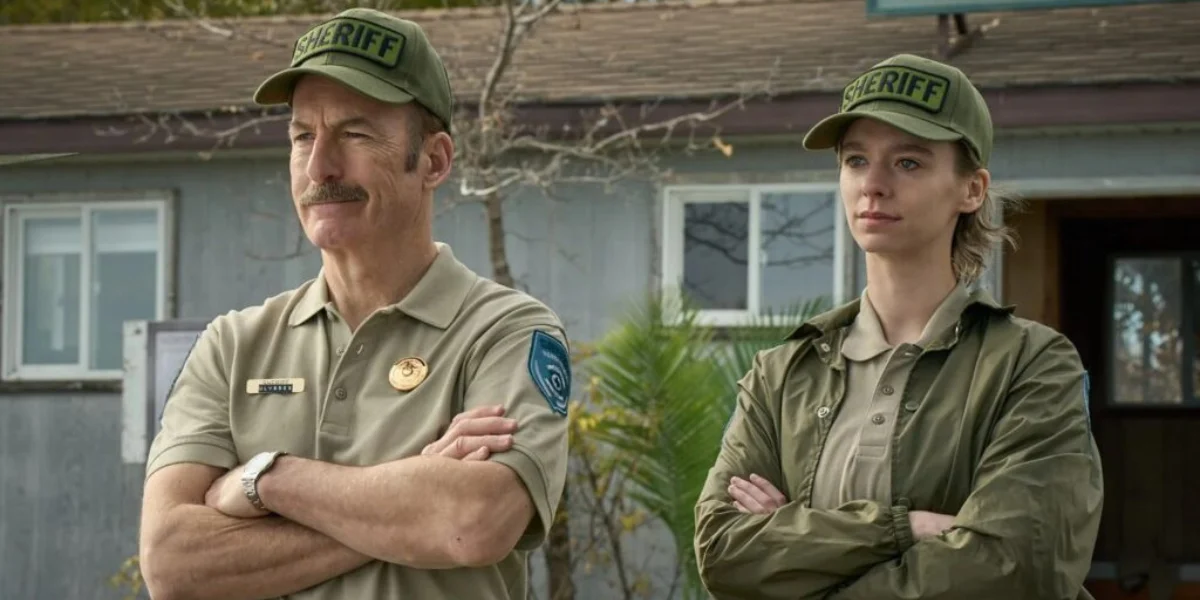
The plot of Normal centers on Ulysses, portrayed by Bob Odenkirk, an interim sheriff who is dispatched to a small, isolated town in Minnesota. The setting is established during a harsh winter, a choice that invokes the aesthetic of films like Fargo or the television series of the same name. Ulysses arrives following the sudden and suspicious death of the town’s previous sheriff, finding himself in a community defined by its insularity and quirky, often short-tempered residents.
Ulysses is characterized as a pacifist and a "genuinely decent" figure, a departure from the hyper-masculine, often violent protagonists common in the action genre. His approach to law enforcement emphasizes de-escalation and empathy. This characterization is crucial to the film’s secondary, and arguably more significant, narrative thread: the relationship between Ulysses and Alex, played by Jess McLeod.
Alex is the child of the deceased former sheriff and is identified as trans and non-binary. Within the story, Alex is depicted as a grieving individual who has been ostracized by the community. Homeless and living out of a car during a blizzard, Alex represents the marginalized fringes of the town. The townspeople’s treatment of Alex—referring to them as "the kid" and excluding them from communal events like their own father’s funeral—serves as a narrative engine for exploring themes of prejudice and casual cruelty in small-town environments.
Structural Subversion of the Traditional Neo-Western Genre
The film’s structure follows a "slow-burn" rhythm. The first act focuses on the "day-in-the-life" duties of a small-town sheriff, establishing the atmosphere before transitioning into a more intense action-thriller. This transition occurs when Ulysses uncovers a conspiracy: the town’s local bank is being utilized as a money-laundering front for the Yakuza, the Japanese organized crime syndicate.
In a departure from traditional Western tropes where the hero acts alone, Ulysses forms an alliance with Alex. By deputizing Alex, Ulysses provides the character with a sense of agency and institutional belonging that the town had previously denied them. This partnership transforms the film from a solo survival story into a "powerhouse duo" dynamic. The narrative culminates in a high-stakes shootout where Alex evolves from a withdrawn, grieving figure into a formidable combatant.
Socio-Political Commentary and Non-Binary Representation
One of the most significant aspects of Normal is its treatment of non-binary identity. Unlike many mainstream films where a character’s gender identity is the primary source of conflict or a subject of extensive exposition, Derek Kolstad’s script treats Alex’s identity with naturalism. The prejudice Alex faces is portrayed as a systemic failure of the town’s inhabitants rather than a personal flaw of the character.
The film aligns with a growing trend in media to represent LGBTQ+ individuals in genres where they have historically been absent. According to the GLAAD Studio Responsibility Index, while representation has increased in recent years, non-binary characters remain underrepresented in the action and thriller genres. Normal addresses this gap by positioning Alex as a "cool hero" rather than a victim.
The off-screen collaboration between the lead actors further emphasizes this commitment to representation. Bob Odenkirk, who also serves as an executive producer on the film, notably served as an executive producer for Jess McLeod’s short film, She’s Nonbinary. This professional relationship suggests a deliberate effort to foster inclusive storytelling within the industry.
The Creative Collaboration of Odenkirk, Kolstad, and Wheatley
The production of Normal brings together three distinct creative forces in modern cinema. Bob Odenkirk, widely recognized for his dramatic work in Better Call Saul, successfully transitioned into the action genre with the 2021 film Nobody. That film was also written by Derek Kolstad, the creator of the John Wick franchise. Their reunion in Normal signals a continued interest in deconstructing the "everyman" action hero.
Ben Wheatley, the director, is known for his versatile and often transgressive filmography, which includes the psychological horror Kill List and the stylized action film Free Fire. Wheatley’s influence is evident in the film’s ability to balance the "quietly progressive core" with the "scorched-earth" violence of the third act. The choice of a Minnesota winter setting provides a stark, minimalist backdrop that complements Wheatley’s often bleak visual style.
Supporting Data and Genre Context
The "Dad Movie" is a colloquial term for films that typically appeal to middle-aged male audiences, often featuring themes of paternal protection, justice, and the restoration of order. Common examples include the Taken series or the works of Clint Eastwood. Normal utilizes the visual language of this genre—the rural setting, the lawman protagonist, the corrupt conspiracy—to deliver a message of radical empathy.
Data from the Motion Picture Association (MPA) indicates that the "action-thriller" genre remains one of the most consistent performers at the global box office. However, audience demographics are shifting. Younger viewers, particularly Gen Z and Millennials, increasingly demand diverse representation. By blending "old-school flair" with modern social sensibilities, Normal attempts to appeal to both the traditional "Dad Movie" demographic and a more progressive, younger audience.
Chronology of Production and Release
While specific production timelines for independent neo-Westerns can vary, the development of Normal followed Odenkirk’s recovery from a health scare during the final season of Better Call Saul and the commercial success of Nobody.
- Project Announcement: The collaboration between Odenkirk and Kolstad was announced following the success of Nobody, with Ben Wheatley later attached to direct.
- Casting: Jess McLeod was cast in the pivotal role of Alex, bringing a background in character-driven dramas to the action-heavy script.
- Filming: Principal photography took place in locations designed to mimic the rural Midwest, utilizing the natural elements to enhance the film’s "slow-burn" tension.
- Post-Production: The film’s editing focused on the pivot from a procedural "day-in-the-life" rhythm to an escalating conflict with the Yakuza.
Broader Impact and Implications for the Industry
The implications of Normal extend beyond its immediate box office or critical performance. It serves as a case study for how genre films can evolve to reflect contemporary social realities without sacrificing the elements that make them popular.
- Genre Evolution: The film demonstrates that the neo-Western can be a vehicle for discussing homelessness, grief, and gender identity.
- Character Archetypes: By making a non-binary character a "formidable badass" in a sheriff’s deputy role, the film challenges the traditional image of the law enforcement hero.
- Market Strategy: The film suggests that inclusive storytelling is not antithetical to "Dad Movies" but can actually enrich them, providing "more soul" than a standard premise might suggest.
Industry analysts suggest that if Normal succeeds in reaching its target demographics, it may pave the way for more "found-family" action narratives that prioritize emotional anchors alongside physical spectacle. The "powerhouse duo" of Ulysses and Alex offers a template for future sequels or similar projects that seek to humanize marginalized groups within high-octane environments.
In conclusion, Normal represents a calculated and empathetic expansion of the action-thriller genre. Through the collaboration of Bob Odenkirk, Ben Wheatley, and Derek Kolstad, the film provides a platform for Jess McLeod to deliver a "star-making" performance. It posits that the "normal" path for a hero is one of generosity, understanding, and the protection of the vulnerable, regardless of their identity. This approach not only offers a "breath of fresh air" for the genre but also sets a professional standard for how diversity can be seamlessly integrated into mainstream entertainment.