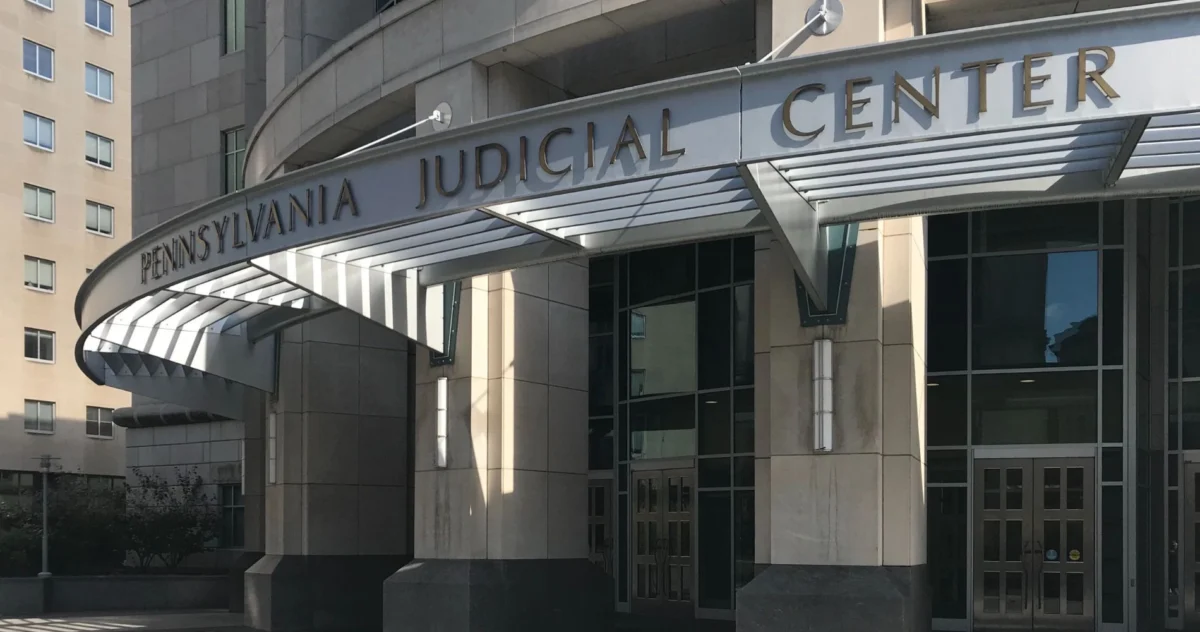
In a landmark decision poised to reshape criminal justice in the Commonwealth, the Pennsylvania Supreme Court has unequivocally ruled that mandatory life-without-parole sentences for individuals convicted of felony murder violate the state constitution. This pivotal judgment, delivered by Chief Justice Debra Todd for the majority, asserts that such an inflexible sentencing scheme, which fails to assess individual culpability, is inconsistent with the "cruel punishments" clause enshrined in Pennsylvania’s organic charter. The ruling, handed down in the case of Commonwealth v. Lee, signals a profound shift towards individualized sentencing and away from the rigid application of laws that have long been criticized for disproportionately punishing those with lesser roles in fatal crimes.
Understanding the Felony Murder Doctrine and Pennsylvania’s Approach
To fully grasp the significance of this ruling, it is crucial to understand the legal concept of felony murder. Unlike traditional murder charges, which require proof of intent to kill (malice aforethought), the felony murder rule allows a person to be convicted of murder if a death occurs during the commission of certain inherently dangerous felonies, such as robbery, rape, kidnapping, or arson. Crucially, the prosecution does not need to prove that the defendant intended to kill, or even directly caused the death; merely participation in the underlying felony where a death occurred is sufficient. In Pennsylvania, this falls under second-degree murder.
Historically, the felony murder rule emerged from English common law, intended to deter dangerous criminal activity by holding all participants accountable for any deaths that might result. Over centuries, its application has evolved, with many jurisdictions adopting varying degrees of culpability or exceptions. However, Pennsylvania’s statute stood out for its particularly stringent application. Under state law, any person convicted of second-degree murder, regardless of their specific role—whether they were the actual perpetrator who pulled the trigger, the getaway driver, or merely a lookout—was automatically subjected to a mandatory sentence of life imprisonment without the possibility of parole. This "all-or-nothing" approach meant that the judiciary had no discretion to consider the unique circumstances of each defendant, their level of involvement, or their individual moral culpability.
This rigid framework placed Pennsylvania among a very small minority of states. The Supreme Court’s opinion noted that only four other states—Iowa, Louisiana, Mississippi, and North Carolina—maintained mandatory life-without-parole sentences, without exceptions, for felony murder convictions. This national context underscored the extreme nature of Pennsylvania’s prior law, highlighting its outlier status in a broader legal landscape that increasingly acknowledges the importance of tailored justice.
The Catalyst: The Case of Derek Lee
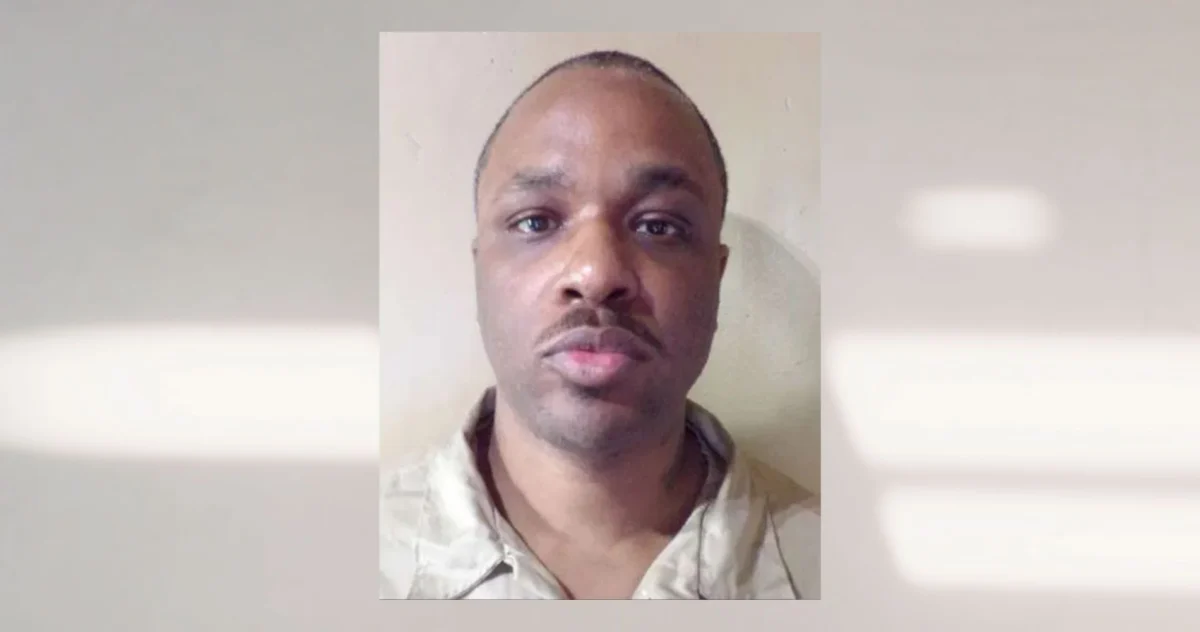
The legal challenge that led to this landmark decision originated from the case of Derek Lee. In 2014, Lee was involved in an armed robbery in Allegheny County. During the commission of the crime, a scuffle ensued in the basement of the premises, and the victim was tragically shot and killed by Lee’s accomplice. Evidence presented during the trial indicated that Lee was upstairs at the time of the fatal shooting, not directly involved in the physical altercation that led to the death. Despite his demonstrably lesser role in the direct act of killing, both Lee and his accomplice were convicted of second-degree murder and consequently received the mandatory sentence of life imprisonment without parole.
Lee subsequently challenged his sentence, arguing that it violated both the state and federal constitutions. His appeal brought to the fore the core legal question of whether a mandatory, one-size-fits-all punishment for felony murder, irrespective of individual culpability, could withstand constitutional scrutiny. The Supreme Court’s decision to hear his case and ultimately rule in his favor marked a critical juncture in Pennsylvania’s legal history, providing the vehicle for a re-evaluation of long-standing sentencing practices.
A Foundational Principle: Proportionality and Individualized Justice
At the heart of the Pennsylvania Supreme Court’s ruling is the principle of proportionality in sentencing—the idea that the punishment must fit the crime, and crucially, the offender. Chief Justice Todd’s majority opinion articulated this principle by emphasizing that the state constitution provides greater protections to its citizens than those recognized under the Eighth Amendment of the U.S. Constitution, which prohibits cruel and unusual punishment. This assertion is significant because state constitutions can, and often do, offer broader rights and protections than their federal counterparts, establishing a higher bar for governmental action.
The court extensively cited the "longstanding notion of justice that ‘punishment for [a] crime should be graduated and proportioned to both the offender and the offense.’" This fundamental tenet implies that individuals who exhibit lessened culpability are inherently less deserving of the most severe punishments available under the law. The mandatory life-without-parole scheme for felony murder directly contradicted this principle by failing to differentiate between the various degrees of involvement and intent among co-defendants. As the court eloquently put it, the law failed to distinguish between "the lookout and the killer who pulls the trigger."
The Court highlighted that life imprisonment without parole is "the harshest imprisonment sanction permitted under the law," second only to the death penalty itself. To apply such an extreme and irreversible punishment uniformly, without any consideration for individualized circumstances, "runs afoul of notions of individualized sentencing for defendants facing the second most severe punishment after death." This judicial stance reflects a growing national consensus that, especially in cases involving capital or near-capital punishment, a thorough assessment of each defendant’s unique role, mental state, and background is not merely desirable but constitutionally imperative.
Consequently, the court concluded that Pennsylvania’s felony murder statute, in its mandatory application, violated the state constitutional prohibition against cruel punishments because it "poses too great a risk of disproportionate punishment." This ruling doesn’t abolish the felony murder rule itself but rather the mandatory nature of its most severe sentencing consequence, thereby injecting a necessary element of judicial discretion and individualized assessment into the sentencing process.
Immediate Aftermath and the Question of Retroactivity
Following the ruling, Derek Lee’s case was remanded back to the sentencing court. This means the lower court must now reconsider his individual culpability, his specific role in the 2014 robbery, and the circumstances surrounding the victim’s death. Based on this individualized assessment, the court will then have the discretion to resentence him to either life without parole (if his culpability is deemed high enough to warrant it) or to life with the possibility of parole. This immediate outcome for Lee underscores the practical impact of the Supreme Court’s decision.
However, a critical question remains unanswered by the ruling: its retroactivity. The court did not explicitly decide whether its decision applies retroactively to the more than 1,000 people currently serving life without parole for second-degree murder in Pennsylvania. This legal ambiguity leaves a substantial population of inmates in a state of uncertainty, and it sets the stage for potentially significant legal challenges and legislative action.
Official Responses and Legislative Momentum
The Supreme Court’s decision has drawn significant reactions from various stakeholders within Pennsylvania’s political and legal landscape. Governor Josh Shapiro, who as Attorney General had previously advocated for striking down mandatory life without parole for felony murder, promptly welcomed the ruling. He called upon state lawmakers to "come up with a thoughtful, just process to address those who are serving life sentences for second degree murder." His statement signals an executive push for legislative engagement to clarify and implement the implications of the court’s decision, particularly concerning the retroactivity question.
Adding to this momentum, State Senator Sharif Street (D., Philadelphia) has been a vocal proponent of reform in this area. He sponsored a bipartisan bill, SB 387, which is currently pending in the state Senate. This legislation proposes to allow parole consideration for individuals convicted of felony murder after serving 25 years. Senator Street’s advocacy stems from a deeply held belief in equitable justice, noting that "the result of our legal system is there are people who were not the actual shooter who end up serving life in prison when the actual shooter did not." This perceived inconsistency, he argues, "is inconsistent with people’s understanding of how justice should work." The Supreme Court’s ruling undoubtedly provides significant impetus for SB 387 and similar legislative efforts to advance.
Broader Implications for Pennsylvania’s Justice System
The ramifications of this decision extend far beyond the immediate impact on Derek Lee and the legislative debate.
- Impact on Inmates: If the ruling is eventually applied retroactively, it could affect over a thousand individuals currently incarcerated under the mandatory life-without-parole sentence for second-degree murder. This would necessitate a massive undertaking of resentencing hearings across the state, requiring significant judicial and prosecutorial resources. Each case would need to be reviewed individually, focusing on the specific culpability of the defendant at the time of the crime.
- Resource Allocation: The potential for a large number of resentencing hearings would place immense strain on the court system, public defender offices, and district attorneys’ offices. Additionally, the Pennsylvania Parole Board would face a substantial increase in its workload if a significant number of these individuals become eligible for parole.
- Rethinking Sentencing Philosophies: The decision encourages a broader re-evaluation of mandatory minimum sentences in Pennsylvania. While this ruling specifically targets felony murder, its underlying principle—that punishment should be proportionate to culpability and individualized—could inform future challenges to other mandatory sentencing schemes.
- Victim Advocacy Concerns: While proponents of reform hail the decision as a step towards a fairer justice system, victim advocacy groups may express concerns about changes to sentencing for crimes that resulted in a death. There will be a delicate balance to strike between ensuring justice for victims and implementing a more equitable sentencing framework for defendants.
- Legal Precedent for Other States: While state supreme court rulings are not binding on other states, Pennsylvania’s decision could serve as persuasive authority for courts in other jurisdictions grappling with similar constitutional challenges to their own mandatory sentencing laws, particularly those few states that still maintain such rigid felony murder statutes. It reinforces the trend towards judicial scrutiny of laws that eliminate judicial discretion.
The Ongoing Debate: Justice, Culpability, and Rehabilitation
This landmark ruling reignites fundamental debates about the nature of justice, the role of culpability, and the purpose of punishment within the criminal justice system. On one side are arguments for strict accountability and retribution, particularly for crimes resulting in death, emphasizing the need for severe consequences to deter crime and provide justice for victims. Proponents of mandatory life-without-parole sentences often argue that any involvement in a felony that leads to a death makes one equally culpable for the ultimate tragic outcome.
On the other side are arguments rooted in the principles of rehabilitation, proportionality, and the recognition of differing degrees of moral blameworthiness. Legal scholars and reform advocates have long argued that an individual who did not intend to kill, did not directly cause the death, and perhaps even tried to prevent it, should not face the same punishment as the direct perpetrator. They contend that the mandatory imposition of life without parole, in such cases, removes any incentive for rehabilitation, ignores potential for growth and change, and ultimately serves as a cruel and disproportionate punishment.
The Pennsylvania Supreme Court’s decision decisively leans into the latter perspective, affirming that even within the framework of serious crimes like felony murder, the justice system must retain the capacity to distinguish between individuals based on their specific actions, intent, and overall culpability. It underscores a shift from a purely retributive model to one that seeks a more nuanced and individualized approach to sentencing, aligning Pennsylvania with a broader national and international trend towards more humane and effective criminal justice practices.
Looking ahead, the legislative response to this ruling will be critical. Lawmakers face the complex task of drafting new statutes that comply with the court’s directives while balancing public safety concerns, victims’ rights, and the constitutional mandate for proportionate punishment. This will involve careful consideration of parole eligibility, resentencing guidelines, and the establishment of clear criteria for assessing individual culpability in felony murder cases. The journey toward a fully realized, individualized justice system in Pennsylvania for these cases has just begun, marking a profound moment in the Commonwealth’s legal history.