The Supreme Court is poised to hear arguments in Trump v. Barbara, a pivotal legal challenge that could fundamentally alter the landscape of American citizenship and immigration policy. The case centers on an executive order intended to dismantle the long-standing principle of birthright citizenship, a cornerstone of American law for over 150 years. The outcome of this litigation carries profound implications, not only for immigrant families but for the nation’s identity as a beacon of opportunity and inclusion.
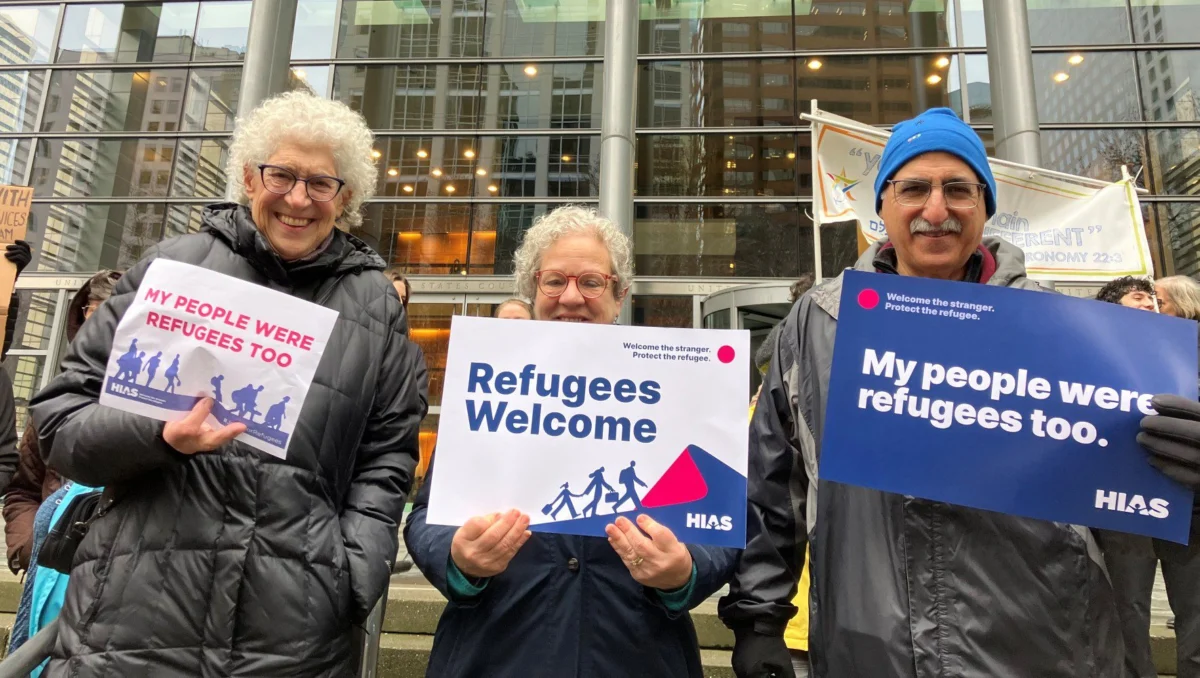
This critical legal battle has galvanized a broad coalition of civil rights organizations, religious institutions, and advocacy groups, underscoring the deep-seated importance of birthright citizenship to a diverse array of communities. HIAS, a leading refugee and resettlement agency, has joined forces with 57 other faith-based organizations, representing a spectrum of religious traditions including Catholic, Protestant, Muslim, Hindu, and Jewish faiths. Together, these organizations have submitted an amicus curiae brief to the Court, emphasizing the moral imperatives and societal benefits associated with preserving birthright citizenship. Their collective voice highlights the integral role this principle plays in fostering social cohesion and ensuring a secure future for families who have made America their home.
Understanding Birthright Citizenship: A Foundation of Inclusion
Birthright citizenship, recognized globally by the principle of jus soli (Latin for "right of the soil"), grants citizenship to all individuals born within a nation’s territorial boundaries, irrespective of their parents’ nationality or immigration status. This contrasts with jus sanguinis ("right of blood"), where citizenship is determined by the legal nationality of one’s parents. Currently, a select number of nations worldwide uphold the principle of birthright citizenship. Its primary functions include establishing a clear and unambiguous legal status for all children born within a country, critically preventing the societal scourge of statelessness, and actively encouraging the integration of new populations into the fabric of society. Data from the United Nations High Commissioner for Refugees (UNHCR) indicates that approximately 4.4 million individuals globally are stateless, a condition that renders them vulnerable to severe human rights violations, including denial of basic services like education, healthcare, and employment.
The Constitutional Underpinnings of Birthright Citizenship in the United States
In the United States, birthright citizenship is enshrined in the 14th Amendment of the Constitution. Ratified in 1868 in the aftermath of the Civil War, this amendment was primarily designed to secure the rights and citizenship of newly freed enslaved people. The clarity and universality of its language have ensured that for generations, any child born on American soil has automatically been recognized as a citizen. This constitutional guarantee has been instrumental in the successful integration of countless immigrant families, tracing a historical continuum from Irish and Italian immigrants in the 19th century to those arriving from Russia, Japan, Vietnam, Afghanistan, and numerous other nations in subsequent decades. Their descendants have not only found permanent homes in the U.S. but have also significantly contributed to the nation’s rich cultural tapestry and economic vitality.
The Genesis and Significance of Trump v. Barbara
The legal challenge in Trump v. Barbara emerged as a direct response to an executive action initiated by the Trump Administration on its first day in office. This executive order was interpreted by many as an attempt to circumvent established constitutional law and revoke birthright citizenship through administrative decree. The lawsuit represents one of the most substantial and consequential legal affronts to the Trump Administration’s broader immigration agenda. The case is scheduled for oral arguments before the Supreme Court on April 1, 2026, a date that carries significant symbolic weight. The Court’s eventual decision is anticipated to be far-reaching, either reaffirming the constitutional protection of birthright citizenship or initiating a profound redefinition of America’s historical commitment to welcoming immigrants and ensuring their legal standing.
Potential Ramifications of Dismantling Birthright Citizenship
The potential consequences of a ruling that invalidates birthright citizenship are multifaceted and could have immediate and severe repercussions for non-citizen families residing in the United States. Without birthright citizenship, children born in the U.S. to parents who are not citizens could face uncertain legal futures. This uncertainty could lead to the creation of a de facto underclass of individuals born and raised in the United States but lacking full legal recognition and rights. Such a scenario could mirror the hardships faced by stateless individuals globally, who are often denied access to essential services, face barriers to employment and housing, and are subject to discrimination.
The U.S. immigration system, while complex, has historically relied on birthright citizenship as a foundational element for integration. The absence of this principle could create significant legal and administrative complexities. For instance, children born to non-citizen parents might become stateless if their parents’ home countries do not automatically grant citizenship based on descent, or if the parents themselves are stateless. This could lead to a generation of individuals who are legally invisible, unable to fully participate in society, and potentially vulnerable to deportation, even if they have no ties to any other country. The economic and social costs of such a scenario, including increased demand on social services for marginalized populations and potential impacts on workforce participation, are significant considerations.
Broader Context and Historical Precedents
The debate surrounding birthright citizenship is not new, although the direct challenge via executive order in Trump v. Barbara is a notable escalation. Historically, the principle has been affirmed through judicial interpretation and societal acceptance. The 14th Amendment’s Citizenship Clause states, "All persons born or naturalized in the United States, and subject to the jurisdiction thereof, are citizens of the United States and of the State wherein they reside." The Supreme Court’s landmark 1898 decision in United States v. Wong Kim Ark upheld birthright citizenship for the son of Chinese immigrants, firmly establishing that individuals born on U.S. soil were citizens, regardless of their parents’ immigration status, as long as they were subject to U.S. jurisdiction. This precedent has been the bedrock of citizenship for over a century.
The current legal challenge seeks to reinterpret or circumvent this established understanding, raising questions about the scope of the 14th Amendment and the executive’s authority to unilaterally alter fundamental constitutional rights. The legal arguments are expected to delve into the meaning of "subject to the jurisdiction thereof," with proponents of the executive order potentially arguing that it excludes children of parents lacking legal immigration status. However, opponents, including the coalition filing the amicus brief, contend that this interpretation is a radical departure from established legal precedent and the original intent of the amendment.
Mobilization and Advocacy: A Call to Action
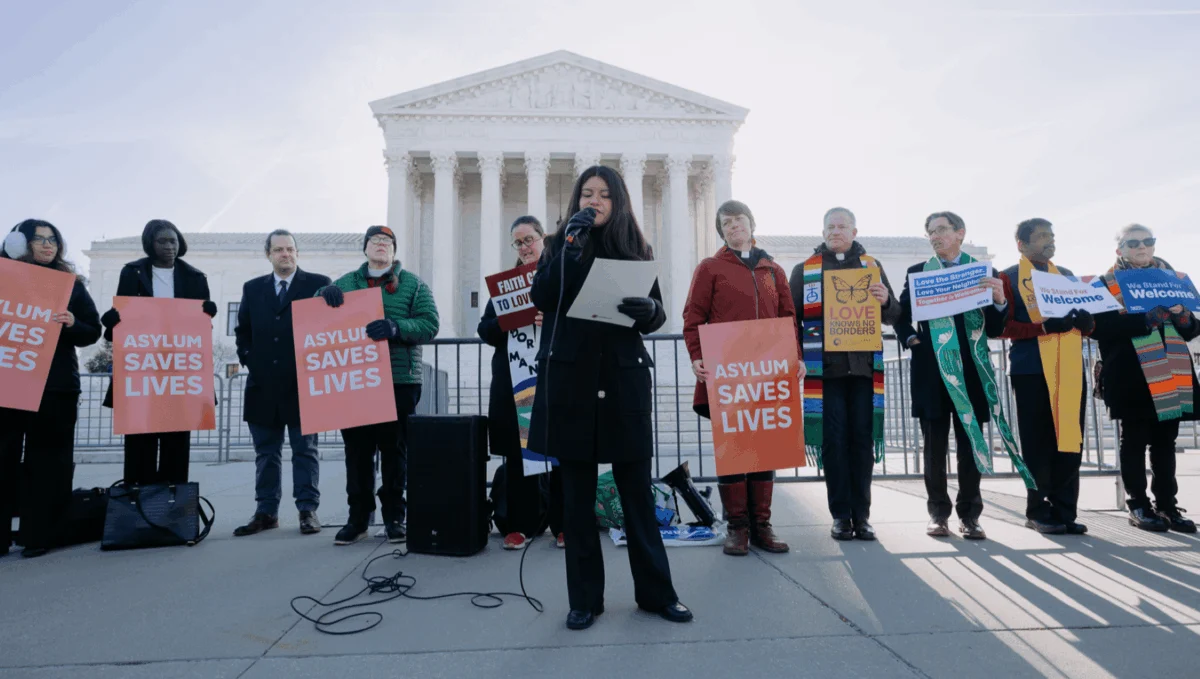
In response to the impending Supreme Court hearing, a broad spectrum of organizations is mobilizing to advocate for the preservation of birthright citizenship. HIAS, alongside the ACLU and other partners who submitted the amicus brief, is participating in a rally scheduled to take place in front of the Supreme Court at 10 a.m. on April 1. This event serves as a visible demonstration of public support for birthright citizenship and an opportunity for individuals and communities to voice their commitment to inclusive immigration policies.
While the Supreme Court’s deliberation process can be lengthy, often taking months to render a decision, the period leading up to and following the ruling is critical for public engagement. HIAS has made resources available for individuals and communities seeking to support immigrant neighbors and advocate for protective policies. These resources aim to empower citizens to take concrete actions, fostering a more welcoming and just society for all, particularly during times of heightened tension and scrutiny surrounding immigration.
The legal battle of Trump v. Barbara is more than just a case about a specific executive order; it is a profound examination of American values, constitutional interpretation, and the nation’s historical role as a sanctuary and land of opportunity. The Supreme Court’s decision will undoubtedly shape the future of citizenship in the United States for generations to come, impacting the lives of millions and defining the very essence of American identity in the 21st century.