On May 7, 2026, voters across England will participate in a pivotal democratic exercise as 5,014 seats within 136 local authorities become subject to election. While local council contests are frequently overshadowed by the high-stakes theater of national general elections, these regional polls represent the front line of governance, directly impacting the socio-economic health of communities. From the management of social care and the approval of planning applications to the strategic procurement of services and the maintenance of public spaces, local councils wield significant statutory powers that can either alleviate or exacerbate systemic inequality. As the campaign period enters its final week, the focus shifts to whether candidates are prepared to move beyond rhetoric and commit to substantive policy interventions that address the wealth gap and the cost-of-living crisis.
The Context of the 2026 Local Elections
The upcoming elections occur against a backdrop of prolonged fiscal pressure on local government. Since 2010, English councils have navigated a complex landscape of austerity, characterized by significant reductions in central government grants. This has forced many authorities to make difficult decisions regarding non-statutory services such as youth clubs, libraries, and community centers. Simultaneously, the demand for statutory services, particularly adult and children’s social care, has surged, creating a "scissors effect" where rising costs meet shrinking budgets.
In addition to the English council seats, voters in Wales and Scotland are also preparing to go to the polls to decide the composition of their respective devolved governments. These concurrent elections highlight a broader national conversation regarding the decentralization of power and the efficacy of regional governance in addressing the United Kingdom’s status as one of the most geographically and economically unequal nations in the developed world.
The State of Inequality in the United Kingdom
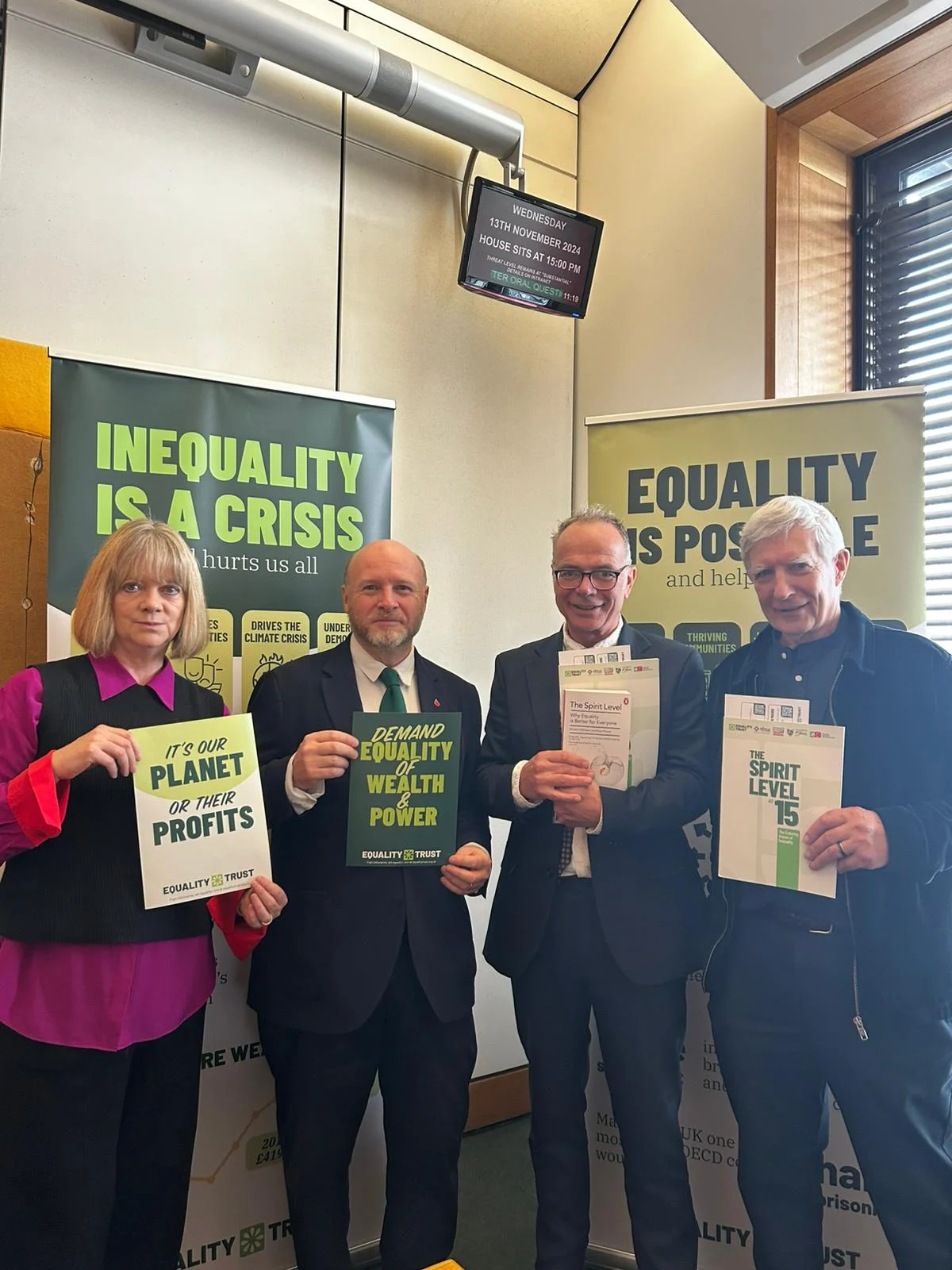
Data from the Equality Trust and other socio-economic monitors indicate that the UK’s levels of inequality remain among the highest in Europe. Research consistently suggests that extreme wealth concentration harms social cohesion, public health, and economic stability. According to recent metrics, the wealthiest 10% of households in the UK hold nearly 43% of all wealth, while the bottom 50% hold less than 5%. This disparity is not merely a national statistic; it manifests locally in life expectancy gaps, educational attainment variances, and housing insecurity.
Local authorities are uniquely positioned to intervene in these outcomes. However, the capacity to do so varies significantly between regions. In affluent areas, councils may benefit from higher business rate retention and council tax receipts, whereas authorities in deprived areas often face higher service demands with a lower tax base. This structural imbalance remains a central theme of the 2026 campaign trail.
Critical Issues: Housing and the Socio-Economic Duty
Housing remains perhaps the most visible indicator of local inequality. Councils possess the legal authority to drive the development of affordable housing and the power to bring thousands of long-term empty homes back into use through Compulsory Purchase Orders (CPOs) or Empty Dwelling Management Orders.
Analysts point to a growing crisis in the private rental sector and a stagnation in social housing stock as primary drivers of local poverty. Candidates are being pressed on whether they will resist the further sell-off of existing council stock and if they will commit to stringent requirements for "truly affordable" homes in new developments. The definition of "affordability" itself is a point of contention, with many advocates arguing that it should be pegged to local median incomes rather than 80% of market rates.
Furthermore, the "Socio-economic Duty," outlined in Section 1 of the Equality Act 2010, has become a litmus test for progressive local governance. Although the national government never formally commenced this duty in England, an increasing number of local authorities—including several in London and the North of England—have adopted it voluntarily. This duty requires public bodies to consider how their decisions can reduce the inequalities of outcome caused by socio-economic disadvantage. Adoption of this duty allows councils to audit their policies—from budget cuts to service redesigns—through the lens of class and income disparity.
Procurement and the "Preston Model" of Community Wealth Building
One of the most potent, yet often overlooked, levers available to local government is procurement. Collectively, UK councils spend billions of pounds annually on goods and services. Traditionally, this spending has favored large, national, or multinational contractors. However, the "Preston Model," pioneered by Preston City Council, has demonstrated the efficacy of "community wealth building."
By redirecting procurement spend toward local businesses, worker cooperatives, and social enterprises, councils can ensure that public money recirculates within the local economy rather than leaking out to distant shareholders. This strategy not only supports local employment but also allows councils to set high standards for the "Real Living Wage" and ethical labor practices.
In addition to procurement, the management of local government pension funds has come under scrutiny. Activists are increasingly calling for divestment from fossil fuels and the arms trade, urging councils to reinvest these billions into local infrastructure, green energy, and social housing. This shift represents a move toward "impact investing," where financial returns are balanced with social and environmental benefits for the local community.
The Crisis in Local Democracy and Resident Participation
Participation in local elections historically lags far behind national polls, with turnouts often dipping below 35%. This "participation gap" is frequently cited as a symptom of a broader crisis in local democracy. A poll by the Local Government Information Unit (LGIU) recently found that only 25% of voters trust the government to act in the best interests of local people.
Residents often report feeling excluded from the decision-making process, particularly regarding large-scale urban regeneration projects. There is a perception that powerful developers can override local concerns through "viability assessments" that reduce the amount of social housing provided in new builds. In response, some candidates are proposing "participatory budgeting" and "citizens’ assemblies" as methods to return agency to the electorate. These mechanisms allow residents to have a direct say in how a portion of the council budget is spent, fostering a sense of ownership and transparency.
Strategies for Public Engagement and Accountability
As the election nears, various advocacy groups are encouraging voters to engage directly with candidates through multiple channels. The objective is to move the conversation beyond partisan talking points and toward specific, localized commitments.
Public Hustings and Debates
Hustings remain a cornerstone of the democratic process, providing a forum for face-to-face questioning. Political analysts suggest that effective questioning at these events focuses on "the how" rather than "the what." For instance, while all candidates may claim to support social care, specific questions regarding the reversal of cuts to youth services or the protection of library budgets force candidates to reveal their fiscal priorities.
Media and Broadcast Engagement
Radio call-in shows have emerged as a significant platform for political discourse. In the UK, stations like LBC and various BBC local outlets provide a direct line to candidates and sitting council leaders. These interactions are often unscripted, allowing voters to share personal testimonies—such as the struggle to find medicine or the impact of rising rents—to highlight structural failures. Media experts note that these personal stories, when backed by data, are highly effective in shifting the narrative of a campaign.
Direct Correspondence and Doorstep Canvassing
The traditional "knock on the door" remains a primary tool for candidates. This interaction offers a unique opportunity for voters to demand clarity on local issues. Furthermore, digital tools now allow constituents to easily find and email all candidates in their ward. Advocacy groups recommend asking for written commitments on issues like the Socio-economic Duty or planning permission refusals for developers who fail to meet affordable housing targets.
Chronology of the 2026 Election Cycle
- March 2026: Notice of Election issued by local authorities; nominations for candidates open.
- Early April 2026: Close of nominations and publication of the "Statement of Persons Nominated."
- Mid-April 2026: Launch of party manifestos, focusing on local issues such as council tax rates and bin collections.
- April 21, 2026: Deadline for voter registration.
- May 1, 2026: Final week of campaigning begins; surge in local media coverage and final hustings.
- May 7, 2026: Polling stations open from 7:00 AM to 10:00 PM.
- May 8, 2026: Counting of votes and declaration of results across 136 authorities.
Implications of the Results
The outcome of the 2026 local elections will serve as a significant barometer of the national political mood. For the governing party, it will be a test of their "levelling up" agenda and whether voters feel any tangible improvement in their standard of living. For the opposition, it is an opportunity to demonstrate that they can manage local services efficiently and equitably.
Beyond the partisan split, the results will determine the trajectory of local inequality for the next four years. If a significant number of councils move toward adopting the Socio-economic Duty and community wealth-building models, it could signal a systemic shift in how local government operates in England. Conversely, if the status quo of "managed decline" continues, the gap between the nation’s wealthiest and poorest regions is likely to widen.
As May 7 approaches, the emphasis remains on the power of the local vote. While national policies set the framework, it is the local council that determines the quality of the immediate environment, the availability of support for the vulnerable, and the fairness of the local economy. In the 2026 elections, the stakes for regional equality have rarely been higher.