In a landmark move for the Southeast Asian nation’s educational landscape, the Cambodian Ministry of Education, Youth, and Sport (MoEYS), in close coordination with UNICEF and World Education, officially inaugurated the Capacity Development Platform (CDP) in November 2025. This digital initiative represents a comprehensive effort to centralize and modernize professional development for the nation’s teaching workforce. Co-designed by World Education—an initiative of JSI—and supported by a consortium of international donors, the CDP is engineered to provide equitable access to high-quality training, accreditation, and career advancement opportunities for educators across all 25 provinces of the Kingdom.
The project’s financial foundation is built upon a multi-lateral partnership involving the Global Partnership for Education (GPE), the European Union (EU), and the Australian Department of Foreign Affairs and Trade (DFAT). By integrating digital learning into the national curriculum framework, the CDP serves as a cornerstone of Cambodia’s broader digital transformation strategy, aiming to bridge the gap between urban and rural educational standards through technology.
Strategic Framework and Human-Centered Design
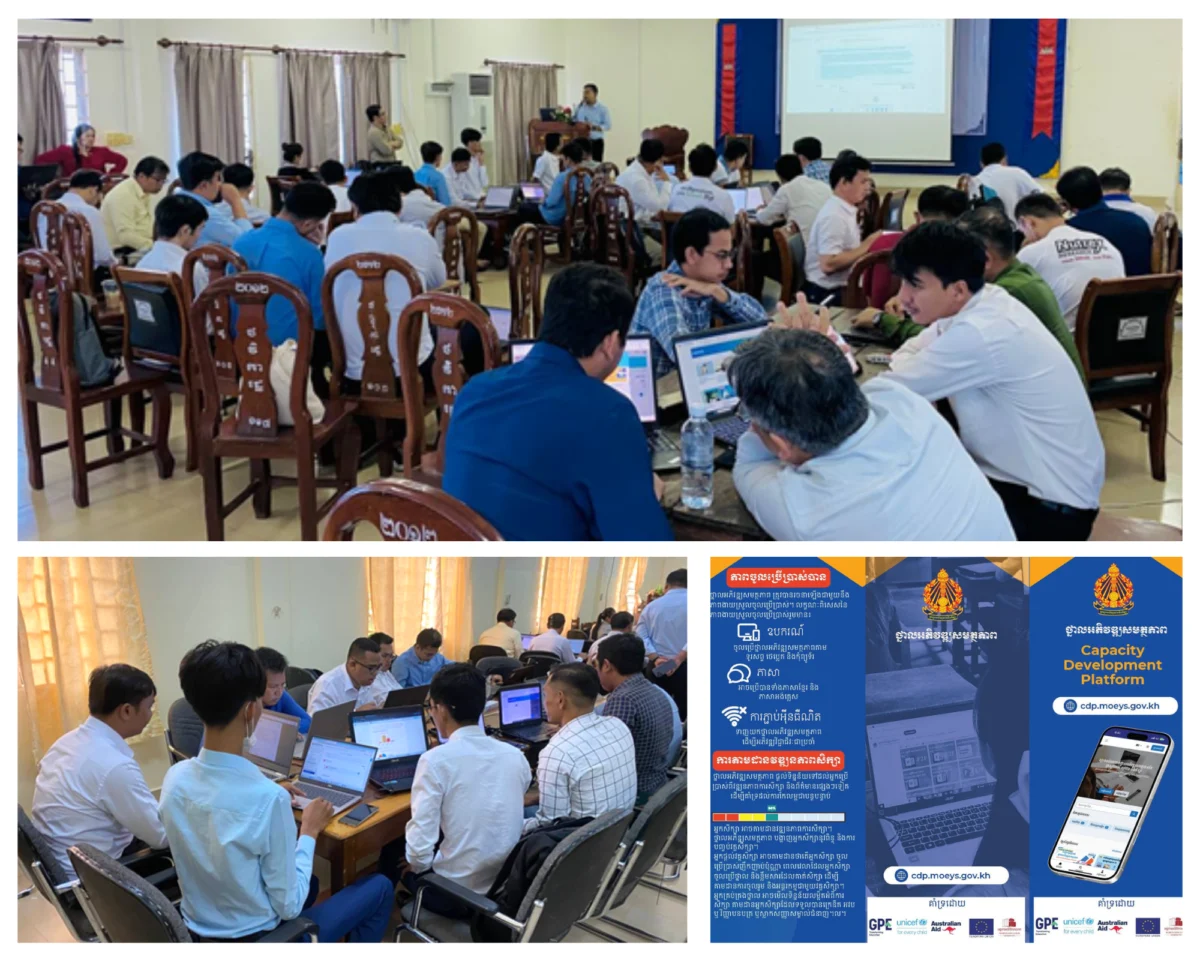
The development of the CDP was predicated on a human-centered design philosophy, acknowledging that the mere introduction of technology is insufficient for systemic change. World Education and MoEYS prioritized the lived realities of Cambodian educators during the co-design phase. Recognizing the digital divide, the platform was specifically optimized for low-bandwidth environments to ensure functionality in remote districts where internet stability remains a challenge.
Furthermore, the "smartphone-first" architecture of the CDP addresses the high rate of mobile penetration in Cambodia compared to desktop computer access. This design choice ensures that teachers can engage with professional development modules during their commutes or in locations without traditional IT infrastructure. The user interface was developed to be intuitive, catering to a wide spectrum of digital literacy levels among the existing workforce.
This localized approach moved away from "off-the-shelf" software solutions, opting instead for a bespoke system that reflects the specific pedagogical needs and administrative structures of the Cambodian education sector. By focusing on adoption and usability, the partners sought to ensure that the platform would be a tool for empowerment rather than a source of technical frustration.
Chronology of Development and Implementation
The rollout of the CDP followed a multi-year timeline of consultation, technical development, and capacity building.
- Conceptualization and Co-Design (2023–2024): Following the disruptions of the COVID-19 pandemic, MoEYS identified the need for a resilient, digital-first approach to teacher training. World Education began intensive consultations with stakeholders, including school directors, provincial education officers, and classroom teachers, to map out the functional requirements of the platform.
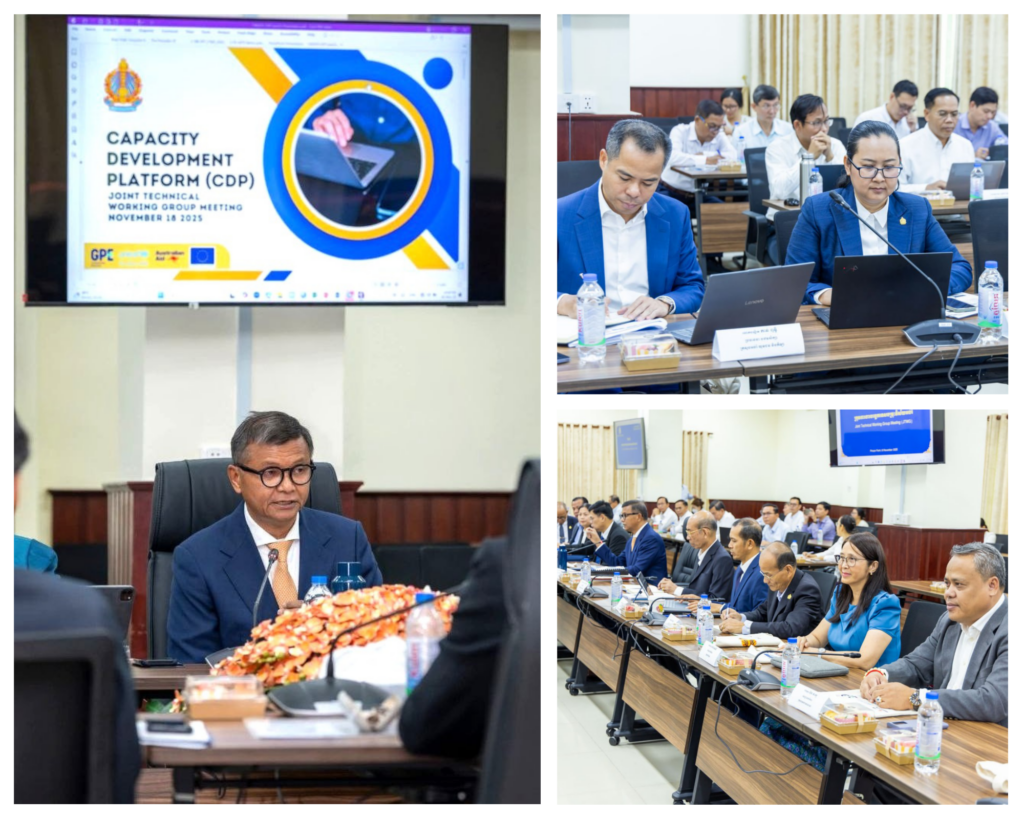
- Technical Integration and Governance (Early 2025): Throughout the first half of 2025, technical teams worked to integrate the CDP into existing national systems. A dedicated government governance group was established to oversee the platform’s operations, ensuring that the digital credits earned by teachers would be legally recognized by the national civil service and career progression frameworks.
- Capacity Building Workshops (May 2025): In May 2025, a series of intensive workshops were held on May 5–6 and 19–20. These sessions focused on training MoEYS staff and lead educators on platform management, content creation, and technical troubleshooting. These workshops were critical in transitioning the platform from a developmental project to a government-led utility.
- National Launch (November 2025): The formal launch in November marked the transition to full-scale national implementation, with the platform becoming the primary vehicle for the Ministry’s in-service training programs.
- Ownership Transition (Post-Launch): Following the operational success of the platform, World Education transitioned full ownership to the MoEYS Department of Digital Transformation. This included specialized training in cybersecurity and server maintenance to ensure the platform’s long-term sustainability and independence from external technical support.
Data-Driven Impact and Early Adoption
Since its inception, the CDP has demonstrated rapid scalability. Internal data from MoEYS indicates that the platform has already reached over 44,000 registered users. This figure represents a significant portion of the national teaching workforce, highlighting a strong demand for accessible professional development.
Key performance indicators (KPIs) for the platform include:
- Enrollment Statistics: More than 23,000 educators have successfully enrolled in accredited courses through the platform.
- Course Diversity: The CDP currently hosts a variety of specialized modules, including Early Grade Reading (EGR) and Information and Communication Technology (ICT) for teaching and learning.
- Accreditation: The system allows for the tracking of professional development credits, which are directly linked to the MoEYS teacher career pathway, incentivizing continuous improvement.
The impact is particularly visible in the ICT sector. A course focused on digital tools and Artificial Intelligence (AI) for lesson planning has seen high engagement. Educators are learning to use digital resources to create more interactive classroom environments, moving away from traditional rote learning toward more participatory methodologies.
Official Responses and Stakeholder Perspectives
The launch has been met with high-level government endorsement and positive feedback from the field. H.E. Dr. Hang Chuon Naron, Deputy Prime Minister and Minister of MoEYS, emphasized the transformative nature of the platform. "The CDP marks a transformative step in Cambodia’s journey toward quality teacher education," the Minister stated. "By digitizing teacher training and professional development, we are empowering our educators with the tools, knowledge, and support they need to inspire learning and improve outcomes."
The sentiment is echoed by frontline educators. Mrs. Proeut Sanh, a primary school teacher from the Kralanh District in Siem Reap Province, noted that the ICT modules have fundamentally changed her approach to instruction. "The course strengthened my knowledge and practical skills in using digital tools and AI for lesson planning, making my students more active and participatory in the classroom," she remarked.
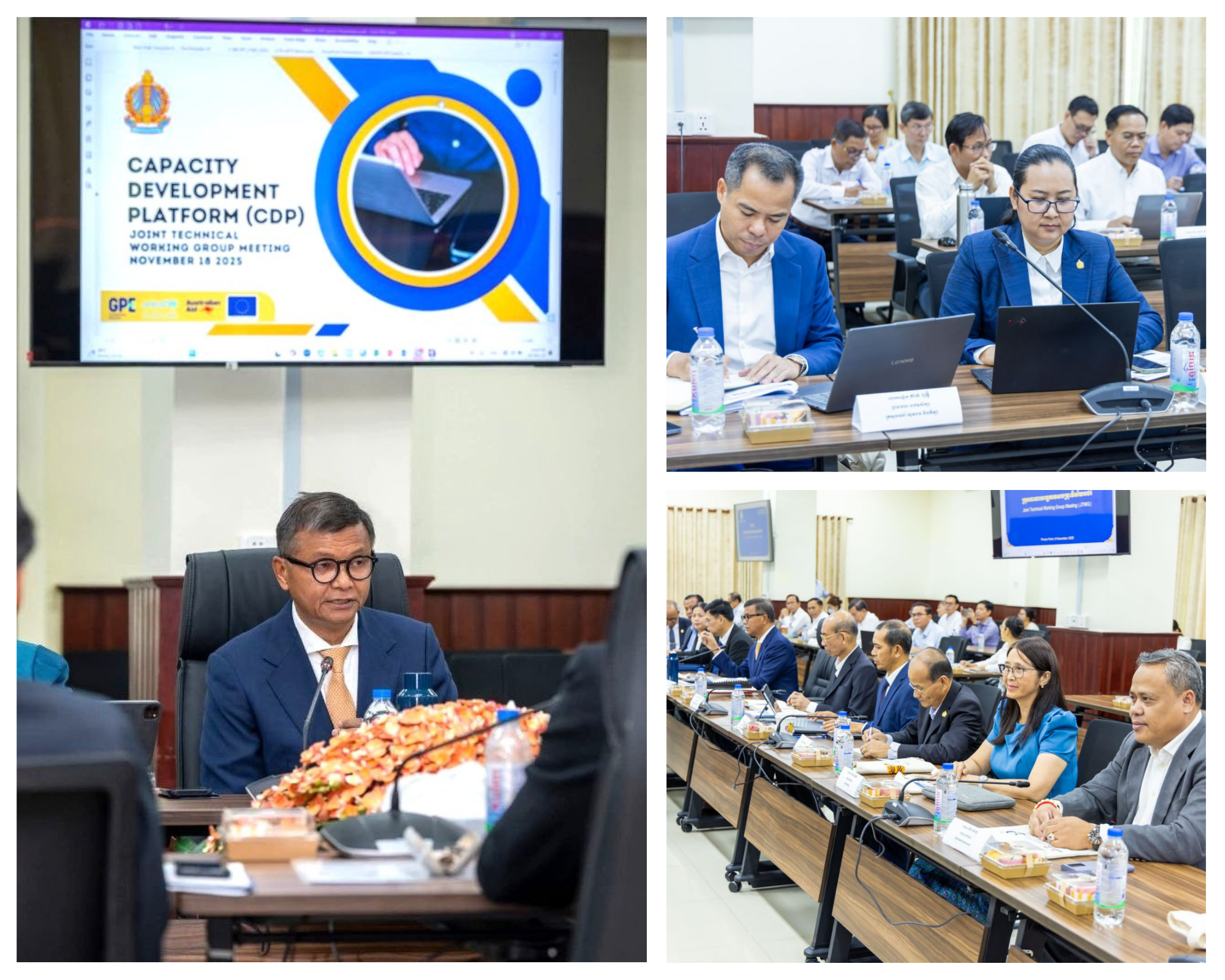
International partners have highlighted the CDP as a model for sustainable digital development. UNICEF and World Education representatives have pointed to the integration of the platform into national policy as a key differentiator from previous pilot projects. By ensuring that the Ministry owns the infrastructure and the data, the project avoids the common pitfall of "pilotitis"—where digital tools disappear once donor funding concludes.
Broader Implications for Cambodia’s Digital Transformation
The implementation of the CDP aligns with the Royal Government of Cambodia’s "Pentagonal Strategy Phase I," which identifies human capital development and digital economy/society as two of its five core pillars. The platform serves as a practical application of these high-level policy goals, providing a scalable model for other government sectors to follow.
The implications for the education sector are severalfold:
1. Decentralization of Knowledge: Traditionally, high-quality teacher training was concentrated in urban centers like Phnom Penh. The CDP democratizes access, allowing a teacher in a remote mountainous region of Ratanakiri to receive the same level of instruction and certification as a teacher in the capital.
2. Cost Efficiency: Digital and blended learning models significantly reduce the logistical costs associated with traditional face-to-face training, such as travel, lodging, and venue hire. These savings can be reinvested into content creation and teacher incentives.
3. Data-Informed Policy: The CDP provides MoEYS with real-time data on teacher competencies and training gaps. This allows for more targeted interventions and a better understanding of where the national education system needs the most support.
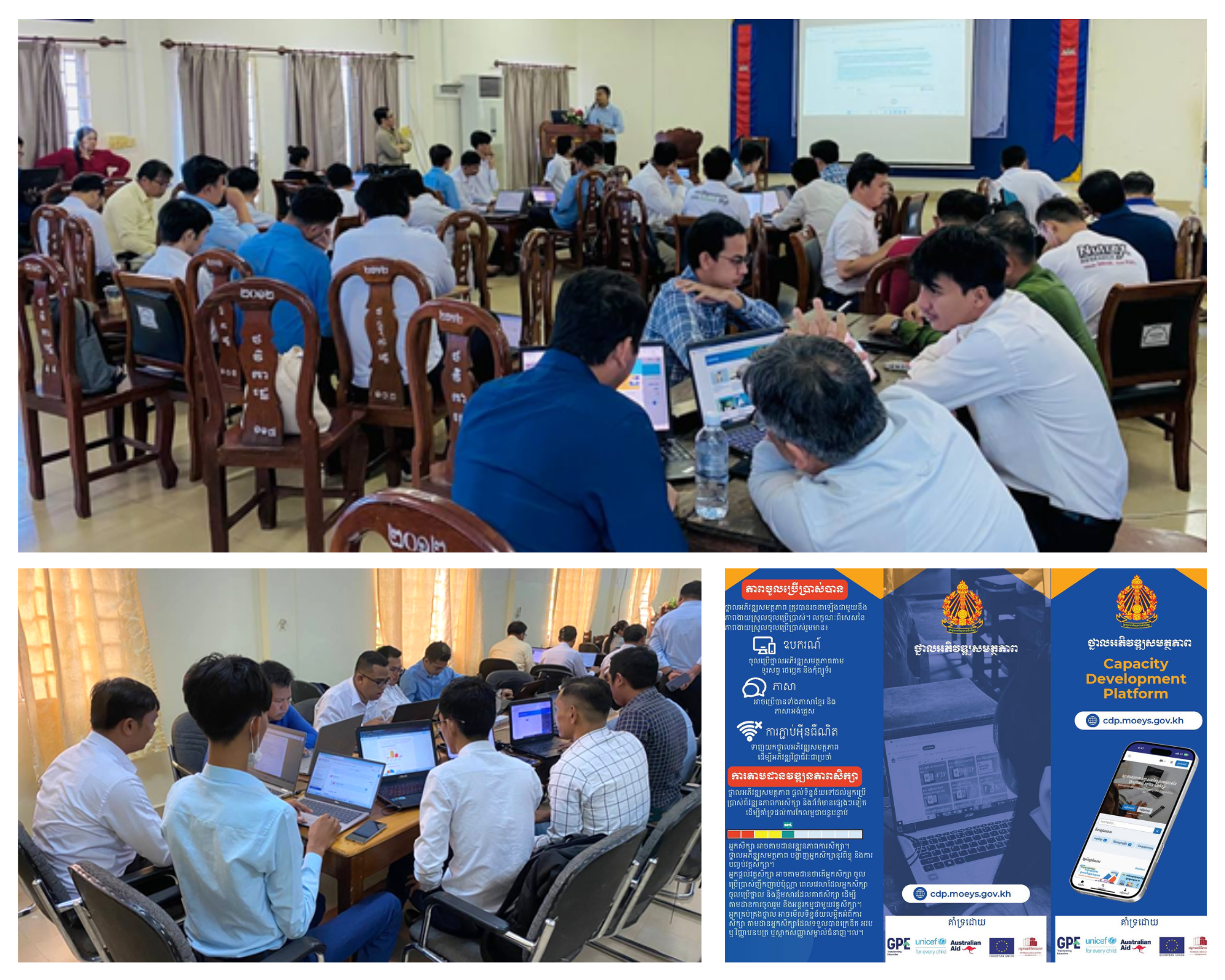
4. Quality Standardization: By centralizing training materials, the Ministry can ensure that pedagogical standards are applied consistently across the country. This is particularly vital for foundational skills like literacy and numeracy, where uniform teaching methods are essential for student success.
Future Outlook and Continued Expansion
While the launch and initial adoption of the CDP mark a major success, the roadmap for the platform includes further expansion. World Education continues to support MoEYS in the development of new content, specifically focusing on modules that help teachers meet the new mandatory standards for national in-service teacher qualification upgrading.
These upcoming modules will utilize a "blended learning" approach. This model combines the flexibility of digital learning on the CDP with the depth of in-person mentorship and peer-to-peer instruction. This hybrid strategy is designed to reinforce digital concepts through practical application in the classroom.
As Cambodia moves toward its goal of becoming an upper-middle-income country by 2030 and a high-income country by 2050, the CDP represents a vital investment in the people who will train the next generation of the Cambodian workforce. By placing technology in the hands of teachers and integrating it into the heart of the national education system, Cambodia is setting a regional precedent for how digital transformation can be achieved through partnership, local ownership, and human-centered design.