Montgomery, AL – The Equal Justice Initiative (EJI) officially dedicated its newest site, Montgomery Square, in a poignant ceremony attended by more than 300 individuals today. Located in downtown Montgomery, adjacent to the Elevation Convening Center and Hotel, the site opened earlier this month and is specifically dedicated to the transformative period known as the "Montgomery Decade That Changed the World," spanning from 1955 to 1965. This decade saw Black residents of Montgomery, Alabama, demonstrate extraordinary courage and determination in their stand against entrenched racial injustice, igniting a movement that would fundamentally reshape not only the United States but also inspire freedom struggles globally.
EJI’s Expanding Commitment to Historical Reckoning
Montgomery Square marks a significant expansion of EJI’s existing Legacy Sites, which include the renowned National Memorial for Peace and Justice and The Legacy Museum: From Enslavement to Mass Incarceration. These institutions collectively strive to confront America’s history of racial injustice, from slavery and racial terror lynching to segregation and mass incarceration, offering a crucial space for truth-telling and reconciliation. The new site deepens EJI’s commitment to chronicling specific, pivotal moments in this history, positioning Montgomery Square as an essential educational complement to its broader narrative. By focusing on the concentrated period of activism from 1955 to 1965, EJI aims to provide visitors with an immersive understanding of the strategies, sacrifices, and ultimate triumphs that defined the early Civil Rights Movement.
The Montgomery Decade: A Crucible of Change (1955-1965)
The decade honored by Montgomery Square was a period of intense struggle and profound transformation, with Montgomery at its epicentre. The city, steeped in the legacy of the Confederacy and Jim Crow segregation, became a battleground for human dignity. Prior to 1955, Black residents endured daily humiliations and violence, particularly on public transportation. EJI Director Bryan Stevenson recounted the grim realities of this era during the dedication, citing instances of police brutality against Black women in the 1940s and the unpunished killings of Hilliard Brooks and two other Black men on city buses in the 1950s. These acts of violence and degradation made the buses unavoidable symbols of racial oppression, breeding a simmering resentment that would soon boil over.
- March 2, 1955: Claudette Colvin’s Stand: Nine months before Rosa Parks’ historic arrest, 15-year-old Claudette Colvin refused to give up her seat to a white passenger on a Montgomery bus. Her arrest, though less publicized at the time, was an early precursor to the widespread resistance that would follow. Several other Black women also faced arrest for similar acts of defiance in the months leading up to December.
- December 1, 1955: Rosa Parks and the Spark: The pivotal moment arrived with Rosa Parks. Exhausted from work, and deeply affected by the brutal murder of 14-year-old Emmett Till earlier that year, Parks, a seasoned activist and NAACP secretary, refused to surrender her seat. Her arrest galvanized the Black community.
- December 5, 1955 – December 20, 1956: The Montgomery Bus Boycott: What followed was unprecedented. Under the leadership of the Montgomery Improvement Association (MIA), headed by the then-unknown Reverend Dr. Martin Luther King Jr., and with critical organizational support from figures like Jo Ann Robinson of the Women’s Political Council and E.D. Nixon, the community initiated a full-scale boycott of the city’s buses. For 382 days, approximately 40,000 Black residents, representing over 75% of the bus system’s ridership, walked, carpooled, and organized alternative transportation, enduring economic hardship, threats, and violence. This sustained act of nonviolent protest ultimately led to the Supreme Court’s ruling in Browder v. Gayle on November 13, 1956, declaring bus segregation unconstitutional. The boycott’s success served as a blueprint for future civil rights campaigns and launched Dr. King onto the national stage.
The momentum generated by the bus boycott propelled the broader Civil Rights Movement into a decade of escalating activism. From the sit-ins initiated by students in Greensboro, North Carolina, in 1960, challenging segregation at lunch counters, to the Freedom Rides of 1961, which tested compliance with desegregation orders on interstate transportation and faced brutal violence, the movement gained national prominence. Key campaigns in Birmingham, Alabama, in 1963, including the Children’s Crusade, exposed the violent repression faced by peaceful protestors to a global audience, contributing to the passage of the Civil Rights Act of 1964.
By 1965, the focus intensified on voting rights, a fundamental pillar of democracy systematically denied to Black Americans in the South. Stevenson highlighted the stark reality: in counties like Lowndes and Wilcox, virtually no Black people were registered to vote. Even in Dallas County, home to Selma, only a mere 2% of eligible Black voters were registered, while in Montgomery itself, despite years of activism, only 17% could vote. This widespread disenfranchisement necessitated a focused campaign.
- March 7, 1965: Bloody Sunday: In Selma, voting rights activists organized a march to the state capital in Montgomery. On March 7, 1965, as approximately 600 marchers crossed the Edmund Pettus Bridge, they were brutally attacked by state troopers and local law enforcement. Images of "Bloody Sunday" shocked the nation and galvanized public support for federal intervention.
- March 21-25, 1965: Selma to Montgomery March: Following President Lyndon B. Johnson’s call for voting rights legislation, thousands, protected by federal troops, embarked on a triumphant 54-mile march from Selma to Montgomery, culminating at the Alabama State Capitol. This historic march, which passed directly by the future site of Montgomery Square, provided the final impetus for Congress to act.
- August 6, 1965: Voting Rights Act: Just months after Dr. King famously declared at the Capitol that it "would not be long" before voting rights were secured, President Johnson signed the Voting Rights Act into law. This landmark legislation outlawed discriminatory voting practices, fundamentally transforming American democracy and affirming, as Bryan Stevenson articulated, that "America became more just, a nation more committed to equality, to liberty, and to justice."
Montgomery Square: A New Educational Hub
Montgomery Square is designed to be an immersive educational experience, guiding visitors through the critical events and narratives of this ten-year period. Through a combination of historical documents, photographs, multimedia presentations, and personal testimonies, the site aims to recreate the atmosphere of struggle and resilience. Exhibits will likely delve into the intricacies of Jim Crow laws, the economic and social pressures faced by Black communities, the meticulous planning behind the bus boycott, and the strategic brilliance of civil rights leaders and grassroots organizers. Its placement next to the Elevation Convening Center and Hotel underscores Montgomery’s evolving identity as a destination for reflection and learning, inviting both local residents and national visitors to engage deeply with this essential chapter of American history.
The Montgomery Memory Project: Preserving Living History
A cornerstone of Montgomery Square’s mission is the newly announced Montgomery Memory Project (MMP). EJI Director Bryan Stevenson revealed the initiative, which seeks to record video interviews with community members who lived in the Montgomery area between 1955 and 1965 and possess personal memories of the time. The MMP recognizes the irreplaceable value of oral histories in capturing the nuanced, often untold stories of everyday people who experienced and shaped these monumental events.
Already, a number of esteemed Montgomery residents have shared their powerful narratives with the MMP team, with excerpts showcased on the Montgomery Square website. Their contributions offer firsthand accounts of the challenges, fears, hopes, and triumphs of the era, providing a vital counter-narrative to traditional historical accounts that often overlook the experiences of ordinary citizens. Stevenson acknowledged and thanked these early contributors during the dedication, underscoring the project’s profound importance. EJI has extended an open invitation to anyone who lived through the "Montgomery Decade That Changed the World" to participate, urging them to contact the MMP team at 334-269-1803 or via email at [email protected]. This initiative is critical not only for historical preservation but also for ensuring that the voices of those who directly experienced racial injustice and fought for change are heard by future generations.
Voices of Dedication: Leadership, Community, and Song
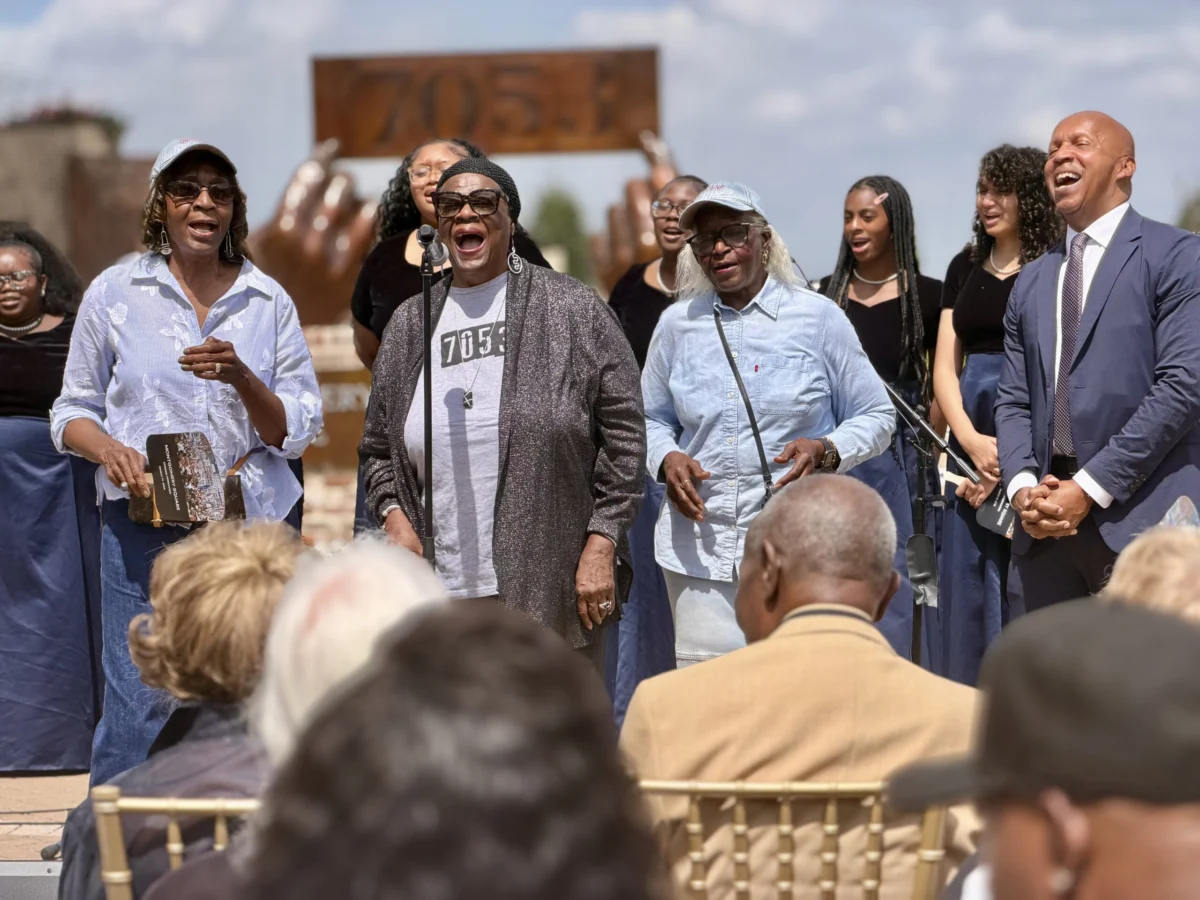
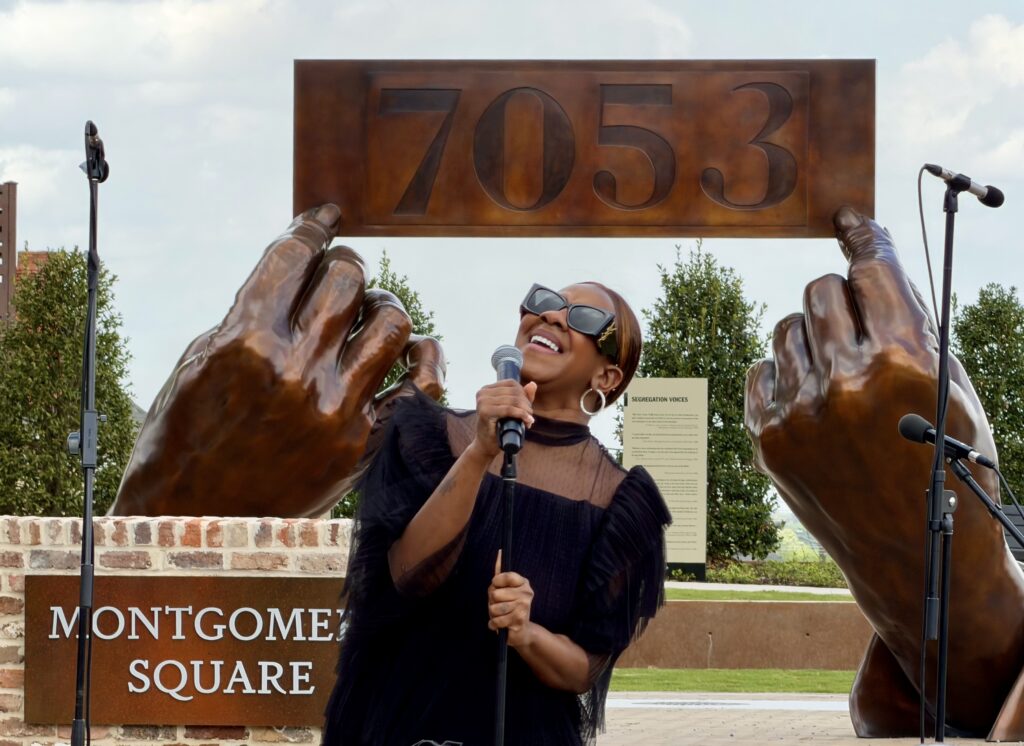
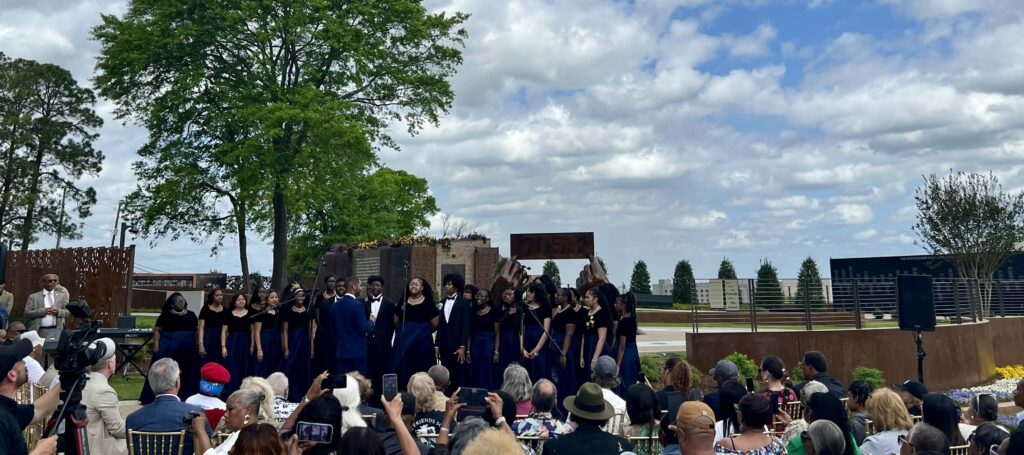
The dedication ceremony itself was a powerful affirmation of Montgomery’s transformed identity and its ongoing commitment to racial justice. Performances served as a poignant link to the past and a hopeful vision for the future. The Booker T. Washington Magnet High School’s choir, under the direction of award-winning Choir Director Milton Williams, delivered a moving performance, symbolizing the passing of the torch to the next generation of activists and leaders. Grammy and Stellar Award-winning gospel artist Le’Andria Johnson brought the crowd to its feet, leading a rousing rendition of the iconic freedom anthem "We Shall Overcome," a testament to the enduring spirit of resilience.
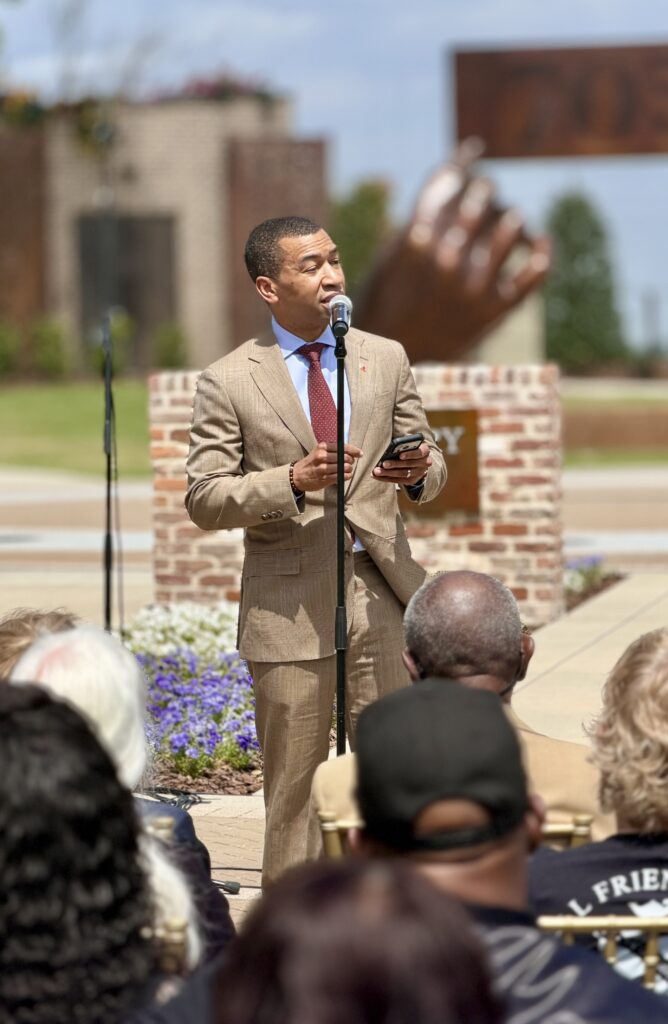
Montgomery Mayor Steven Reed, the city’s first Black mayor, delivered a heartfelt address, acknowledging the profound debt owed to those who fought for change. "I wouldn’t be here without all of the people who helped change this city," Mr. Reed stated, emphasizing the direct impact of the civil rights struggle on his own historic election. He thanked EJI for its transformative work, which has positioned Montgomery as a "foremost destination for learning about America’s history of racial injustice and its legacy." His presence and words underscored the progress made, while also serving as a reminder of the historical significance of his office in a city once synonymous with segregation.
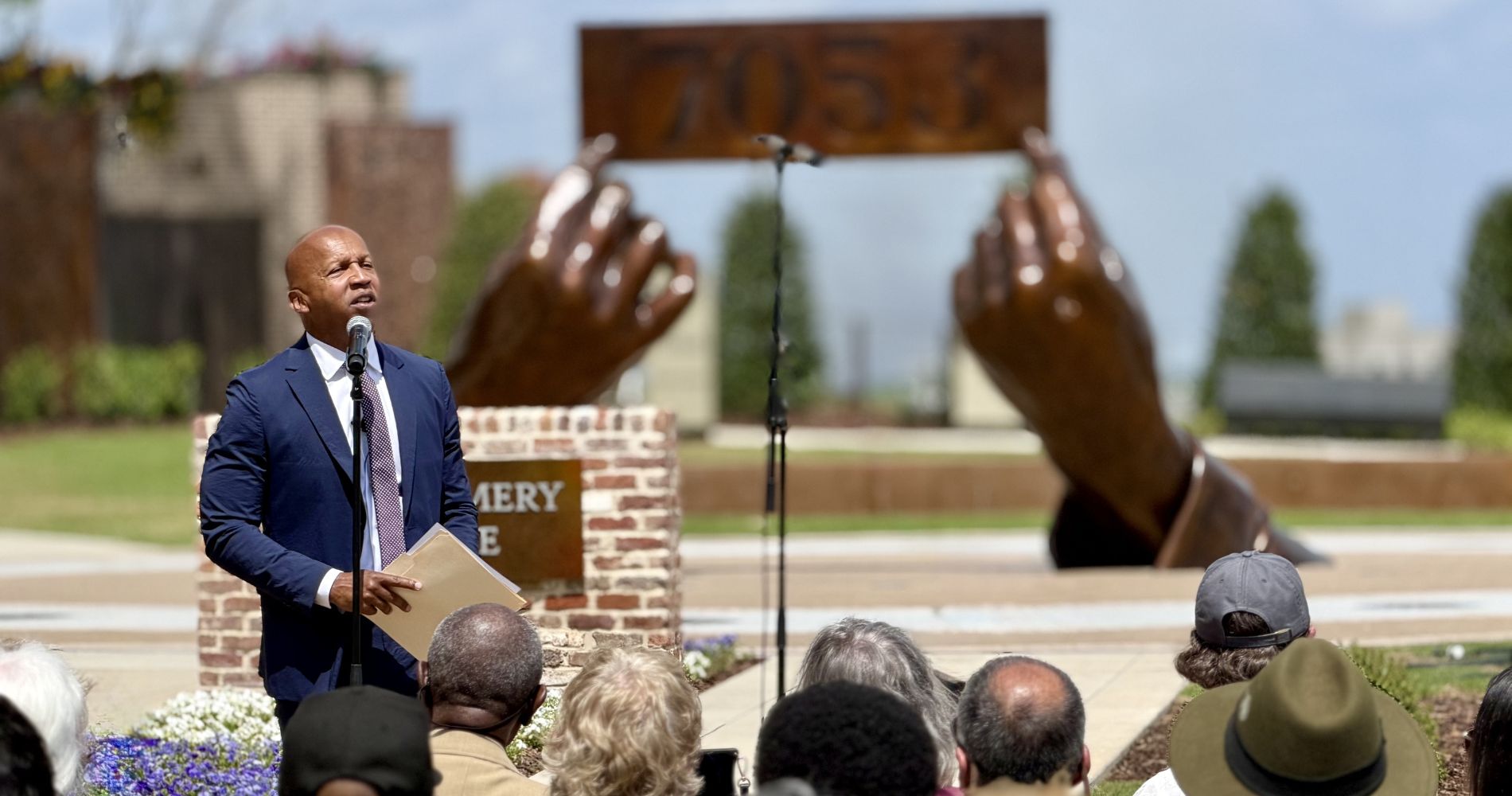
Bryan Stevenson, in his address, not only detailed the history but also issued a powerful call to action for the present. He stressed that Montgomery Square honors the "spirit, the lives, the courage, and the tenacity of all the Black people in this community who, together, changed our nation." He then declared, "We’ve also come here today to say to America that we’ve come too far to turn around now." This statement served as a direct rebuke to contemporary efforts to suppress historical education and restrict discussions about racial injustice, such as book banning and the erasure of American history from curricula. Stevenson positioned Montgomery as a leader in confronting this challenging history, asserting, "Montgomery has become the city in this country that is doing the most to educate people about the legacy of slavery. We’ve got to lift our nation up."
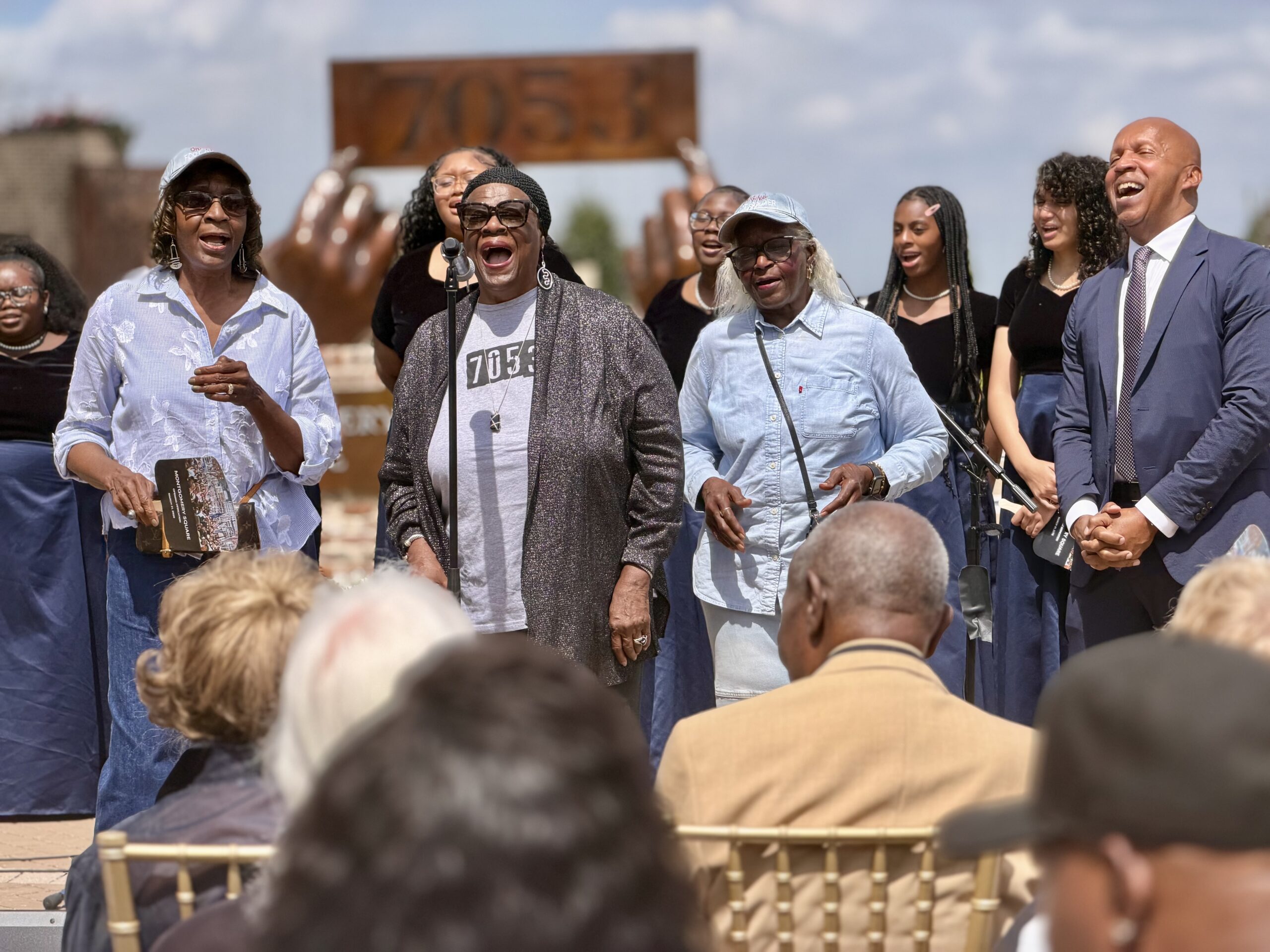
The program concluded with a deeply moving moment, as Stevenson invited the BTW choir to join him, alongside Dr. Jeanette Howard-Moore and Ms. Margaret Howard, courageous "foot soldiers" from the Selma marches, and Dr. Viola Bradford. Together, they led the audience in a powerful freedom song, "Ain’t Gonna Let Nobody Turn Me ‘Round," linking arms in a symbolic act of unity and continued resolve, mirroring the solidarity that defined the original movement.
Montgomery’s Enduring Legacy and Future Implications
The dedication of Montgomery Square solidifies Montgomery’s status as a critical site for civil rights education and historical tourism. The city, once a symbol of racial oppression, is now intentionally transforming itself into a beacon for understanding and reconciliation. EJI’s multifaceted approach, combining memorials, museums, and now a dedicated site for a specific historical period, offers an unparalleled opportunity for visitors to engage with the complexities of America’s racial past. This commitment has not only enhanced the city’s cultural landscape but also contributed significantly to its economic revitalization through educational tourism.
The broader implications of Montgomery Square extend beyond local impact. In an era marked by renewed debates over racial justice, voting rights, and the teaching of American history, EJI’s work and Stevenson’s impassioned pleas resonate deeply. The "Montgomery Decade" serves as a powerful reminder of the fragility of democratic rights and the constant vigilance required to uphold them. By meticulously documenting and presenting this history, Montgomery Square provides a vital resource for fostering informed dialogue, encouraging critical thinking, and inspiring continued advocacy for equality and justice in the United States and beyond. It stands as a testament to the power of collective action and the enduring legacy of those who dared to dream of a more just world.