The 25th session of the United Nations Permanent Forum on Indigenous Issues (UNPFII) convened from April 20 to May 1, 2026, with a critical focus on "Ensuring Indigenous Peoples’ health, including in the context of conflict." This pivotal gathering, despite significant logistical hurdles including funding cuts and complex visa and travel challenges exacerbated by the prevailing political climate, saw the participation of over 1,000 delegates. The robust attendance underscored a collective concern regarding the persistent lack of implementation of the UN Declaration on the Rights of Indigenous Peoples (UNDRIP).
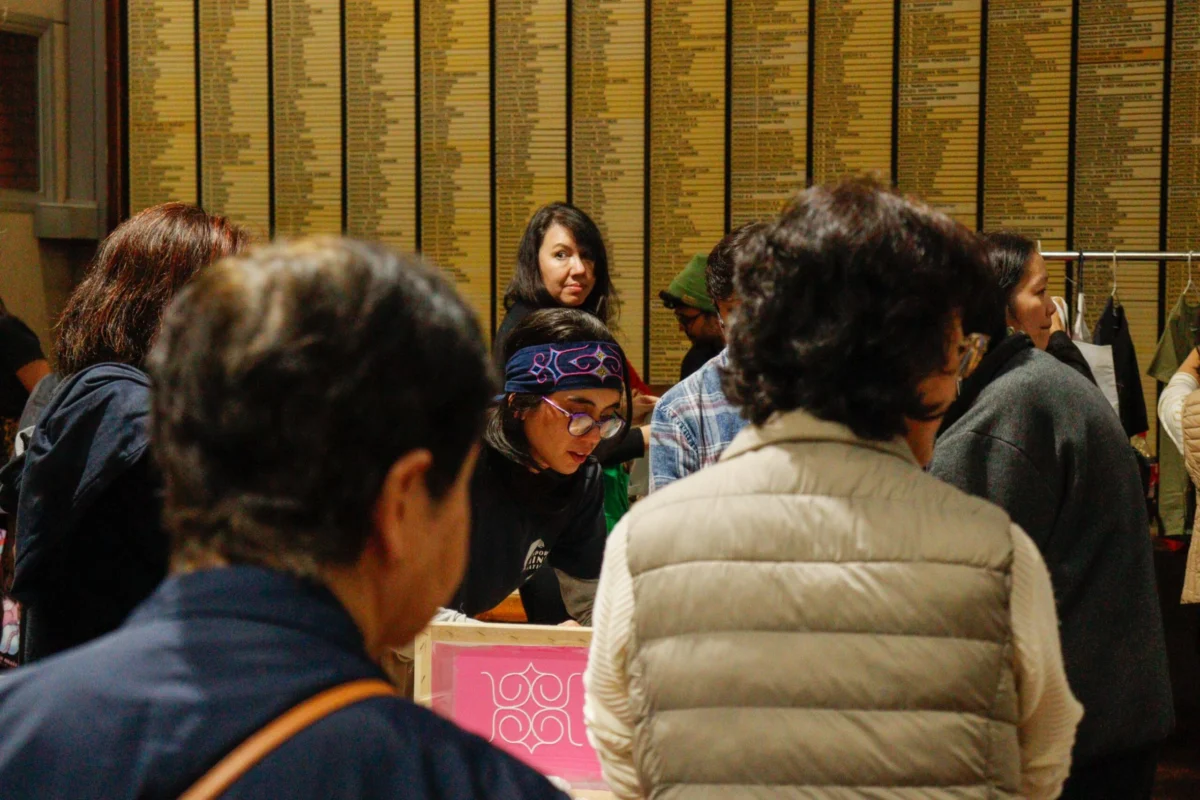
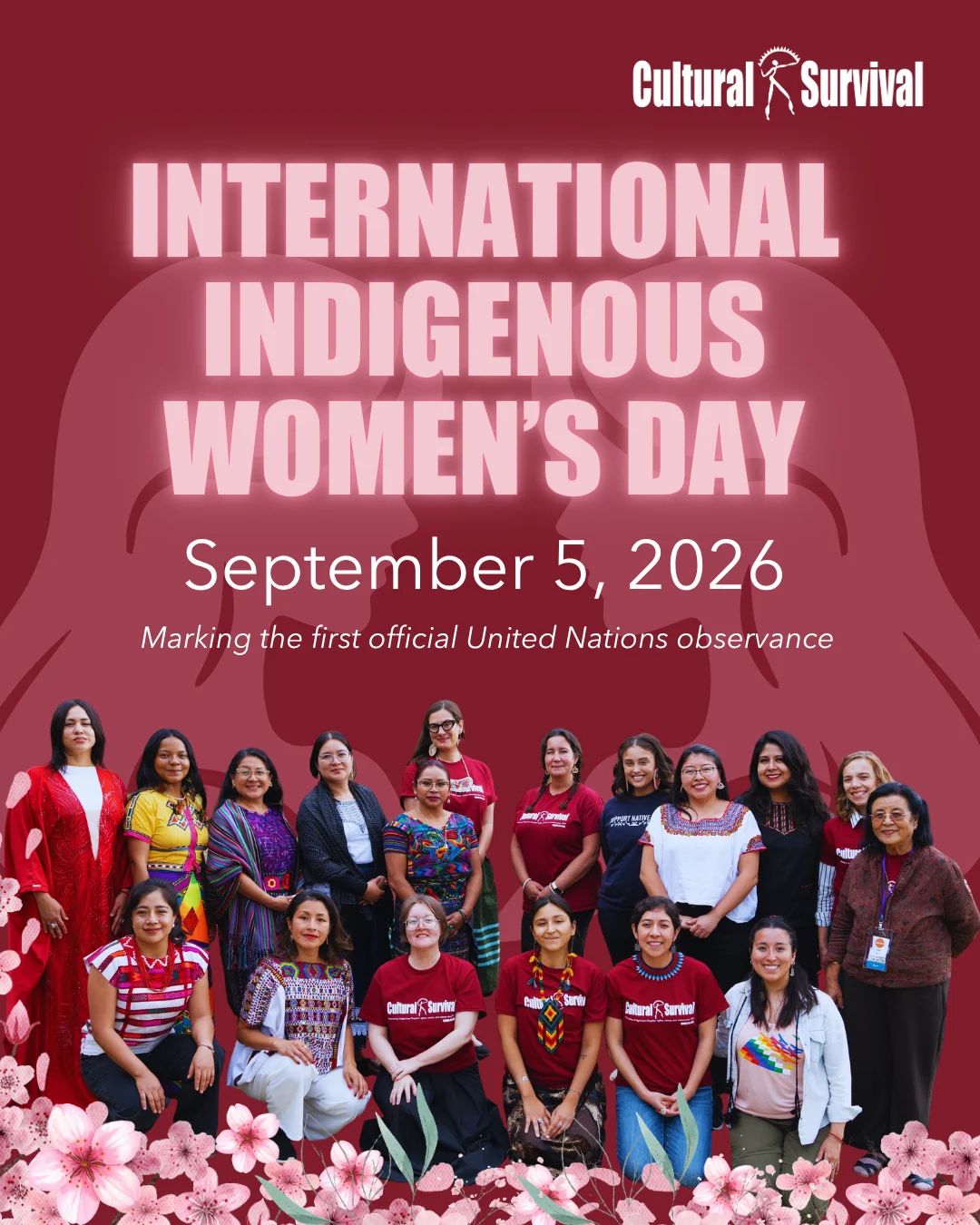
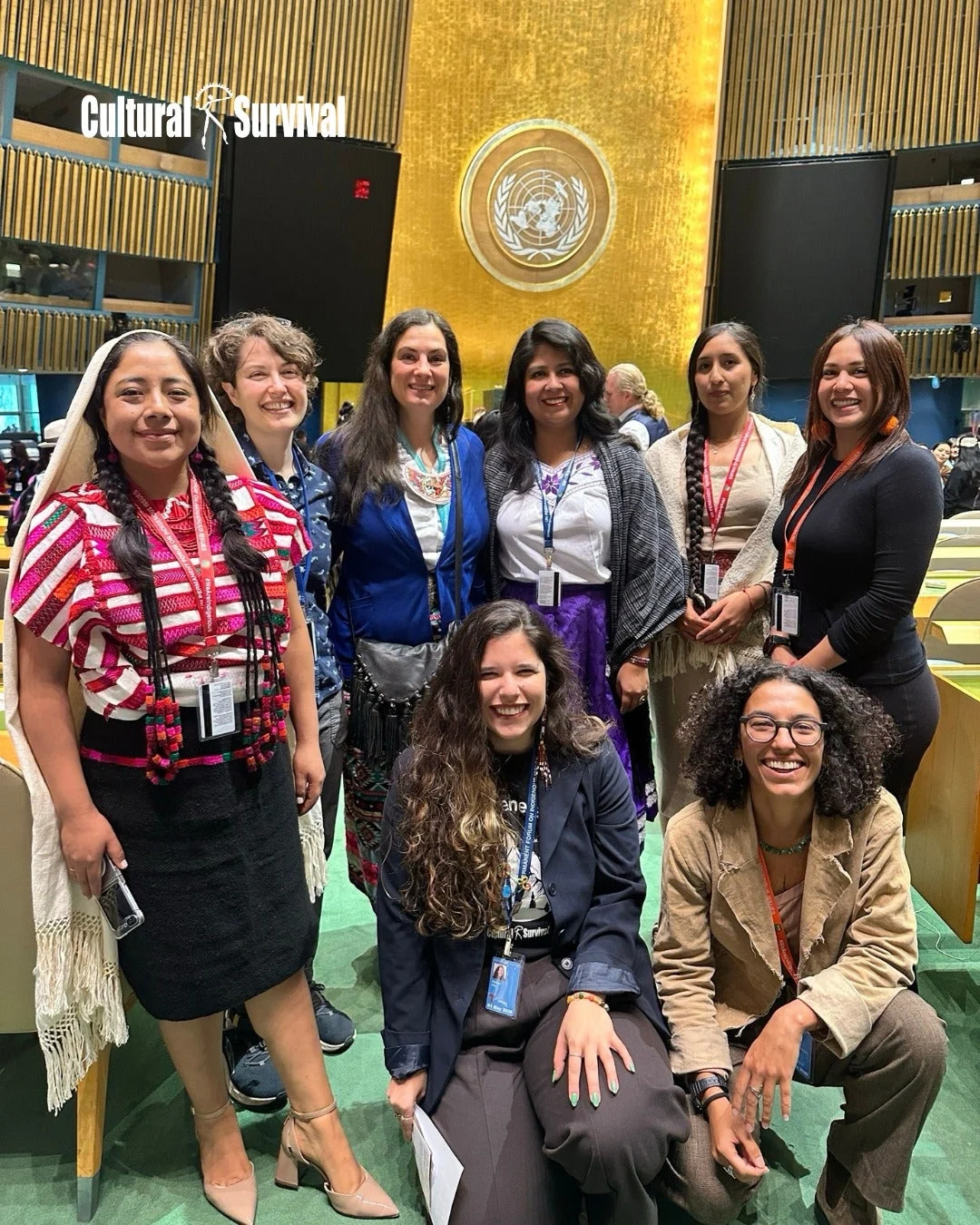
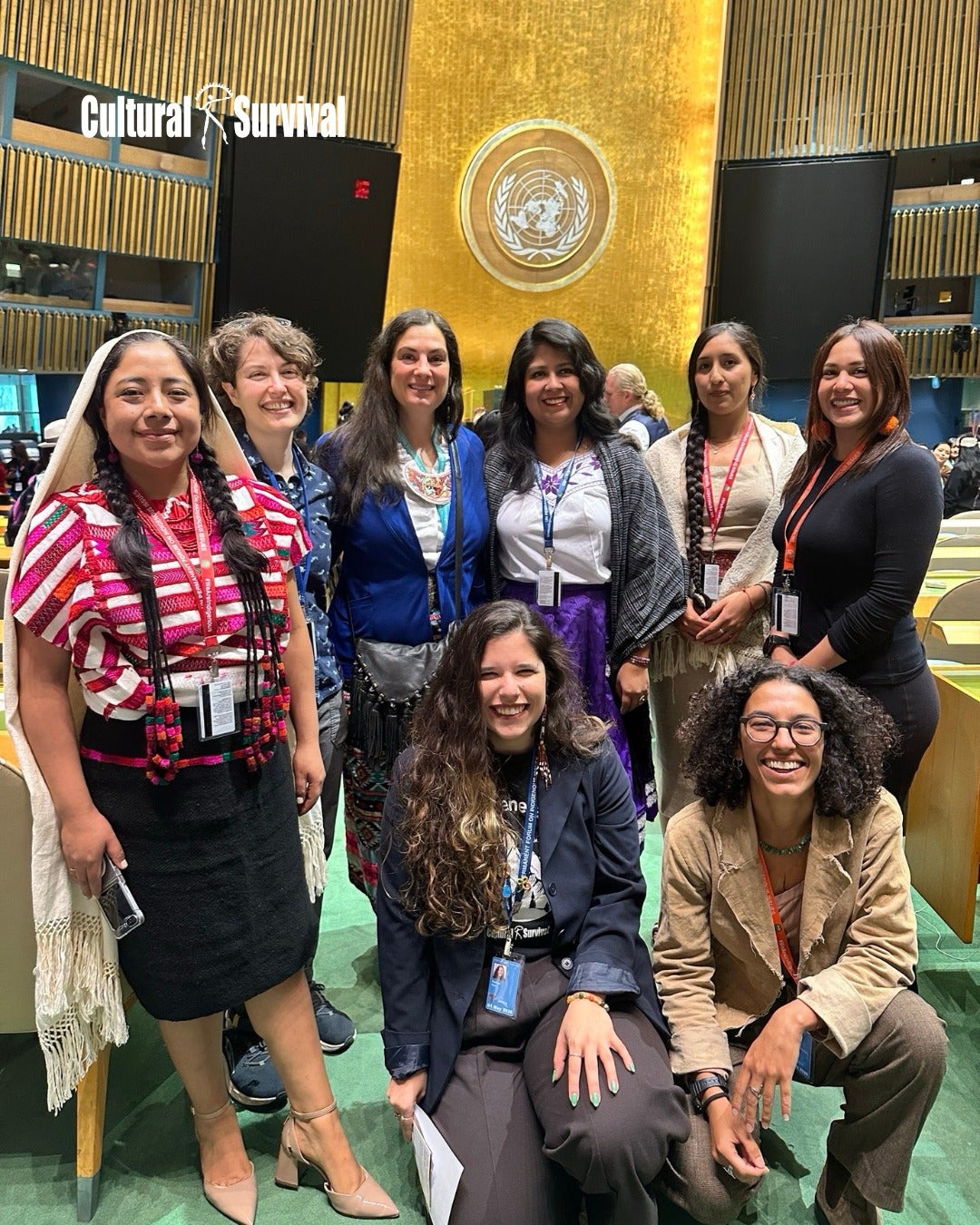
Cultural Survival, a long-standing advocate for Indigenous rights, played a significant role in amplifying Indigenous voices and promoting Indigenous-led solutions throughout the session. The organization actively partnered with the UNPFII and the UN Department of Economic and Social Affairs (UNDESA) to manage the Indigenous Media Zone, a vital platform for disseminating information and fostering dialogue. Furthermore, Cultural Survival co-hosted numerous side events, parallel discussions, and forums designed to highlight pressing Indigenous issues. A key aspect of their engagement involved supporting their fellows and grant partners, facilitating advocacy efforts through organized events and crucial meetings with government missions and leading experts in Indigenous rights. The organization expressed gratitude for the collaborations and connections made during this important forum.
A Forum Under Pressure: Navigating Obstacles to Indigenous Advocacy
The 25th UNPFII session unfolded against a backdrop of heightened global tensions and resource constraints. The reported funding cuts and the intricate web of visa and travel restrictions presented formidable obstacles for many Indigenous delegates seeking to participate. These challenges, stemming from the current geopolitical landscape, were not merely logistical inconveniences but represented a systemic impediment to the full and equitable participation of Indigenous Peoples in crucial global decision-making processes. The fact that over 1,000 delegates managed to attend despite these difficulties speaks volumes about the unwavering commitment of Indigenous communities to advocate for their rights and well-being.
The theme of "Ensuring Indigenous Peoples’ health, including in the context of conflict," is particularly resonant given the escalating number of conflicts worldwide and their disproportionate impact on Indigenous communities. These communities often reside in resource-rich areas, making them vulnerable to land disputes, resource extraction, and the violence that frequently accompanies such conflicts. Health outcomes for Indigenous Peoples are intrinsically linked to their land, culture, and self-determination, all of which are severely threatened in conflict zones. The UNPFII serves as a critical platform for these communities to articulate their unique health challenges, which range from limited access to culturally appropriate healthcare services to the psychological trauma and physical displacement caused by armed conflict.
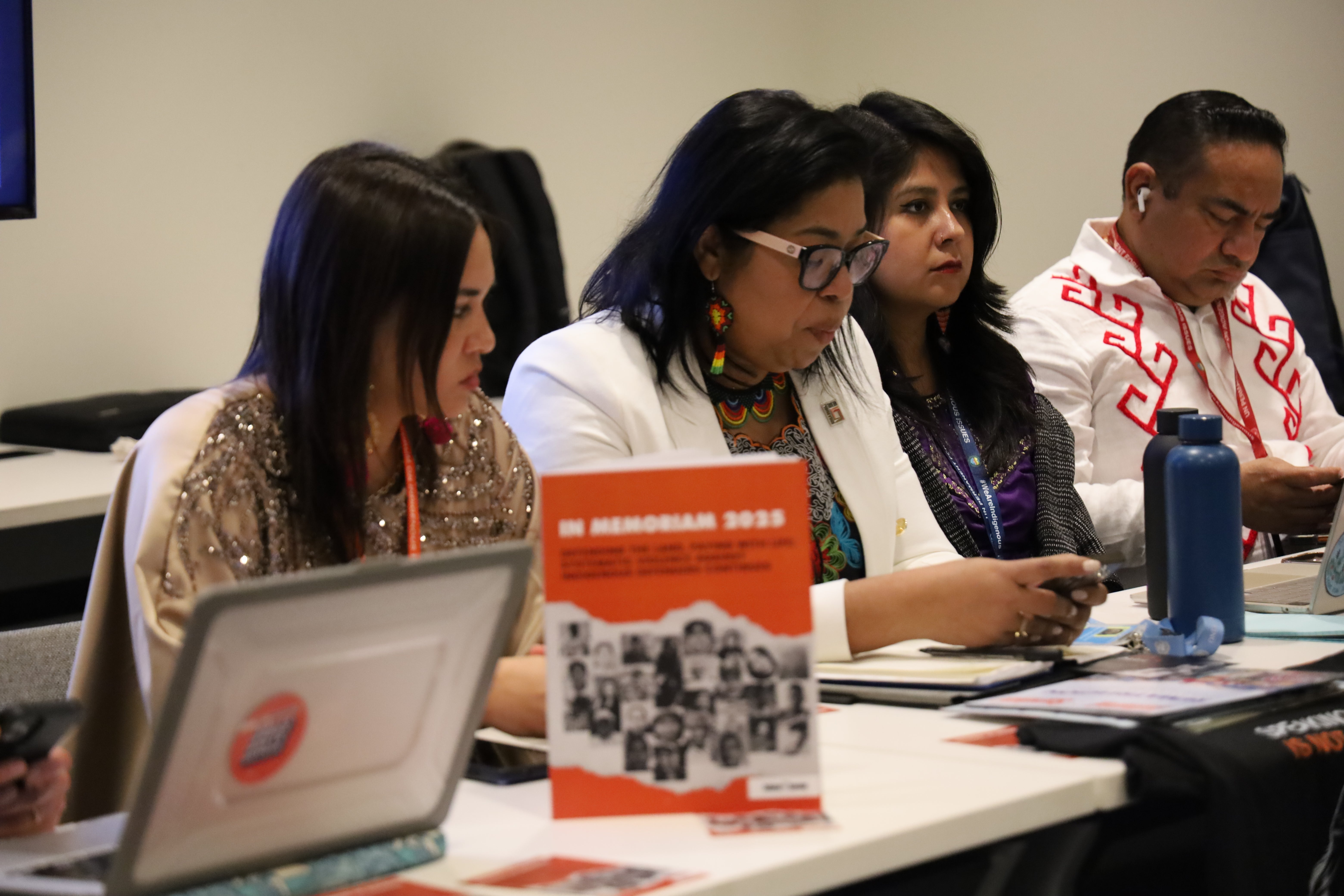
Cultural Survival’s Multifaceted Engagement
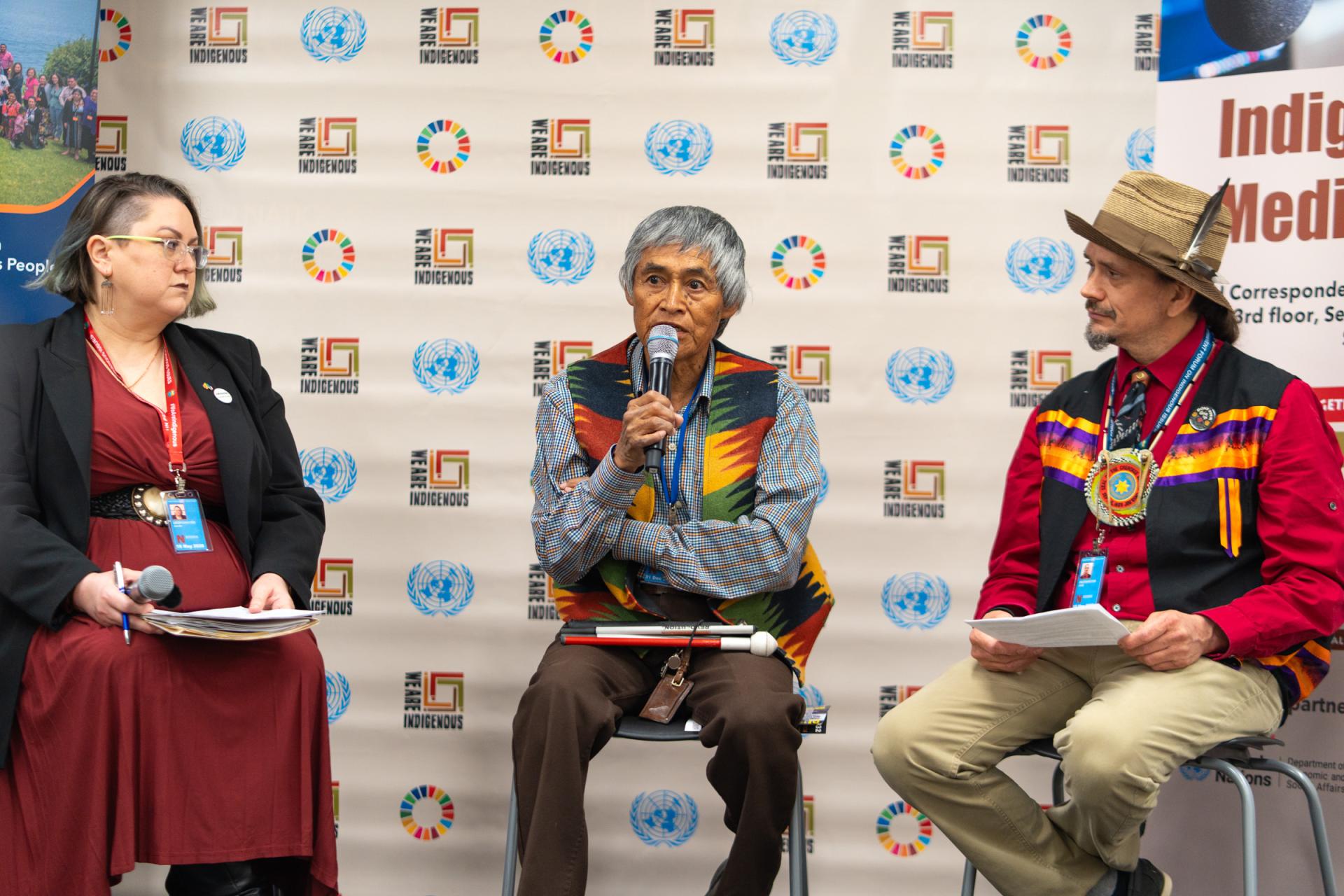
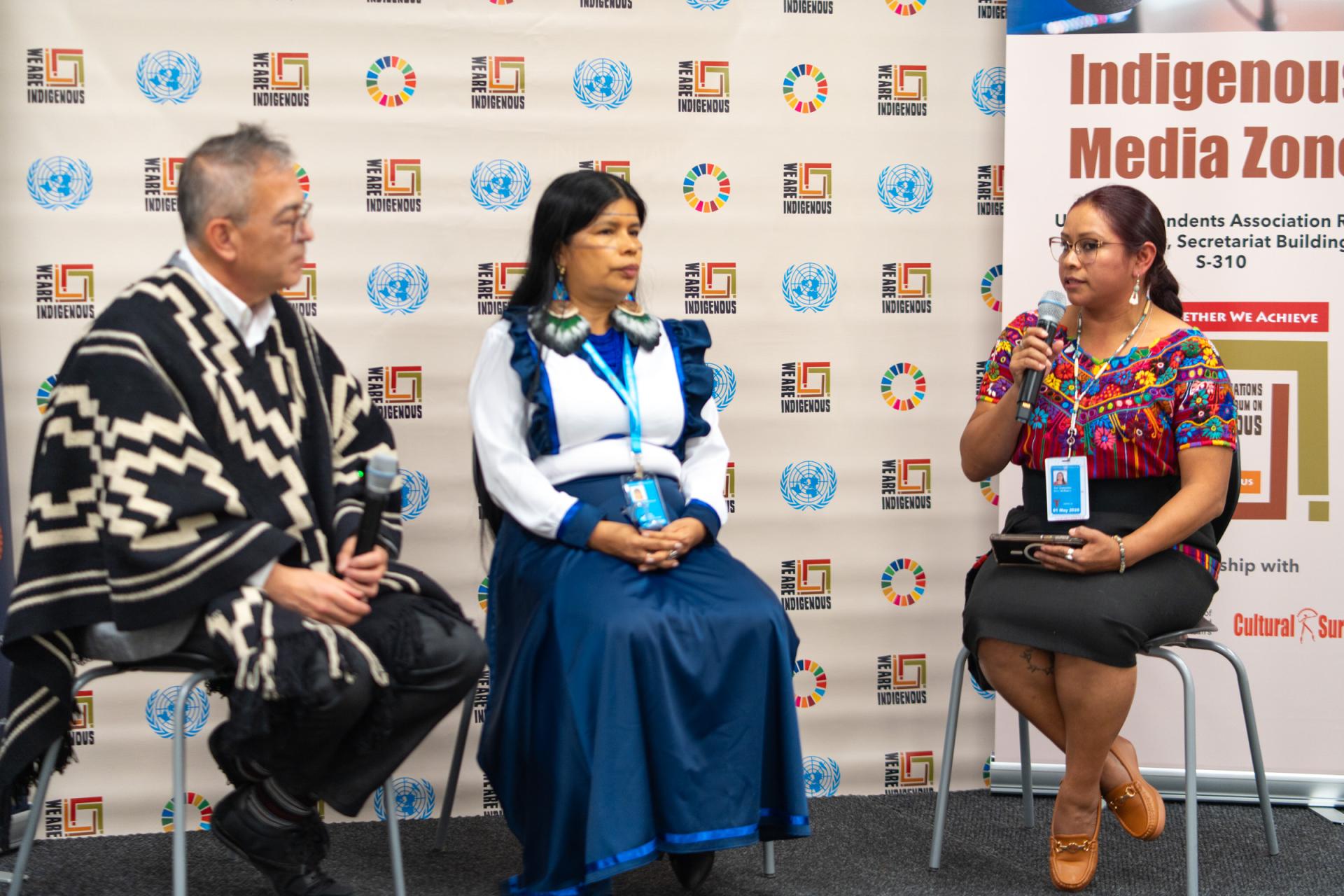
Cultural Survival’s commitment to empowering Indigenous voices was evident in their comprehensive approach to the 25th UNPFII. The organization’s management of the Indigenous Media Zone provided a vital space for Indigenous communicators to share their narratives, research, and solutions directly with a global audience. This initiative is crucial in countering dominant narratives and ensuring that Indigenous perspectives are central to discussions about their own rights and well-being.
The co-hosting of numerous side events and parallel discussions allowed for in-depth exploration of specific issues critical to Indigenous Peoples’ health. These events often served as a bridge between Indigenous leaders, policymakers, and international organizations, fostering dialogue and the identification of concrete actions. Cultural Survival’s deliberate support for their fellows and grant partners underscored their dedication to nurturing emerging Indigenous leadership and providing tangible resources for advocacy. By organizing meetings with government missions and experts, they facilitated direct engagement and the potential for policy shifts.
Key Participants and Their Contributions
The participation of Indigenous leaders and advocates was central to the success of the 25th UNPFII. Cultural Survival highlighted several key individuals who contributed significantly to the forum’s discussions:
- Samuel Stanley (San): As Chairperson of the Indigenous Ink Network and Director of the Indigenous Youth Summit, Stanley’s presence underscored the vital role of youth leadership in shaping the future of Indigenous rights and health advocacy. His engagement likely focused on intergenerational knowledge transfer and empowering young Indigenous leaders to address contemporary challenges.
- Arlene Greist (Iñupiat Ilitqusiat): An Elder from the Ambler Road Tribal Council in Alaska, Greist brought invaluable traditional knowledge and lived experience to the forum. Her contributions would have offered critical insights into the unique health challenges faced by Arctic Indigenous communities, particularly in the context of environmental changes and their impact on traditional lifestyles and well-being.
- Jen Deer in Water (Cherokee): Founder of Crushing Colonialism Magazine, Deer in Water’s participation brought a contemporary media and advocacy perspective. Her work likely focuses on decolonizing narratives and utilizing modern platforms to raise awareness and mobilize action for Indigenous rights.
- Margarita Diaz (Maya Popti’): Representing the Wuxhtaj Council in Guatemala, Diaz’s presence highlighted the ongoing struggles of Indigenous Peoples in Central America, often linked to land rights, environmental degradation, and the impacts of development projects on community health and well-being.
- Rosa Fátima Mamani Quispe (Uru Murato): A member of the Chimpu Warmi Network of Bolivia, Mamani Quispe’s participation likely focused on the specific health needs and advocacy efforts of Indigenous women in the Andean region, addressing issues of access to healthcare, reproductive rights, and the impacts of climate change on traditional livelihoods.
The presence of these individuals, representing diverse Indigenous groups and expertise, enriched the UNPFII’s deliberations by bringing a wide spectrum of experiences and perspectives to the forefront.
Dissemination of Information: Recordings and Resources
Recognizing the importance of accessibility and continued engagement, the UNPFII made significant efforts to document and share the proceedings of the 25th session. Recordings of the Opening Ceremony and general sessions are available online, providing a valuable resource for those who could not attend in person and for ongoing research and advocacy. These recordings offer direct access to the discussions, statements, and policy recommendations put forth by Indigenous Peoples and their allies.
The livestreams from the Indigenous Media Zone, hosted by Cultural Survival, were also archived on their YouTube page. This initiative ensured that the voices and messages shared through this dynamic platform remain accessible. The availability of these video resources allows for wider dissemination of Indigenous perspectives and fosters greater public understanding of the complex issues discussed.
Furthermore, Cultural Survival provided access to interventions made and submitted by their organization and partners. These written submissions often contain detailed analyses, research findings, and policy recommendations, serving as crucial documents for advocacy and academic study.
Indigenous Rights Radio: Amplifying Voices Through Audio and Visual Media
Cultural Survival’s Indigenous Rights Radio program played a pivotal role in extending the reach of the UNPFII. Through interviews with Indigenous leaders, both in audio and video formats, the program offered in-depth insights into the key themes and challenges discussed. These interviews provided a platform for Indigenous leaders to articulate their experiences, concerns, and proposed solutions in their own words, reaching audiences beyond the immediate attendees of the UN forum. The availability of these interviews on various platforms allows for continued engagement with the issues and the individuals advocating for change.
Advocacy Briefs and Multimedia Content: Deepening Understanding and Driving Action
Cultural Survival launched a significant advocacy brief titled "Defending the Land, Paying with Life" at the 25th UNPFII session. This critical report delves into the structural violence underlying the murders of Indigenous defenders, analyzing the issue within the framework of international human rights law. The brief presents concrete recommendations for various stakeholders, including states, corporations, the UN Permanent Forum on Indigenous Issues, and the international community, outlining their responsibilities in protecting defenders and upholding Indigenous rights. The release of this report signifies a call to action, urging for greater accountability and effective measures to safeguard those who are on the front lines of environmental and human rights defense.
The organization also hosted a side event, "Defending the Defenders: Protecting Indigenous Defenders in a Context of Escalating Criminalization, Violence, and Threats," which was documented and made available online. This event likely provided a space for dialogue and strategy development among activists, policymakers, and legal experts concerned with the safety and security of Indigenous human rights defenders.
The Launch of "Mother Earth Medicine" Podcast
In a significant cultural and advocacy initiative, Cultural Survival, in collaboration with the "Nihizhi" Podcast, officially launched the "Mother Earth Medicine: An Ancestral Intelligence Podcast to Heal Our Future" on Earth Day, April 22, during the 25th UNPFII session. This new podcast aims to amplify Indigenous voices by exploring ancestral knowledge and its relevance to contemporary challenges, particularly in the context of environmental sustainability and collective well-being. The timing of its launch during the UNPFII underscores its commitment to integrating traditional wisdom with global advocacy efforts.
Broader Impact and Future Implications
The 25th UNPFII session, despite its challenges, served as a crucial barometer for the state of Indigenous rights globally. The persistent issues of underfunding and logistical barriers to participation highlight the ongoing struggle for equitable representation and influence within international bodies. The focus on health, particularly in conflict settings, brings to the fore the interconnectedness of peace, environmental justice, and Indigenous well-being.
The commitment of organizations like Cultural Survival to amplify Indigenous voices and provide platforms for dialogue and advocacy is indispensable. The availability of recordings, interviews, and detailed reports allows for a broader audience to engage with the critical issues discussed and to hold stakeholders accountable. The launch of new media initiatives like the "Mother Earth Medicine" podcast demonstrates the evolving strategies of Indigenous communities to utilize contemporary tools for cultural preservation and rights advocacy.
The UNPFII’s recommendations and the insights shared during the 25th session will undoubtedly inform future policy decisions and advocacy efforts. However, the recurring concerns about the implementation of the UNDRIP underscore the urgent need for stronger political will and concrete action from states and international institutions to translate declarations into tangible improvements in the lives of Indigenous Peoples worldwide. The continued engagement of Indigenous Peoples, supported by allies and advocates, remains essential in navigating the complex landscape of global governance and ensuring a more just and equitable future.