The Domestic Abuse Act, signed into law on 29 April 2021, marked a pivotal moment in the nation’s efforts to combat domestic violence and support its survivors. Enacted following years of tenacious campaigning by organisations like Women’s Aid, alongside dedicated survivors and activists, the legislation represented a significant legal and societal shift in how the country addresses the pervasive issue of domestic abuse. As the fifth anniversary of its Royal Assent is observed, reflections are underway to evaluate the Act’s successes, dissect its enduring gaps, and chart the critical next steps required to fully realise its ambitious vision of a society free from abuse.
A Pre-Act Landscape: The Imperative for Change
Prior to the 2021 Act, the legal framework for addressing domestic abuse in the UK was fragmented, often failing to adequately recognise the complex and insidious nature of control, coercion, and harm beyond physical violence. While previous legislation, such as the Domestic Violence, Crime and Victims Act 2004, provided some protections, significant gaps remained. The definition of domestic abuse itself was often narrow, hindering effective intervention and failing to encompass the full spectrum of experiences endured by victims. Coercive control, though criminalised in 2015, still lacked comprehensive integration into broader protective measures, particularly concerning non-cohabiting relationships. Crucially, children were largely viewed as witnesses to domestic abuse rather than victims in their own right, a perspective that overlooked the profound and lasting trauma they experience. This fragmented landscape meant that survivors often navigated a confusing array of services and legal avenues, with varying degrees of success and protection. The urgent need for a cohesive, victim-centred, and far-reaching legislative response became increasingly evident, championed by a coalition of charities, legal professionals, and individuals with lived experience.
The Genesis of a Landmark Law: Campaigning and Legislative Journey
The journey towards the Domestic Abuse Act 2021 was protracted, characterised by extensive public consultation, parliamentary debate, and relentless advocacy. Women’s Aid, a leading national charity, was at the forefront of this campaign, collaborating with sister organisations, grassroots activists, member services, and dedicated parliamentarians. Their collective efforts ensured that the voices of survivors, particularly women and children with lived experience, were central to shaping the proposed legislation.
The campaign gained significant momentum in the late 2010s, with a government commitment to introduce a comprehensive Domestic Abuse Bill. The initial draft bill faced scrutiny and underwent several iterations, with advocacy groups pushing for stronger provisions, particularly concerning the definition of abuse, the inclusion of children as direct victims, and robust support for all survivors, regardless of their immigration status. Key milestones included the publication of a draft bill in 2019, followed by its reintroduction in the subsequent parliamentary session. Throughout its passage through the House of Commons and House of Lords, numerous amendments were proposed and debated, reflecting the diverse perspectives and concerns of various stakeholders. The consistent pressure from campaigners was instrumental in strengthening the bill, ensuring that its final form addressed many of the critical shortcomings of previous legislation. The eventual Royal Assent on 29 April 2021 was a culmination of these dedicated efforts, marking a victory for survivor advocacy and a testament to the power of collective action.
Key Provisions and Their Transformative Potential
The Domestic Abuse Act 2021 introduced a suite of groundbreaking provisions designed to offer enhanced protections and support for survivors. Among its most significant advancements are:
- Statutory Definition of Domestic Abuse: The Act established a clear, comprehensive statutory definition of domestic abuse, encompassing not only physical violence but also emotional, psychological, sexual, and economic abuse, as well as controlling or coercive behaviour. This broader definition ensures that the full spectrum of abusive tactics is legally recognised, allowing for more appropriate interventions and legal recourse.
- Children as Victims in Their Own Right: For the first time in English and Welsh law, the Act legally recognised children as victims of domestic abuse if they see or hear, or are otherwise affected by, the abuse of another person. This pivotal change acknowledges the profound and often lifelong impact of witnessing or experiencing domestic abuse during childhood, paving the way for targeted support services and safeguarding measures.
- Extension of Coercive Control Offence: The legislation strengthened and expanded the offence of coercive or controlling behaviour, clarifying that a victim does not necessarily need to live with the perpetrator to experience this form of abuse. This addresses scenarios where abuse continues post-separation or occurs in non-cohabiting relationships, offering greater protection to a wider cohort of survivors.
- Domestic Abuse Protection Notices (DAPNs) and Orders (DAPOs): The Act introduced new civil orders designed to provide immediate and longer-term protection for victims. DAPNs can be issued by the police at the scene of an incident, prohibiting a perpetrator from contacting the victim or returning to the victim’s home. These can then be followed by DAPOs, issued by the courts, which can impose a range of conditions, including mandatory attendance at perpetrator behaviour programmes.
- Housing and Homelessness Protections: The Act enhanced protections for domestic abuse survivors in relation to housing, ensuring that they are automatically given priority need for homelessness assistance. This provision aims to prevent victims from being trapped in abusive situations due to fear of homelessness.
- Family Court Reforms: The legislation introduced significant reforms to the family court system, aiming to improve how courts handle cases involving domestic abuse. This includes a statutory presumption that children should not have direct contact with parents who have perpetrated domestic abuse, and a greater emphasis on specialist training for judges and court staff.
- Designated Domestic Abuse Commissioner: The Act established the office of an independent Domestic Abuse Commissioner, tasked with monitoring the response of public services to domestic abuse, holding agencies to account, and advocating for survivors. This role provides an essential oversight mechanism and a voice for victims at a national level.
Early Impacts and Reported Successes
In the five years since its enactment, the Domestic Abuse Act has undeniably catalysed significant changes across various sectors. The expanded definition of abuse has led to a greater understanding among police forces, prosecutors, and support services of the non-physical forms of harm, contributing to an increase in reports and prosecutions for coercive control. For instance, official statistics have indicated a steady rise in the number of recorded offences of controlling or coercive behaviour since its criminalisation, further amplified by the Act’s broader scope.
The recognition of children as direct victims has begun to reshape safeguarding practices, prompting a more integrated approach between children’s services and adult domestic abuse support. This has led to better identification of child victims and tailored interventions designed to mitigate the trauma they experience. Furthermore, the introduction of DAPNs and DAPOs has provided law enforcement with additional tools to offer immediate protection, potentially preventing further harm and offering victims a vital breathing space to plan their next steps.
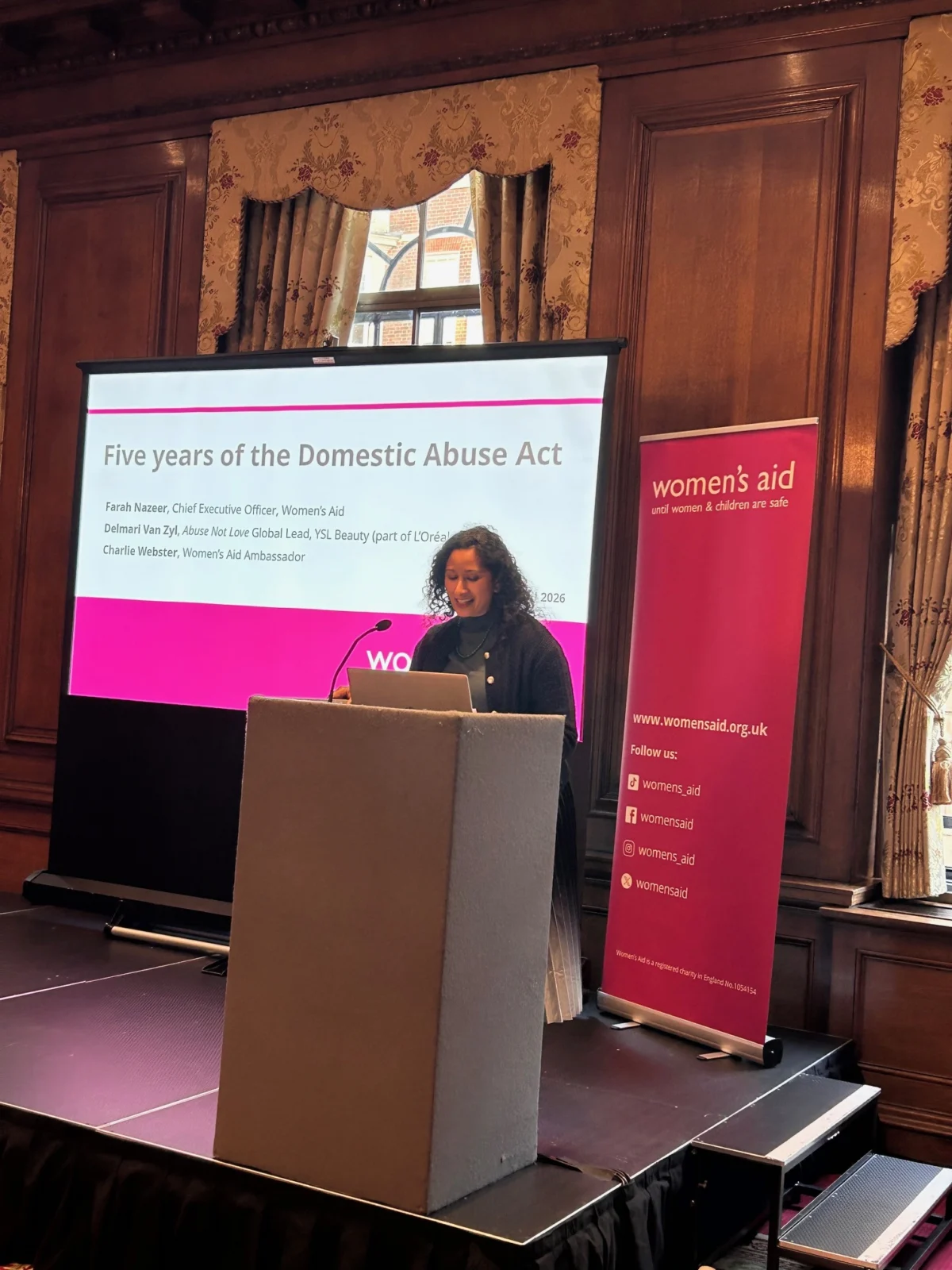
At the anniversary reception hosted by Women’s Aid, the progress was celebrated, yet a clear message emerged regarding the work still ahead. Farah Nazeer, CEO of Women’s Aid, articulated this balance, stating, "Our task is clear: match the promise of the law with the reality of peoples’ lives." This sentiment underscores that while the legal framework is robust, its effective translation into tangible improvements for survivors remains an ongoing endeavour.

Challenges in Implementation and Persistent Gaps
Despite its landmark status, the implementation of the Domestic Abuse Act has not been without its challenges. The journey from legislative intent to consistent, effective practice on the ground is complex and multifaceted.
One of the most frequently cited concerns revolves around sustainable funding for specialist support services. While the Act provides a legal framework, the infrastructure of refuges, helplines, and outreach services that survivors rely on is often under-resourced. Many organisations continue to operate on precarious funding models, struggling to meet the escalating demand for their services. This leads to crucial gaps in provision, particularly in rural areas or for specific demographics of survivors.
Inconsistent application and understanding of the Act’s provisions across various agencies also remains a challenge. While police training has improved, a full and nuanced understanding of coercive control, for instance, still varies, impacting arrest rates and evidence gathering. Similarly, in the family courts, despite reforms, concerns persist about the consistent application of the new guidance, with some advocates arguing that the burden of proof for abuse still disproportionately falls on victims, and that perpetrators sometimes exploit legal processes to continue abuse.
A significant omission from the original Act, as highlighted by Women’s Aid and other advocacy groups, pertains to protections for migrant women. Survivors with insecure immigration status often face immense barriers to accessing support, fearing deportation if they seek help. The "No Recourse to Public Funds" (NRPF) condition leaves many migrant women trapped in abusive relationships, unable to access safe housing or financial support. This gap represents a critical failure to protect some of the most vulnerable individuals.
Other areas requiring further attention include:
- Tech Abuse: The rapid evolution of technology means that new forms of digital and online abuse are constantly emerging, requiring ongoing legal adaptation and greater awareness among law enforcement.
- Perpetrator Programmes: While the Act supports the use of perpetrator programmes, their availability, quality, and effectiveness in changing behaviour need consistent evaluation and expansion.
- Long-Term, Holistic Support: As Women’s Aid Ambassador Charlie Webster powerfully articulated, "The abuse ending is not the end of the story. We need long term wrap around support. Because healing is not an incident, it’s a journey. And right now we’re leaving too many people to walk it alone." This highlights the need for sustained psychological, practical, and emotional support extending far beyond the immediate crisis.
The Unfinished Agenda: Future Needs and Broader Implications
As the nation reflects on five years of the Domestic Abuse Act, the focus firmly shifts to the unfinished agenda. The Act provided a robust foundation, but the journey towards eradicating domestic abuse is far from complete.
Government officials, including those from the Home Office and Ministry of Justice, have consistently affirmed their commitment to building on the Act’s provisions, acknowledging the ongoing need for vigilance and adaptation. However, advocacy groups stress that commitments must translate into sustained investment and legislative action. Addressing the gaps, particularly for migrant women, requires dedicated political will and cross-departmental collaboration.
The role of the Domestic Abuse Commissioner will be crucial in the coming years, providing independent oversight and pushing for accountability across public services. Their recommendations will be vital in identifying systemic failures and advocating for necessary policy changes and resource allocation.
Ultimately, the long-term success of the Domestic Abuse Act hinges not just on its legal provisions, but on a fundamental cultural shift. It requires continued public education to challenge societal norms that enable abuse, robust training for all professionals who interact with survivors, and a collective societal commitment to holding perpetrators accountable. The vision articulated by Women’s Aid and its partners – a future free from abuse – necessitates sustained collaboration between government, civil society, law enforcement, and communities. The fifth anniversary serves as a powerful reminder of the progress made, but more importantly, it is a call to action for the persistent, dedicated work that lies ahead to ensure the promise of the law truly matches the reality of every survivor’s life.