The critically acclaimed Max original series Hacks concluded its third season with a finale that serves as both a narrative resolution and a thematic summation of its exploration of comedy, mentorship, and the professional evolution of its central protagonists. Written by series creators Jen Statsky, Lucia Aniello, and Paul W. Downs, and directed by Aniello, the finale—titled "Bulletproof"—marks a definitive milestone in the scripted portrayal of the stand-up comedy industry. The episode synthesizes the show’s long-standing focus on the relationship between legendary comedian Deborah Vance (Jean Smart) and her millennial writing partner Ava Daniels (Hannah Einbinder), providing a conclusion that mirrors the structural foundations established in the series pilot.
Narrative Overview and Plot Resolution
The finale opens with a significant milestone for Deborah Vance: the grand opening of her residency, "The Diva," in Las Vegas. This event represents the culmination of a multi-season arc involving Vance’s reclamation of her status within the comedy hierarchy. Following the success of the opening, the narrative takes a sharp turn when Vance reveals to Ava that she has been diagnosed with cancer. Eschewing traditional medical intervention, Vance expresses a desire to conclude her life on her own terms, planning a final excursion to Europe with Ava.
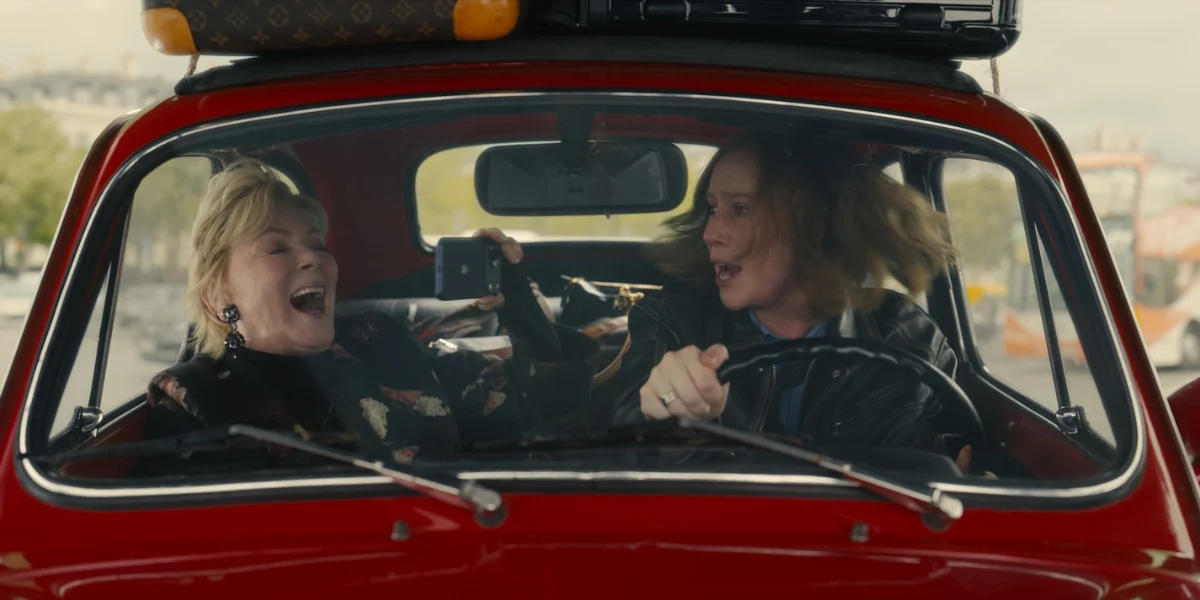
The subsequent sequences in Paris and various European locales function as a high-stakes exploration of the duo’s partnership. The narrative employs a condensed version of the show’s signature "push-and-pull" dynamic, as Ava attempts to persuade Deborah to seek treatment while Deborah remains steadfast in her decision to exit the stage of life. This conflict is resolved not through sentimental plea, but through the professional spark that has always defined their bond. In a pivotal moment at a European train station, Deborah experiences a creative breakthrough, realizing she has another hour of comedic material within her. This realization prompts her to abandon her plans for assisted suicide in favor of returning to work, reinforcing the series’ central thesis that for Vance, the work is the primary driver of existence.
Chronological Parallels and Structural Symmetry
A key element of the finale’s effectiveness is its deliberate use of "echoes" or structural parallels to the series pilot. These callbacks serve to illustrate the growth of the characters while highlighting the cyclical nature of the creative process.
- Opening Tracking Shots: The finale begins with a sophisticated tracking shot following Ava through the set of her new series, Who’s Making Dinner? This mirrors the pilot’s opening tracking shot, which followed Deborah Vance through the backstage corridors of the Palmetto casino. The visual symmetry establishes Ava’s professional ascent, placing her in a position of authority similar to the one Deborah held at the series’ start.
- Administrative Dynamics: The return of Jimmy (Paul W. Downs) and Kayla (Meg Stalter) to their original desk placements at the Latitude agency provides a sense of institutional continuity. This reset acknowledges the stability found in their chaotic but effective partnership.
- The Red Notebook: A recurring motif throughout the series, Deborah’s instinctive reach for her small red notebook at a Parisian cafe directly references a similar moment with Marty Ghilain in the pilot. This action underscores the permanence of her identity as a writer and observer.
- The Comedic Punch-Up: The final interaction between the two leads involves Deborah chasing Ava through a train station to refine a joke. This mirrors the pilot’s conclusion, where Deborah pursued Ava in her driveway to "punch up" a joke that had led to Ava’s initial industry cancellation.
The Role of Las Vegas as a Narrative Character
Throughout its three-season run, Hacks has been noted for its nuanced portrayal of Las Vegas. Unlike many media depictions that focus on the city’s perceived superficiality, the series treats Vegas as a legitimate hub for artistic labor and professional reinvention. The finale reinforces this by framing the city as a sanctuary for Vance’s "too muchness"—a place where her grandiosity and work ethic were welcomed rather than stifled.
The inclusion of recurring local characters, such as Kiki the blackjack dealer, has allowed the show to ground its high-concept comedy in the reality of the service and entertainment workers who sustain the city. In the finale, the transition from the actual Eiffel Tower in Paris to the replica at the Paris Las Vegas hotel is presented without irony. For the writers, this transition signifies the authentic connection Vance feels toward the city that allowed her to rebuild her career after her initial fall from grace.
Industry Context and Critical Performance Data
Since its debut in May 2021, Hacks has become a cornerstone of the Max (formerly HBO Max) original programming slate. The show arrived at a time when the "Prestige Comedy" genre was expanding, characterized by half-hour episodes that blended sharp humor with profound dramatic stakes.
- Awards and Recognition: As of its third season, the series has garnered significant critical acclaim, including multiple Primetime Emmy Awards. Jean Smart has consistently won the Emmy for Outstanding Lead Actress in a Comedy Series for her portrayal of Deborah Vance, while the writing and directing teams have been recognized for their technical precision.
- Critical Reception: The finale has maintained the series’ high standing on review aggregators. Critics have praised the episode for avoiding the "tidy" endings common in contemporary television, opting instead for a conclusion that remains true to the characters’ complicated, work-obsessed nature.
- Streaming Impact: While Max does not release specific viewership numbers, third-party data analytics consistently rank Hacks among the top-performing original comedies on the platform, particularly among the demographic of viewers interested in industry-focused narratives.
Analysis of the "Creative Process" Theme and AI Integration
A significant thematic development in the final season was the incorporation of Generative Artificial Intelligence (AI) as a narrative foil. The show contrasts the "ecstasy of the grind"—the difficult, manual process of brainstorming and refining jokes—with the sterile output of automated systems.
The finale’s emphasis on the "little red notebook" and the physical act of writing serves as a defense of human creativity. By showing Deborah and Ava in the "zone" of writing, the series argues that the value of art lies in the process and the collaboration, rather than just the final product. This thematic choice aligned with real-world industry tensions, specifically the 2023 WGA and SAG-AFTRA strikes, where the protection of human creative labor against AI encroachment was a primary negotiation point.
Official Responses and Creative Intent
The creators—Statsky, Aniello, and Downs—have stated in various industry interviews that the trajectory of the series was planned with this specific conclusion in mind. By ending the narrative arc on their own terms, they avoided the common pitfall of "narrative drift" that affects long-running comedies.
In a post-finale discussion, the creators emphasized that the relationship between Deborah and Ava was never intended to be defined by traditional labels. Whether viewed as a mentorship, a friendship, or a "life partnership," the bond is fundamentally rooted in their shared comedic alchemy. This ambiguity is intentional, reflecting the complexity of professional relationships that become deeply personal over time.
Broader Impact and Implications for the Television Landscape
The conclusion of this chapter of Hacks leaves a lasting impact on the television landscape for several reasons. First, it successfully subverted the "mean mentor" trope, evolving the Vance-Daniels relationship into a genuine partnership of equals. Second, it provided a rare, high-profile look at the aging process of a female entertainer, treating Vance’s career longevity with respect rather than pity.
Furthermore, the show’s exploration of assisted suicide and terminal illness within a comedic framework demonstrates the genre’s capacity to handle sensitive social issues without losing its humorous edge. The decision to have Deborah choose "the next hour" of comedy over her plan to end her life serves as a powerful statement on the life-sustaining power of purpose and work.
As the television industry continues to navigate a period of contraction and shifting viewer habits, the success of Hacks stands as a testament to the enduring appeal of character-driven, expertly written storytelling. The finale provides a blueprint for how to conclude a complex narrative: by returning to the core emotional and professional truths that defined the journey from the first frame.