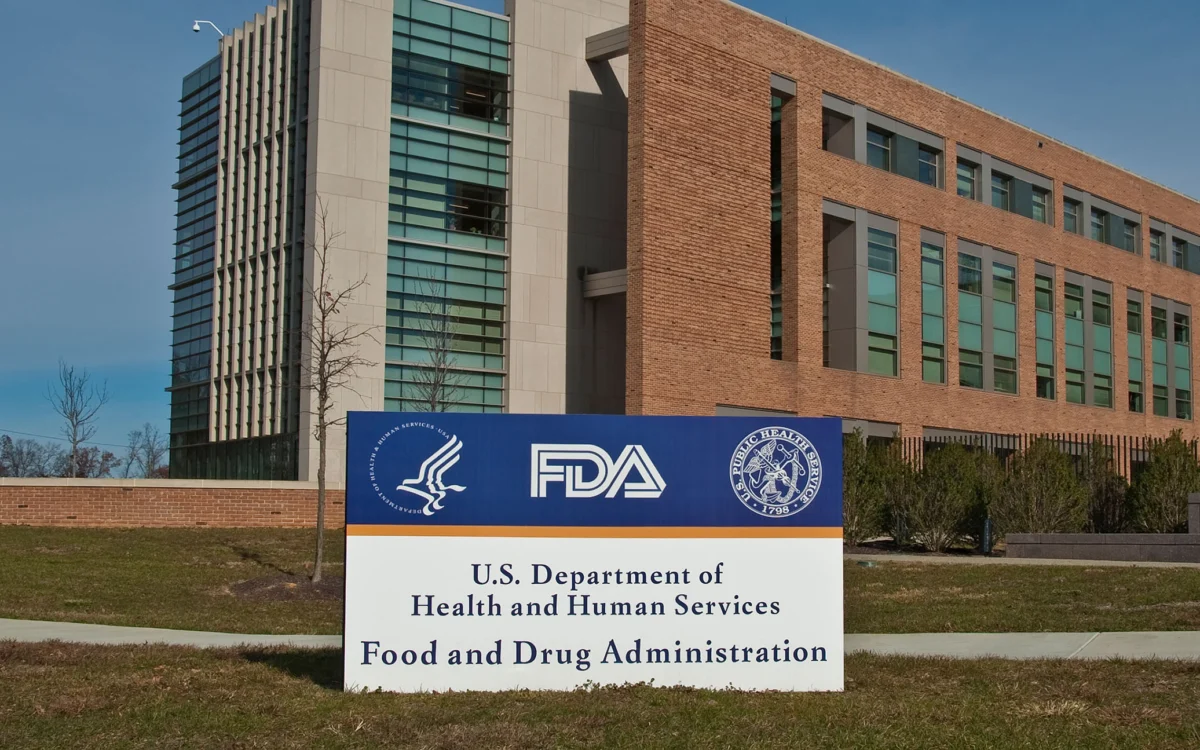
The Food and Drug Administration (FDA) is on the cusp of a significant decision regarding the use of electrical stimulation devices (ESDs) for individuals with disabilities, a move that could bring an end to a contentious practice that has spanned years of regulatory debate and legal challenges. Two years after initially proposing a ban on these devices, the agency has indicated that a final rule is expected imminently, potentially within the current month. This anticipated decision follows an extensive period of public comment and internal review, signaling a critical juncture in the protection of vulnerable populations.
The proposed ban, first put forth by the FDA in early 2024, specifically targets the use of ESDs intended to curb or eliminate self-injurious or aggressive behaviors in individuals with developmental and intellectual disabilities. The agency’s rationale for the proposed prohibition is rooted in a comprehensive assessment that concluded these devices "present an unreasonable and substantial risk of illness or injury." This determination reflects a growing consensus among medical professionals, disability advocates, and regulatory bodies that the potential harms associated with ESDs outweigh any purported therapeutic benefits.
A History of Regulatory Battles and Concerns
The current FDA proposal is not an isolated event but rather the latest chapter in a protracted struggle to regulate and, ultimately, eliminate the use of ESDs. The history of this issue is marked by significant regulatory actions, legal setbacks, and persistent advocacy efforts.
2020: Initial Ban and its Rationale
In March 2020, the FDA initially finalized a ban on these shock devices. At that time, the agency cited substantial evidence of serious psychological and physical risks. These documented risks included severe burns, tissue damage, the exacerbation of underlying behavioral or emotional conditions, and the induction of significant psychological distress such as depression, anxiety, and post-traumatic stress disorder (PTSD). The FDA’s 2020 decision was a landmark moment, seemingly poised to end the use of a controversial treatment method.
2021: Legal Overturn and the Fight for Authority
However, this initial ban was short-lived. In July 2021, the U.S. Court of Appeals for the D.C. Circuit overturned the FDA’s 2020 rule. The court’s decision was based on a technicality, determining that the FDA had exceeded its statutory authority in implementing the ban through its existing regulatory framework. This legal setback effectively reinstated the use of ESDs and highlighted a gap in the agency’s regulatory powers concerning such devices.
Subsequent Congressional Action
In response to the judicial overturning of the ban, Congress took action to clarify the FDA’s authority. Lawmakers subsequently passed legislation that explicitly granted the FDA the right to institute a ban on these devices. This legislative intervention was crucial in empowering the agency to re-engage with the issue and pursue a regulatory path that would withstand legal scrutiny.
2024: Renewed Proposal and Imminent Decision
With renewed legal footing, the FDA revisited its proposed ban in early 2024. The agency reopened the public comment period, allowing stakeholders to voice their opinions and submit further evidence. The docket for this rulemaking officially closed on May 28, 2024, indicating that the agency has now entered the final stages of deliberation. Andrew Nixon, a spokesperson for the U.S. Department of Health and Human Services, confirmed that the agency is actively considering the submitted comments and that the current regulatory agenda points to an expected final rule issuance this month.
The Sole Known Facility and its Stance
The use of these electrical stimulation devices is reportedly concentrated at a single facility in the United States: the Judge Rotenberg Educational Center (JRC) in Canton, Massachusetts. This center serves a population of children and adults diagnosed with developmental disabilities, as well as those experiencing significant behavioral and emotional challenges. Officials at the JRC have consistently maintained that the use of ESDs is a measure of last resort, employed only for clients who have not responded to or have exhausted all other available treatment options. They argue that these devices, while controversial, are essential for managing severe behaviors that pose risks to the individual or others.
The Crucial Role of Disability Advocates
Throughout this regulatory and legal saga, disability advocacy organizations have been at the forefront, relentlessly pushing for the complete prohibition of ESDs. These groups argue that the devices constitute a form of cruel and unusual punishment, inflicting profound physical and psychological harm on individuals who are already in a vulnerable position.
Robyn Linscott, director of education and family policy at The Arc of the United States, has been a vocal proponent of the ban. She has emphasized the urgent need for the FDA’s final rule, stating, "This rule is crucially needed. Without it, people with disabilities are still being subjected to the abusive use of electrical stimulation devices." Her statement underscores the ongoing concerns of advocates who believe that the continued availability of these devices perpetuates harm and violates the fundamental rights of individuals with disabilities.
Broader Implications and Analysis
The FDA’s impending decision on the electrical stimulation devices carries significant implications beyond the immediate regulatory action.
- Protection of Vulnerable Populations: A finalized ban would represent a major victory for disability rights, affirming the principle that individuals with disabilities deserve to be free from potentially harmful and inhumane treatment methods. It aligns with evolving ethical standards in disability care, emphasizing person-centered approaches and least restrictive interventions.
- Shift in Treatment Paradigms: The ban could accelerate a broader shift away from punitive or aversive interventions towards more evidence-based, therapeutic, and rehabilitative strategies. This includes increased investment in behavioral therapies, positive behavior support, and comprehensive mental health services tailored to the needs of individuals with developmental disabilities.
- Regulatory Precedent: The FDA’s ability to finally implement and enforce a ban on ESDs, following legislative clarification, sets a precedent for how the agency can address other medical devices that pose substantial risks. It underscores the importance of a robust regulatory framework that prioritizes public safety, particularly for vulnerable groups.
- Ongoing Debate on Behavioral Interventions: While the ban addresses a specific technology, it also highlights the ongoing societal debate about how best to manage challenging behaviors in individuals with disabilities. The focus will likely intensify on developing and disseminating effective, humane, and individualized treatment plans.
- Economic and Operational Impacts: For the Judge Rotenberg Educational Center, a finalized ban would necessitate a complete overhaul of its treatment protocols and potentially its operational model. The center would need to identify and implement alternative interventions for its clients, which could involve significant investment in staff training, therapeutic resources, and potentially facility modifications. The financial implications of such a transition could be substantial.
Supporting Data and Expert Opinions
While specific quantitative data on the prevalence of ESD use is limited due to the concentrated nature of its application, the qualitative evidence of harm has been extensive. Medical literature and reports from advocacy groups have consistently documented the severe adverse effects of electroconvulsive therapy when used as a behavioral intervention. These include:
- Physical Injuries: Beyond burns and tissue damage, reports have indicated instances of muscle damage, nerve damage, and even cardiac complications in extreme cases.
- Psychological Trauma: The experience of being subjected to electric shocks can induce profound and lasting psychological distress. This can manifest as fear, anxiety, avoidance behaviors, depression, and a significant decline in overall well-being. For individuals with pre-existing mental health conditions, these effects can be particularly devastating.
- Worsening of Underlying Conditions: Contrary to claims of behavior modification, the trauma associated with ESDs can often exacerbate the very behaviors they are intended to suppress. Individuals may become more withdrawn, aggressive, or fearful as a result of the aversive stimulation.
- Ethical Concerns: Ethicists and human rights organizations have widely condemned the use of ESDs as a violation of fundamental human rights, arguing that it constitutes torture and is incompatible with principles of dignity and respect for individuals with disabilities.
The FDA’s decision-making process is informed by these documented risks and a growing body of expert opinion that favors non-aversive, evidence-based interventions. The agency’s commitment to reviewing public comments signifies a willingness to consider all perspectives, but the proposed rule and the subsequent legislative action strongly indicate a move towards prohibition.
Looking Ahead
As the FDA prepares to issue its final rule, the disability community and its allies will be watching closely. The anticipated ban on electrical stimulation devices represents a significant step forward in safeguarding the rights and well-being of individuals with disabilities. It signals a commitment to modern, ethical, and effective approaches to care, moving away from outdated and harmful practices. The coming weeks will likely see the formal conclusion of a long and arduous chapter, paving the way for a more humane and rights-affirming future for those who rely on specialized care and support.