The past two years have ushered in a period of unprecedented volatility and transformation across the global labor market, prompting a fundamental re-evaluation of how work is perceived, structured, and valued. The ongoing pandemic has served as an accelerant, driving a massive, rapid-paced experimentation with new paradigms of working that have profoundly reshaped expectations among employees and employers alike. While many questions remain open and data continues to evolve, a clear pattern of emerging trends categorized under ‘Purpose,’ ‘People,’ ‘Process & Policy,’ and ‘Polarization & Activism’ has become discernible. This article, part of a broader series examining these shifts, delves into the critical ‘People’ trends, exploring their profound implications for Diversity, Equity, and Inclusion (DEI) amidst this ambiguous and rapidly changing environment.
A New Epoch in the World of Work: The Pandemic’s Unfolding Chronology
The initial onset of the COVID-19 pandemic in early 2020 triggered an immediate and dramatic disruption to global economies and daily life. Governments worldwide implemented lockdowns, forcing businesses to adapt overnight. For many, this meant a sudden, unplanned pivot to remote work, a model previously considered a niche perk for a select few. Companies scrambled to provide necessary technology and infrastructure, while employees navigated the complexities of integrating professional responsibilities with personal lives in shared home spaces. Essential workers, from healthcare professionals to logistics and retail staff, faced immense pressure, health risks, and often, inadequate support, highlighting pre-existing vulnerabilities in labor systems.
As 2020 progressed, the initial shock gave way to a prolonged period of adaptation. Remote work, initially a temporary measure, began to solidify as a viable, and for many, preferred, mode of operation. Organizations started to invest in long-term remote infrastructure and new communication tools. However, this period also brought new challenges: the blurring of work-life boundaries, increased rates of burnout, and a growing sense of isolation for some. Employees began to critically re-evaluate their relationship with work, their employers, and their personal priorities. The collective experience of a global crisis fostered a deeper introspection about purpose, well-being, and the true value of their labor.
By 2021, as vaccine rollouts offered glimmers of hope for a return to normalcy, the accumulated pressures and re-evaluations began to manifest in a phenomenon dubbed "The Great Resignation." Rather than a return to pre-pandemic norms, the workforce entered a new phase characterized by significant voluntary turnover and a distinct shift in power dynamics towards employees. This period also saw a growing awareness of labor shortages across various sectors, signaling a fundamental imbalance between the supply and demand for talent. As we move further into the recovery phase, the imperative for organizations to understand and strategically respond to these evolving ‘People’ trends has become paramount for their sustained success and for fostering an inclusive global recovery.
The Great Resignation: Employees Redefine Their Terms
At the heart of the ‘People’ trends lies "The Great Resignation," a term that encapsulates the widespread voluntary departures from jobs observed globally. While some researchers suggest a gradual increase in resignation rates predated the pandemic, the crisis undeniably accelerated and amplified this trend, bringing it into sharp public focus. It signals a profound shift where employees are no longer passively accepting the status quo but are actively seeking roles that align better with their values, offer greater flexibility, and prioritize their well-being.
Statistical evidence underscores the scale of this phenomenon. In the United States, August 2021 alone saw a staggering 4.3 million voluntary quits, coinciding with an unprecedented 10.4 million open job vacancies during the same month. Across the Atlantic, the United Kingdom recorded over 1 million open jobs, a record high. The talent crunch is not confined to Anglo-Saxon economies; in Germany, the largest economy in the European Union, concern among company leaders regarding the lack of skilled employees surged by 11% in just three months, reaching 34.6% by July 2021. The long-term implications are particularly concerning for businesses: a Willis Towers Watson survey revealed that 70% of U.S. employers anticipate this talent gap to persist into the following year, with 61% reporting difficulties in retaining their current workforce.
Analysis of who is driving this exodus reveals specific patterns. Resignation rates have been notably more prevalent among mid-career professionals, showing an increase of 20% compared to pre-pandemic levels. These individuals, often aged between 30 and 45, possess valuable experience but may also be at a stage in life where they are juggling significant personal responsibilities, such as childcare or eldercare, alongside demanding careers. The tech and healthcare sectors, both of which experienced extreme demand and pressure during the pandemic, have seen particularly high turnover. Healthcare workers, in particular, faced unprecedented stress, trauma, and burnout, leading many to reconsider their careers. Similarly, the relentless pace of innovation and increased reliance on digital infrastructure in tech contributed to heightened stress levels.
Beyond these sectors, the service and hospitality industries, historically plagued by high turnover due to challenging working conditions and low wages, continued to see significant departures. What has shifted, however, is a greater public awareness and empathy for the plight of workers in these sectors. This newfound public scrutiny, amplified by social media and labor movements, has empowered workers to demand better. Furthermore, the pandemic era has witnessed an increase in "Rage Quitting," where employees, pushed to their breaking point by negative work environments, disrespectful management, or unsustainable demands, abruptly leave their jobs without notice. This phenomenon underscores a significant deterioration in psychological safety and a deep-seated frustration with workplace cultures that fail to value and respect their workforce.
The cumulative effect of these trends is a stark realization for organizations: the power dynamic has fundamentally shifted. Employees, realizing they have more options and a stronger voice, are now dictating the terms of engagement. The pandemic has sharpened attention on the critical need to genuinely value employees, foster inclusive workplaces, and implement fair labor practices and policies. The message is clear: organizations that fail to adapt to these new expectations risk losing their most valuable asset – their people.
The Great Divergence: An Uneven Recovery and the Call for Inclusion
While "The Great Resignation" highlights a voluntary re-evaluation of work by many, it is crucial to acknowledge that not all pandemic-era employment changes have been voluntary departures. A parallel phenomenon, "The Great Divergence," illuminates the stark inequalities embedded within the current economic recovery, revealing that for millions, the pandemic resulted in unwanted job losses, further exacerbating a global employment crisis.
The data paints a sobering picture of this divergence. In OECD countries, a staggering 20 million fewer people are in work since the start of the pandemic, with over 110 million fewer jobs worldwide. The International Labour Organization (ILO) estimated that globally in 2021, hours worked would be 4.3% below pre-pandemic levels, an equivalent of 125 million full-time jobs. This reduction in working hours disproportionately affected low-paid jobs, further entrenching economic disparities. Although global unemployment rates saw a slight drop by May 2021, they remained significantly higher than before the pandemic, indicating a persistent challenge in job creation and re-employment.
This "Great Divergence" underscores how the pandemic disproportionately impacted vulnerable populations. Women, for instance, were often forced out of the workforce due to increased caregiving responsibilities resulting from school closures and lack of childcare support. People of color and individuals in lower-wage, frontline service roles faced higher exposure risks, greater job instability, and fewer benefits. These involuntary job losses and reductions in hours have widened the gap between those who could leverage the new labor market dynamics for better opportunities and those who struggled to regain stable employment.
Consequently, the narrative of recovery must be an inclusive one. The current moment presents a critical opportunity to move beyond merely "building back better" to "building back fairer." An inclusive approach to talent and employment is essential, one that addresses the full scope of pandemic-era work shifts and actively resets talent and employment practices to be equitable for all people. This involves not only creating new jobs but also ensuring access to training and development, fair wages, comprehensive benefits, and supportive work environments for all segments of the population. The profound changes demanded by this era extend beyond organizational policy to societal infrastructure, requiring collective action from governments, businesses, and communities to forge a truly inclusive recovery.
The Evolving Employee Value Proposition: What Workers Now Demand
The pandemic has irrevocably altered the employee value proposition. What attracts and retains talent in today’s market extends far beyond competitive salaries and traditional benefits. Employees are increasingly seeking workplaces that offer a deeper sense of purpose, prioritize their holistic well-being, provide genuine flexibility, and foster a truly inclusive culture.
Flexibility has emerged as a non-negotiable expectation for many. The forced experiment with remote work proved that productivity is not inextricably linked to a physical office space. Hybrid work models, offering a blend of in-office and remote work, are rapidly becoming the new standard. Organizations that insist on a rigid return to traditional office structures risk alienating and losing top talent. Beyond location, flexibility now also encompasses adaptable work schedules, compressed workweeks, and greater autonomy over how and when work is completed.
Mental health and well-being have also risen to the forefront of employee concerns. The pandemic exacerbated stress, anxiety, and burnout, leading to a greater awareness of the importance of mental health support in the workplace. Employees now expect employers to offer robust mental health resources, foster a culture that destigmatizes mental health discussions, and actively work to reduce workplace stressors. This shift represents a move towards a more human-centered approach to management, recognizing that employees are whole individuals with lives outside of work.
Moreover, Diversity, Equity, and Inclusion (DEI) are no longer abstract corporate buzzwords but core expectations, particularly for younger generations entering the workforce. Employees want to work for organizations that not only talk about DEI but demonstrate a genuine commitment through tangible actions, equitable policies, diverse leadership, and an inclusive culture where everyone feels they belong and can thrive. Ethical leadership, transparency, and a clear articulation of organizational values that align with broader societal impact are also increasingly important. Employees are scrutinizing their employers’ actions on social and environmental issues, seeking alignment with their personal values.
This redefinition of the employee value proposition necessitates a fundamental rethinking of talent strategies. Organizations that fail to adapt their culture, policies, and leadership approaches to meet these evolving demands will struggle significantly in the war for talent. People-centred work cultures must be a foundational element of any "Great Reset" or "build back better" initiative as the world emerges from the pandemic, ensuring that human capital is truly valued and nurtured.
Implications for Diversity, Equity, and Inclusion (DEI): A Strategic Imperative
The seismic shifts in the world of work underscore the heightened urgency and strategic imperative of Diversity, Equity, and Inclusion (DEI). The pandemic did not create inequalities but rather exposed and exacerbated existing systemic disparities, making robust DEI efforts more critical than ever for organizational resilience and societal progress.
For talent attraction and retention, DEI is no longer merely a moral aspiration but a strategic business necessity. In a highly competitive talent market where employees are empowered to choose, organizations with a strong, demonstrable commitment to DEI will have a significant advantage. Diverse candidates actively seek inclusive environments, and employees from underrepresented groups are more likely to stay and thrive in workplaces where they feel valued, respected, and have equitable opportunities for advancement. Conversely, organizations perceived as lacking in DEI risk becoming unattractive to top talent and experiencing higher turnover rates among diverse employees.
Addressing burnout and mental health through an inclusive lens is another critical implication. The pandemic disproportionately affected the mental health of certain demographic groups, including women, caregivers, and people of color. Effective DEI strategies must incorporate tailored mental health support, flexible policies that accommodate diverse caregiving responsibilities, and a culture that prioritizes psychological safety for all employees. This means recognizing that "well-being" is not a one-size-fits-all concept and requires nuanced approaches to support different employee needs.
The rise of hybrid work models also presents both opportunities and challenges for DEI. While flexibility can benefit many, there’s a risk of creating a two-tiered system where those who come into the office are perceived as more engaged or have greater access to informal networking and career opportunities. Inclusive hybrid work strategies must proactively mitigate these risks, ensuring equitable access to opportunities, visibility, and mentorship for both in-office and remote workers. This requires intentional design of processes and policies to prevent proximity bias and foster a sense of belonging for a geographically dispersed workforce.
Furthermore, the "Great Divergence" highlights the need for DEI initiatives to extend beyond existing employee bases to support an inclusive recovery. This includes re-skilling and upskilling programs for those who lost jobs or whose roles have been automated, ensuring that opportunities in emerging sectors are accessible to a diverse talent pool. It also involves challenging biases in hiring processes and actively seeking out talent from marginalized communities who may have been disproportionately affected by job losses.
Ultimately, the pandemic has forced organizations to confront the true meaning of purpose. Aligning organizational purpose with broader societal impact, including a commitment to equity and social justice, is increasingly important for engaging employees and stakeholders. This era demands that leaders not only articulate their commitment to DEI but embed it deeply into every facet of their organizational strategy, culture, and operations.
Strategic Responses for Organizations and Leaders: Building Future-Ready Workplaces
To navigate these complex shifts, organizations and leaders must adopt proactive and people-centred strategies. This is a moment for profound changes, moving beyond incremental adjustments to fundamental redesigns of work.
Firstly, active listening to employees is paramount. Regular feedback mechanisms, such as pulse surveys, stay interviews, and open forums, are crucial for understanding diverse employee needs, concerns, and aspirations. This goes beyond annual engagement surveys to continuous, empathetic listening that informs policy and cultural adjustments in real-time.
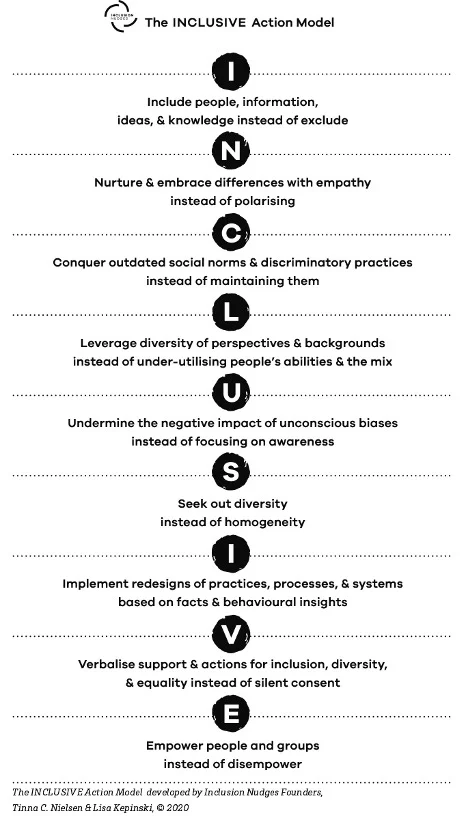
Secondly, investing in genuinely people-centred cultures is non-negotiable. This means prioritizing psychological safety, fostering a strong sense of belonging, and creating environments where all employees feel respected, heard, and empowered to contribute their best. Leaders must model inclusive behaviors and actively challenge biases within their teams and systems.
Thirdly, a thorough review and adaptation of policies and processes are essential. Outdated policies on attendance, performance management, promotion, and compensation must be revised to reflect the realities of new work models and ensure fairness and equity. This includes designing equitable hybrid work frameworks, fair performance evaluation systems that account for different work styles, and transparent compensation practices that address pay equity gaps.
Fourthly, leadership development must be re-imagined. Leaders need to be equipped with the skills to manage diverse, distributed teams with empathy, emotional intelligence, and inclusive leadership capabilities. This involves training on unconscious bias, fostering psychological safety, effective virtual communication, and coaching for resilience and well-being.
Fifthly, leveraging data for insight is critical. Organizations should utilize analytics to understand attrition patterns, identify potential areas of inequity, and measure the effectiveness of DEI interventions. Data-driven insights can help pinpoint specific demographics or departments experiencing high turnover or engagement issues, allowing for targeted solutions.
Finally, collaboration and partnerships are vital for a broader, inclusive recovery. Businesses should engage with industry bodies, government agencies, and educational institutions to address systemic talent gaps, promote inclusive hiring practices, and advocate for policies that support a fairer labor market for all.
This transformative period, born out of global crisis, offers an unparalleled opportunity to rethink and redesign the world of work. The shifts in ‘People’ trends—from the empowered choices of "The Great Resignation" to the urgent calls for an "Inclusive Recovery"—demand that organizations place people at the absolute center of their strategies. By embracing these challenges as opportunities for profound change, leaders can build workplaces that are not only resilient and successful but also truly equitable and human-centred, ensuring that the legacy of this tumultuous era is one of progress and fairness for all.