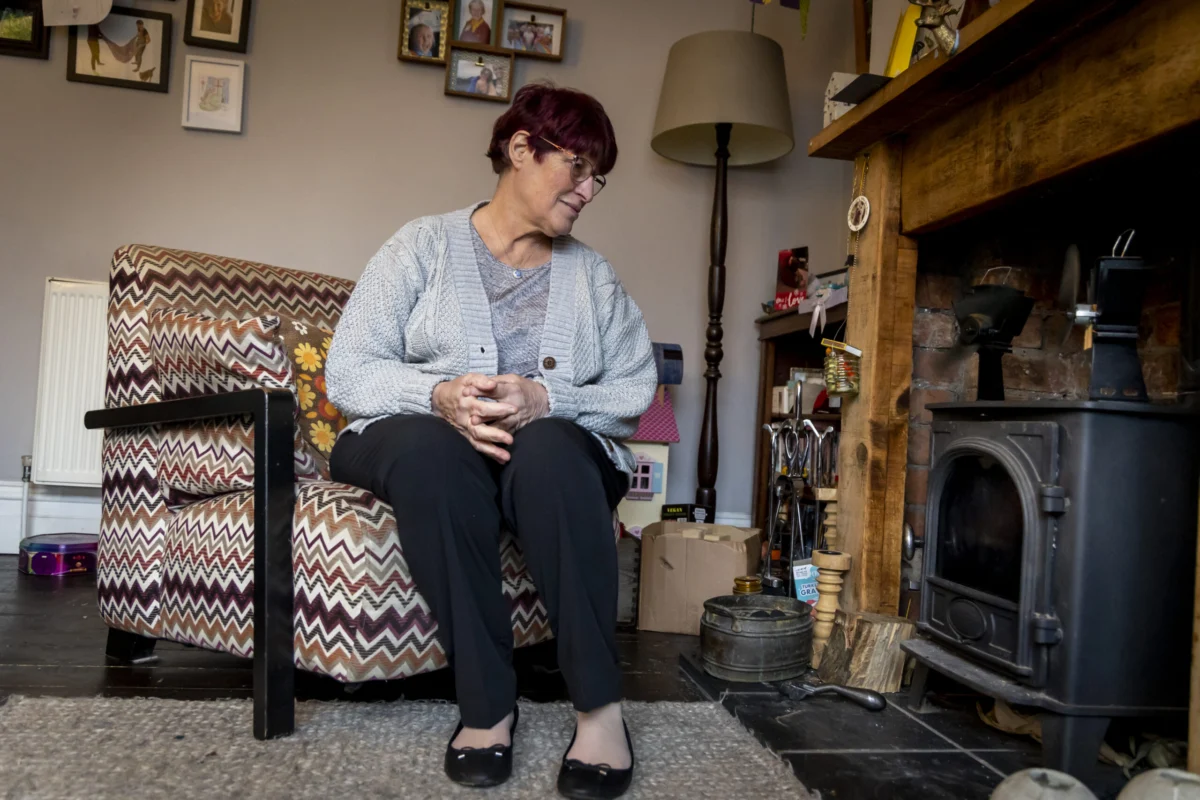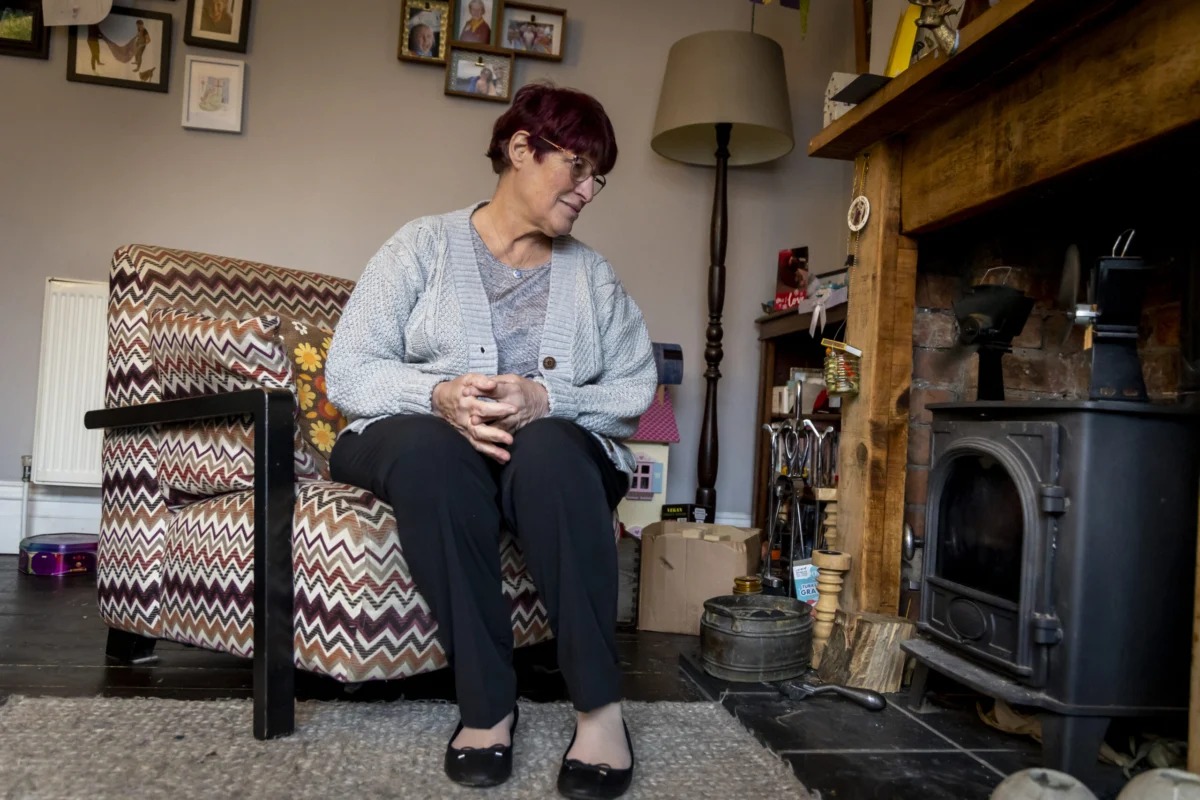
Ireland is facing a significant social crisis as new data reveals a sharp increase in the number of older people falling into poverty, with those living alone identified as the most vulnerable demographic. The Central Statistics Office (CSO) Survey on Income and Living Conditions (SILC) for 2025 has highlighted a troubling trend where the "at risk of poverty" rate for older persons has surged, outpacing the national average by a considerable margin. According to the report, older people living alone recorded an income poverty rate of 30.3% in 2025, representing a 4.4 percentage point increase from the previous year. This figure is nearly two and a half times the national income poverty rate, signaling a widening gap between the elderly and the rest of the Irish population in terms of financial security and access to basic necessities.
The advocacy group Age Action has expressed profound concern over these findings, suggesting that the current social protection framework is failing to keep pace with the rising cost of living. The organization points to the transition from temporary, one-off cost-of-living measures to more permanent budgetary structures as a critical point of failure. While temporary supports provided a buffer in 2024 and early 2025, the absence of sustained, targeted increases in the core state pension and related allowances in Budget 2026 has left many older citizens in a precarious financial state.
Detailed Analysis of the 2025 SILC Data
The CSO’s SILC report is the primary source of data on household income and living standards in Ireland. The 2025 results provide a granular look at how inflation and housing costs are disproportionately affecting the elderly. The "at risk of poverty" threshold is typically defined as 60% of the median national equivalised income. For a significant portion of the older population, particularly those whose sole source of income is the State Pension, staying above this threshold has become increasingly difficult.
The data reveals that 18.3% of older people living alone—nearly one in five—experienced "enforced deprivation." This metric measures the inability to afford two or more of eleven basic items or activities, such as keeping the home adequately warm, replacing worn-out furniture, or having a meal with meat, chicken, or fish every second day. Among couples where at least one person is aged 65 or older, the rate of enforced deprivation stood at 9.8%. While lower than the rate for those living alone, it still indicates that approximately one in ten elderly couples are struggling to maintain a basic standard of living.
Furthermore, the concept of "consistent poverty" provides an even more alarming outlook. This occurs when an individual is both at risk of poverty (income below the threshold) and experiencing enforced deprivation. In 2025, 9.8% of older people living alone were found to be in consistent poverty. This indicates a segment of the population that is not just "squeezed" by rising costs but is fundamentally unable to meet the requirements for a dignified life.
Chronology of the Poverty Crisis (2022–2026)
The current crisis did not emerge in a vacuum but is the result of several years of economic volatility and policy shifts. Understanding the timeline is essential to grasp why 2025 became a tipping point.
In 2022 and 2023, Ireland experienced record-high inflation, largely driven by soaring energy prices and global supply chain disruptions following the pandemic and the onset of the war in Ukraine. During this period, the Irish government introduced several "one-off" payments, including energy credits and double pension payments, to mitigate the impact on vulnerable groups.
By 2024, these temporary measures were credited with reducing the poverty risk for older people by 5.9 percentage points. However, advocacy groups warned that these were "sticking plaster" solutions. Throughout late 2024 and early 2025, inflation for essential goods—particularly food and healthcare—remained stubbornly high even as energy prices stabilized.
In the lead-up to Budget 2026, Age Action and other NGOs campaigned for a substantial increase in the core State Pension, arguing for it to be benchmarked at 34% of average weekly earnings. When Budget 2026 was announced, it focused more on broad tax cuts and less on permanent increases to social welfare rates. This policy direction is what Camille Loftus, Age Action’s Head of Advocacy and Public Affairs, cites as the primary driver for the projected increase in poverty risk for 2026.

Official Responses and Political Reaction
Camille Loftus has been vocal about the implications of the CSO data, stating that the failure to replace temporary supports with permanent measures is a regressive step. "While one-off cost of living measures have reduced the poverty risk for older people in recent years, the failure to replace these supports with permanent and targeted measures in Budget 2026 means that older people will face a growing risk of living in poverty in 2026," Loftus remarked. She emphasized that the 30.3% poverty rate for those living alone is an indictment of current social policy.
In response to the data, opposition spokespeople for Social Protection have called for an emergency review of the Living Alone Allowance and the Fuel Allowance. Critics of the government argue that the "lump sum" approach to social welfare is inefficient, as it does not provide the long-term certainty required for older people to manage their household budgets effectively.
The Department of Social Protection has defended its record, pointing to the total package of supports delivered over the last three years. Government representatives often highlight that Ireland’s system of social transfers is one of the most effective in the European Union at reducing poverty. However, the 2025 CSO data suggests that for the elderly, the effectiveness of these transfers is waning in the face of structural economic shifts.
Factors Driving Poverty Among the Elderly
Several factors contribute to why older people, and specifically those living alone, are at such high risk.
- Fixed Incomes vs. Variable Costs: Most older people rely on the State Pension, which is a fixed amount adjusted only annually during the Budget. In contrast, costs such as heating, medical prescriptions, and transport can fluctuate wildly.
- The "Living Alone" Penalty: Maintaining a household—paying for property tax, insurance, standing charges for utilities, and maintenance—costs almost as much for one person as it does for two. The Living Alone Allowance, while intended to bridge this gap, is often cited by NGOs as being insufficient to cover the actual deficit.
- Housing Insecurity: A growing number of people are entering retirement without owning their homes outright. For those in the private rental sector, the cost of rent can consume more than 50% of a State Pension, leaving very little for food or heating.
- Healthcare Costs: While many older people have medical cards, there are still significant out-of-pocket expenses for non-covered medications, specialized equipment, and home modifications to support aging in place.
Broader Impact and Social Implications
The rise in poverty among the elderly has implications that extend far beyond financial statistics. There is a well-documented link between poverty and poor health outcomes. Older people living in "fuel poverty"—unable to keep their homes at a healthy temperature—are at a much higher risk of respiratory and cardiovascular issues. This, in turn, places an increased burden on the Health Service Executive (HSE) and acute hospital settings.
Furthermore, poverty leads to social isolation. When an older person cannot afford a bus fare, a cup of coffee with a friend, or a modest subscription to a local club, they withdraw from society. Social isolation is a major contributor to depression and cognitive decline in the elderly, creating a secondary public health crisis.
The data also raises questions about the "social contract" in Ireland. There is a societal expectation that after a lifetime of work and contribution, the state will provide a safety net that ensures a basic level of dignity. The 2025 SILC figures suggest that this contract is under strain.
Policy Recommendations and Future Outlook
To address the findings of the CSO report, Age Action and various policy analysts have proposed several structural reforms:
- Pension Benchmarking: Legally linking the State Pension to a percentage of average earnings to ensure it keeps pace with the standard of living of the rest of society.
- Expansion of the Fuel Allowance: Moving the Fuel Allowance from a seasonal payment to a year-round support, or significantly increasing the weekly rate to reflect the permanent increase in energy costs.
- Targeted Housing Support: Specific rent supplements for older people in the private rental sector to prevent homelessness and extreme deprivation.
- Investment in Home Care: Reducing the financial burden on families and individuals by providing more robust, state-funded home care services.
As Ireland’s population continues to age—a demographic shift often referred to as the "Silver Tsunami"—the number of people aged 65 and over is set to increase significantly over the next two decades. Without a fundamental shift from temporary "cost-of-living" fixes to permanent, indexed social protections, the 30.3% poverty rate seen in 2025 may become a baseline rather than an anomaly. The 2025 CSO SILC report serves as a stark warning to policymakers that the current trajectory is unsustainable for Ireland’s oldest and most vulnerable citizens.