Three years into the devastating civil war in Sudan, a humanitarian catastrophe of immense proportions continues to unfold, with 14 million people displaced both internally and across borders. Chad, a nation already grappling with limited resources, now finds itself hosting 1.8 million displaced individuals, the vast majority of whom have arrived since the conflict erupted. This surge in refugees, predominantly women and children fleeing violence and seeking safety, has placed an unprecedented strain on already overstretched communities and humanitarian aid systems. The situation is further exacerbated by severe cuts in crucial U.S. and European humanitarian funding over the past year, leaving refugees increasingly vulnerable to hunger, disease, and violence. Despite these overwhelming challenges, many Sudanese refugees demonstrate remarkable resilience and a fervent determination to rebuild their lives, supported by organizations like HIAS, which has been a steadfast presence in Chad for over two decades.
The Escalating Displacement Crisis in Sudan and Chad
The conflict in Sudan, which began in April 2023, has rapidly escalated into one of the world’s largest displacement crises. The United Nations reports that over 14 million people have been forced to flee their homes. Of these, a significant portion have sought refuge in neighboring countries, with Chad bearing a substantial burden. The UNHCR data indicates that Chad is currently hosting 1.8 million displaced people, a stark increase directly attributable to the ongoing Sudanese conflict. This influx has overwhelmed existing infrastructure and resources in refugee camps and host communities, particularly in the eastern regions of Chad, which border Sudan. These areas were already facing significant challenges related to food security, water scarcity, and limited access to essential services even before the recent surge in displacement.
The sheer scale of the crisis places immense pressure on Chad’s already fragile economy and social fabric. Local communities, many of whom are themselves struggling with poverty, are being asked to accommodate and support a rapidly growing refugee population. This situation, if not adequately addressed, carries the risk of increasing tensions and competition for scarce resources.
HIAS Chad: A Lifeline in the Face of Adversity
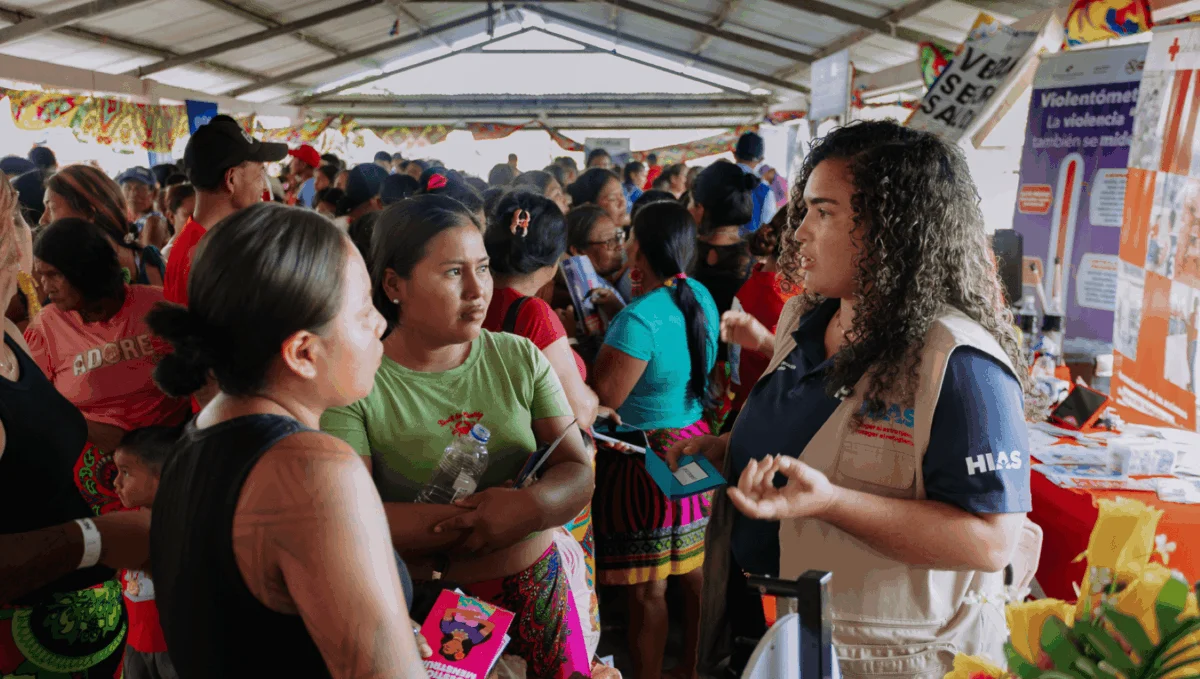
HIAS, an international Jewish humanitarian organization, has been actively working in Chad for over twenty years, providing critical support to refugees, internally displaced persons, and the host communities in the border regions. Their work encompasses a range of essential services, including protection, economic empowerment, and mental health support. As the demand for assistance grows daily, HIAS is striving to meet the evolving needs of a population facing a complex and protracted crisis.
The organization’s presence in Chad is particularly crucial given the current funding landscape. Recent reports highlight severe cuts to humanitarian funding from major international donors, including the United States and European nations. These reductions have created a critical gap in the provision of essential aid, leaving refugees in an increasingly precarious situation. The impact of these funding cuts is multifaceted, contributing to food shortages, increased susceptibility to disease outbreaks, and a heightened risk of exploitation and violence.
Resilience Amidst Hardship: Stories of Hope and Empowerment
Despite the overwhelming challenges, the spirit of resilience among Sudanese refugees in Chad is a powerful testament to their determination to survive and rebuild. HIAS Chad’s programs are playing a vital role in empowering individuals and families to reclaim their lives and build sustainable futures.
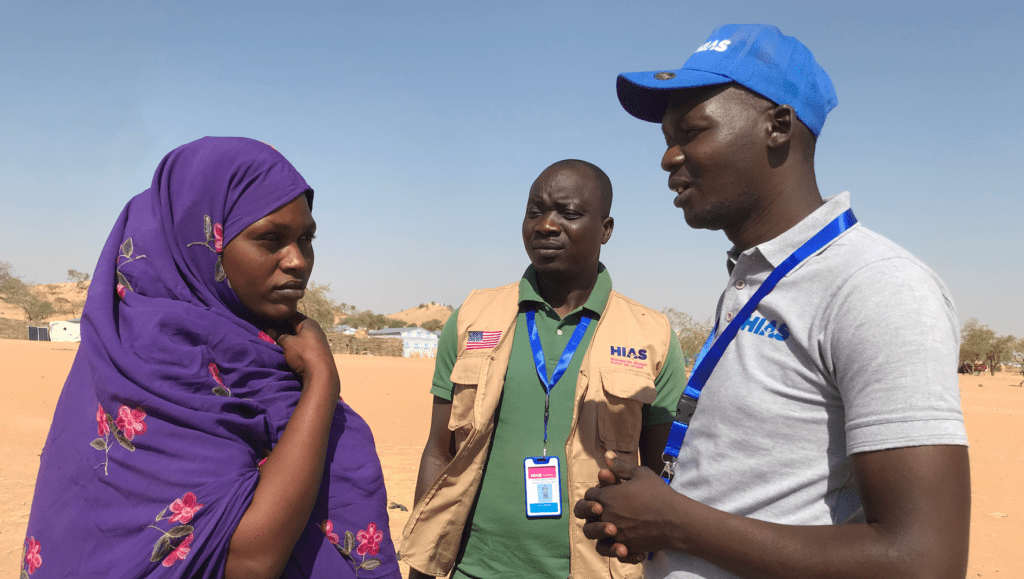
Fatna’s Journey from Perilous Livelihoods to Self-Sufficiency:
Fatna, a mother of eight residing in the Aboutenguém camp, embodies this spirit of resilience. Before connecting with HIAS, her life was a daily struggle for survival, fraught with danger. "Before, to feed my children, I sold bundles of firewood," Fatna recounted. "I had to walk for miles, sometimes far from the camp, exposing myself to attacks, harassment, and even the risk of rape. Every trip was dangerous, every day a source of worry."
With vital economic assistance from HIAS, generously funded by the German Federal Foreign Office (GFFO), Fatna was able to transition from her perilous firewood selling to a more secure and dignified livelihood. She established her own business cultivating and selling crops, a venture that has since expanded to include the sale of vegetables in three nearby camps. "I can now provide for my children without risking my life," Fatna shared, her voice filled with pride. "By saving some of the assistance I received, I was able to plant this season. The harvest was good, proof that my strategy is working, and I am very proud of it. My home is more stable, my children are eating better, and I have regained my dignity."
Beyond economic empowerment, HIAS also provides crucial protection services to Fatna and other women in her community. These services are designed to prevent violence against women and girls, a pervasive issue in displacement settings. "I am deeply grateful to HIAS for this assistance, but also for the regular follow-up and constant support," Fatna stated. "Today, I am ready to get more involved in my community, to raise awareness among other women and direct them to services." Fatna’s story is a powerful illustration of how targeted assistance can transform lives and foster community leadership.
Zam-Zam’s Decades-Long Struggle and Renewed Hope:
Zam-Zam’s journey is one of enduring hardship and eventual empowerment, spanning over two decades. She first arrived in Chad in 2004, fleeing the initial violence in Darfur, Sudan, a conflict that tragically claimed the life of her husband. Now a mother of six, including a daughter with a disability who faces mobility challenges, Zam-Zam’s responsibilities are immense.
"When I arrived at the Farchana camp in 2004, my situation was extremely difficult," Zam-Zam recalled. "I was mentally devastated, without the resources to provide for my children’s basic needs." With her meager savings, Zam-Zam managed to establish a small business selling goods at the camp market. Her life took a significant turn when she learned about HIAS from other refugee women in her community who had benefited from their services.
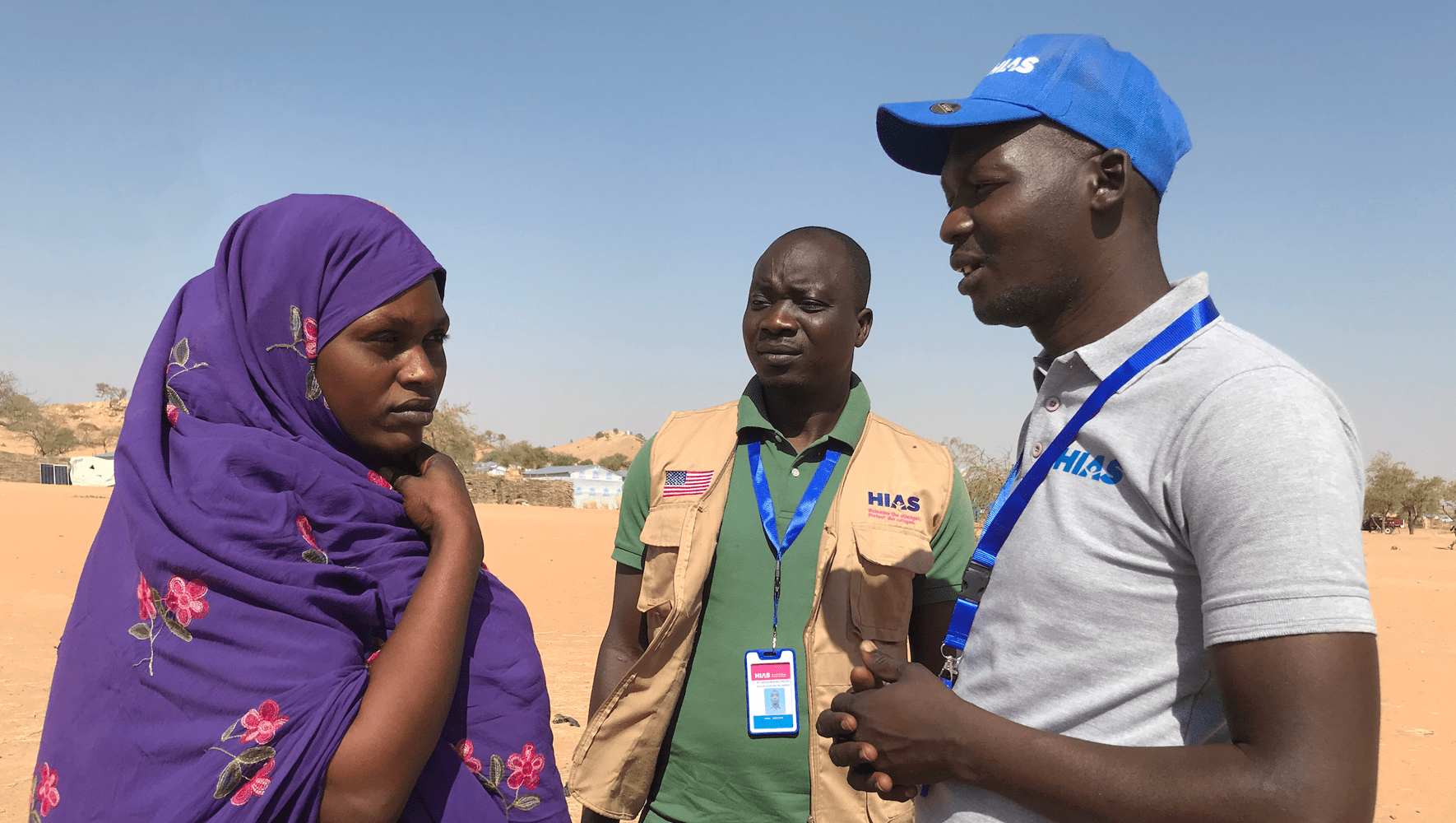
HIAS provided Zam-Zam with economic assistance, again funded by the GFFO, to expand her business. This support enabled her to travel more regularly between camps, diversify her product offerings, and stock up on essential dried foods for resale. "Since that day, my life has changed," Zam-Zam shared with gratitude. "Thanks to this business, I can provide for my children, who have enough to eat, [they can] attend school, and receive the basic healthcare they need. With my income [from my business], I can even support my relatives when they face social difficulties." Zam-Zam’s experience highlights the long-term impact of sustained support on refugee families, enabling them to achieve a level of stability and self-reliance.
The Broader Impact of Economic Empowerment and Protection
The successes of individuals like Fatna and Zam-Zam underscore a fundamental principle in humanitarian aid: that small amounts of economic assistance can yield significant dividends. By providing refugees with seed capital, vocational training, and financial literacy programs, organizations like HIAS enable them to earn sustainable incomes, which they then reinvest back into their communities. This approach not only fosters individual empowerment but also contributes to the broader economic development of refugee settlements and host communities.
Anitha Niyongir, HIAS Chad’s Protection Manager, emphasizes the interconnectedness of economic empowerment and protection. "For Sudanese refugees in Chad, economic empowerment and protection are inseparable," she stated. "When individuals, especially women and girls, have access to safe livelihoods and opportunities alongside protection services, they are better equipped to resist exploitation, reduce harmful coping mechanisms, and reclaim control over their lives." This holistic approach is crucial in addressing the multifaceted vulnerabilities faced by refugees, particularly in contexts where gender-based violence remains a significant concern.
A Call for Sustained Support and Increased Funding
The commitment of organizations like HIAS Chad to supporting refugees in their recovery from decades of brutal fighting in Sudan remains unwavering. However, the current scale of the crisis and the diminishing funding landscape present a formidable challenge.
"I am grateful to HIAS for its continued support of women and children in the community," Zam-Zam concluded. "We pray that more funding will be made available to continue supporting the most vulnerable." Her plea echoes the sentiments of countless refugees in Chad who rely on humanitarian assistance for their survival and for the chance to build a more secure future.
The ongoing displacement crisis in Sudan and its impact on neighboring countries like Chad demand sustained international attention and increased financial commitment. Without adequate funding, the progress made in empowering refugees and providing essential protection services is at risk, potentially leading to increased vulnerability and further humanitarian suffering. The international community’s response will be critical in determining the long-term outcomes for millions of displaced individuals seeking safety and dignity.
Timeline of Key Developments:
- April 2023: The civil war erupts in Sudan, triggering mass displacement.
- 2023-2026: Over three years, 14 million Sudanese are displaced internally and externally. Chad becomes a major host country.
- Ongoing: HIAS Chad provides vital humanitarian assistance, including economic empowerment and protection services, to refugees and displaced populations.
- Past Year: Significant cuts in U.S. and European humanitarian funding strain the aid system in Chad.
- January 18, 2025: HIAS Chad is actively working with Sudanese women who have survived violence in the Alacha camp, providing economic assistance and mental health care.
- June 10, 2024: HIAS staff are seen assisting Sudanese refugees in the Aboutenguém camp, highlighting ongoing field operations.
- January-December 2026: The Sudan Regional Refugee Response Plan is in effect, indicating the ongoing nature of the crisis and the need for continued support.
The situation in Chad, characterized by a burgeoning refugee population and dwindling financial resources, presents a stark reminder of the global challenges in responding to protracted displacement crises. The resilience of individuals like Fatna and Zam-Zam, coupled with the dedicated efforts of organizations like HIAS, offer glimmers of hope, but these efforts are critically dependent on robust and sustained international support.