On World Press Freedom Day, observed annually on May 3rd, the fundamental right to freedom of the press, recognized by the United Nations as indispensable to democracy and the rule of law, casts a starkly different light on Indigenous communities in Guatemala. These communities, often marginalized and underserved by governmental institutions, find their journalists operating under severe duress, largely without the shield of specific protective legislation. The recent tragic murder of Carlos Cal Ical, a journalist from the northern department of Cobán, in the final week of April 2026, has sent shockwaves through the journalistic fraternity, igniting urgent demands for justice and an end to impunity.
The gravity of the situation for journalists in Guatemala has been meticulously documented by human rights organizations. A 2026 report by Human Rights Watch underscored the critical challenges, detailing that 19 journalists are currently in exile and over 4,000 incidents targeting human rights defenders and media workers were recorded in 2024 alone. Further compounding these concerns, a report released in August 2025 by Reporters Without Borders highlighted that journalists who investigate sensitive issues such as extractive projects and forced evictions face elevated risks.
Within these often remote Indigenous communities, where the reach of mainstream media is limited, community radio stations have emerged as vital lifelines for information dissemination and civic engagement. Lorenzo Mateo, affectionately known as "Lencho" among social activists and a founding member of Radio Jolom Konob, a community radio station based in Santa Eulalia, Huehuetenango, emphasizes this crucial role. "In these communities, the lack of local and regional news coverage makes community radio the true voice of the people," Mateo stated. Radio Jolom Konob began broadcasting in 1998, a mere two years after the signing of the Peace Accords in Guatemala, signifying its inception within a period of nascent democratic rebuilding.
From its outset, Radio Jolom Konob has been dedicated to broadcasting news and content that champions human rights and the rights of Indigenous Peoples. Mateo recalls the late 1990s as a period when mining and hydroelectric projects began to proliferate across various municipalities in Huehuetenango. During this time, the Guatemalan state largely neglected its obligation to consult with communities and obtain their Free, Prior, and Informed Consent (FPIC) regarding these development initiatives. This oversight ignited a spectrum of reactions, fostering both support and opposition to the projects within the affected populations. In response, organized communities began to assert their rights, demanding that the government respect their ancestral claims and adhere to the principles of FPIC.
Community radio stations, like Radio Jolom Konob, played an instrumental role in this unfolding situation. They provided extensive coverage of consultation proceedings, educated the populace on their Indigenous rights, and reported on the ultimate outcomes of these vital dialogues. In Santa Eulalia, the community’s collective decision was a resounding "NO" to the installation of extractive projects. However, this decision was not without its challenges. Companies, unwilling to accept the community’s verdict, launched a concerted disinformation campaign through commercial radio stations, creating divisions and sowing confusion among certain segments of the population.
The Shadow of Reprisal: Risks Inherent in Community Journalism
The inherent risks associated with community journalism in Guatemala are palpable, as highlighted by Noé Ismalej, a communicator for Uqul Tinamit, an Indigenous community radio station operating in northern Guatemala. "In these communities, being a journalist isn’t easy; everyone knows you—they know where you live and which family you come from. If you publish something, people say… ‘So-and-so published that,’" Ismalej explained. He underscored the stark reality: "As of now, there is no law in place to protect our journalistic work."

Concepción Ajanel, affiliated with the community radio station La Niña, echoed this sentiment, further pointing out a critical systemic failure: "The State has not authorized radio frequencies for Indigenous community broadcasters, thereby increasing the vulnerability of these communicators." This lack of official recognition and legal framework leaves community broadcasters operating in a precarious legal vacuum, susceptible to harassment and intimidation without adequate recourse.
The landscape of media in Guatemala is further complicated by the limited scope of commercial radio. "In these communities, commercial radio stations don’t provide news; they merely entertain the audience with music," Lencho observed. "Those that ‘do’ broadcast news rely on reports produced in the city, thereby diminishing interest in what is actually happening within the communities—even when those local events are of high significance." This disparity creates a significant information deficit, leaving community members reliant on independent sources for news that directly impacts their lives.
A Chronicle of Resistance and Resilience
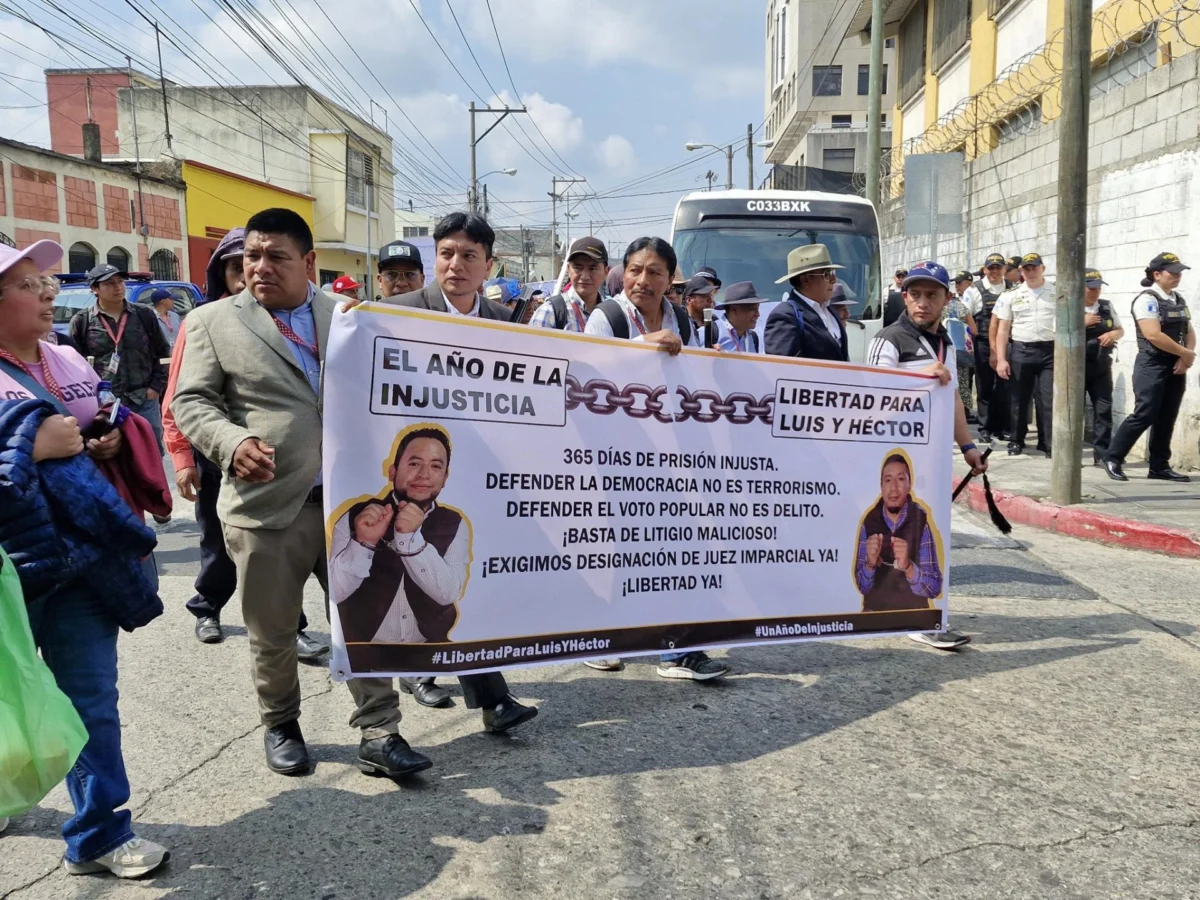
The 2023 elections in Guatemala brought to the forefront the crucial role of community media in defending democratic processes. When the authorities of the 48 Cantons of Totonicapán staged a sit-in outside the Public Prosecutor’s Office in the capital city, protesting the seizure of election records and ballots, the nation watched. This demonstration, which garnered widespread public support and extended for over three months across various locations, was meticulously covered by community radio stations. La Niña, for instance, deployed two correspondents to the capital to provide daily updates to the people of Totonicapán.
However, this commitment to reporting came at a personal cost. "Since then, we have received numerous threatening phone calls and anonymous messages accusing us of being corrupt and ‘bought off’ by the government—all simply for reporting on the injustices perpetrated by the ‘Pact of the Corrupt,’" stated Ajanel, referring to alleged networks of corruption within the political establishment.
The dangers faced by these journalists are not merely verbal. Ismalej recounted a harrowing incident: "On one occasion, a government official—ostensibly as a ‘joke’—tried to run me over with his vehicle, because just days earlier I had published a report regarding the lack of potable water service in the municipality." He opted not to file a formal complaint, citing a grim precedent: "There are precedents involving journalists in other departments who presented their cases to judicial authorities—cases that failed to advance, were shelved or dismissed, or in which the complaint was turned back against the journalists themselves—due to possible connections between public officials and members of the judiciary." This chilling testament highlights a systemic issue of judicial impunity and the potential for the very institutions meant to provide justice to be co-opted.
The history of Radio Jolom Konob is also marked by direct confrontation. "In 2015, the municipal mayor shut down our community radio station, Jolom Konob, with the specific aim of preventing us from reporting on a crime he had committed," Lencho recalled. The station utilized social media to alert the public about its closure and the mayor’s alleged transgressions, forcing some members to seek refuge in the mountains for safety. A particularly devastating event for the station was the kidnapping and murder of Daniel Pedro, a fellow communicator and community leader who played a pivotal role in organizing the 2006 community consultation in Santa Eulalia. While the individual who carried out the murder has been convicted, the masterminds behind the crime have yet to face legal consequences, underscoring the persistent challenge of holding those in power accountable.
The Unfulfilled Promise of Protection
A recurring theme in the experiences of Indigenous journalists in Guatemala is the profound lack of legal protection. The current government, like its predecessors, has yet to establish a robust mechanism to safeguard journalists, particularly those from Indigenous communities. These communicators are exceptionally vulnerable, often operating in regions where state institutions are either minimal in presence or entirely absent.
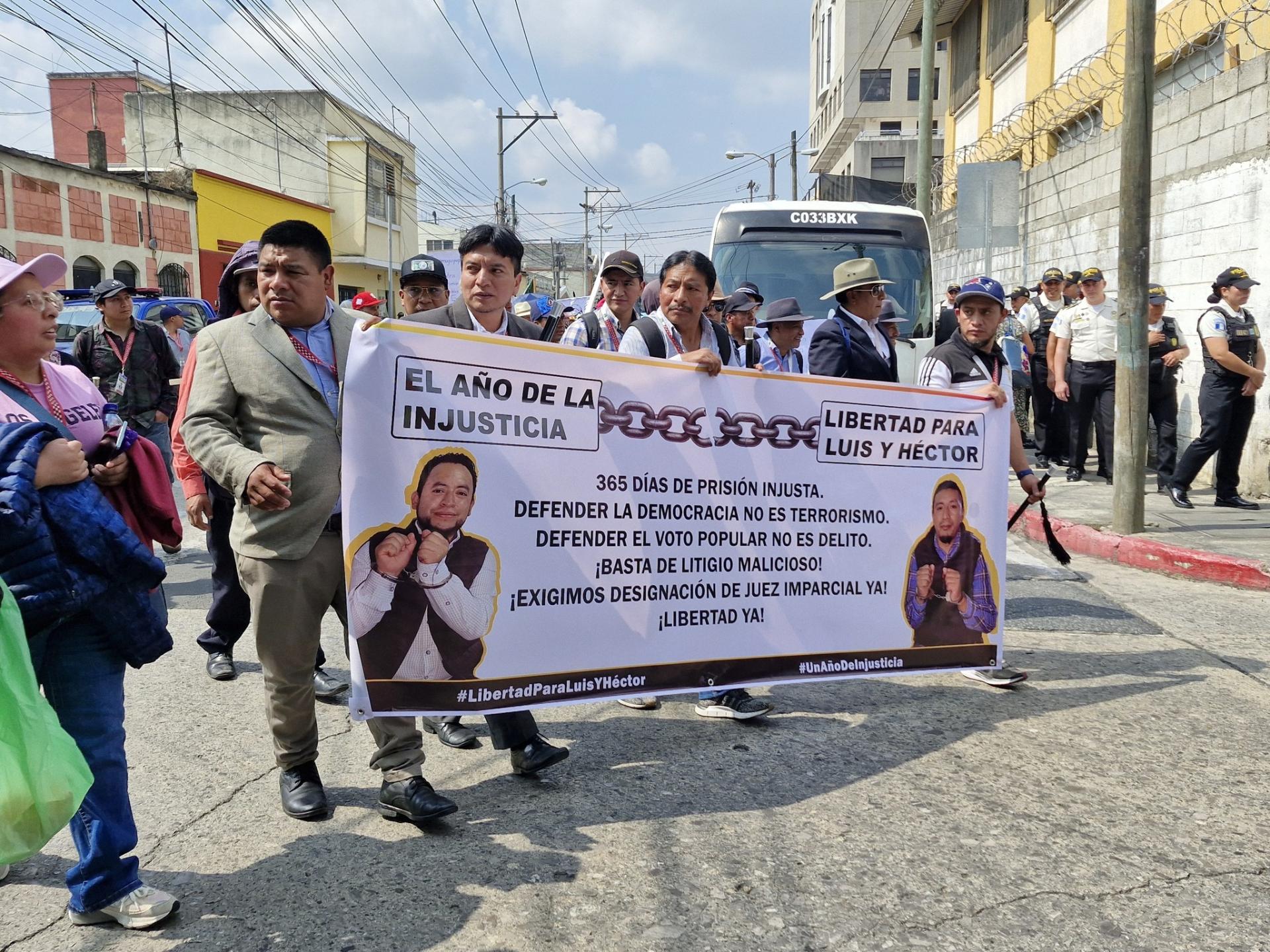
A report submitted by the Office of the Human Rights Ombudsman during the 2022 Universal Periodic Review highlighted the State’s failure to uphold its international commitments. Since 2012, Guatemala has pledged to implement a protection program for journalists, a promise that remains unfulfilled. This inaction creates an environment where threats and defamation can proliferate with impunity.
Laura Ajcalón of Radio Juventud, a community radio station in Sololá, who formerly coordinated "Ix," a news program focused on women’s participation and other social issues, noted the evolving tactics of those seeking to silence dissent. "Threats and defamation targeting communicators are frequent; moreover, ‘netcenters’ and fake social media profiles now serve to amplify disinformation or discredit journalists."
The discrimination faced by Indigenous women in media is also a significant concern. Ajcalón shared her experiences: "In our experience, whenever we attempted to cover a press conference, we were sometimes denied access—either because we were Indigenous women, because we lacked a press credential from a corporate media outlet, or simply because we represented an Indigenous community radio station—actions that served to disparage our work." She lamented the lack of a reliable avenue for redress: "We have nowhere to report these actions, which constitute violations of the right to information and freedom of expression. Although the Public Prosecutor’s Office is the designated investigative body, we cannot turn to it for help, as it is the very institution that criminalizes Indigenous community radio stations."
The Movement of Community Radio Stations of Guatemala has persistently brought these incidents to the attention of national and international bodies. During a November 2025 evaluation by the Committee against Discrimination and Racism, experts urged Guatemala to provide updated information on measures to guarantee freedom of expression for Indigenous peoples and to adopt a legal framework for community media, aligning with a December 17, 2021, judgment by the Inter-American Court of Human Rights. They also sought details on actions taken to protect journalists, human rights defenders, and leaders from Indigenous and Afro-descendant communities. To date, the Guatemalan government has not provided a substantive response.
The Unwavering Commitment to Truth
Despite the immense risks, the dedication of Indigenous journalists to their communities remains unwavering. "Even if I risk my life, I cannot stop reporting to my community; it runs in my blood," emphasized Lencho. Concepción Ajanel echoed this resolve, stating, "We see how justice institutions are criminalizing human rights activists who raise their voices. We cannot remain silent in the face of this injustice; we must report using accurate sources." For Ajcalón, the practice of journalism is more than a profession; it is a calling. "…it demands a clear vision—that we are working for our community—for we are the spokespersons for our peoples, and this is what sets us apart from other media outlets. We tell the news exactly as it is."
Noé Ismalej highlighted the critical need for greater understanding and respect from public officials. "It is essential that public officials receive training regarding the role of community communicators so that they do not view us as enemies, and so they understand that we merely serve as a conduit for conveying information and that [our function is] to serve the community." He added, "If they are mentioned in any publication, they have the right of reply, which allows them to clarify or offer their perspective on what is taking place. They should no longer view [journalists] as enemies."
The pursuit of truth and the empowerment of communities are driven by a deep well of knowledge and a commitment to education. "We are knowledgeable about people’s rights—as well as our own rights—thanks to the training we have received from human rights organizations," Ajanel concluded. Possessing a bachelor’s degree in Communication Sciences, he understands the profound responsibility that comes with conveying truth, uncensored, and importantly, in the Maya K’iche’ language, ensuring that vital information reaches and resonates with his community in their own voice.