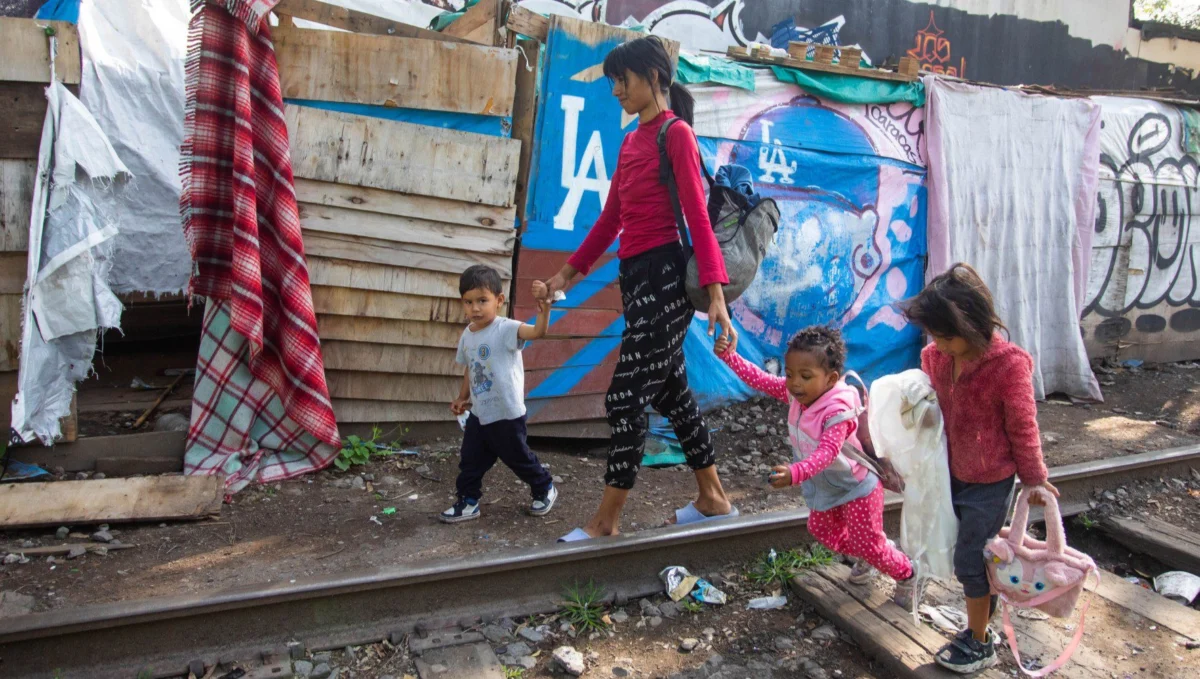
Protecting the safety and rights of refugees is not merely an act of compassion; it is a deeply entrenched legal obligation and a cornerstone of international humanitarian law. This principle, forged in the crucible of 20th-century conflicts, continues to face challenges in the 21st century, as nations grapple with the complexities of displacement and the evolving geopolitical landscape. This in-depth examination explores the legal framework that underpins refugee protection, its historical evolution, and the ongoing efforts to ensure its adherence, particularly within the United States.
The Genesis of International Refugee Law
The concept of providing sanctuary to those fleeing persecution is ancient, but the modern international legal framework for refugee protection emerged directly from the ashes of World War II and the Holocaust. The immense scale of displacement and the systematic persecution witnessed during that era underscored the urgent need for a universal agreement to codify the responsibilities of states towards those forced to flee their homelands.
The pivotal document in this regard is the 1951 Convention Relating to the Status of Refugees, supplemented by its 1967 Protocol. This landmark agreement established the first universally recognized definition of a "refugee," encompassing individuals who, owing to a well-founded fear of being persecuted for reasons of race, religion, nationality, membership of a particular social group or political opinion, are outside the country of their nationality and are unable or, owing to such fear, are unwilling to avail themselves of the protection of that country.
Central to the Convention are two fundamental principles:
- Non-refoulement: This absolute prohibition dictates that no refugee shall be returned to a territory where their life or freedom would be threatened on account of their race, religion, nationality, membership in a particular social group, or political opinion. This principle is considered a cornerstone of international refugee law and is binding on all states, regardless of whether they are signatories to the Convention.
- Right to Seek Protection: The Convention affirms the right of individuals to seek asylum in another country when fleeing persecution.
Beyond these core tenets, the Convention outlines a series of minimum standards for the treatment of refugees, ensuring their access to essential services and rights. These include access to courts, the right to work, education, and public relief. Crucially, the Convention also mandates that refugees be treated without discrimination, irrespective of their origin or status. The 1967 Protocol expanded the geographical scope of the 1951 Convention, removing the temporal and geographical limitations that had previously restricted its application to those fleeing events occurring in Europe before 1951.
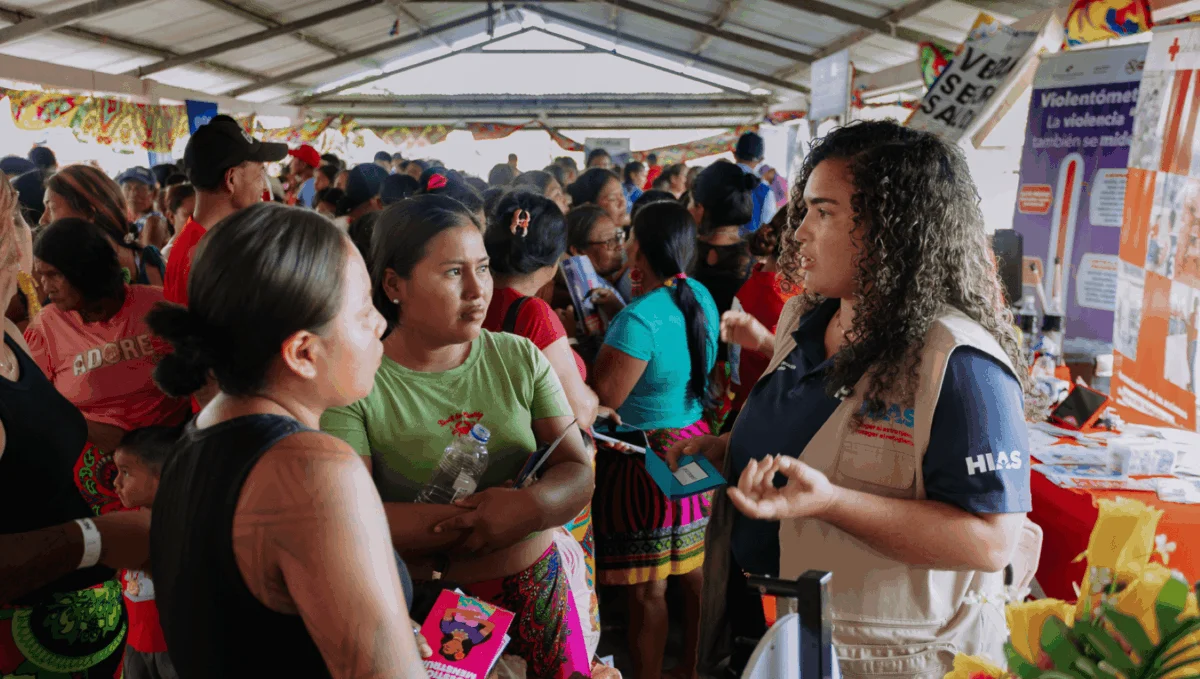
Today, the United Nations High Commissioner for Refugees (UNHCR) serves as the principal international body tasked with coordinating global efforts for refugee protection and assistance. Organizations like HIAS (formerly the Hebrew Immigrant Aid Society) work in close collaboration with UNHCR, advocating for refugee rights and providing essential services to displaced populations worldwide, ensuring a coordinated and consistent approach to their support.
The United States’ Legal Obligations to Refugees and Asylum Seekers
Within the United States, the legal framework for refugee protection and asylum is primarily enshrined in the Immigration and Nationality Act (INA). Initially enacted in 1965, the INA has undergone significant amendments to align U.S. law with international refugee norms. A pivotal moment in this alignment was the passage of the Refugee Act of 1980.
The Refugee Act of 1980 amended the INA to:
- Incorporate International Standards: It officially incorporated the definition of a refugee as established by the 1951 Convention and its 1967 Protocol into U.S. law.
- Establish the U.S. Refugee Admissions Program (USRAP): This program created a systematic and formalized process for admitting refugees from abroad into the United States. USRAP involves rigorous security, health, and background checks, ensuring that only individuals meeting specific criteria are resettled.
- Formalize Asylum Procedures: The Act established clear procedures for individuals present in the U.S. or at its borders to apply for asylum. This right allows individuals to present evidence and testimony demonstrating a well-founded fear of persecution in their home country based on protected grounds.
- Facilitate Integration: The Act also provided a pathway for resettled refugees to eventually become lawful permanent residents and subsequently U.S. citizens, enabling them to fully integrate into American society.
Under the provisions of the INA and the Refugee Act, resettled refugees in the U.S. are granted rights that include the ability to work, access public education for their children, and apply for permanent residency after one year of arrival. They also have the right to petition for their immediate family members to join them in the U.S., a process known as family reunification. These legal provisions reflect a long-standing American commitment to humanitarian principles and providing refuge to those fleeing persecution.

The Erosion of Refugee Rights: A Timeline of Challenges
While the United States has historically been a leader in refugee protection, recent years have witnessed a significant and concerning erosion of these established rights and legal obligations. This shift has been particularly pronounced during periods of heightened political tension and evolving immigration policies.
Early 21st Century: For decades, the U.S. consistently upheld its commitments to refugees and asylum seekers, processing thousands of individuals annually through USRAP and adjudicating asylum claims. Organizations like HIAS played a crucial role in resettlement, providing vital services to help refugees rebuild their lives.
January 2025: The Trump Administration’s "Second Term" and Immediate Impact
Upon the commencement of what is referred to as President Trump’s second term, an immediate and aggressive assault on refugee rights was initiated. This marked a stark departure from previous administrations’ policies and a direct challenge to established legal and humanitarian norms.
- Suspension of USRAP: Within days of taking office, the Trump administration announced the suspension of the U.S. Refugee Admissions Program (USRAP). This action left thousands of refugees in limbo, stranded in transit or awaiting resettlement, with no clear indication of when or if they would be allowed to enter the United States. This move directly contradicted the U.S.’s international commitment to provide refuge.
- Record Low Refugee Ceilings: The administration subsequently set the lowest refugee admissions ceiling in U.S. history. This drastic reduction signaled a significant scaling back of the nation’s commitment to offering sanctuary.
- Re-vetting of Approved Cases: In a move that instilled widespread fear among already resettled refugees, the administration announced plans to re-examine and potentially revoke previously approved refugee cases. This policy threatened the stability and security of thousands of individuals and families who had begun to rebuild their lives in the U.S., often facing significant trauma and hardship in their countries of origin.
Mid-2025 Onward: Escalating Policies and Legal Challenges
The administration’s efforts to curtail refugee access and asylum rights continued with increasing intensity.
- Asylum Restrictions: The border was effectively closed to asylum seekers through a series of executive actions and policy changes. These measures made it exceedingly difficult, if not impossible, for individuals fleeing violence and persecution to present their claims for asylum at U.S. ports of entry or within the United States. Many previously filed asylum cases were effectively frozen or denied due process.
- Legal Battles: HIAS, alongside other advocacy groups, launched multiple legal challenges against the administration’s policies. These lawsuits aimed to halt what were seen as unlawful and inhumane restrictions on asylum and refugee rights. In some instances, these legal interventions proved successful, allowing certain refugee families to begin their resettlement process in the U.S.
- Heightened Immigration Enforcement: The administration implemented a widespread and aggressive mass deportation program. This involved high-profile raids on homes and workplaces, leading to the removal of individuals, including U.S. citizens and lawful permanent residents in some instances. The program also included "third-country deportations," sending individuals to countries where they faced significant danger and potential persecution, a direct violation of the principle of non-refoulement.
May 18, 2026: Ongoing Advocacy and the Fight for Legal Obligations
As of May 18, 2026, the legal and humanitarian implications of these policies remain a significant concern. The U.S. government, by actively undermining established refugee and asylum laws, has forsaken its legal obligations. HIAS continues its advocacy efforts, working to ensure that all refugees and asylum seekers are protected under both U.S. and international law. The organization provides direct legal and social services to thousands of asylum seekers and displaced individuals, often relying on a network of pro bono partners to meet the overwhelming need.
Broader Impact and Implications
The systematic dismantling of refugee protection mechanisms by the U.S. government carries profound implications, both domestically and internationally.
- Undermining International Norms: When a nation with a historical commitment to humanitarian values significantly weakens its refugee protection framework, it sets a dangerous precedent for other countries. This can embolden nations with less robust human rights records to further restrict access to safety for those in need.
- Humanitarian Crisis: The inability of individuals fleeing war, torture, and persecution to access asylum and resettlement contributes to a growing global humanitarian crisis. Millions remain displaced, facing precarious living conditions and ongoing threats to their lives and well-being.
- Erosion of Trust: The U.S.’s actions have eroded trust among international partners and refugee communities, who have come to rely on the nation as a beacon of hope and a protector of fundamental rights.
- Economic and Social Integration: While the article highlights the legal rights of refugees, the actual process of integration is complex. Restrictive policies not only impede entry but can also hinder the ability of refugees to contribute economically and socially to their new communities once they do arrive, creating long-term challenges for both refugees and host societies.
- The Moral Imperative: Beyond legal obligations, the treatment of refugees reflects a nation’s moral compass. The deliberate weakening of protections for the most vulnerable calls into question core values of compassion, empathy, and the inherent dignity of every human being.
The events of recent years, particularly the policies enacted during the period referred to as the Trump administration’s second term, highlight the fragility of refugee rights. Despite these challenges, organizations like HIAS remain steadfast in their commitment to advocating for the rights of those fleeing violence and persecution. The fight to ensure that governments honor their legal obligations to refugees and asylum seekers is more critical than ever, demanding sustained vigilance and action from individuals, organizations, and the international community.
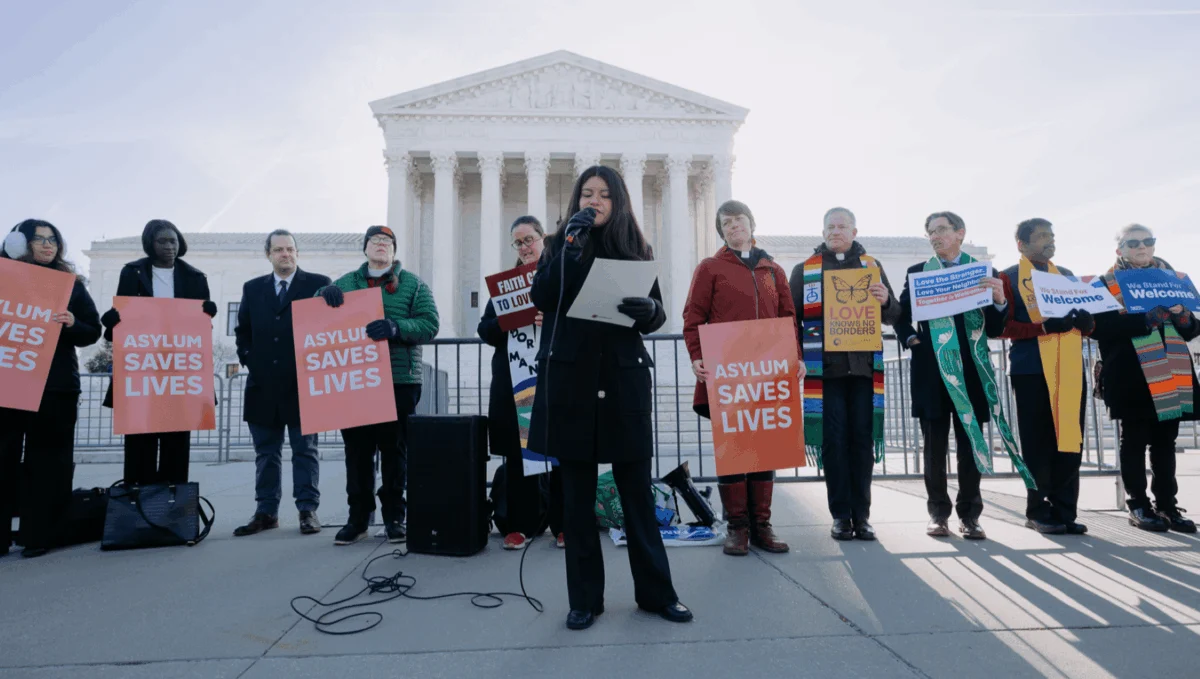
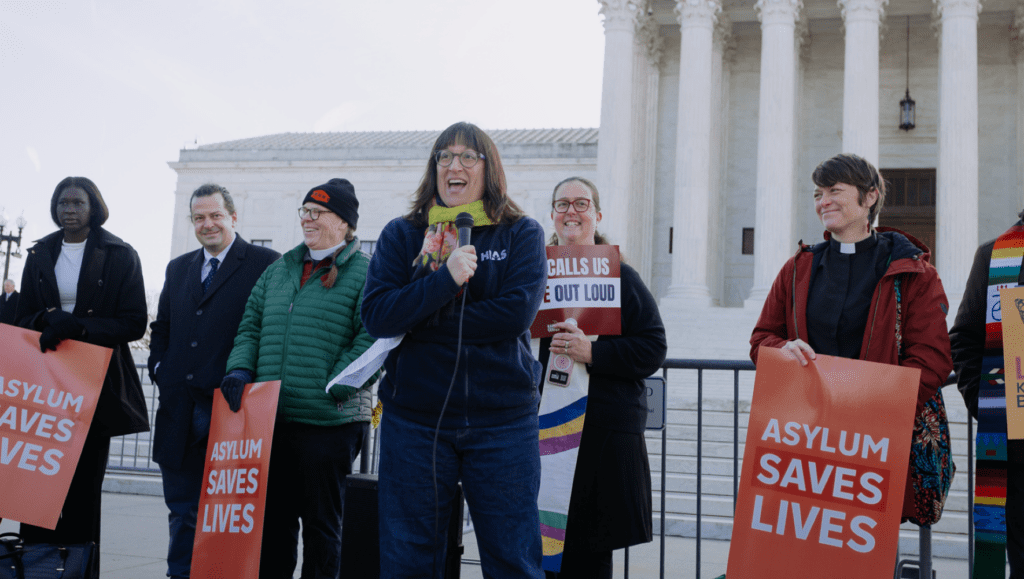
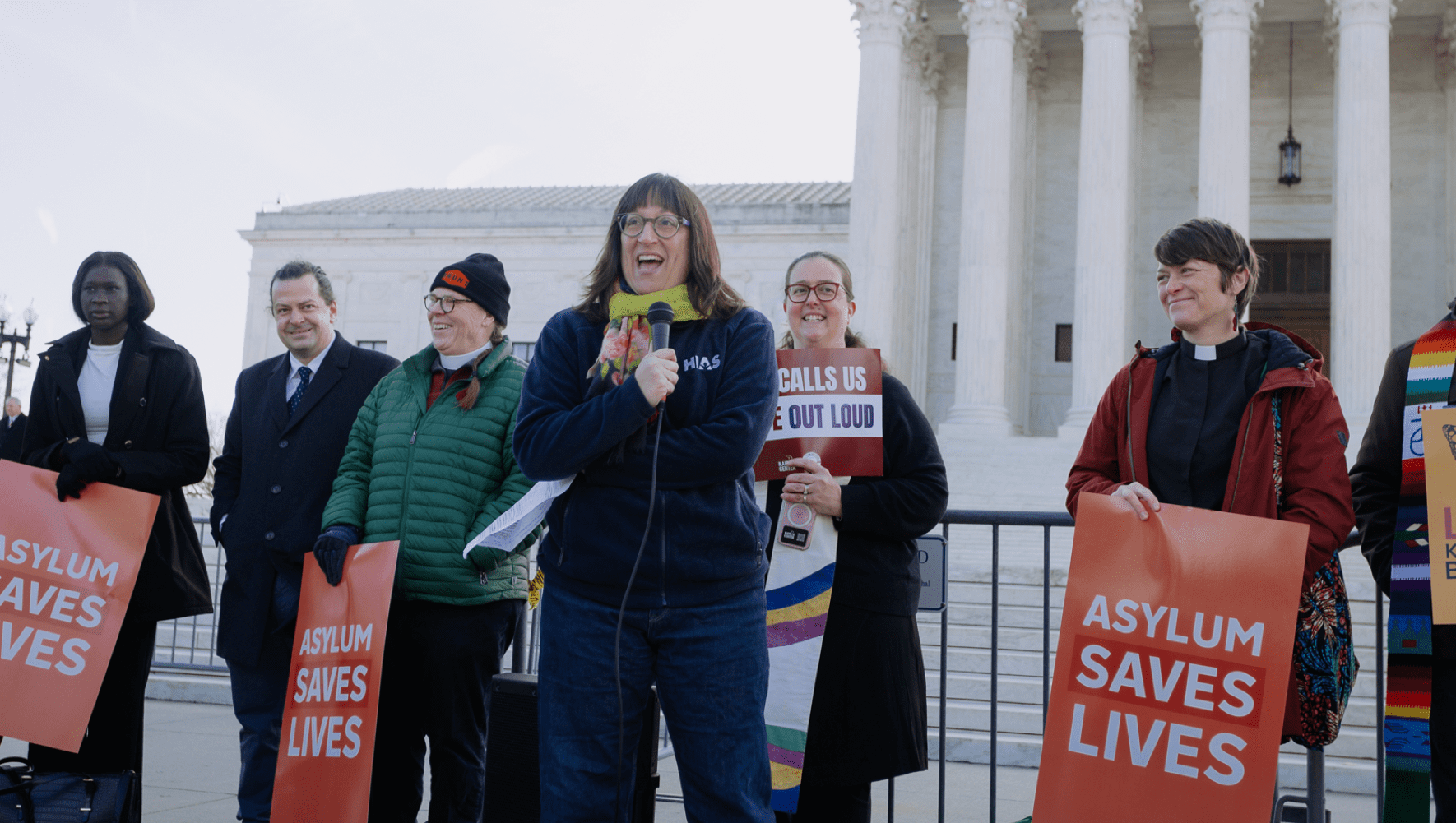
The Supreme Court’s upcoming decision in cases like Mullin v. Al Otro Lado further underscores the ongoing legal battles surrounding asylum at the U.S.-Mexico border. These cases will determine whether individuals fleeing violence and persecution can continue to seek asylum, a right enshrined in U.S. law and international conventions. The outcome of these legal proceedings will have a significant impact on the future of asylum in the United States and the ability of vulnerable populations to find safety and protection.
The ongoing efforts to defend refugee rights are not merely about legal statutes; they are about upholding the fundamental humanity that connects us all. The enduring principles of non-refoulement and the right to seek protection remain vital safeguards for millions worldwide, and their defense requires a collective commitment to justice and compassion.