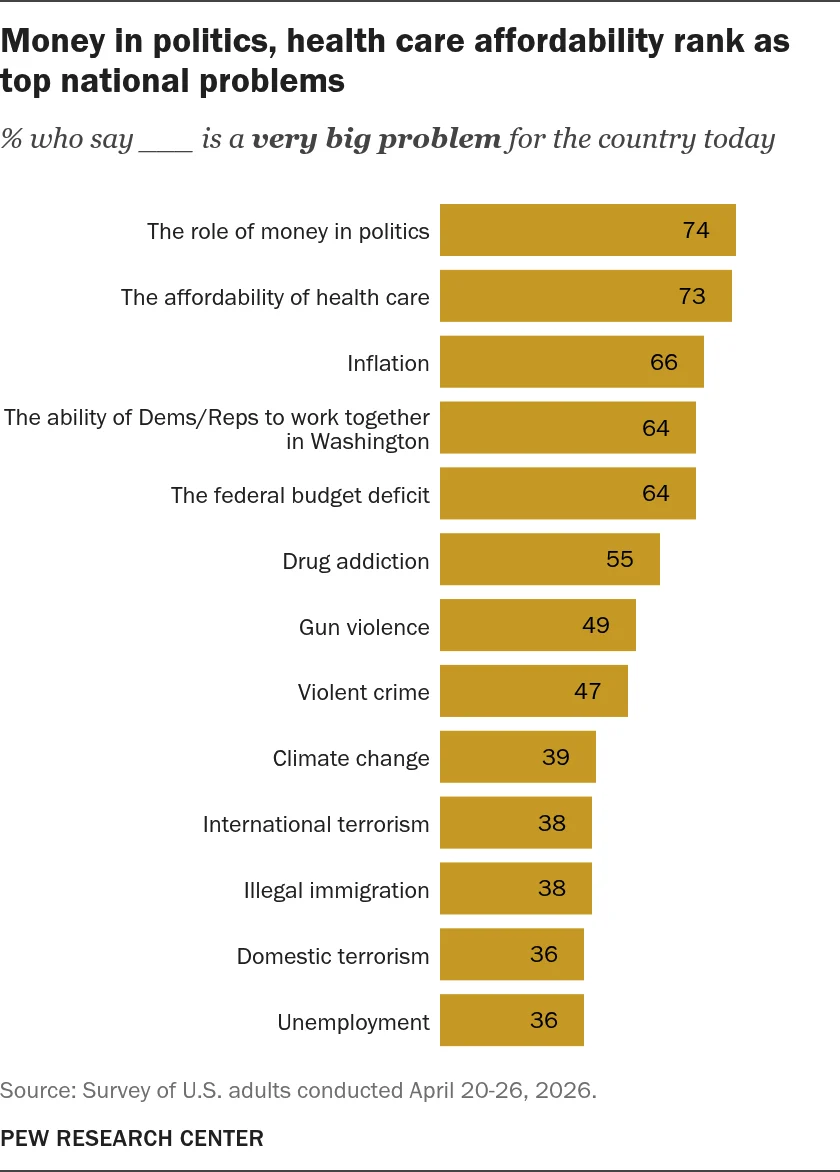
A comprehensive survey of U.S. adults conducted by the Pew Research Center in April 2026 reveals that the affordability of healthcare, the federal budget deficit, and inflation are perceived as the most significant challenges confronting the nation. The findings indicate a sustained public concern over these economic and social issues, with a majority of Americans identifying them as "very big problems."

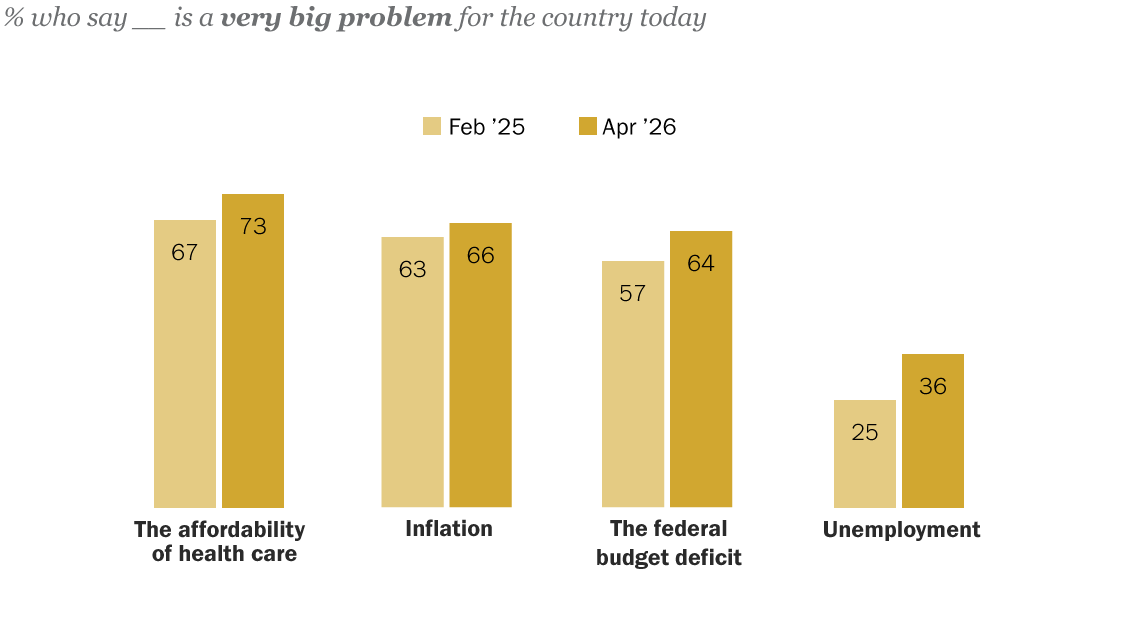
The survey, which polled a representative sample of U.S. adults from April 20th to April 26th, 2026, shows that 73% of respondents view the affordability of healthcare as a major issue. This marks a notable increase from previous years, underscoring a growing anxiety surrounding access to and cost of medical services. Following closely, 66% of Americans identified inflation as a "very big problem," while 64% pointed to the federal budget deficit as a significant national concern.
These economic anxieties are not isolated incidents but represent a persistent trend in American public opinion. The data suggests a deepening unease about the nation’s financial stability and the rising costs associated with essential services.
Shifting Perceptions of National Challenges
The Pew Research Center’s latest data builds upon years of tracking public sentiment on various national issues. Examining the trends over time provides critical context for understanding the current landscape of public concern.
Healthcare Affordability: A Growing Crisis
The affordability of healthcare has consistently been a top concern, but its prominence has been particularly acute in recent surveys. In April 2026, 73% of Americans rated it as a "very big problem." This figure represents a significant jump from 57% in May 2024 and 55% in May 2022. This escalating concern may be linked to ongoing debates about healthcare policy, rising insurance premiums, and the cost of prescription drugs. Data from the U.S. Department of Health and Human Services has indicated a steady increase in healthcare expenditure per capita over the past decade, a trend that likely contributes to public apprehension.
Inflation’s Enduring Impact
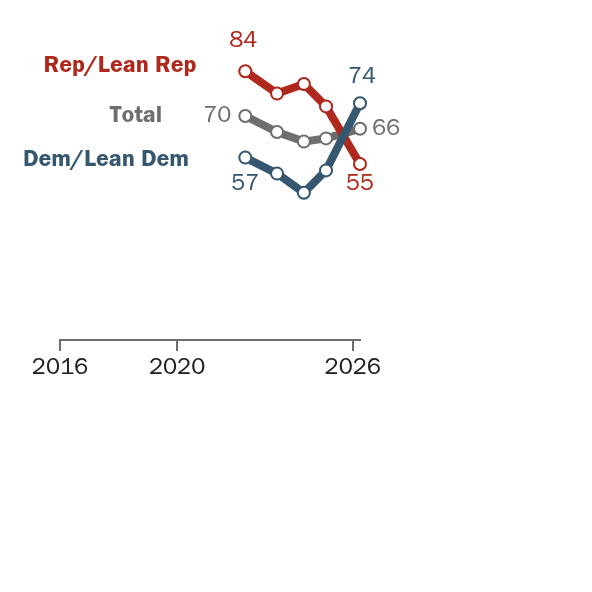
Inflation has also been a recurring concern, fluctuating in intensity but remaining a persistent worry. In April 2026, 66% of Americans deemed it a significant problem. This is a slight decrease from its peak of 70% in May 2022, during a period of heightened price increases. However, the sustained high percentage indicates that the lingering effects of past inflation and ongoing price pressures continue to affect household budgets. The Consumer Price Index (CPI) data from the Bureau of Labor Statistics shows a moderate but consistent upward trend in recent quarters, reinforcing the public’s perception of inflation as a major issue.
The Federal Budget Deficit: A Persistent Shadow
The federal budget deficit has been a point of concern for a substantial portion of the population for years. In April 2026, 64% of Americans identified it as a "very big problem." While this percentage has seen some fluctuations, it has remained consistently above 50% since at least 2018, with notable peaks during periods of economic uncertainty or significant government spending. The Congressional Budget Office (CBO) has projected continued growth in the national debt, a factor that likely fuels public apprehension.
Partisan Divides and Consensus
While these issues are broadly concerning, the survey also highlights partisan differences in how these problems are perceived.
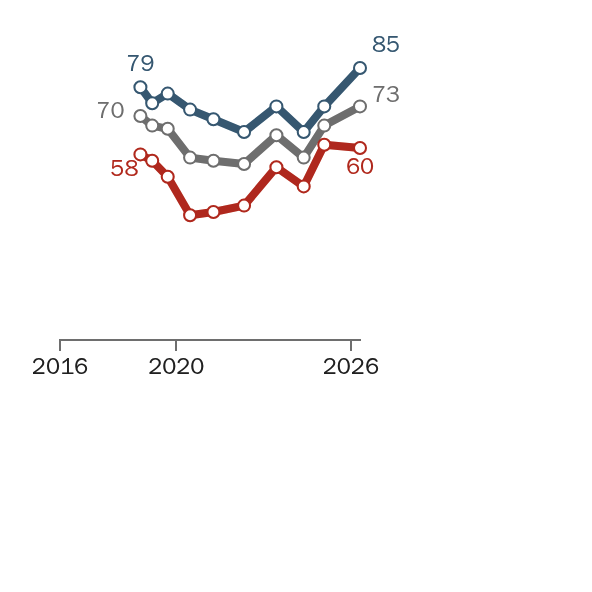
- Healthcare Affordability: Democrats and those leaning Democratic show a consistently higher level of concern regarding healthcare affordability compared to Republicans and those leaning Republican. In April 2026, 85% of Democrats viewed it as a very big problem, compared to 60% of Republicans. This aligns with historical trends where Democrats have typically prioritized access to affordable healthcare more strongly.
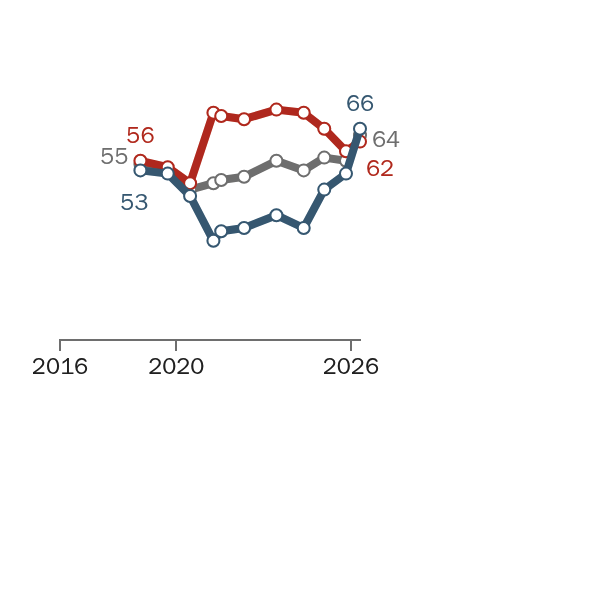
- Inflation: Republicans and Republican-leaners have shown a stronger tendency to identify inflation as a major problem, particularly in recent years. In April 2026, 55% of Republicans viewed inflation as a very big problem, compared to 74% of Democrats. This reflects differing economic priorities and potentially different impacts of inflation on various demographic and economic groups.
- Federal Budget Deficit: Concerns about the federal budget deficit are more pronounced among Republicans. In April 2026, 62% of Republicans considered it a very big problem, while 66% of Democrats also expressed this concern. However, the intensity of concern has varied, with Republicans often expressing greater alarm about fiscal imbalances.
Despite these partisan differences, the sheer percentage of Americans across the political spectrum identifying these issues as significant underscores their broad impact on the national psyche.
Other Pressing Concerns
Beyond the top three economic concerns, several other issues continue to occupy the minds of Americans:
- The Role of Money in Politics: A substantial 74% of Americans believe the role of money in politics is a "very big problem," with similar levels of concern expressed by both Democrats (79%) and Republicans (70%). This indicates a widespread dissatisfaction with the influence of money in the political process, regardless of party affiliation.
- The Ability of Democrats and Republicans to Work Together: 64% of Americans view the lack of bipartisan cooperation as a major problem. This sentiment is shared by both Democrats (69%) and Republicans (60%), reflecting a general frustration with political polarization and gridlock.
- Drug Addiction: 55% of Americans consider drug addiction a significant national problem. While concern levels have fluctuated, this issue remains a persistent worry, with Republicans (62%) showing slightly higher concern than Democrats (48%) in the latest survey.
- Gun Violence: 49% of Americans identified gun violence as a "very big problem." This issue elicits a stark partisan divide, with Democrats (68%) expressing far greater concern than Republicans (27%). This reflects the ongoing, deeply entrenched debate surrounding gun control and Second Amendment rights.
- Violent Crime: 47% of Americans view violent crime as a major issue. Similar to gun violence, this concern also shows partisan differences, with Republicans (55%) expressing more concern than Democrats (38%). This perception may be influenced by media coverage and localized crime rates.
- Climate Change: 39% of Americans consider climate change a "very big problem." This issue demonstrates a significant partisan divide, with Democrats (63%) far more concerned than Republicans (14%). This divergence highlights differing scientific literacy, political priorities, and economic considerations.
- International and Domestic Terrorism: Concerns about terrorism, both international and domestic, have receded from their peaks in the early 2000s but remain significant for a portion of the population. In April 2026, 38% viewed international terrorism as a major problem, and 36% felt the same about domestic terrorism. Republicans tend to express higher concern about both forms of terrorism.
- Illegal Immigration: 38% of Americans identified illegal immigration as a "very big problem." This issue consistently sparks strong partisan opinions, with Republicans (60%) showing significantly higher concern than Democrats (17%). This reflects differing perspectives on border security, economic impacts, and humanitarian considerations.
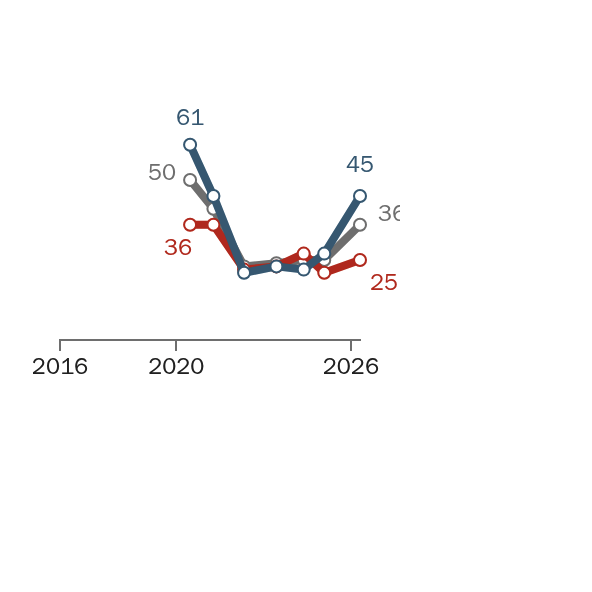
- Unemployment: While historically a major concern, unemployment has seen a relative decline in public perception as a top problem, with 36% identifying it as a "very big problem" in April 2026. This is a significant decrease from the 50% recorded in June 2020, during the early stages of the COVID-19 pandemic. The current low unemployment rate, as indicated by recent Bureau of Labor Statistics data, likely contributes to this shift in public focus.
Implications and Future Outlook
The persistent prominence of healthcare costs, inflation, and the budget deficit as major national concerns suggests that these issues will continue to be central to political discourse and policy debates. The data indicates a public that is increasingly sensitive to economic stability and the rising cost of living.
The widening partisan gaps on issues like gun violence, climate change, and immigration highlight the deep ideological divisions within the American electorate. These divides can pose significant challenges for policymakers seeking to find common ground and implement effective solutions.
The high level of concern regarding the role of money in politics and the ability of lawmakers to work together suggests a public that is disillusioned with the current political system. This sentiment could fuel calls for reform and potentially influence voter engagement in future elections.

As the nation navigates these complex challenges, the Pew Research Center’s ongoing surveys will continue to provide valuable insights into the evolving priorities and concerns of the American public. Understanding these perceptions is crucial for informed policymaking and for addressing the multifaceted issues that shape the nation’s future.