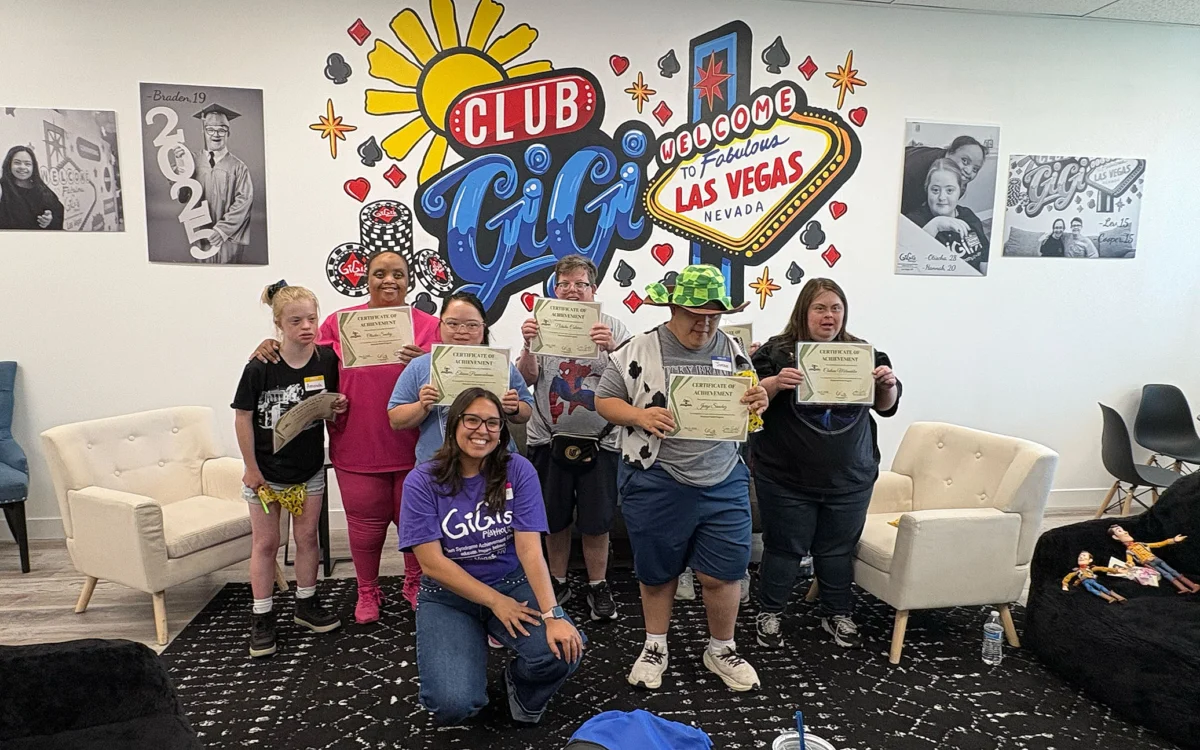
In a significant development for individuals with Down syndrome and their families, a groundbreaking curriculum designed to foster essential self-advocacy skills has successfully transitioned from a university capstone project to a nationally recognized program. Sara Gudiel, a recent occupational therapy graduate from Touro University of Nevada, developed the "Empower" program as her capstone project, a comprehensive curriculum aimed at equipping individuals with Down syndrome with the tools to effectively advocate for themselves as they navigate the transition from adolescence to adulthood. The program, initially piloted in collaboration with GiGi’s Playhouse Las Vegas, has garnered such positive results that it is now slated for expansion to all 62 GiGi’s Playhouse locations across the United States and Mexico.
The "Empower" program addresses a critical gap in support identified by parents and caregivers: the often-overlooked need for robust self-advocacy and health management education as individuals with Down syndrome mature. Gudiel’s initiative provides a structured, six-week curriculum where participants engage in weekly hour-long sessions, balancing didactic learning with practical, interactive activities. Each session delves into vital topics ranging from personal hygiene and self-care to leisure activities and, crucially, the principles and practice of self-advocacy.
Origins of the Empower Program: A Pivot Towards Impact
Gudiel’s journey to developing the "Empower" program was marked by a significant pivot in her initial project conceptualization. Her original capstone idea focused on health literacy for immigrant and refugee populations. However, upon her placement with GiGi’s Playhouse Las Vegas, Gudiel found herself deeply moved by the opportunity to engage with the Down syndrome community. This experience, which marked her first direct interaction with individuals with Down syndrome, proved to be a transformative moment, redirecting her focus towards a more pressing need she observed within the community.
"It felt like what I was doing was actually making an impact," Gudiel remarked, reflecting on the profound satisfaction derived from witnessing the growth of participants during her program. "In the short amount of time you spend with individuals, you start to see such a big growth, and that’s so rewarding." This sentiment underscores the core motivation behind her dedication to occupational therapy, emphasizing the tangible difference her work could make in individuals’ lives.
Addressing the Transitional Readiness Gap
The "Empower" program is specifically designed to bolster transitional readiness, a crucial phase where individuals with Down syndrome often encounter diminished support systems as they transition into adulthood. This period can present unique challenges related to independence, decision-making, and navigating various societal systems. Gudiel’s curriculum aims to bridge this gap by instilling confidence and practical skills that enable greater self-determination.
The Curriculum’s Structure and Content
The six-week structure of the "Empower" program allows for a progressive and in-depth exploration of key life skills. Each week is dedicated to a specific theme, ensuring a comprehensive learning experience. The curriculum’s design prioritizes a balance between foundational knowledge and hands-on application, facilitating a deeper understanding and retention of the material. Topics covered include:
- Week 1: Understanding Self-Advocacy: Defining what self-advocacy means, identifying personal strengths and preferences, and understanding the right to make choices.
- Week 2: Communication Skills for Advocacy: Developing clear and assertive communication techniques, learning to express needs and desires effectively, and practicing active listening.
- Week 3: Personal Health and Wellness Management: Focusing on understanding personal health information, managing appointments, medication awareness, and healthy lifestyle choices.
- Week 4: Self-Care and Daily Living Skills: Reinforcing essential skills in personal hygiene, grooming, nutrition, and maintaining a safe living environment.
- Week 5: Leisure and Social Engagement: Exploring interests, developing social skills, building healthy relationships, and participating in community activities.
- Week 6: Future Planning and Goal Setting: Discussing aspirations, setting achievable goals, and identifying resources and support systems for continued independence.
The curriculum’s development involved initial consultations and pre-surveys with parents of GiGi’s Playhouse attendees. These surveys highlighted parental concerns regarding the availability of educational resources focused on self-advocacy and health management, confirming the critical need for Gudiel’s program.
GiGi’s Playhouse: A Hub for Innovation and Support
GiGi’s Playhouse, a national non-profit organization, plays a pivotal role in providing free therapeutic and educational programs for individuals of all ages with Down syndrome. The organization consistently leverages the expertise of occupational therapy students, like Gudiel, to enrich its program offerings. Justine Chevalier, the site manager at GiGi’s Playhouse Las Vegas, emphasized the invaluable contribution of such capstone projects.
"The programs that capstone students come in and create are making our adults become extremely successful in a world where they might need a little more assistance," Chevalier stated. She highlighted that these student-led initiatives are instrumental in developing cutting-edge curriculum that directly benefits the Down syndrome community, empowering individuals to lead more independent and fulfilling lives.
Chevalier’s personal connection to the Down syndrome community, as the mother of a daughter with Down syndrome, adds a profound layer of understanding and commitment to her role at GiGi’s Playhouse. She joined the organization in 2021 during the crucial phase of establishing the Las Vegas location. Her initial encounter with the startup team left a lasting impression. "It was the first time that I walked in somewhere and everyone said, ‘Congratulations.’ No one said they were sorry. No one looked at me and my family like they felt bad for us," Chevalier recalled, describing the inclusive and celebratory atmosphere that defines GiGi’s Playhouse. This positive and empowering environment is precisely what Gudiel’s "Empower" program aims to foster.
Broader Implications and Future Outlook
The expansion of Gudiel’s "Empower" program to GiGi’s Playhouse’s national network signifies a significant step forward in providing consistent, high-quality self-advocacy training for individuals with Down syndrome across the country. This scalability is crucial, as the need for such programs is widespread. The Centers for Disease Control and Prevention (CDC) estimates that approximately 1 in every 700 babies born in the United States is born with Down syndrome. Providing these individuals with the tools to advocate for themselves can lead to increased independence, better health outcomes, greater employment opportunities, and more meaningful participation in their communities.
The success of the "Empower" program also highlights the vital role of academic-community partnerships in addressing societal needs. University programs that integrate practical, community-based projects not only provide students with invaluable real-world experience but also generate innovative solutions to pressing social challenges.
Gudiel, reflecting on the program’s reach, expressed a hopeful outlook for its participants. "I hope that they just gain a little bit," she said. "I feel like you’re not gonna learn it all in the six weeks that I gave, but I definitely feel like it’s a start." This sentiment acknowledges the ongoing journey of self-discovery and skill development, while underscoring the program’s foundational importance.
Chevalier echoed this sentiment, emphasizing the broader impact on the individuals and their families. She observed the participants at GiGi’s Playhouse more broadly feeling empowered to build successful and "meaningful" lives. The "Empower" program, by equipping individuals with the language and confidence to articulate their needs and desires, directly contributes to this overarching goal of fostering independence and self-determination.
The long-term implications of such programs are substantial. As individuals with Down syndrome gain greater self-advocacy skills, they are better positioned to navigate educational systems, secure meaningful employment, access appropriate healthcare, and make informed decisions about their lives. This not only benefits the individuals themselves but also enriches communities by fostering greater inclusion and celebrating the diverse contributions of all its members. The "Empower" program stands as a testament to the power of targeted education and dedicated support in creating a more equitable and empowering future for individuals with Down syndrome.