Run-A-Muck, the production company helmed by Jennifer Beals and Ilene Chaiken, has officially announced the development of Courtside, a feature-length romantic comedy set within the world of professional women’s basketball. The production marks a significant intersection between the surging popularity of the Women’s National Basketball Association (WNBA) and the demand for authentic LGBTQ+ narratives in mainstream cinema. The project has secured a creative team with deep roots in both queer media and professional sports, signaling a shift toward higher-budget, specialized storytelling targeting the rapidly expanding women’s sports fan base.
Courtside will follow the narrative of a high-achieving women’s basketball superstar whose championship aspirations are complicated by a recurring injury. The plot thickens as she navigates a developing romance with one of her teammates, a storyline that reflects the real-world visibility of LGBTQ+ athletes within the league. The film is set to star active and former WNBA players, including Gabby Williams of the Seattle Storm, alongside Theresa Plaisance and Sydney Colson. Colson, who is also serving as an executive producer, has been a vocal advocate for the project, noting the necessity of a film that blends the intensity of professional athletics with an unapologetically queer romantic arc.
The Creative Architecture of Courtside
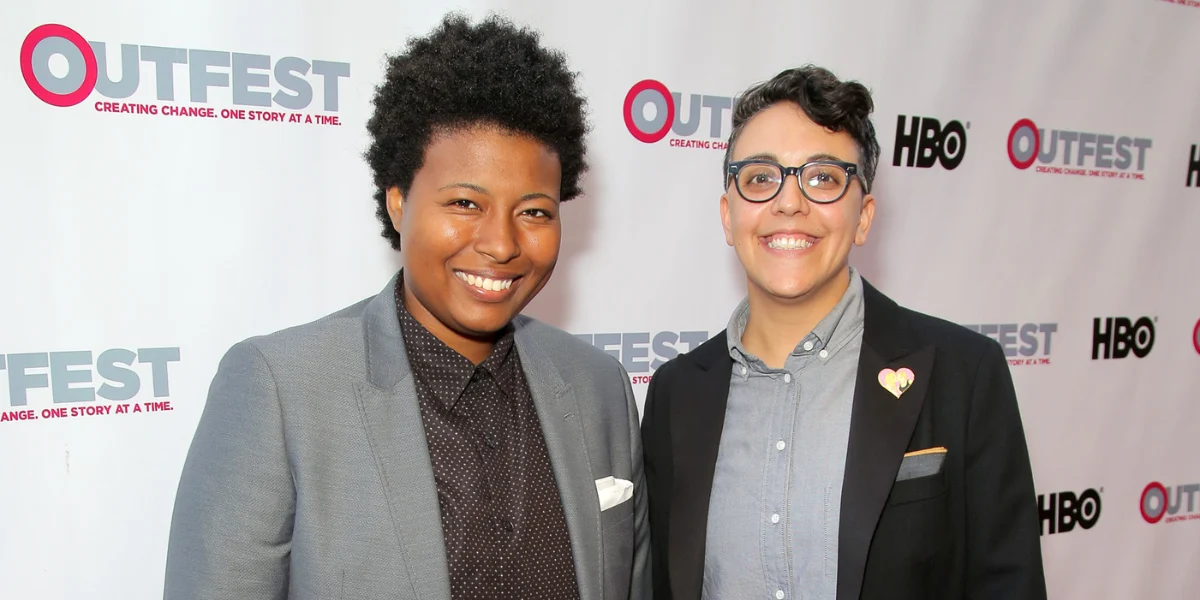
The development of Courtside is the result of a long-term collaboration between writer Brittani Nichols and director Carly Usdin. The duo has a professional history spanning over a decade, beginning with their work on the independent film Suicide Kale, which earned critical acclaim for its low-budget ingenuity and authentic portrayal of queer dynamics. Nichols, an Emmy-nominated writer and producer known for her work on the hit ABC sitcom Abbott Elementary, brings a background in both comedy and structural narrative to the script. Her recent directorial debut on Abbott Elementary’s fourth season further solidified her standing as a multifaceted talent in the industry.
Carly Usdin, the film’s director, has established a reputation for vibrant, character-driven storytelling. Usdin’s previous credits include directing Monét’s Slumber Party and every episode of The Syd + TP Show, a digital series featuring Sydney Colson and Theresa Plaisance. This prior collaboration is viewed as a foundational element for Courtside, as the director and stars have already developed a comedic shorthand and a shared vision for portraying the lives of professional athletes. According to production sources, the script has been in development for over five years, undergoing various iterations to ensure it accurately captures the nuances of the WNBA’s culture.
The involvement of Run-A-Muck adds significant industry weight to the project. Jennifer Beals and Ilene Chaiken are widely recognized for their transformative impact on queer television, most notably through The L Word franchise. Their production company was founded with the intent of centering marginalized voices and bringing high-production value to stories that have historically been relegated to the indie circuit. For Nichols and Usdin, the partnership with Beals and Chaiken represents a full-circle moment, moving from independent digital content to a major feature film backed by industry veterans.
Contextualizing the Growth of Women’s Sports Media
The greenlighting of Courtside comes at a pivotal moment for women’s professional sports. The WNBA has experienced unprecedented growth in viewership, attendance, and cultural relevance over the last several seasons. Data from the 2023 and 2024 seasons indicate a massive surge in engagement, driven by a new generation of stars and increased media investment. According to Nielsen ratings, the WNBA saw a 143% increase in viewership across national networks during the 2024 season opener compared to the previous year.
This economic and cultural shift has created a fertile environment for sports-themed entertainment. Historically, films like Love & Basketball (2000) and Bend It Like Beckham (2002) have been touchstones for fans of women’s athletics, but few have explicitly centered on the queer identities that are prevalent within the community. Courtside seeks to fill this gap by leveraging the "star power" of actual league players, thereby ensuring technical accuracy in the basketball sequences and a higher level of buy-in from the existing fan base.
The casting of Gabby Williams, Theresa Plaisance, and Sydney Colson is a strategic move that bridges the gap between sports and entertainment. Williams, an Olympic medalist and versatile forward, brings international name recognition. Plaisance and Colson, known for their charismatic presence on social media and their digital series, provide the comedic timing necessary for a romantic comedy. This "meta" approach—using real athletes to play fictionalized versions of themselves or similar archetypes—has become a popular trope in sports cinema, but it is rarely executed with such a heavy emphasis on romantic narrative.
Chronology of Development and Production Milestones
The journey of Courtside from concept to production has been characterized by persistence within a changing Hollywood landscape. The project was initially conceived by Nichols and Usdin shortly after their success with Suicide Kale. However, at the time, the market for women’s sports content was significantly more limited.
- 2018-2019: Nichols and Usdin begin drafting the initial treatment for a basketball-themed romantic comedy, drawing inspiration from their own experiences as fans and creators within the queer community.
- 2020-2021: The rise of The Syd + TP Show demonstrates a clear audience appetite for content featuring WNBA players in comedic roles. This period also sees Nichols join the writing staff of Abbott Elementary, elevating her industry profile.
- 2022: Run-A-Muck, led by Beals and Chaiken, enters into discussions regarding the script. The producers recognize the potential for a film that combines the legacy of The L Word with the modern momentum of the WNBA.
- 2023: Casting begins for the lead roles, with Williams, Plaisance, and Colson officially attaching themselves to the project. The script is refined to incorporate the specific personas of the athletes.
- 2024: The project is officially announced to the public, coinciding with record-breaking viewership numbers for the WNBA season. Production timelines are established, with filming expected to take place during the league’s off-season to accommodate the players’ schedules.
Industry Implications and the "Authenticity" Mandate
One of the primary challenges in sports cinema is the portrayal of professional-level play. Often, actors lack the physical training to make athletic sequences look convincing, which can alienate dedicated sports fans. By casting actual WNBA players, Courtside bypasses this hurdle. The production team has emphasized that "authenticity" is the guiding principle of the film, not just in terms of the physical game, but also in the portrayal of the locker room environment, the rigors of injury rehabilitation, and the specific social dynamics of the league.
Industry analysts suggest that Courtside could serve as a litmus test for the commercial viability of queer-themed sports films. While the "rom-com" genre has seen a resurgence on streaming platforms, the intersection of sports and LGBTQ+ romance remains relatively under-explored in the feature film format. If successful, Courtside could pave the way for more diverse storytelling within the sports genre, potentially leading to biographical films (biopics) or scripted dramas focusing on other women’s leagues, such as the NWSL (National Women’s Soccer League) or the newly formed PWHL (Professional Women’s Hockey League).
Furthermore, the film highlights a growing trend of athletes taking active roles in production. Sydney Colson’s role as an executive producer follows in the footsteps of athletes like LeBron James, Stephen Curry, and Kevin Durant, who have established their own production companies to control their narratives and diversify their careers beyond the court. This shift empowers athletes to ensure that their stories are told with nuance and respect.
Official Responses and Cultural Impact
The announcement of Courtside has been met with significant enthusiasm from the WNBA community and LGBTQ+ advocacy groups. In a statement shared via social media, Sydney Colson expressed the importance of the film’s tone, suggesting that while classic sports films like Bring It On and Bend It Like Beckham laid the groundwork, Courtside will push the boundaries of queer visibility. Colson noted that the film addresses the question often asked by fans: "Could this be a little bit gayer?"
Writer Brittani Nichols echoed this sentiment, acknowledging the rarity of projects that are both created by and for the queer community. Nichols pointed out that her history with platforms like Autostraddle gave her an intimate understanding of the audience’s desires. Director Carly Usdin described the project as a "testament to stubbornness," noting that the five-year struggle to secure production was ultimately validated by the current cultural explosion of women’s sports.
From a broader perspective, Courtside represents the maturation of queer cinema. It moves away from "coming out" stories or narratives defined by tragedy, instead placing queer characters in a high-stakes, professional environment where their identity is an established part of their world. By focusing on the universal themes of ambition, physical recovery, and the complexities of workplace romance, the film aims to appeal to a broad audience while remaining deeply rooted in its specific subculture.
As the WNBA continues to break records and redefine the landscape of American sports, Courtside stands as a creative marker of this era. With the backing of Run-A-Muck and a creative team that has spent years honing their craft, the film is positioned to be a landmark release in both the sports and romantic comedy genres. The production serves as a reminder that the demand for diverse stories is not a niche interest, but a central component of the modern entertainment economy.