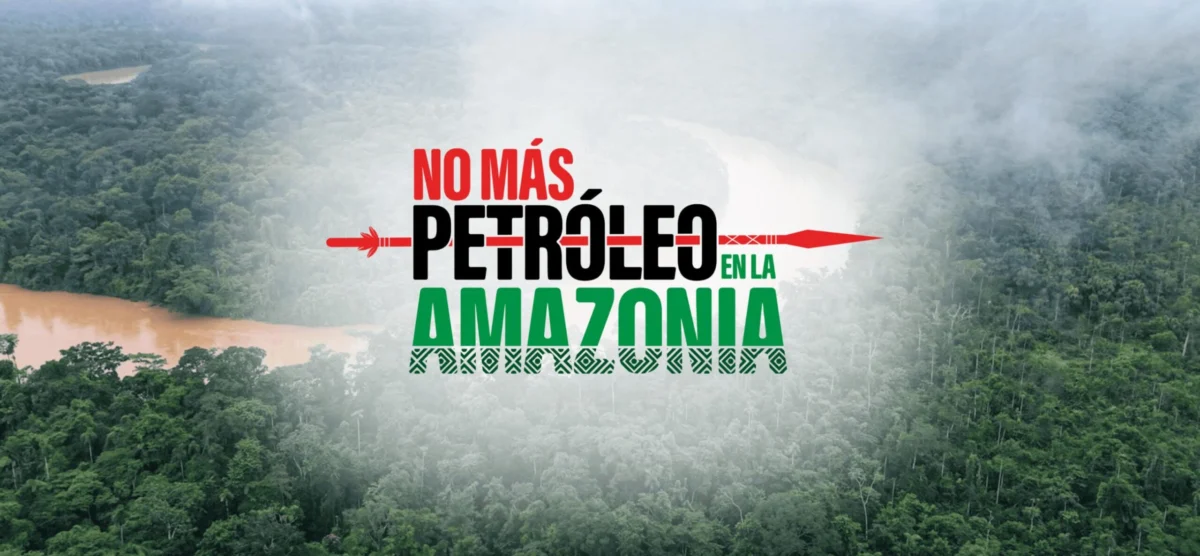
The Kichwa, Waorani, Sápara, Andwa, Achuar, Shiwiar, and Shuar Indigenous Peoples of the Ecuadorian Amazon are confronting an imminent and grave threat to their ancestral territories and cultural survival, stemming from the Ecuadorian State’s promotion of oil bidding rounds, specifically the Ronda Sur Oriente (Southeastern Round) and Ronda Subandina (Sub-Andean Round). These initiatives propose to auction off eleven oil blocks, encompassing nearly three million hectares, primarily within the provinces of Pastaza and Napo. The designated areas significantly overlap with the ancestral lands of these Indigenous nationalities, jeopardizing vital ecosystems, critical water sources, and the deeply intertwined lifeways that have sustained these communities for millennia. Cultural Survival has voiced strong opposition to these plans, highlighting the potential for profound human rights violations and the critical role the Amazon biome plays in global biodiversity conservation and the well-being of its inhabitants.
Deepening Concerns Over State-Sponsored Oil Expansion
The Ecuadorian government’s push for further oil exploration and exploitation in the Amazon region represents a direct challenge to its constitutional commitments and international obligations. The proposed oil blocks are not merely parcels of land; they are the heart of Indigenous cultures, spiritual practices, and traditional knowledge systems. For generations, these Indigenous communities have acted as custodians of this ecologically rich region, implementing sustainable practices that have preserved its biodiversity. The expansion of oil activities threatens to disrupt this delicate balance, leading to deforestation, water contamination, and the displacement of communities.
The Ronda Sur Oriente and Ronda Subandina are part of a broader national strategy to boost oil production and revenue. Ecuador, a significant oil exporter, has historically relied on hydrocarbon exports for a substantial portion of its national budget. However, critics argue that this economic model often comes at an unsustainable environmental and social cost, particularly for the Indigenous populations whose territories are directly impacted. The government’s current strategy appears to prioritize resource extraction over the protection of these vulnerable ecosystems and the rights of their inhabitants, a stance that is drawing increasing international scrutiny.
A History of Indigenous Resistance and Legal Protections
The struggle for territorial rights and environmental protection in the Ecuadorian Amazon is not new. Indigenous peoples have a long and documented history of organizing and resisting extractive industries, including oil, mining, and logging, that threaten their lands and livelihoods. This latest push for oil concessions is occurring against a backdrop of ongoing legal battles and advocacy efforts by Indigenous organizations.
Ecuador’s Constitution, enacted in 2008, was groundbreaking in its recognition of the Rights of Nature, establishing that "Nature has the right to exist, persist, maintain and regenerate its vital cycles, structure, functions and its processes of evolution." This legal framework theoretically provides a strong foundation for protecting the Amazon and the rights of Indigenous peoples. Furthermore, Ecuador has ratified the International Labour Organization’s (ILO) Convention 169 concerning Indigenous and Tribal Peoples in Independent Countries and voted in favor of the United Nations Declaration on the Rights of Indigenous Peoples (UNDRIP). These international instruments enshrine the principles of Free, Prior, and Informed Consent (FPIC), self-determination, and the right to a healthy environment for Indigenous communities.
However, the practical implementation of these constitutional and international protections remains a significant challenge. Indigenous communities often report that their rights are not adequately respected in practice, with consultation processes being superficial or bypassed entirely when state or corporate interests are deemed paramount. The current oil bidding rounds are seen by many as a clear indication that these rights are being undermined in favor of economic development driven by fossil fuel extraction.
The Scope of the Threat: Nearly Three Million Hectares at Risk
The sheer scale of the proposed oil concessions is staggering. The approximately three million hectares targeted by the Ronda Sur Oriente and Ronda Subandina represent a significant portion of the Ecuadorian Amazon. This region is renowned for its exceptional biodiversity, housing an estimated 10% of the world’s known species, including numerous endemic and endangered plants and animals. It also serves as a vital watershed, providing fresh water to local communities and contributing to regional and global hydrological cycles.
The provinces of Pastaza and Napo, which will bear the brunt of these potential oil operations, are home to diverse Indigenous cultures and pristine natural landscapes. Pastaza, in particular, is a hub for several Indigenous nationalities, including the Kichwa, Waorani, and Sápara, whose cultural identity and survival are intrinsically linked to their ancestral territories. The proposed blocks not only overlap with these territories but also extend into areas of critical ecological importance, including protected forests and vital river systems.
The potential environmental consequences of large-scale oil extraction are well-documented globally. These include habitat destruction through deforestation and infrastructure development (roads, pipelines, drilling sites), severe water and soil contamination from oil spills and chemical waste, and increased greenhouse gas emissions contributing to climate change. For the Indigenous communities, these impacts translate directly into threats to their health, food security, cultural practices, and their very existence.
Voices of Concern and Opposition
Cultural Survival, an organization dedicated to advocating for Indigenous Peoples’ rights and supporting their cultural survival, has issued a strong condemnation of the Ecuadorian government’s actions. Their statement emphasizes the fundamental role of the Amazon biome in global biodiversity conservation and the well-being of the peoples who inhabit and protect it.
"We call upon the Ecuadorian State to halt any actions that promote oil expansion in the Amazon and to ensure compliance with its Constitution," reads the statement from Cultural Survival. They further urge the government to uphold the Rights of Nature and guarantee the comprehensive protection of Indigenous territories, respecting their rights to self-determination, Free, Prior, and Informed Consent, and to live in a pollution-free environment.
Beyond Indigenous advocacy groups, there are growing concerns from environmental organizations and international bodies regarding Ecuador’s extractive policies. While specific statements from companies bidding on these blocks have not been detailed in the initial reports, it is anticipated that any participation without genuine consultation and consent would invite significant legal and reputational risks.
Implications for Companies and Investors
Cultural Survival has also issued a stark warning to companies, investors, and financial institutions considering participation in these oil bidding rounds. The organization asserts that any involvement, absent a good-faith consultation process and the Free, Prior, and Informed Consent of the affected Indigenous Peoples, constitutes a violation of their collective rights and will lead to accountability under international law.
This warning underscores the increasing recognition of corporate responsibility and the legal ramifications of human rights abuses in business operations. International legal instruments, such as UNDRIP and ILO Convention 169, provide a framework for holding entities accountable for actions that infringe upon Indigenous rights. Oil exploitation in Indigenous territories, particularly when carried out without consent, directly contravenes these recognized rights and endangers the cultural and spiritual fabric of these communities.
The global shift towards greater transparency and ethical investment practices means that companies involved in controversial projects risk significant reputational damage, consumer boycotts, and divestment from socially responsible investors. The interconnectedness of global markets and the power of public opinion mean that such violations can have far-reaching financial and operational consequences.
A Call for Dialogue and Sustainable Alternatives
The situation in the Ecuadorian Amazon presents a critical juncture for the country. The government faces a choice between continuing down a path of resource-dependent development that jeopardizes its natural heritage and the rights of its Indigenous citizens, or embracing a more sustainable and rights-based approach.
For the Indigenous Peoples, this is an existential struggle. Their calls for the halting of oil concessions and the respect of their fundamental rights are not merely requests for consultation; they are demands for the recognition of their inherent sovereignty over their ancestral lands and their right to determine their own futures.
The path forward requires genuine dialogue between the Ecuadorian State, Indigenous nationalities, and other stakeholders. It necessitates a reevaluation of Ecuador’s economic development model to prioritize long-term sustainability, environmental integrity, and respect for human rights over short-term resource extraction profits. The global community will be watching to see whether Ecuador upholds its constitutional promises and international commitments, or whether it allows its invaluable Amazonian heritage and the rights of its Indigenous peoples to be sacrificed on the altar of oil. The future of millions of hectares of critical rainforest, countless species, and the ancestral cultures of Indigenous communities hangs in the balance.