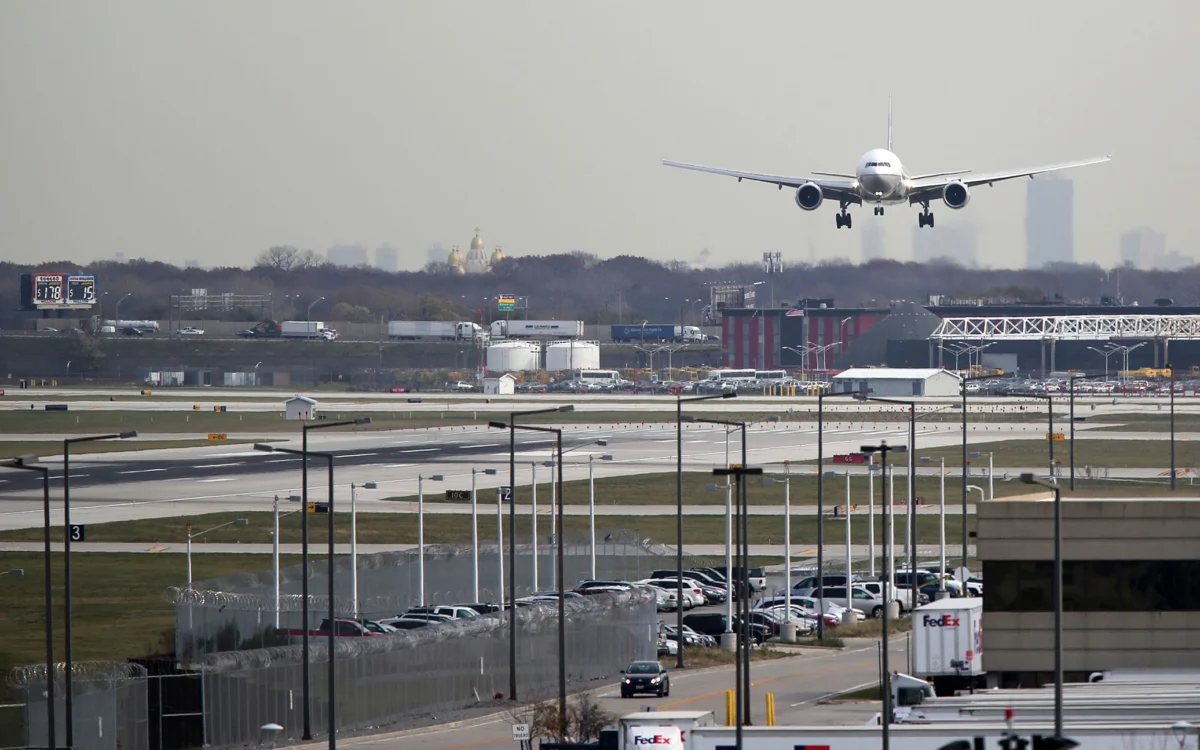
Virgin Atlantic is the latest airline to announce a significant initiative aimed at enhancing the travel experience for individuals on the autism spectrum and their families, committing to comprehensive autism awareness and support training for its entire cabin crew. This proactive step, timed strategically ahead of the peak summer travel season, underscores a growing industry-wide recognition of the need for greater inclusivity and understanding within the aviation sector.
The airline is collaborating with Autism Double-Checked, a specialized organization dedicated to making travel companies more autism-friendly, to develop and implement this crucial training program. The modules will be seamlessly integrated into Virgin Atlantic’s existing annual recurrent training schedule, ensuring that all flight attendants receive updated and consistent instruction. This move signifies a tangible commitment to creating a more welcoming and manageable environment for autistic passengers, who often face unique challenges when navigating the complexities of air travel.
Deepening Understanding: The Core of the Training Program
The training program is designed to equip Virgin Atlantic’s cabin crew with a nuanced understanding of autism and practical skills to support passengers on the spectrum. According to Autism Double-Checked, the curriculum will comprise two core digital learning modules. The first module will provide a foundational overview of autism, covering its spectrum nature, common characteristics, and the diverse ways it can manifest in individuals. The emphasis will be on fostering empathy and dispelling common misconceptions.
The second module will focus on practical application, teaching crew members how to identify potential signs of distress or overwhelm in autistic passengers. This includes recognizing subtle cues in communication, behavior, and sensory responses. Crucially, the training will offer guidance on adapting communication styles to suit individual needs, whether that involves clearer, more direct language, allowing for processing time, or providing visual aids. Furthermore, crew members will learn effective strategies for offering reassurance, de-escalating potentially stressful situations, and providing practical assistance, such as guiding passengers through boarding procedures or explaining in-flight services in an accessible manner.
A Collaborative Effort Driven by Experience
The development of this training program has been a collaborative endeavor, drawing on the expertise of Autism Double-Checked and the invaluable insights of Virgin Atlantic’s own employees. Becky Woodmansee, Chief People Officer at Virgin Atlantic, highlighted the airline’s commitment to listening to its customers and leveraging internal experience. "We know that for autistic customers and their families, flying can be a unique and unfamiliar environment which presents challenges," Woodmansee stated. "By listening to our customers and working with autism travel specialists Autism Double-Checked, alongside our own people who have personal experience of autism, we’ve built a training programme that gives every crew member the understanding and confidence to make a real difference onboard." This multi-faceted approach ensures the training is both academically sound and grounded in real-world application.
Alan Day, Founder and CEO of Autism Double-Checked, expressed his pride in the partnership and its potential to set a new industry benchmark. "For autistic travellers and their families, knowing that every crew member on a flight has been trained to understand and support their needs is such a positive step in the right direction," Day commented. "We’re proud to have developed this programme with Virgin Atlantic and hope it sets a new standard for the industry." His statement underscores the significant impact such training can have on the confidence and comfort of autistic travelers.
Expanding the Reach: Ground Staff Included
Virgin Atlantic’s commitment to autism inclusivity extends beyond the cabin. The airline has indicated plans to extend its autism training initiative to customer-facing ground staff within the current year. This comprehensive approach acknowledges that the travel journey for autistic individuals begins long before boarding and continues until their final destination. Training for ground staff will likely focus on aspects such as check-in procedures, security screening, gate announcements, and assistance with baggage, ensuring a consistent and supportive experience across all touchpoints of the customer journey.
A Growing Trend: Industry-Wide Adoption
Virgin Atlantic is not the pioneer in this crucial area of aviation accessibility. The airline’s initiative builds upon a growing trend of aviation companies recognizing and responding to the needs of neurodivergent travelers. In 2022, Breeze Airways publicly committed to implementing autism training for its staff, signaling an early adoption of this important practice. More recently, Emirates announced in the past year that it had successfully trained over 30,000 cabin crew and ground staff on autism awareness and support. These examples illustrate a developing momentum within the airline industry towards creating more inclusive travel environments.
The rationale behind this growing trend is multi-faceted. Firstly, there is an increasing awareness of the significant portion of the population that identifies as autistic. Estimates suggest that approximately 1 in 36 children in the United States are identified with autism spectrum disorder, according to the CDC’s 2023 Autism and Developmental Disabilities Monitoring Network report. Extrapolating this to the global population indicates millions of potential travelers who could benefit from autism-aware services. Secondly, airlines are increasingly understanding that providing inclusive services is not only a matter of social responsibility but also a smart business strategy. Catering to the needs of a diverse customer base can lead to enhanced customer loyalty, positive brand reputation, and expanded market reach.
The Broader Impact: Transforming the Travel Landscape
The implications of Virgin Atlantic’s comprehensive autism training extend far beyond individual passenger experiences. This initiative represents a significant step towards normalizing and institutionalizing support for neurodivergent travelers within the aviation industry.
Enhanced Passenger Confidence and Reduced Anxiety
For autistic individuals and their families, the prospect of air travel can often be accompanied by considerable anxiety. The unfamiliar sensory environment of an airport and an aircraft, coupled with potential disruptions to routine, can be overwhelming. Knowing that airline staff are trained to understand and respond to their specific needs can dramatically reduce this anxiety, fostering a sense of safety and predictability. This allows autistic travelers to focus on the positive aspects of their journey rather than the potential stressors.
Improved Operational Efficiency
When airline staff are equipped with the knowledge to effectively communicate and support autistic passengers, it can also lead to smoother and more efficient operations. Passengers who feel understood and supported are less likely to experience significant distress that might disrupt boarding processes or in-flight services. This can translate into fewer delays and a more positive experience for all passengers onboard.
Setting a New Industry Standard
As Virgin Atlantic joins other airlines in prioritizing autism training, it contributes to the establishment of a new industry standard. The success and positive reception of such programs can encourage other airlines to follow suit, creating a ripple effect that benefits autistic travelers across the globe. This collective effort can transform the perception of air travel from a potentially daunting experience to one that is accessible and welcoming to all.
Economic and Social Benefits
Beyond the immediate travel experience, fostering inclusivity in air travel has broader economic and social benefits. It enables autistic individuals to participate more fully in tourism, business, and family events, contributing to the economy and strengthening social connections. By removing barriers to travel, airlines are not just facilitating journeys; they are enabling opportunities and promoting greater social equity.
The Role of Technology and Continued Education
While training is a vital first step, the future of autism-friendly travel may also involve leveraging technology. This could include pre-travel information kits, sensory-friendly quiet zones in airports, or apps that provide visual schedules and communication aids. Continuous education and feedback mechanisms will also be crucial to ensure that training programs remain up-to-date and responsive to the evolving needs of the autistic community.
In conclusion, Virgin Atlantic’s commitment to comprehensive autism training for its cabin crew and planned extension to ground staff marks a significant advancement in making air travel more inclusive. By investing in understanding and empathy, the airline is not only enhancing the experience for autistic passengers and their families but also contributing to a broader movement towards a more accessible and welcoming travel industry for everyone. This proactive approach sets a commendable example and underscores the growing recognition that inclusivity is not just an ethical imperative but a fundamental aspect of modern customer service.