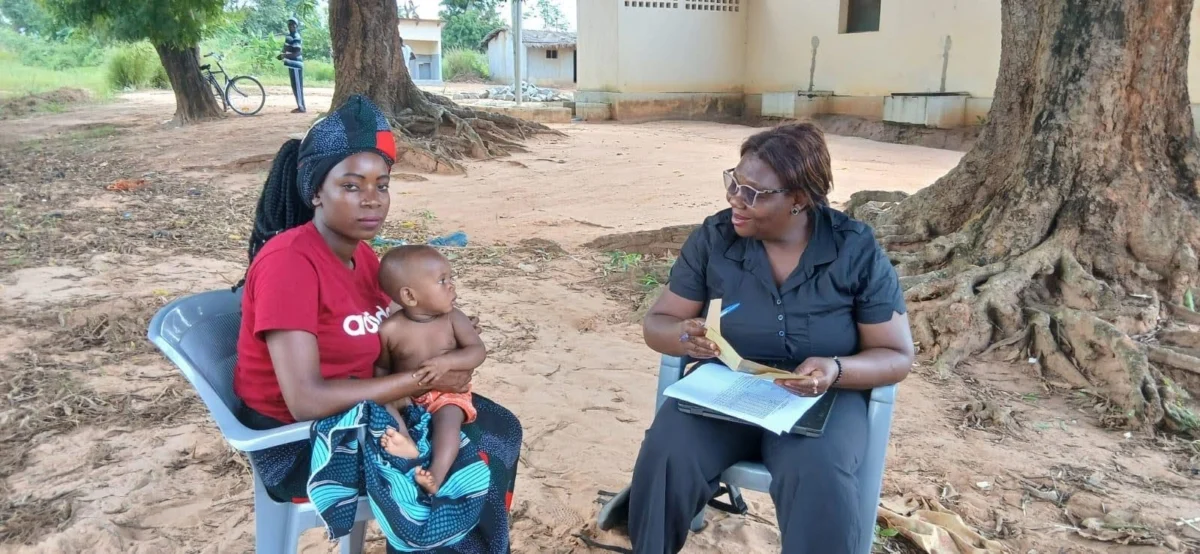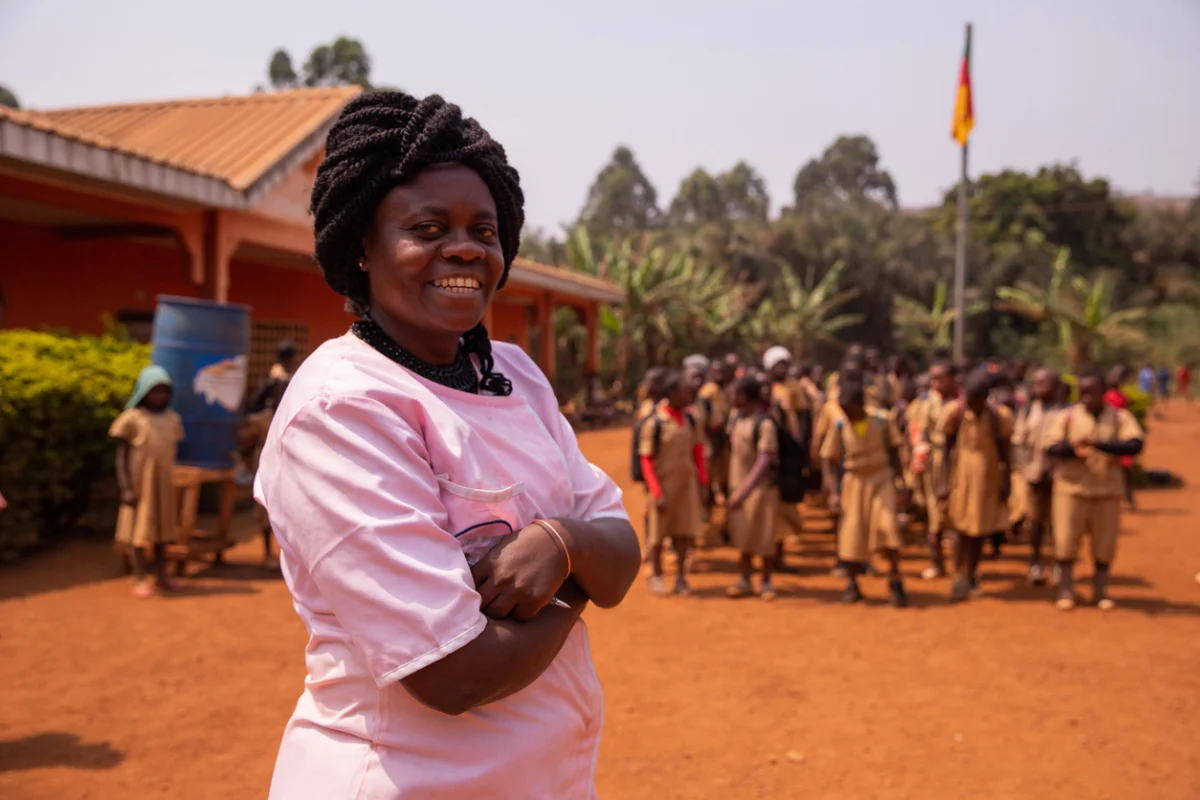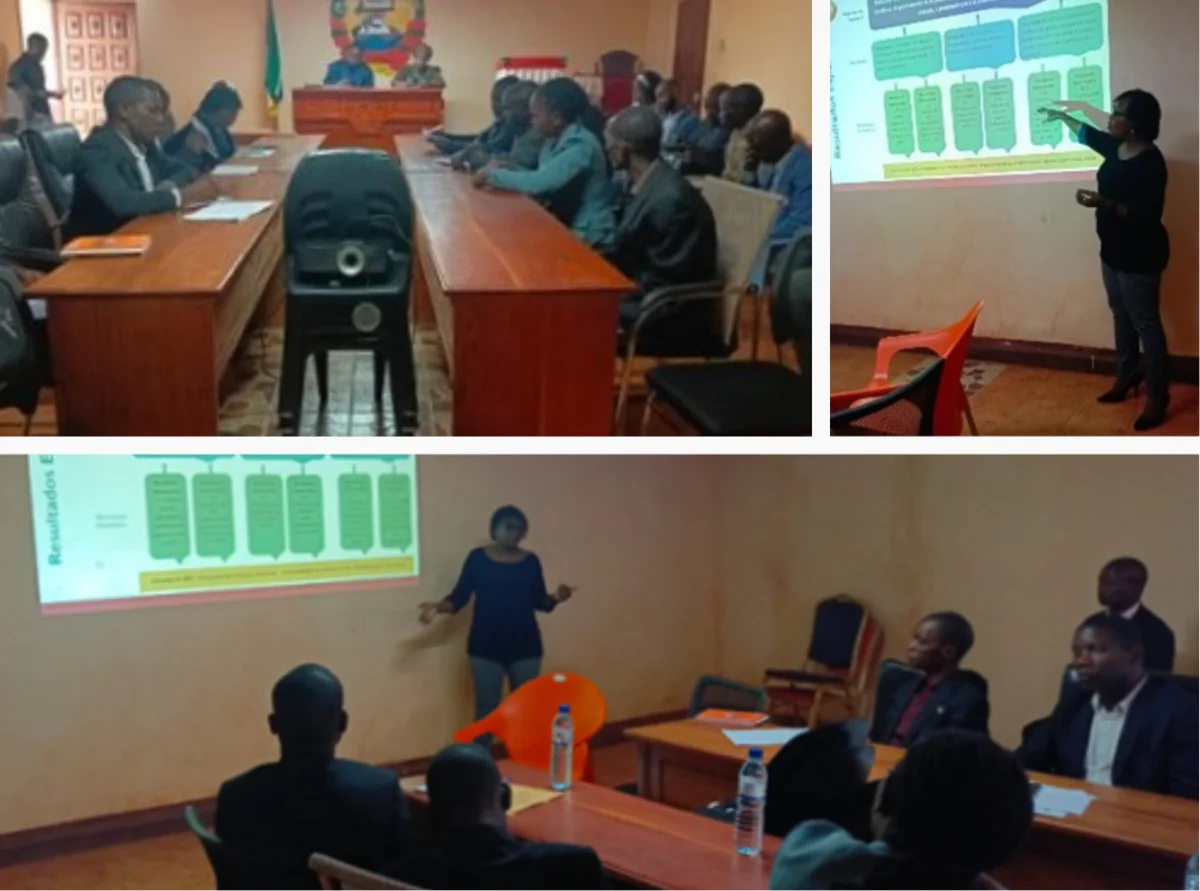
The Ministry of Education and Culture of Mozambique, in a strategic collaboration with World Education and funded by IrishAid, has officially launched the Empowering Educators program, a comprehensive initiative designed to overhaul the quality of primary education in the northern Niassa Province. This multi-year project, initiated in early 2026, marks a pivotal shift in the Mozambican government’s approach to teacher professional development, moving away from centralized, intermittent workshops toward a decentralized, school-based model of continuous improvement. By targeting the fundamental drivers of education quality—teacher competency, school leadership, and gender-responsive environments—the program seeks to address long-standing disparities in one of the country’s most remote and underserved regions.
The launch of Empowering Educators comes at a critical juncture for Mozambique’s education sector. While the nation has made significant strides in increasing primary school enrollment over the past two decades, learning outcomes have remained a persistent challenge. National assessments have frequently indicated that a significant portion of students completing primary cycles lack basic proficiency in reading and mathematics. The Empowering Educators program is specifically engineered to bridge this gap between school attendance and actual learning by operationalizing the government’s National Strategy for Continuous Teacher Training.
A Targeted Approach to Teacher Development in Niassa
The program is initially focusing its interventions on four targeted districts within the Niassa Province, including the districts of Mavago and Mecula. These areas were selected due to their unique geographical and socio-economic challenges, which often result in higher rates of teacher turnover and limited access to professional support. The initial phase of the program aims to reach 600 teachers—more than 200 of whom are women—and 100 school directors. By focusing on both educators and administrators, the program recognizes that classroom success is inextricably linked to the quality of school management.
Niassa, the largest and most sparsely populated province in Mozambique, faces logistical hurdles that have historically hindered the implementation of national education policies. The Empowering Educators strategy addresses this by embedding training within the schools themselves. Rather than requiring teachers to travel long distances for training, the program utilizes a "multiplier" model. Under this framework, trainee teachers and school leaders act as conduits for knowledge, ensuring that pedagogical improvements are integrated into daily classroom activities.
Operationalizing the National Strategy for Continuous Teacher Training
At the heart of this initiative is the Mozambican government’s National Strategy for Continuous Teacher Training. Historically, teacher training in Mozambique followed a "cascade" model, where information often lost its practical utility by the time it reached the classroom level. The Empowering Educators program seeks to rectify this by prioritizing on-the-job training and peer coaching.
Ligia Lundo, World Education’s Provincial Manager, highlighted the sustainability of this approach, noting that the strategy is built on the principle that deputy school heads will provide ongoing, direct support in the classroom. This peer-to-peer coaching model is supported by a suite of tools designed to help managers and teachers identify specific learning gaps in real-time. The goal is to create a "successful social, academic, and learning environment" that starts with the school director and filters down to the individual student.
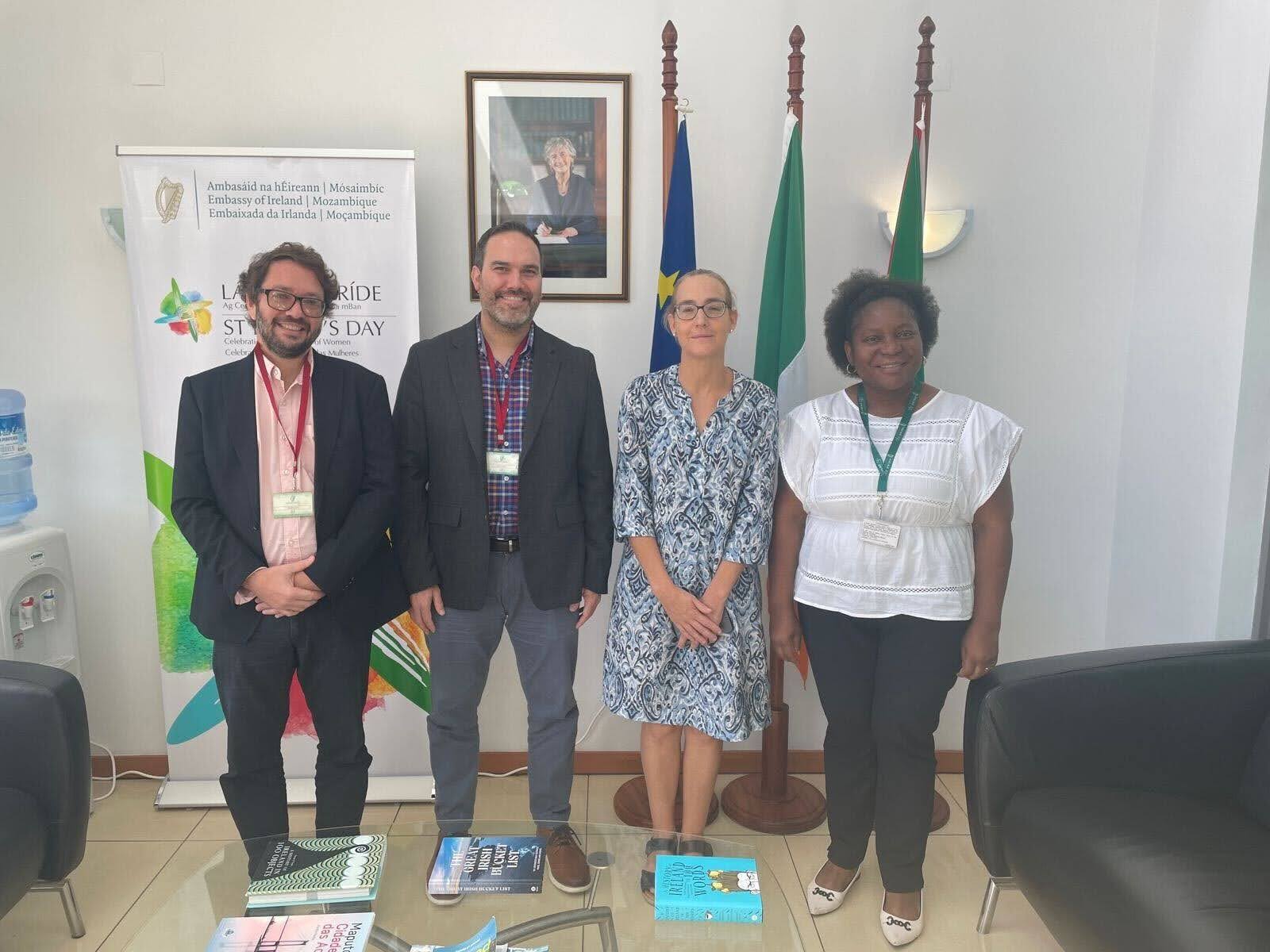
This shift toward continuous development is supported by IrishAid, the Irish government’s program for overseas development. Ireland has a long history of supporting Mozambique’s education sector, and the Empowering Educators program aligns with the Ireland-Mozambique Country Strategy Paper, which emphasizes the empowerment of women and the improvement of basic services in fragile regions. The involvement of high-level diplomatic representatives, such as Aileen O’Donovan, Deputy Head of Mission and Cooperation at the Embassy of Ireland in Maputo, underscores the international significance of this partnership.
Addressing Gender Disparities and Protecting the Girl Child
One of the most ambitious components of the Empowering Educators program is its focus on gender-responsive school management. In Northern Mozambique, girls face a myriad of obstacles to completing their education, including early marriage, domestic responsibilities, and a lack of female role models in professional positions. By ensuring that over one-third of the participating teachers are women, the program is actively working to shift the gender balance in Niassa’s classrooms.
Gender-responsive management goes beyond mere enrollment numbers; it involves creating a school culture that actively protects and retains female students. This includes implementing safety protocols, addressing gender-based violence, and ensuring that teaching methods do not reinforce harmful stereotypes. The program’s focus on the "access, retention, and protection of girls" is designed to create a ripple effect: as schools become safer and more inclusive, parents are more likely to keep their daughters in school, eventually leading to higher literacy rates and better economic prospects for women in the region.
Data-Driven Implementation and Baseline Evidence
Unlike previous initiatives that relied on anecdotal evidence of success, the Empowering Educators program is rooted in a data-driven methodology. The project began with the gathering of comprehensive baseline evidence to identify the specific systemic issues plaguing the districts of Mavago, Mecula, and others. This evidence-based approach allows the Ministry of Education and Culture (MEC) to tailor its interventions to the actual needs of the teachers and students in Niassa.
By translating national policy into tangible, day-to-day classroom improvements, the program aims to strengthen foundational learning—the basic literacy and numeracy skills that serve as the bedrock for all future education. Without these foundations, students are likely to drop out or remain in the system without gaining the skills necessary for the modern workforce. The Empowering Educators program views the strengthening of these foundations as a prerequisite for regional economic development.
A Legacy of Collaboration: World Education and the MEC
The success of the Empowering Educators program is built upon a foundation of more than 15 years of collaboration between World Education and the Government of Mozambique. Since 2011, World Education—a JSI initiative—has partnered with the MEC to deliver both large-scale and niche education programs. Over the past decade and a half, these efforts have collectively trained tens of thousands of teachers and supported more than 2 million learners across the country.
This long-standing partnership provides World Education with a deep understanding of the Mozambican education system’s nuances. The organization’s ability to scale government-led interventions is a key factor in why IrishAid chose to fund this specific initiative. By working within existing government structures rather than creating parallel systems, World Education ensures that the improvements made during the project’s lifecycle are sustainable long after the initial funding period ends.
Local Leadership and Community Commitment
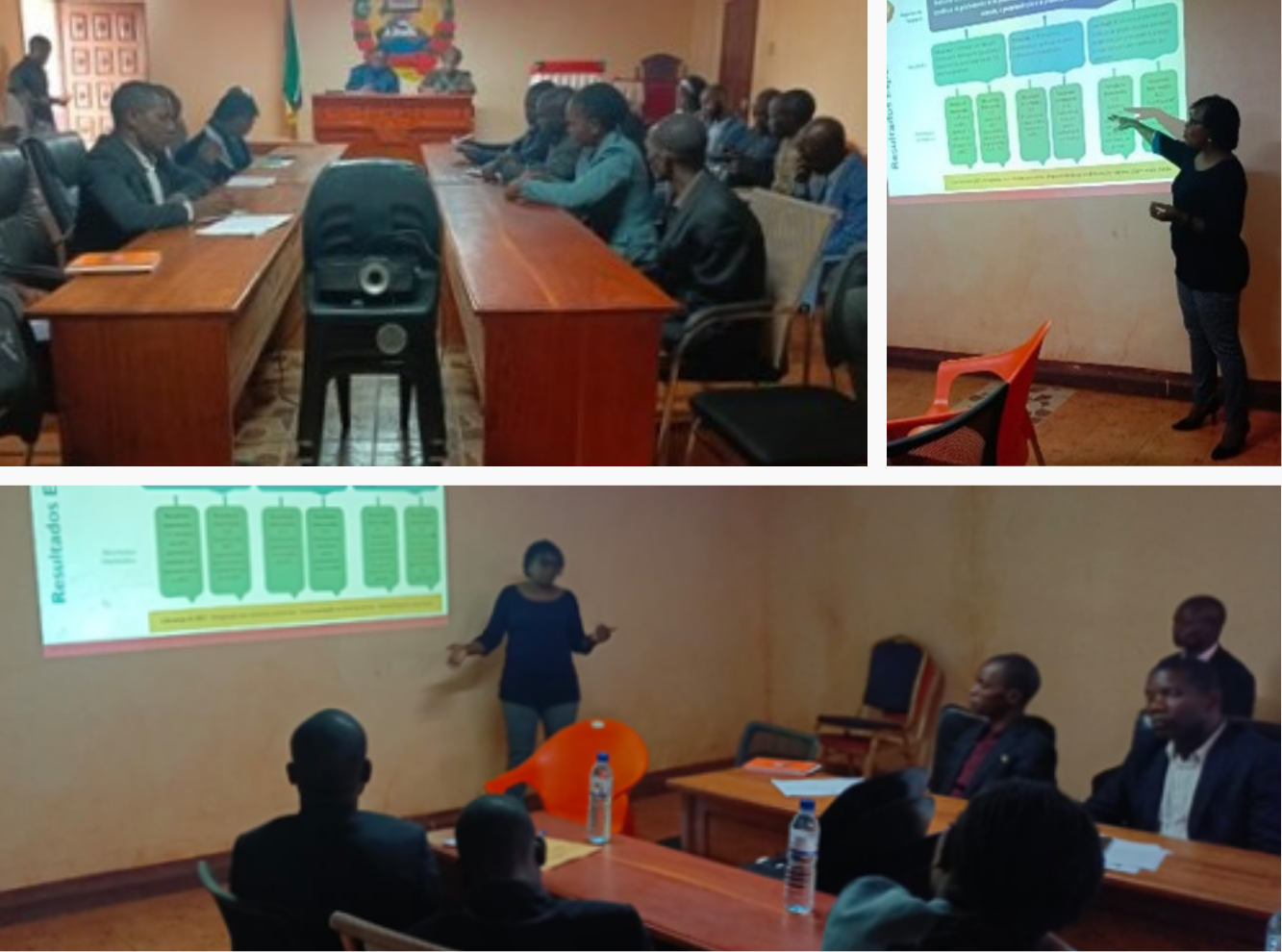
The launch events in the Mavago and Mecula districts were marked by strong displays of local political will. In Mavago, the district administrator delivered a speech reinforcing the local government’s commitment to the initiative, recognizing that education is the primary vehicle for district-wide progress. Such local buy-in is essential for the program’s success, as it ensures that school directors and teachers feel supported by their local government as they implement new pedagogical strategies.
The involvement of David Noyes, Project Director, and Adam Turney, World Education Initiative Director, alongside Lídia Meque, Program Manager at the Embassy of Ireland, illustrates the multi-tiered support system behind the program. This coordination between international donors, non-governmental organizations, and local government officials is intended to create a robust framework for accountability.
Broader Implications for Mozambique’s Education Reform
The Empowering Educators program serves as a laboratory for broader education reform in Mozambique. If the model of peer coaching and decentralized training proves successful in the challenging environment of Niassa, it could serve as a blueprint for national expansion. The program’s emphasis on "system strengthening" is particularly relevant as Mozambique seeks to modernize its public institutions and improve the delivery of social services.
Furthermore, the program aligns with the United Nations Sustainable Development Goal 4 (SDG 4), which calls for inclusive and equitable quality education for all. By focusing on the most marginalized districts and prioritizing the needs of girls and female educators, Mozambique is making a tangible contribution to global education targets.
As the program moves into its implementation phase, the focus will remain on the 600 teachers and 100 directors who are at the front lines of this transformation. Their ability to adopt and multiply these new strategies will ultimately determine the program’s impact on the children of Niassa. With the combined resources of IrishAid, the expertise of World Education, and the political will of the Mozambican Ministry of Education and Culture, the Empowering Educators program stands as a beacon of hope for a more equitable and effective education system in Northern Mozambique.
The initiative’s progress will be monitored through regular assessments, with a focus on whether the improved management and teaching techniques lead to measurable gains in student literacy and numeracy. For the communities in Mavago and Mecula, the arrival of this program represents more than just a training exercise; it is an investment in the future potential of their youth and a commitment to ensuring that no child, regardless of their gender or geography, is left behind.