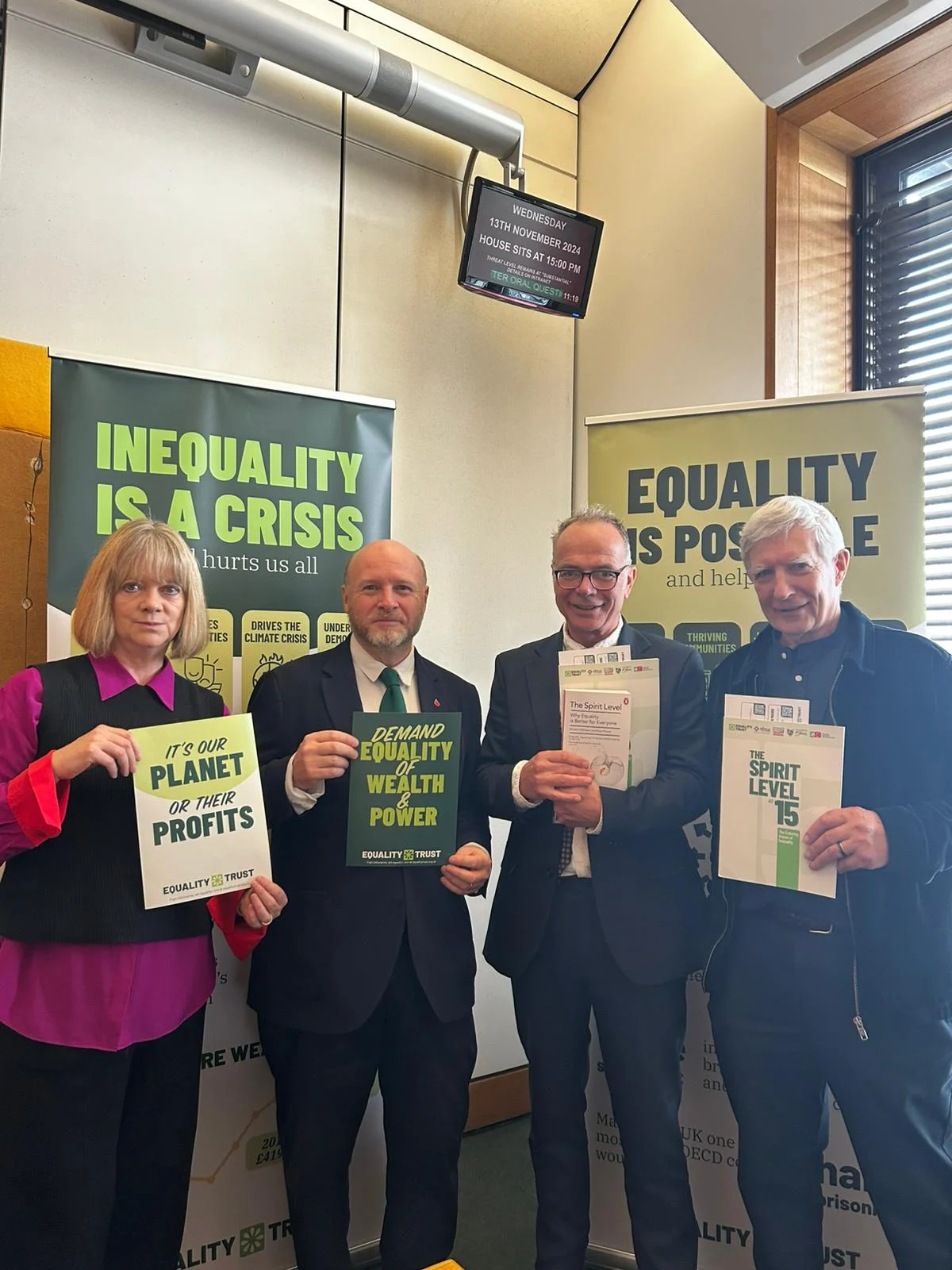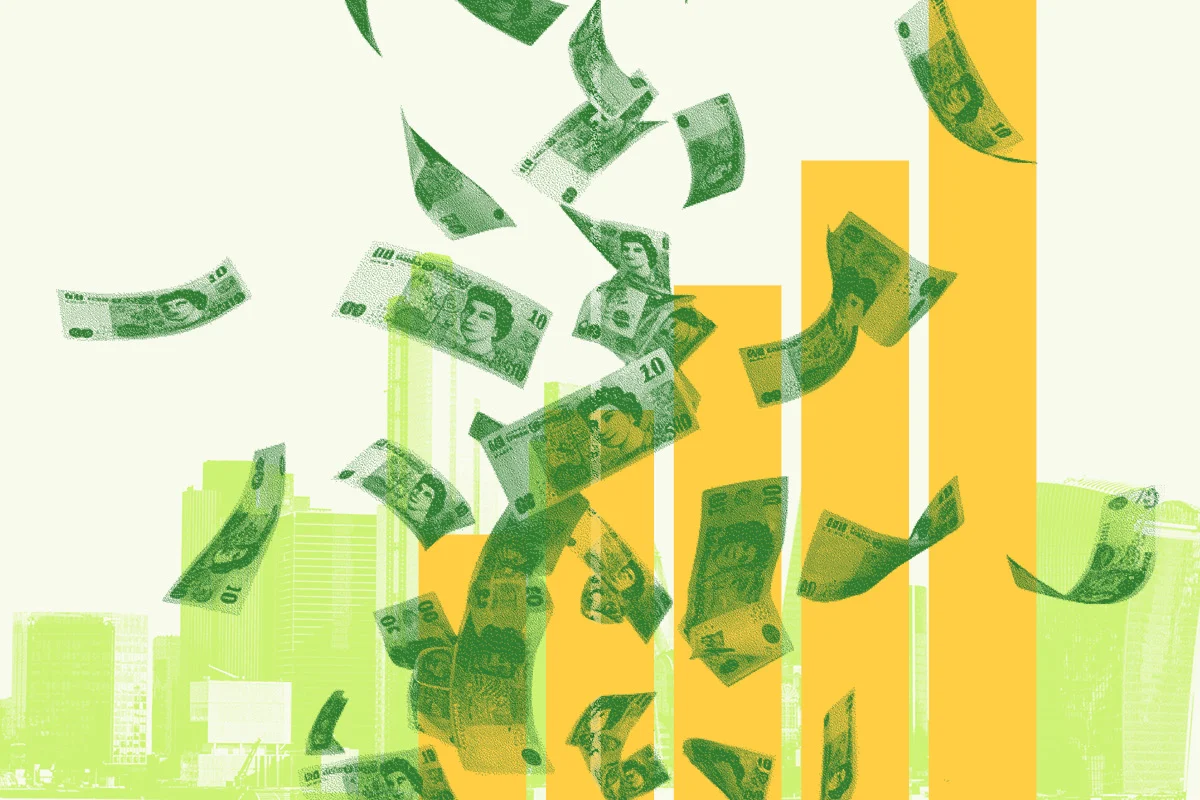
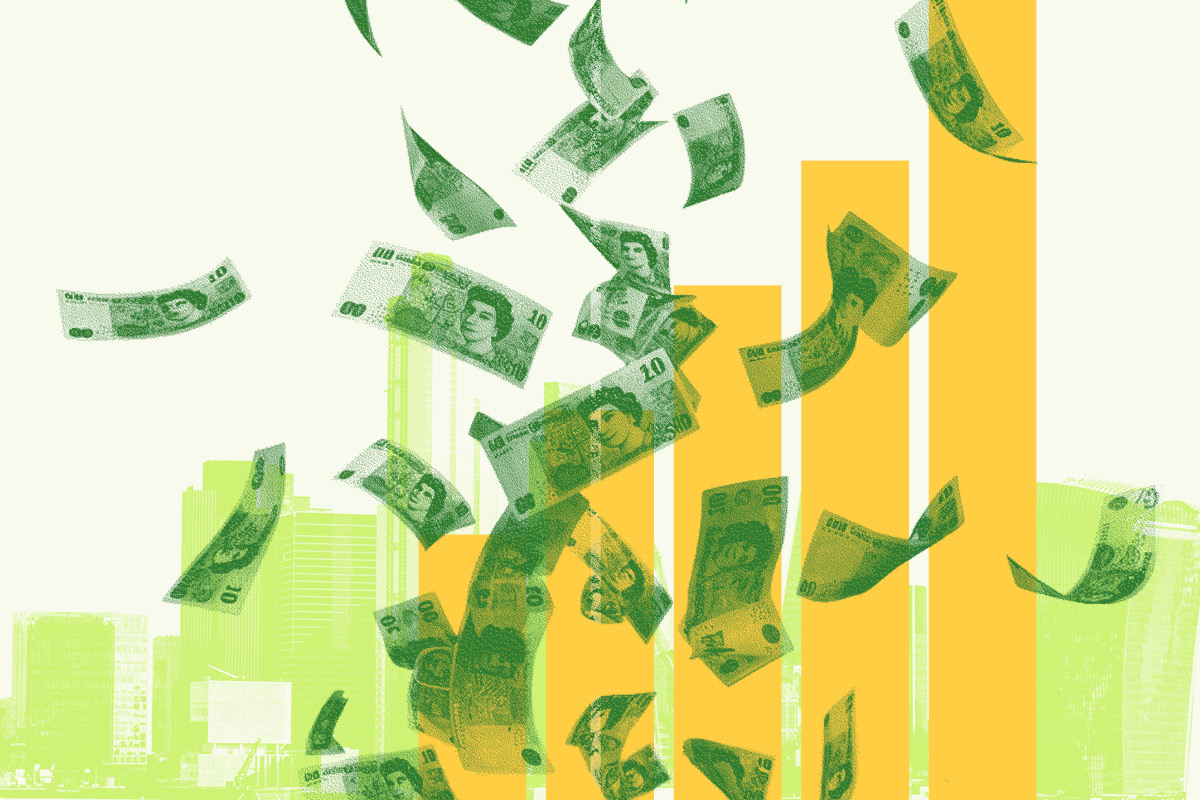
The Equality Trust has released a comprehensive analysis of the United Kingdom’s wealth distribution in 2026, revealing that the nation’s 157 billionaires now control wealth equivalent to 22% of the total Gross Domestic Product (GDP). This figure represents a dramatic escalation from 1990, when the billionaire class held wealth equivalent to just 4% of GDP. The findings, published in the wake of the annual Sunday Times Rich List, suggest a fundamental decoupling of headline economic indicators from the lived reality of the British public, a phenomenon researchers are increasingly categorizing as the "hollow economy."
According to the data, 157 individuals currently hold just under £670 billion in assets. To put this concentration of capital into perspective, the richest 50 families in Britain now possess more wealth than the poorest 34 million citizens combined. This widening chasm comes at a time when the United Kingdom is navigating the longest pay squeeze in modern history, leading economists to question the validity of GDP as a primary measure of national prosperity.
The Rise of Ghost GDP and the Hollow Economy
In early 2026, Citrini Research introduced the concept of "Ghost GDP" to describe an economic environment where growth figures are bolstered by artificial intelligence and high-level financial transactions but fail to translate into domestic stability or wage growth. The Equality Trust argues that Britain has already entered this stage, characterized by a "hollow economy" where wealth is extracted rather than generated.
The transition from a production-based economy to one dominated by "rentier capitalism" is central to this shift. In 1990, only three UK billionaires derived their primary wealth from property, inheritance, and finance. By 2025, that number had surged to 42. Currently, the finance sector alone accounts for 30% of all billionaire wealth—a fourfold increase over the last three decades. Analysts suggest this indicates a shift toward an economy that prioritizes sitting on appreciating assets, collecting rents, and charging fees for the movement of capital over the creation of tangible value or jobs.
The Equality Trust points to the Republic of Ireland as a cautionary precursor. In 2025, Ireland reported a 12% increase in GDP, yet the majority of this growth was attributed to multinational corporations routing profits through Dublin for tax purposes. The distortion was so significant that Irish authorities were forced to adopt "Modified Domestic Demand" as a separate metric to understand the actual health of the local economy. The Trust warns that the UK is following a similar trajectory, where headline growth masks a generation-wide inability to afford housing or basic services.
A Chronology of Wealth Concentration (1979–2026)
The current economic landscape is the result of nearly five decades of policy shifts and structural changes. To understand the 2026 figures, it is necessary to examine the timeline of wealth accumulation in Britain:
- 1979–1989: Following a period of relative equality in the mid-20th century, the systematic dismantling of post-war economic protections began. This era saw the deregulation of financial markets and the privatization of state assets.
- 1989–1990: The Sunday Times published its first Rich List. At this time, 15 billionaires held approximately £27 billion, representing about 4p of every £1 of UK GDP.
- 2002–2019: Large-scale political donations rose sixfold, signaling an increase in the political influence of the ultra-wealthy. During this period, media ownership also consolidated, with three conglomerates eventually controlling 90% of national newspaper circulation.
- 2010–2024: A period marked by the "banking collapse," the COVID-19 pandemic, and various global conflicts. Data shows that billionaire wealth grew at an accelerated rate during these crises, while the general public absorbed the costs through austerity and inflation.
- 2025–2026: Billionaire wealth reached the 22% GDP threshold. The UN High-Level Expert Group on "Beyond GDP" and other international bodies began formalizing proposals to replace GDP with wellbeing and equity indicators.
Structural Corruption and the Capture of Institutions
The report emphasizes that the concentration of wealth is not merely a financial issue but a systemic one that influences the mechanisms of governance. Professor Kate Pickett, a patron of the Equality Trust and member of the consultative council to the International Panel on Inequality, argues that extreme inequality creates a "structural corruption" that is legal and normalized.
This influence is visible in the expansion of the House of Lords, which now exceeds 750 members, making it the second-largest legislative chamber in the world after China’s National People’s Congress. Research cited in the report suggests a documented correlation between significant financial donations to political parties and appointments to the upper house.
Furthermore, the concentration of media power—including outlets that celebrate the accumulation of extreme wealth—is viewed as a tool for making these disparities seem inevitable. Even figures within the global financial elite have expressed concern. Larry Fink, Chief Executive of BlackRock, warned in his 2026 annual letter that the integration of AI could push inequality to a point of "social breakdown" unless new investment structures are democratized.
The Human Cost: Health, Wellbeing, and the Next Generation
The implications of a hollowed-out economy extend beyond bank balances and into the physical health and future prospects of the population. Data from the Health Foundation in 2026 indicates that healthy life expectancy in Britain has declined by two years over the past decade, falling to below 61 years.
While Britain remains the world’s sixth-largest economy, it ranks second to last among comparable wealthy nations for the duration its citizens remain in good health. The disparity is geographically and socioeconomically stark: residents in the most affluent areas can expect 20 more years of healthy life than those in the most deprived communities.
The impact on the youth is equally concerning. The UNICEF Report Card 20, released earlier this year, ranked Britain 24th for child wellbeing and 35th for income inequality among the world’s wealthiest nations. These statistics suggest that the "hollow economy" is failing to provide the foundational stability required for the next generation to thrive, with child poverty rates remaining stubbornly high despite overall GDP figures.
Environmental Implications of Concentrated Wealth
The Equality Trust’s report also links the concentration of wealth to the ongoing climate emergency. Citing Oxfam’s "Climate Plunder" report, the Trust notes that the richest 0.1% of the UK population are 56 times more polluting than those on the lowest incomes.
Billionaire investments are a primary driver of this disparity. Approximately 40% of billionaire-controlled investments are situated in high-carbon industries such as oil, gas, shipping, and cement. The report finds that a billionaire’s investment emissions can be up to 340 times greater than their lifestyle emissions. While the bottom 90% of the UK population has reduced its carbon footprint by 26% since 1990, the emissions associated with the ultra-wealthy have risen by 53% in the same period. This suggests that the "hollow economy" is not only socially unsustainable but also environmentally destructive.
Global Responses and the Path to Reform
The findings of the Equality Trust coincide with a growing international movement to redefine economic success. On May 7, 2026, the UN High-Level Expert Group on Beyond GDP launched its final report at UN Headquarters, proposing a framework of 31 indicators to replace GDP. These metrics focus on sustainability, equity, and the wellbeing of citizens.
Simultaneously, Olivier De Schutter, the outgoing UN Special Rapporteur on Extreme Poverty, published a "Roadmap for Eradicating Poverty Beyond Growth." De Schutter’s thesis posits that the pursuit of GDP growth has become an obstacle to poverty eradication rather than a vehicle for it.
In Britain, advocates for reform are calling for structural changes rather than incremental "sticking plaster" solutions. Proposed measures include:
- Progressive Wealth Taxes: Implementing a structural limit on the concentration of power by taxing assets above a certain threshold.
- Democratic Reform: Capping political donations and breaking up media monopolies to ensure broader participation in decision-making.
- New Success Metrics: Transitioning the Treasury’s focus from GDP to indicators that measure health, housing affordability, and environmental stability.
The Equality Trust concludes that the trajectory of the UK—where billionaire wealth has grown from 4% to 22% of GDP—is an extreme version of a global pattern. In 1990, global billionaire wealth stood at 2.5% of global GDP; today, it stands at 14.1%.
As the 2026 local elections recently demonstrated, economic dissatisfaction often leads to political volatility. Analysts suggest that if the "hollow economy" is not addressed through systemic replacement, the resulting social friction may lead to further institutional instability. The report serves as a call for a fundamental rethink of what the British economy is for and whom it is intended to serve, arguing that the current system is functioning exactly as designed and, therefore, requires a complete and irrevocable transformation.