In the Devbhumi Dwarka District of Gujarat, India, a significant shift in public health communication is unfolding through the strategic application of generative artificial intelligence (GenAI). World Education, an initiative of JSI, in partnership with John Snow India Private Limited (JSIPL) and supported by Adobe, has successfully piloted a program that equips frontline health workers with the tools to create localized, high-quality health education materials. By utilizing GenAI features within Adobe Express, these workers—who previously relied on static, outsourced, and often culturally mismatched materials—are now producing rapid-response visual content tailored to the specific needs of their communities. This initiative marks a pivotal moment in the digital transformation of rural healthcare, moving away from a model of passive consumption toward one of local empowerment and creative agency.
The Context of Frontline Health in Rural Gujarat
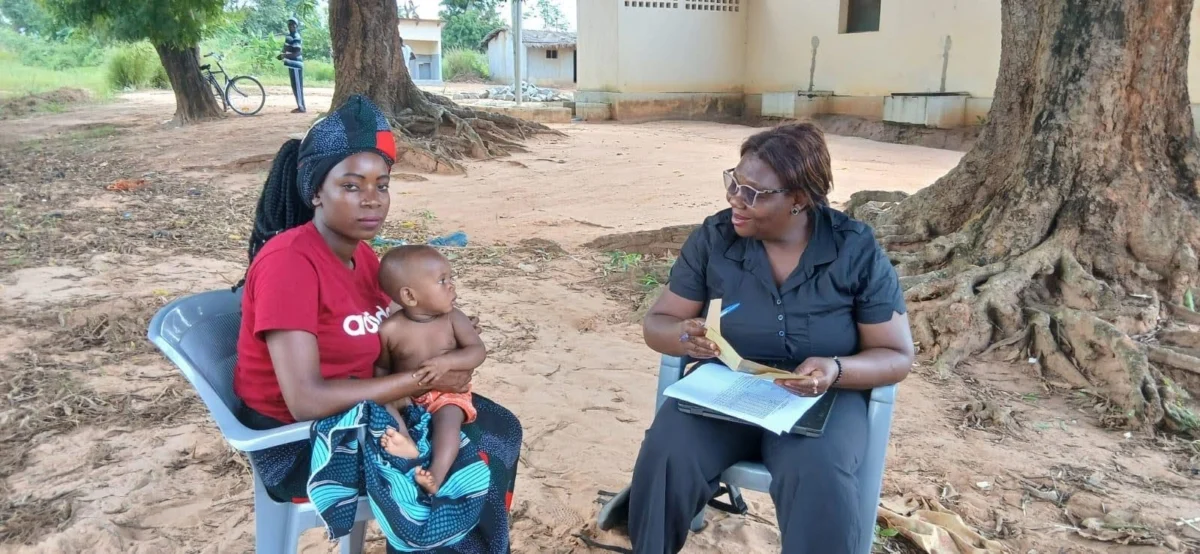
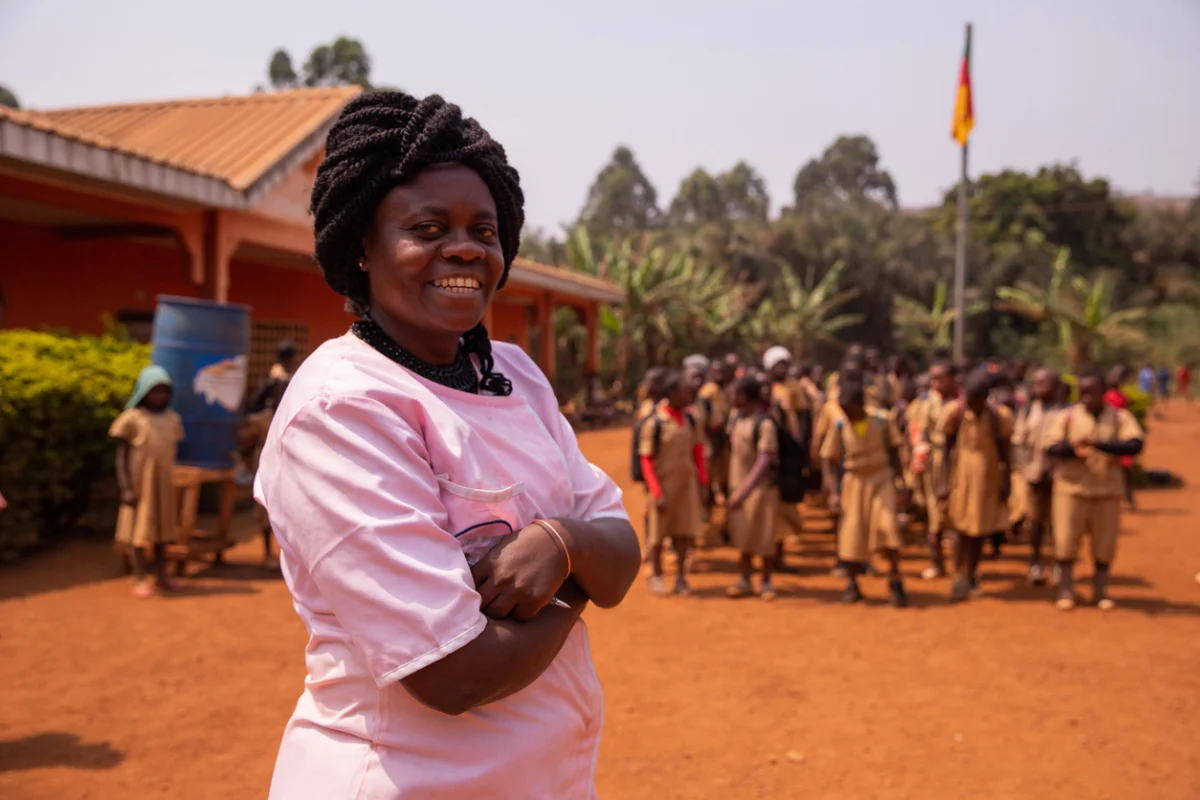
To understand the impact of this technological intervention, one must first examine the role of Anganwadi Workers (AWWs) within India’s social fabric. Established under the Integrated Child Development Services (ICDS) program in 1975, Anganwadi centers serve as the primary link between the Indian healthcare system and the rural population. These workers are tasked with a daunting array of responsibilities, including monitoring the nutritional status of children, providing health and nutrition education to pregnant and lactating women, and facilitating basic healthcare referrals.
In districts like Devbhumi Dwarka, the challenges are multifaceted. While India has made massive strides in digital connectivity, rural "last-mile" areas often struggle with inconsistent internet speeds. Furthermore, while the national literacy rate has improved, functional literacy in remote pockets varies significantly. For many families, text-heavy brochures are an ineffective medium for learning about complex topics like neonatal care or micronutrient supplementation. Traditionally, the creation of health materials was a centralized process. Designs were created by professional agencies in urban centers, printed in bulk, and distributed over months. By the time a poster reached a remote village, the information might be outdated, or the imagery might feature clothing and environments that felt foreign to the local population, diminishing the perceived relevance of the message.
Addressing the Communication Gap Through Technology
The partnership between World Education and JSIPL began with a fundamental inquiry: how can GenAI assist frontline workers in environments where time, connectivity, and design capacity are at a premium? The answer lay in Adobe Express, a design platform that integrates Firefly, Adobe’s family of creative generative AI models.
Before this intervention, the "communication gap" was a structural barrier. Anganwadi Workers primarily used WhatsApp to communicate with mothers’ groups, but they lacked the tools to create the visual content that thrives on such platforms. The pilot program sought to turn these workers from recipients of information into creators of content. By providing a simplified interface powered by AI, the program allowed staff with no prior graphic design training to produce professional-grade posters, short videos, GIFs, and visual job aids.
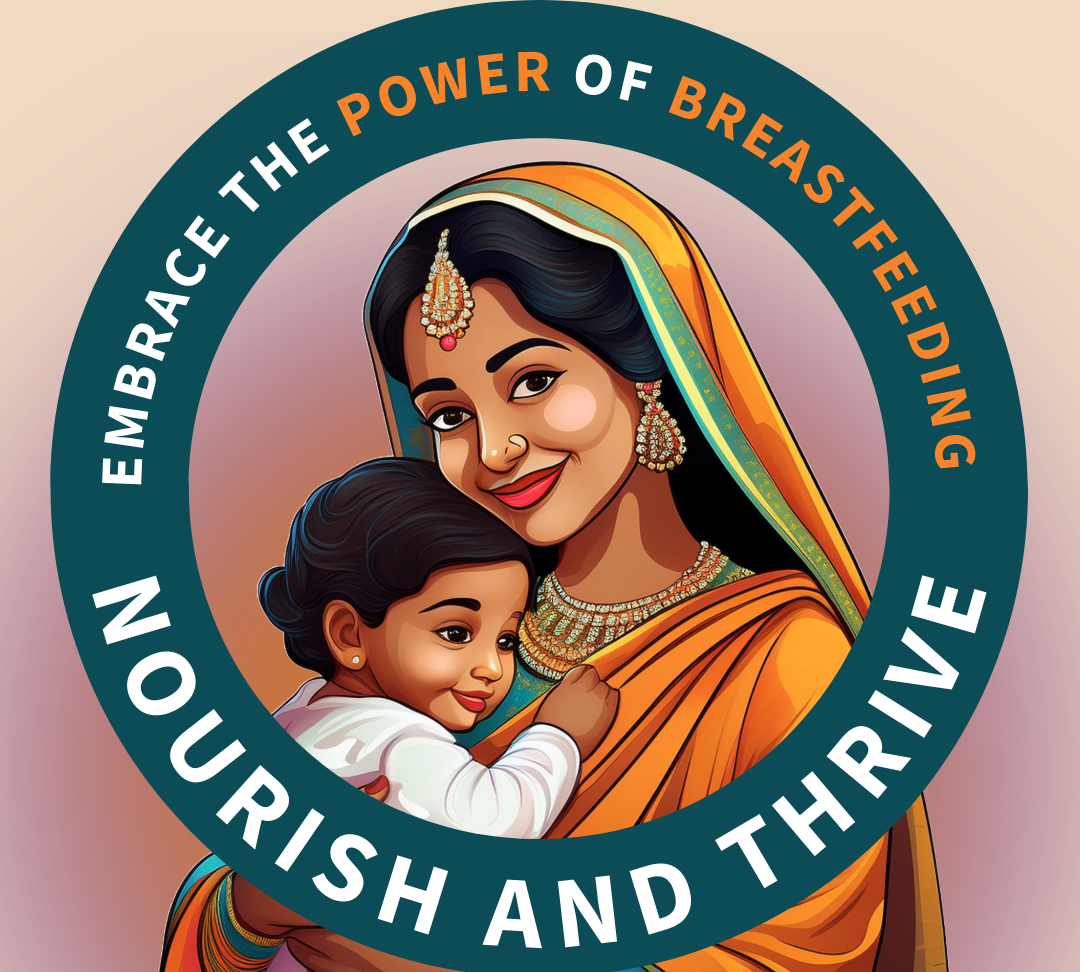
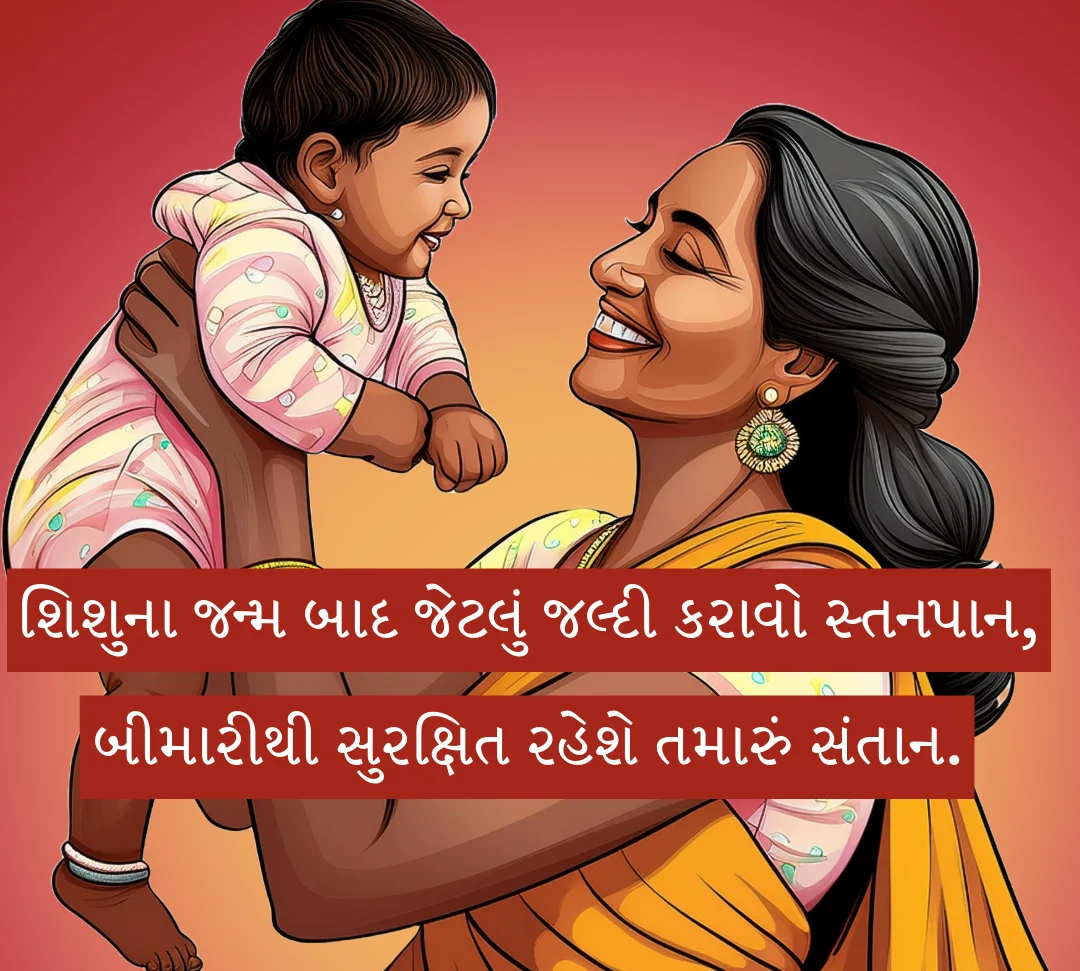
The technical advantage of GenAI in this context is its ability to lower the "barrier to entry." Rather than mastering complex software like Photoshop, workers could use natural language prompts to generate images or modify templates. This capability proved essential when early iterations of materials featured generic imagery that did not resonate with the local Gujarati culture. Using GenAI, staff could quickly generate visuals of women in local attire, set against familiar rural backgrounds, ensuring that the health messaging felt like an extension of the community rather than an imposition from outside.
A Chronological Approach: The Gradual Release Model
The implementation of this program followed a structured "gradual release" pedagogical approach, ensuring that the technology was not just introduced but deeply integrated into the workers’ workflows.
- Phase One: Modeling and Exposure: In the initial stage, World Education and JSIPL experts demonstrated the capabilities of Adobe Express. They showcased how a simple health prompt regarding breastfeeding or immunization could be transformed into a vibrant, visual poster in minutes.
- Phase Two: Co-Design and Collaboration: During this phase, district-level staff and frontline workers collaborated with trainers. They identified the most pressing health concerns in Devbhumi Dwarka—such as seasonal nutritional deficiencies—and worked together to design templates. This collaborative effort ensured that the AI-generated content remained grounded in medical accuracy and local nuances.
- Phase Three: Independent Production and Peer Training: The final stage saw local staff taking full ownership of the tools. One of the most significant indicators of success was when a local team member, having mastered the platform, began independently training her colleagues. This organic spread of knowledge ensured the project’s sustainability beyond the initial intervention period.
Supporting Data and Efficiency Gains
The impact of shifting to AI-supported design is quantifiable in terms of time and resource allocation. In traditional public health workflows, the "design-to-delivery" cycle for printed materials often spanned six to twelve weeks. This included drafting content, hiring external designers, multiple rounds of revisions, printing, and physical distribution.
With the adoption of GenAI-integrated tools, the timeline has been compressed into minutes. Staff can now:
- Update health messaging in real-time based on local outbreaks or government directives.
- Translate materials into the local Gujarati dialect instantly using AI-assisted translation features.
- Distribute content via WhatsApp groups immediately, reaching thousands of households without the costs associated with printing and logistics.
During field testing, the response from families was overwhelmingly positive. Data gathered from community interactions indicated that visual and video-based content was far more likely to be engaged with and shared among peer groups than text-based flyers. For families with limited literacy, the visual demonstrations of "how-to" health practices provided a level of clarity that previous materials lacked.
Official Responses and Strategic Vision
Leadership within the participating organizations views this pilot as a blueprint for future public health initiatives. Dr. Sanjay Kapur, the Managing Director of JSIPL, emphasized the scalability of the project, noting that the innovation could potentially be scaled to reach millions of Anganwadi Workers across India. This would, in turn, impact the health outcomes of millions of mothers and children by providing them with timely, understandable, and culturally aligned information.
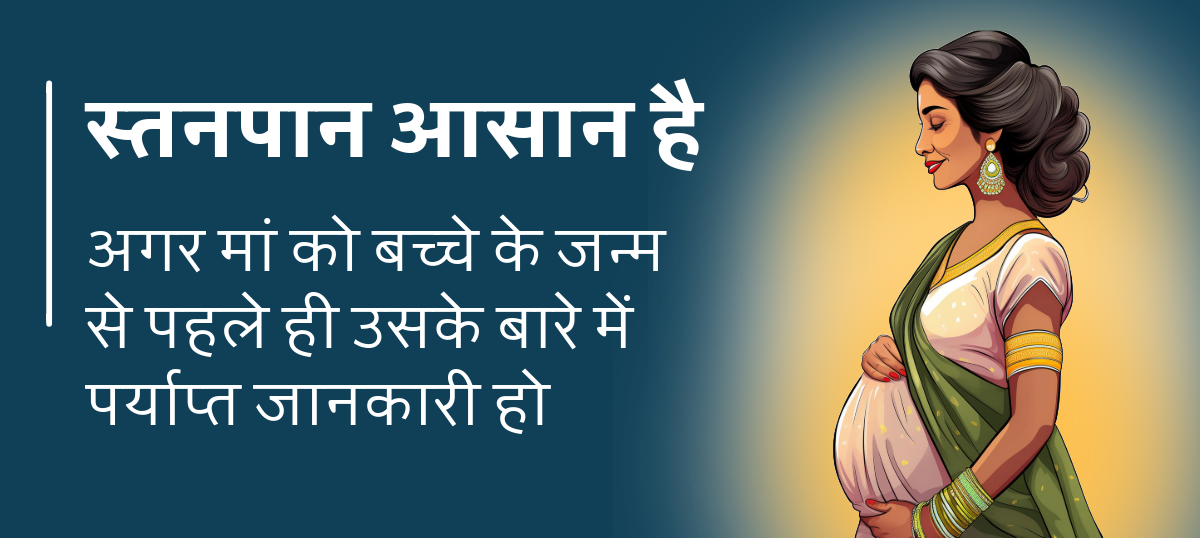
Representatives from World Education highlighted that the project’s success stems from its focus on "augmentation" rather than "automation." The goal was never to replace the human element of healthcare but to enhance the capabilities of those on the front lines. By removing the technical hurdles of content creation, the AI allows health workers to spend more time on their core mission: engaging with families and providing care.
Adobe’s involvement also underscores a growing trend of "tech for good," where enterprise-level creative tools are adapted for social impact in the Global South. By providing the technological infrastructure, Adobe enabled a localized digital transformation that respects the autonomy of the end-user.
Broader Implications and Analysis
The success of the Gujarat pilot offers several lessons for the global development community. First, it challenges the notion that advanced technologies like GenAI are only suitable for high-resource environments. When designed with user-centric principles, these tools can be more effective in low-resource settings because they compensate for gaps in specialized training and infrastructure.
Second, the project highlights the importance of "localization" in the age of AI. There is a frequent critique that AI models are biased toward Western aesthetics and languages. However, this initiative demonstrates that when local practitioners are the ones prompting and refining the AI, they can "steer" the technology to reflect their own realities. This prevents the homogenization of global health communication and preserves local cultural identity.
Finally, the shift from "digital delivery" to "digital co-creation" represents a more democratic approach to development. Instead of communities being the passive subjects of a digital strategy, they become the architects of it. As GenAI tools become more sophisticated and accessible, the potential for decentralized, community-led health education continues to grow.
Conclusion
The integration of GenAI into the workflows of Anganwadi Workers in Gujarat is more than a technical upgrade; it is a reimagining of how public health information is built and shared. By empowering local creators, World Education and JSIPL have bridged the gap between global health standards and local community needs. As this model scales, it promises to create a more responsive, inclusive, and effective healthcare communication network that truly leaves no one behind. The lessons learned in the villages of Devbhumi Dwarka may soon inform health strategies across the subcontinent and beyond, proving that when technology is placed in the hands of the community, the potential for impact is limitless.