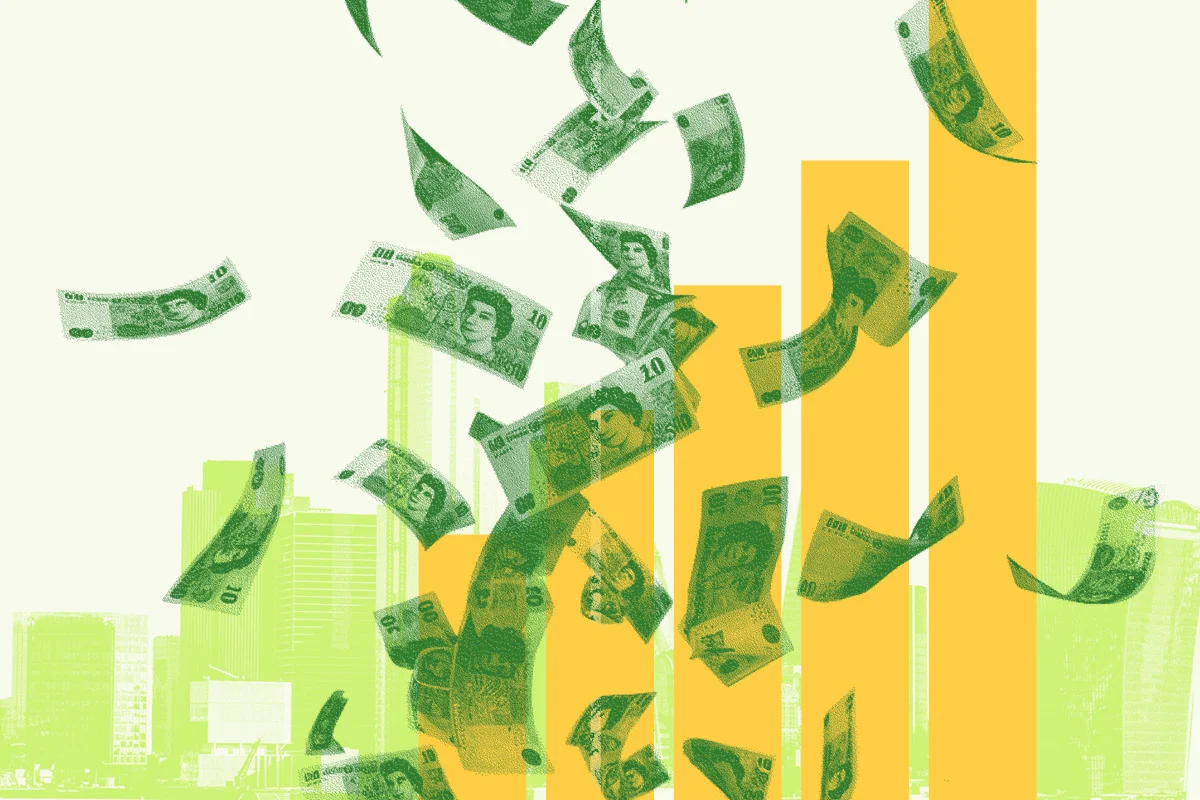
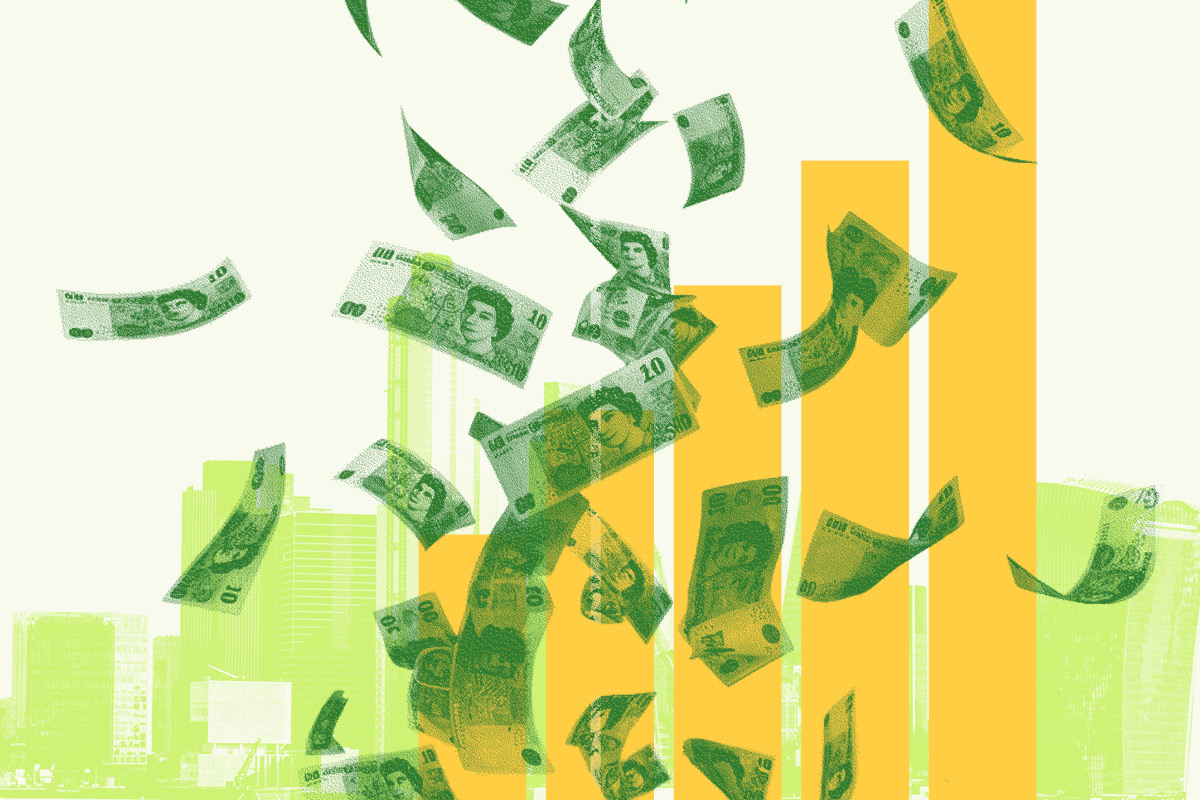
In a comprehensive analysis of the 2026 Sunday Times Rich List, The Equality Trust has revealed that Britain’s 157 billionaires now command wealth equivalent to 22 percent of the nation’s Gross Domestic Product (GDP). This figure represents a significant and accelerating shift in the UK’s economic landscape, rising from just 4 percent in 1990. The findings have ignited a national debate over the emergence of what economists are calling "Ghost GDP"—a phenomenon where headline economic growth masks a hollowing out of real-world prosperity for the majority of the population.
The report suggests that while the billionaire class has seen its fortunes swell to nearly £670 billion, the average citizen is grappling with the longest pay squeeze in modern history. The concentration of assets is now so pronounced that the 50 wealthiest families in the UK hold more collective wealth than the bottom 34 million people combined. This disparity, according to The Equality Trust, is not a byproduct of a broken system, but rather the intended outcome of a "hollow economy" designed to prioritize asset appreciation over productive investment and wage growth.
A Chronology of Accumulation: From 1979 to the Present
The trajectory of UK wealth inequality can be traced back to the late 1970s. Following the election of Margaret Thatcher in 1979, the UK began a systematic dismantling of the post-war consensus that had previously led the country to its most egalitarian state. This era saw the deregulation of financial markets, the privatization of state assets, and the weakening of trade unions—factors that laid the groundwork for the rapid accumulation of private wealth.
By 1989, the first Sunday Times Rich List was published, serving as a barometer for this new economic era. In 1990, the list identified 15 billionaires holding a combined £27 billion, representing approximately 4p of every pound of UK GDP. Over the subsequent three and a half decades, the number of billionaires has increased tenfold. The 2026 data shows 157 individuals holding nearly £670 billion, now accounting for 22p of every pound of GDP.
This timeline illustrates a fundamental shift in how wealth is generated. In 1990, only three billionaires derived their primary wealth from property, inheritance, or finance. By 2025, that number had risen to 42. Today, the finance sector alone accounts for 30 percent of all billionaire wealth in the UK, a fourfold increase that underscores the rise of "rentier capitalism."
The Rise of Rentier Capitalism and Ghost GDP
The term "Ghost GDP," coined by Citrini Research in early 2026, describes an economy that appears robust on paper but feels hollow to its participants. This distortion is increasingly driven by artificial intelligence and high-frequency financial engineering, which can inflate market valuations and GDP figures without creating jobs or increasing domestic consumption.
The Equality Trust argues that the UK has transitioned into a rentier economy, where wealth is extracted rather than created. Instead of investing in innovation or infrastructure, the ultra-wealthy often grow their fortunes by sitting on appreciating assets, such as land and property, or by charging fees for moving capital within the financial system. This extraction has a direct impact on the wider public; as property billionaires increase their holdings, first-time buyers are systematically priced out of the market, leading to a generational decline in homeownership.
Ireland serves as a cautionary example of this trend. In 2025, Ireland reported a 12 percent growth in GDP, yet much of this was attributed to multinational corporations routing profits through Dublin for tax purposes. The distortion was so severe that Irish authorities had to implement "Modified Domestic Demand" as a separate metric to understand the actual health of the domestic economy. The Equality Trust warns that the UK is following a similar path, where billionaire wealth grows during national crises—including the COVID-19 pandemic and the ongoing cost-of-living scandal—while the public absorbs the resulting debt and inflation.
Institutional Capture and the Erosion of Democracy
The concentration of extreme wealth has also led to what experts call "structural corruption" or elite capture of democratic institutions. As billionaire wealth has grown, so too has its influence over the political process. Large political donations in the UK rose sixfold between 2002 and 2019, creating a system where wealth buys access and access shapes policy.
This influence is visible in the composition of the House of Lords, which has swollen to over 750 members, making it the second-largest legislative chamber in the world after China’s National People’s Congress. Research has documented a strong correlation between significant financial donations to political parties and the granting of life peerages. Furthermore, the UK media landscape is highly concentrated, with three conglomerates, including the owners of the Sunday Times, controlling 90 percent of national newspaper circulation.
Professor Kate Pickett, a patron of The Equality Trust and member of the International Panel on Inequality, argues that these disparities create a "dual-track" legal and social system. This sentiment was echoed even by Larry Fink, CEO of BlackRock, who warned in his 2026 annual letter that extreme inequality could push societies toward total breakdown. However, critics note that the solutions proposed by financial elites—such as increased individual investment—often fail to address the underlying structural barriers preventing the majority from participating in the economy.
The Human and Environmental Cost
The impact of the hollow economy is perhaps most visible in the declining health and wellbeing of the British public. The Health Foundation recently reported that healthy life expectancy in the UK has fallen by two years over the last decade, now standing at less than 61 years. While the UK remains the world’s sixth-largest economy, it ranks second to last among comparable wealthy nations for healthy life expectancy, trailing only the United States—the most unequal of the G7 nations.
The disparity in health outcomes is stark: individuals in the most affluent areas of the UK can expect 20 more years of healthy life than those in the most deprived regions. This "health gap" is mirrored in child wellbeing statistics. A 2026 UNICEF report ranked the UK 35th for income inequality and 25th for child poverty among the world’s wealthiest nations, highlighting the failure of the current economic model to protect the next generation.
Furthermore, the environmental impact of extreme wealth is becoming impossible to ignore. Data from Oxfam indicates that the world’s richest 0.1 percent, including the UK’s billionaire class, are 56 times more polluting than those on the lowest incomes. Through investments in carbon-intensive industries like oil, gas, and shipping, a single billionaire can produce more carbon in three hours than the average British citizen does in a lifetime. Since 1990, the emissions of the ultra-wealthy have risen by 53 percent, even as the bottom 90 percent of the population successfully cut their emissions by 26 percent.
Global Policy Shifts: Beyond GDP
In response to these growing disparities, international organizations are beginning to move away from GDP as the primary measure of economic success. In May 2026, the United Nations High-Level Expert Group on Beyond GDP launched a final report proposing 31 new indicators to measure national progress, focusing on wellbeing, equity, and sustainability.
Simultaneously, the outgoing UN Special Rapporteur on Extreme Poverty, Olivier De Schutter, published a "Roadmap for Eradicating Poverty Beyond Growth." De Schutter’s report argues that the pursuit of GDP growth has become an obstacle to solving poverty, as the benefits of growth are increasingly captured by the top 1 percent while the environmental costs are socialized.
In the UK, calls for structural reform are intensifying. The Equality Trust and its network of "Community Economists" are advocating for several key policy changes:
- A Progressive Wealth Tax: Implementing a structural limit on the concentration of power by taxing assets above a certain threshold.
- Democratic Reform: Capping political donations and breaking up media oligopolies to prevent elite capture of the legislative process.
- New Economic Metrics: Adopting wellbeing and sustainability indicators to replace GDP, ensuring that policy success is measured by the quality of life for the many rather than the bank balances of the few.
- Inheritance Reform: Addressing the legal structures and trusts that allow dynastic wealth to pass between generations virtually tax-free.
Conclusion
The 2026 Equality Trust analysis serves as a stark reminder that the UK economy is at a crossroads. The growth of billionaire wealth from 4 percent to 22 percent of GDP over 35 years is not merely a statistic; it is a fundamental transformation of the British social contract. As the "hollow economy" continues to extract value while healthy life expectancy and child wellbeing decline, the pressure for a systemic overhaul is reaching a breaking point.
While the Sunday Times Rich List celebrates individual accumulation, the broader economic data tells a story of collective loss. The emergence of Ghost GDP and the capture of political institutions suggest that marginal reforms may no longer be sufficient. As the UN and other global bodies begin to look "Beyond GDP," the UK faces a choice: continue to protect a system of extreme concentration, or redesign the economy to ensure all citizens can flourish within planetary limits.