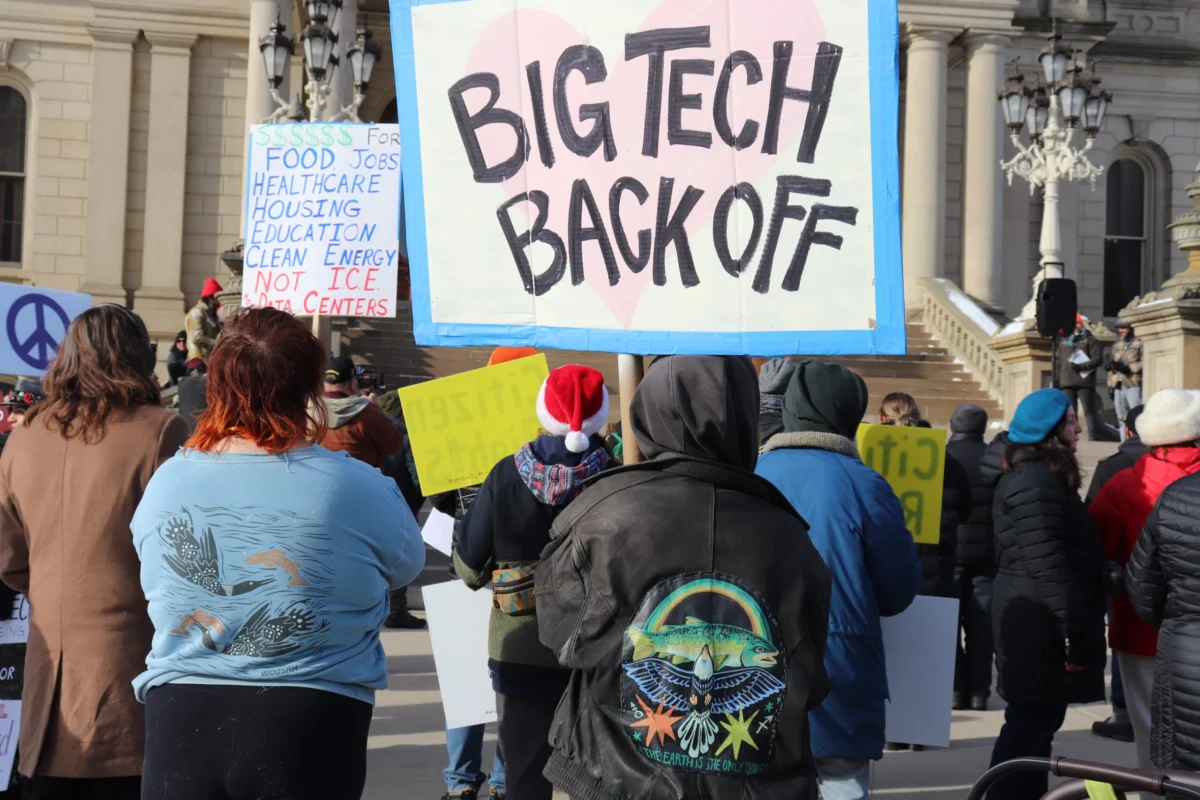
The rapid expansion of artificial intelligence (AI) data centers across the United States has ignited a critical debate within Native American communities, raising profound questions about environmental stewardship, digital sovereignty, and the perpetuation of colonial practices in the digital age. As these massive infrastructure projects proliferate, often on or near Indigenous territories, concerns are mounting over their substantial energy and water demands, the potential for cultural appropriation and data theft, and the disproportionate impact on communities already facing systemic inequities. This burgeoning crisis has prompted urgent calls for robust regulation and a reassertion of Tribal control over data, infrastructure, and digital networks.
Data centers, the backbone of modern digital services including AI, are sophisticated facilities designed for the processing, storage, and distribution of vast quantities of data. Their proliferation is directly linked to the exponential growth of AI and the ever-increasing generation of digital information. However, the environmental and cultural footprint of these centers is now a growing source of alarm, particularly for Tribal Nations who often bear the brunt of such industrial development. Within Indian Country, a spectrum of perspectives exists: some see data centers as potential tools for tribal advancement and economic development, while others view them as an existential threat, echoing historical patterns of resource exploitation and cultural erasure.
The Insatiable Appetite of AI: Energy Demands and Environmental Trade-offs
The United States currently hosts approximately one-third of the world’s data centers, a number that is projected to grow substantially. These facilities are extraordinarily energy-intensive, requiring immense amounts of electricity to power their servers and cooling systems. A single data center can consume as much as 2 megawatt-hours (MWh) of electricity per hour, a figure comparable to the energy usage of a small town. In 2023, data centers accounted for over 4% of the nation’s electricity consumption, with projections indicating this figure could escalate to 12% by 2028.
This surge in demand is already impacting energy markets and consumer costs. Bloomberg News reported in January 2026 that areas surrounding AI data centers have experienced a staggering 267% increase in monthly electricity costs over the preceding five years. These increases are largely attributed to the necessity of expanding and upgrading existing regional power grids to accommodate the data centers. Crucially, these costs are frequently passed on to consumers, including urban Native communities, many of whom reside in areas already grappling with elevated poverty rates. Over 70% of Native Americans live in urban and suburban settings, making them particularly vulnerable to these rising utility expenses.
To meet the escalating energy needs of data centers, utility companies are increasingly opting for new natural gas power plants and delaying the decommissioning of existing fossil fuel infrastructure. In Virginia, the state with the highest concentration of data centers globally, a significant 1,000-megawatt gas plant is under construction in Chesterfield County, a development that has seen renewable energy transition plans shelved. According to Global Energy Monitor, the U.S. now leads the world in planned gas-powered energy development, with over a third of this new capacity earmarked for data centers.
Beyond fossil fuels, there is a notable push towards nuclear energy to power these data hubs. Meta, the technology giant, has become one of the largest corporate purchasers of nuclear energy in U.S. history, securing agreements for up to 6.6 gigawatts of nuclear power by 2035. The possibility of reopening the Three Mile Island (TMI) nuclear power plant in Pennsylvania, site of a partial meltdown in 1979, is also under consideration to support Microsoft’s data center operations. Despite the historical incident and the ongoing storage of high-level radioactive waste, the facility, if reopened by 2027, is slated for a rebranding as the Crane Clean Energy Complex.
The region surrounding TMI has already endured significant environmental degradation due to the Marcellus and Utica Shales fracking boom, leading to documented increases in cancer rates, contaminated water supplies, and diminished property values. Communities in this area have a long history of activism against pipelines, petrochemical plants, and related facilities since the boom began in the early 2010s. These shale formations extend into New York state, bordering several Native reservations, including the Onondaga. While the Office of Nuclear Energy claims the TMI accident had minimal radiation exposure and no adverse health impacts, research from Penn State College of Medicine has identified a correlation between proximity to TMI during the accident and specific thyroid cancer mutations consistent with radiation exposure, challenging official narratives and raising concerns about the industry’s downplaying of nuclear energy’s consequences.
Furthermore, the expansion of nuclear power directly correlates with increased uranium mining. The largest uranium deposits in the U.S. are located on Native lands, such as the Navajo Nation, and globally, significant deposits are found on Indigenous territories in Australia. Communities in these regions often face disproportionately high cancer rates and limited healthcare resources.
The burgeoning AI infrastructure is also becoming intertwined with the U.S. military-industrial complex. In December 2024, the University of Michigan announced an $850 million investment in partnership with Los Alamos National Laboratory (LANL), the institution central to the development of the atomic bomb. This project aims to build one of the world’s most powerful computers, with over 90% of its computational capacity designated for LANL’s classified warfare projects. U.S. Secretary of Energy Chris Wright has characterized the nation’s AI infrastructure buildup as a "Second Manhattan Project," potentially leading to increased geopolitical tensions and placing a burden on local communities and taxpayers. Historically, the U.S. government conducted 928 nuclear tests on Western Shoshone lands, making it the nation with the most nuclear testing.

Cheyenne Morgan, Coalitional Coordinator of Stop Data Colonialism, highlighted concerns regarding Project Clydesdale, a proposed data center on the Cherokee Nation reservation near Owasso, Oklahoma. Morgan observed discrepancies between public messaging and internal industry and government documents, urging community engagement and transparency through open records requests.
The Thirst for Data: Water Consumption and Indigenous Water Rights
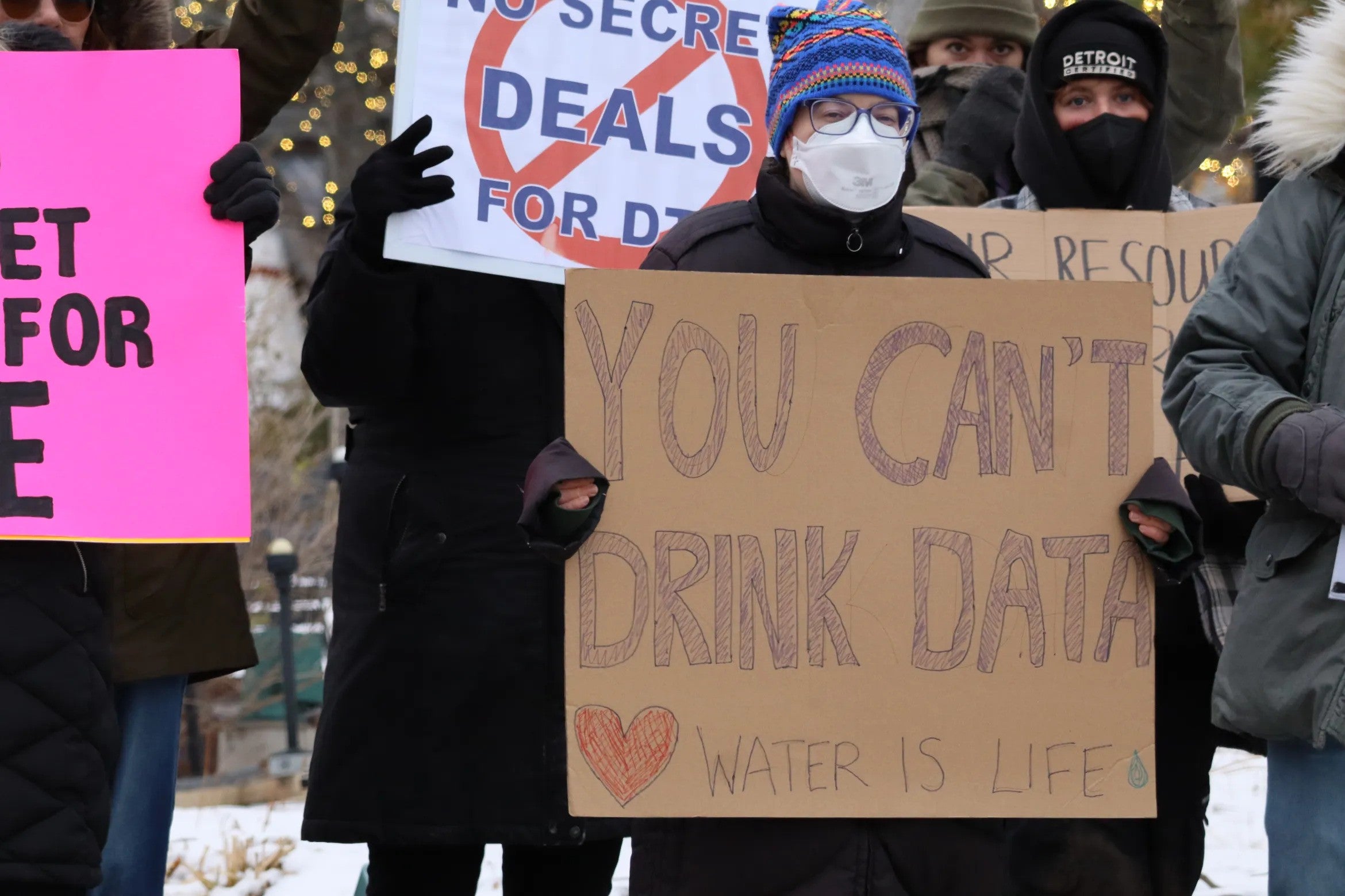
A July 2025 University of Michigan study revealed that data centers reliant on high-density operations increasingly utilize water-based cooling systems, with 22% of facilities employing such methods. The water consumption is staggering: most data centers use over 10 million gallons of water annually, with some exceeding hundreds of millions. Google’s data center in Council Bluffs, Iowa, for instance, consumes approximately 980 million gallons of water per year, equivalent to the annual water usage of over 4 million homes.
This immense water demand stands in stark contrast to the persistent lack of clean water access on many reservations. According to the Navajo Water Project, in 2019, 30% of residents on the Navajo Nation, the largest reservation in the U.S., lacked running water. In 2023, the Supreme Court ruled that the U.S. has no affirmative duty to secure water for the Navajo Nation, overturning a lower court decision and underscoring the ongoing struggle for basic resources.
However, alternatives exist. Matthew Rantanen (Cree descendant), Director of Technology for the Southern California Tribal Chairman’s Association, suggests more sustainable data center construction methods. He notes that underground facilities leveraging the Earth’s natural cooling and advanced airflow systems could significantly reduce or eliminate water usage. Rantanen observes that opposition within Indian Country often centers on water concerns, with power grid demands as a secondary issue. He emphasizes that while generative AI data centers are resource-intensive, not all facilities need to be built this way.
Bridging the Digital Divide: Internet Access and the Imperative of Data Sovereignty
A persistent reality for many Indigenous communities is the disparity in technological access, with Tribes often bearing the consequences of technological advancement without commensurate benefits. A 2020 Government Accountability Office (GAO) report conservatively estimated that 18% of individuals on Tribal lands lacked broadband access, compared to just 4% in non-Tribal areas. Broadband, defined as speeds of 25 Mbps download and 3 Mbps upload or greater, excludes satellite services.

The GAO has also pointed to inaccuracies in broadband availability figures reported by the Federal Communications Commission (FCC), which relies on self-reported data from carriers. According to Rantanen, carriers may claim an entire census block has coverage if they can connect just one resident, a definition that falls short of actual accessibility, affordability, or widespread availability.
While federal efforts to coordinate Tribal broadband initiatives began in 2021, the GAO found these efforts lacked a cohesive national strategy with clear objectives and performance metrics. The American Broadband Initiative (ABI), intended to expand broadband access, has been criticized for not adequately addressing the unique barriers faced by Tribal communities.
Many Indigenous communities are deeply concerned about cultural appropriation, data theft, and external government intrusion facilitated by AI. In response, some Tribes are developing their own data centers. Rantanen explains that these smaller, localized facilities are designed for low power consumption and enable Tribes to maintain control over their sensitive data, such as enrollment records. This autonomy prevents data from being placed on external cloud servers, which are vulnerable to theft, use in AI training, and potential surveillance by federal agencies like ICE or the FBI.
Tribal control over local data centers could enhance security for community members and promote environmental protection. Rantanen cautions against broad generalizations about data centers, recognizing the potential for beneficial, smaller-scale applications. However, he stresses the critical need for Tribes to establish robust policies concerning data sovereignty, AI, and data management to ensure the best outcomes for their communities.
The proliferation of AI data centers presents a complex challenge, forcing a reckoning with historical patterns of resource exploitation and demanding innovative solutions that prioritize environmental justice and Indigenous sovereignty in the digital era. The path forward requires a critical examination of energy sources, water usage, data governance, and a commitment to ensuring that technological advancements serve, rather than subjugate, the interests of Native peoples.