The Ministry of Education and Culture (MEC) of Mozambique has entered into a landmark partnership with World Education, a prominent initiative under JSI, to implement the "Empowering Educators" program, a strategic intervention designed to overhaul teacher professional development and improve learning outcomes in the northern province of Niassa. Funded by IrishAid and officially launched in early 2026, this multi-faceted initiative represents a critical step in operationalizing the Mozambican government’s National Strategy for Continuous Teacher Training. By focusing on the foundational years of primary education, the program aims to address systemic inefficiencies in the education sector while specifically advocating for the protection, retention, and academic success of female students through gender-responsive school management.
The program arrives at a pivotal moment for Mozambique’s educational landscape. Despite significant strides in increasing school enrollment over the past two decades, the quality of education remains a persistent challenge. National assessments have frequently highlighted that a substantial portion of primary school students struggle to achieve basic literacy and numeracy benchmarks. The Empowering Educators program seeks to bridge the gap between national policy and classroom reality, ensuring that teachers are not only trained but are also consistently supported through a localized, sustainable framework of peer mentorship and professional growth.
Strategic Objectives and Geographic Scope
The Empowering Educators program is meticulously targeted, focusing its initial efforts on the Niassa Province, a region that has historically faced unique developmental hurdles due to its geographic remoteness and socio-economic conditions. The project is set to reach approximately 600 teachers, of whom more than 200 are women, and 100 school directors across four key districts, including Mavago and Mecula. By concentrating resources on these specific areas, World Education and its partners intend to create a scalable model that can eventually be replicated across other provinces in Mozambique.
The primary objectives of the initiative are three-pronged. First, it aims to improve primary education learning outcomes by enhancing the quality of instruction in the classroom. Second, it focuses on strengthening foundational learning—specifically literacy and numeracy—which serves as the bedrock for all future academic achievement. Third, the program is dedicated to promoting the access, retention, and protection of girls. This is achieved through the implementation of gender-responsive school management practices, which train school leaders to identify and mitigate the specific barriers that often prevent girls from completing their education, such as early marriage, household responsibilities, and lack of adequate facilities.
A Chronology of Collaboration and Implementation
The launch of Empowering Educators is the culmination of a long-standing relationship between World Education and the Mozambican government. Since 2011, World Education has been a key partner to the MEC, delivering a range of large- and small-scale education programs. Over the last 15 years, this partnership has successfully trained tens of thousands of teachers and supported more than 2 million learners across the country.
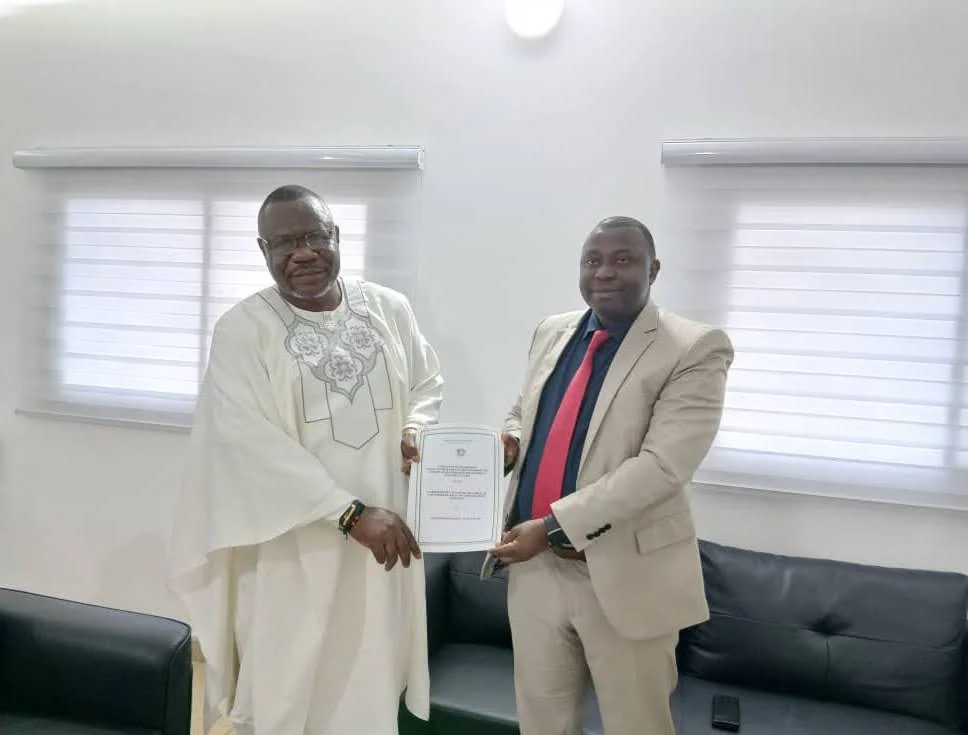
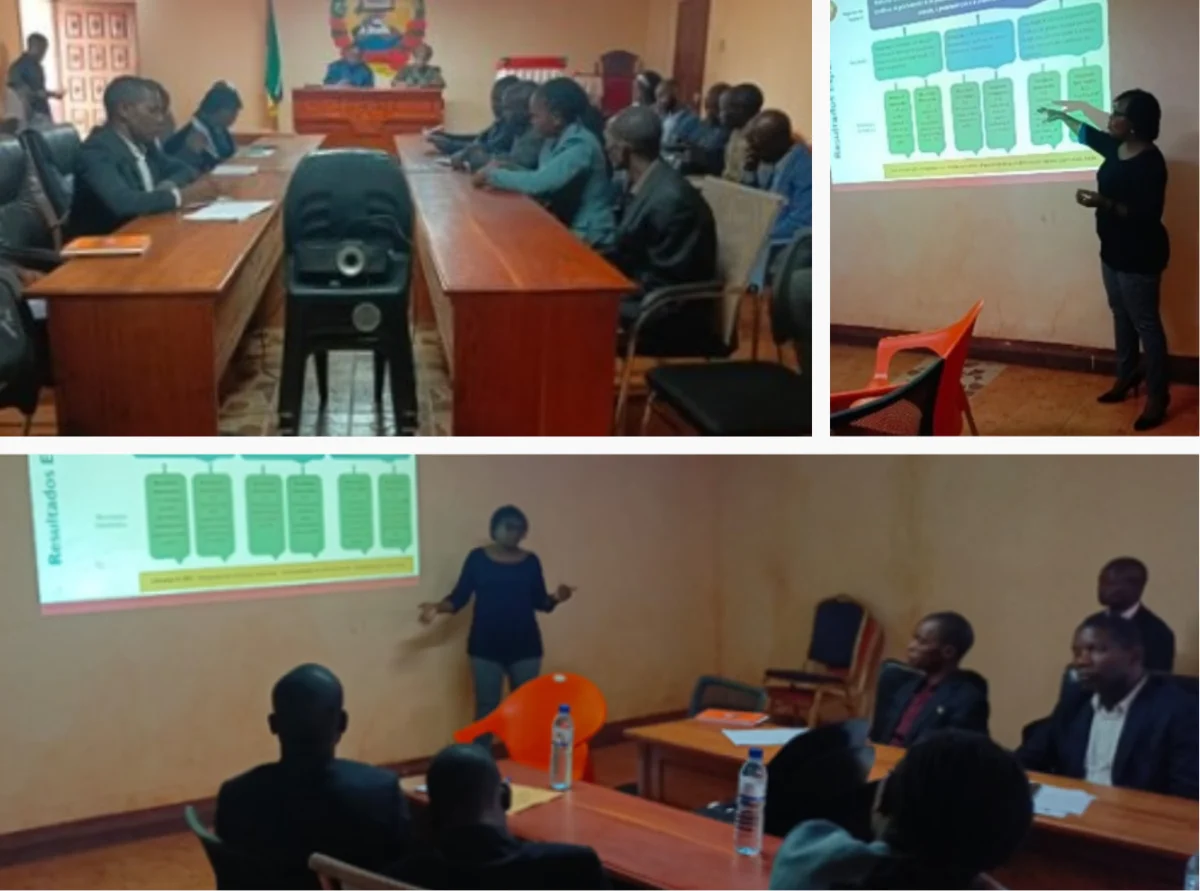
The 2026 launch in the Mavago and Mecula districts was marked by a series of kick-off events that brought together international development leaders and local government officials. During the launch in Mavago, the district administrator delivered a speech reinforcing the local government’s commitment to the initiative, emphasizing that the success of the program depends on the active participation of the community and the dedication of the teaching staff.
The implementation timeline began with the gathering of comprehensive baseline evidence. This data-driven approach ensures that the program is tailored to the specific needs of the districts it serves. By understanding the current skill levels of teachers and the existing barriers to learning, World Education can refine its training modules to be as impactful as possible. Following the baseline assessment, the program transitioned into the active training phase, where school directors and lead teachers began receiving instruction on the National Strategy for Continuous Teacher Training.
The Multiplier Effect: A Sustainable Model for Professional Development
One of the most innovative aspects of the Empowering Educators program is its focus on sustainability through a "multiplier" model. Historically, teacher training in many developing contexts has relied on one-off workshops that, while informative, often fail to result in long-term behavioral changes in the classroom. The Empowering Educators strategy seeks to break this cycle by embedding professional development within the daily operations of the school.
Ligia Lundo, World Education’s Provincial Manager, noted that the sustainability of the strategy is rooted in the principle that trainee teachers will act as multipliers. In this model, those who receive direct training from World Education are responsible for sharing that knowledge with their colleagues. Furthermore, the program empowers Deputy School Heads to provide ongoing, on-the-job support through peer coaching. By utilizing support tools already available within the national system, the program ensures that professional development becomes a continuous process rather than a sporadic event.
This management-down approach ensures that every level of the school hierarchy is aligned toward a single goal: creating a successful social, academic, and learning environment. When school directors and deputy heads are actively involved in classroom observations and coaching, it creates a culture of accountability and professional pride that directly benefits the students.
Supporting Data: The Educational Context in Mozambique
To understand the necessity of the Empowering Educators program, one must look at the broader educational data in Mozambique. While the country has achieved a net enrollment rate in primary school of over 90%, the "learning poverty" rate remains high. According to World Bank data and national reports, only a small percentage of children in grade 3 can read a basic paragraph with comprehension.
The challenges are even more pronounced in rural provinces like Niassa. Gender disparities also remain a significant concern; while parity is often achieved in the early years of primary school, the dropout rate for girls increases significantly as they reach puberty. Factors such as the distance to school, lack of menstrual hygiene management, and traditional gender roles contribute to this trend. By training 100 school directors in gender-responsive management, the Empowering Educators program directly addresses these data-backed challenges, seeking to improve the retention rate for the 200+ female teachers and the thousands of female students they represent.
The involvement of IrishAid is also backed by a history of strategic investment. Ireland’s development cooperation in Mozambique has long prioritized education and health, recognizing that a literate and educated workforce is the primary driver of poverty reduction. The funding for this program reflects Ireland’s commitment to the United Nations Sustainable Development Goal 4 (SDG 4), which calls for inclusive and equitable quality education for all.
Official Responses and Stakeholder Perspectives
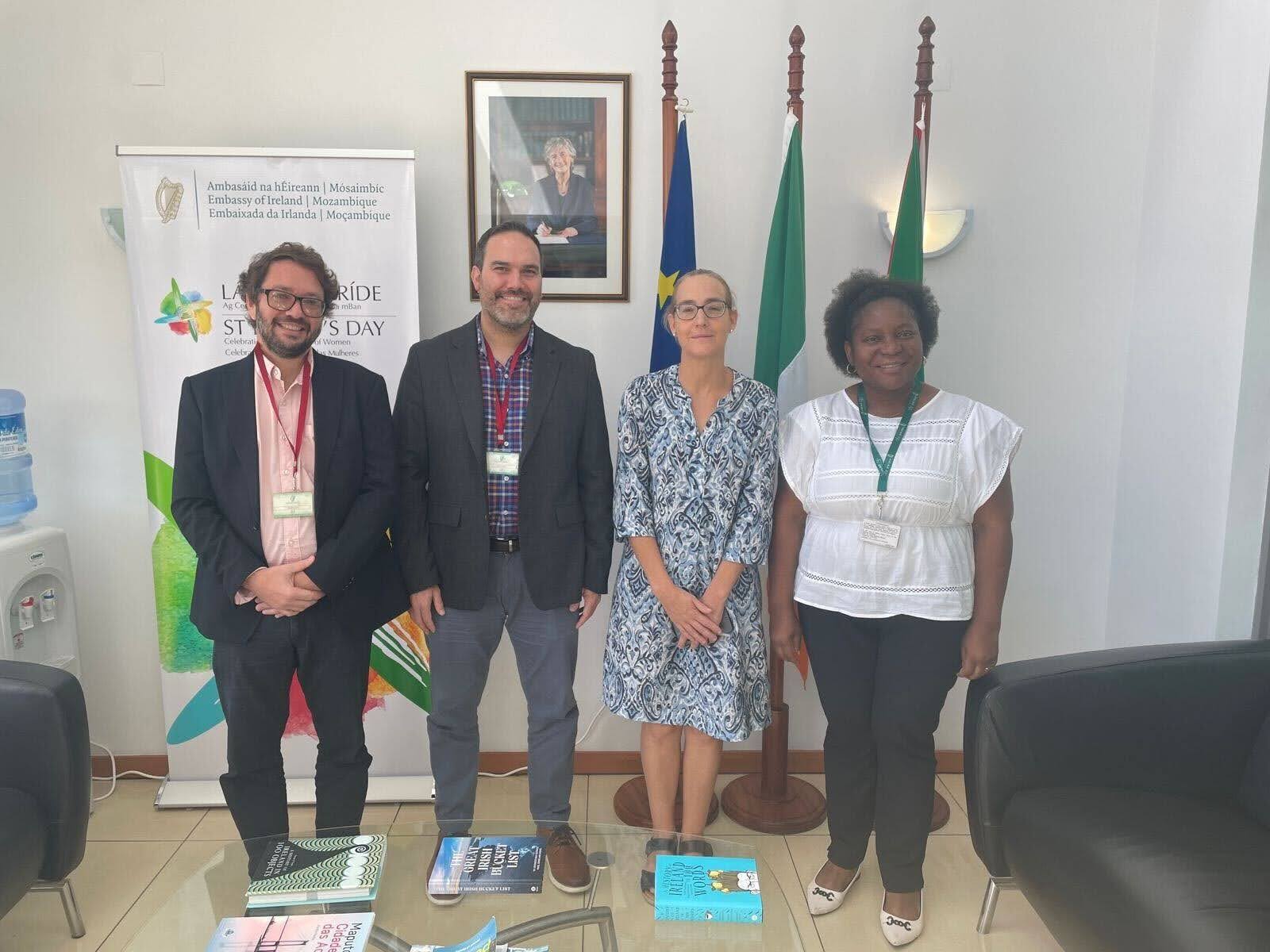
The launch of the program has been met with widespread acclaim from both the international community and local stakeholders. Adam Turney, a World Education initiative director at JSI, and David Noyes, the project director, have worked closely with the IrishAid team, including Aileen O’Donovan, Deputy Head of Mission and Cooperation, and Lídia Meque, Program Manager at the Embassy of Ireland in Maputo.
Official statements from the Embassy of Ireland highlighted that the "Empowering Educators" initiative is not just a training program, but a systemic intervention. The collaboration aims to strengthen the capacity of the Ministry of Education and Culture to deliver on its own promises to the Mozambican people. By aligning with the National Strategy for Continuous Teacher Training, the program ensures that it is not a "parallel" project, but a core component of the national education system.
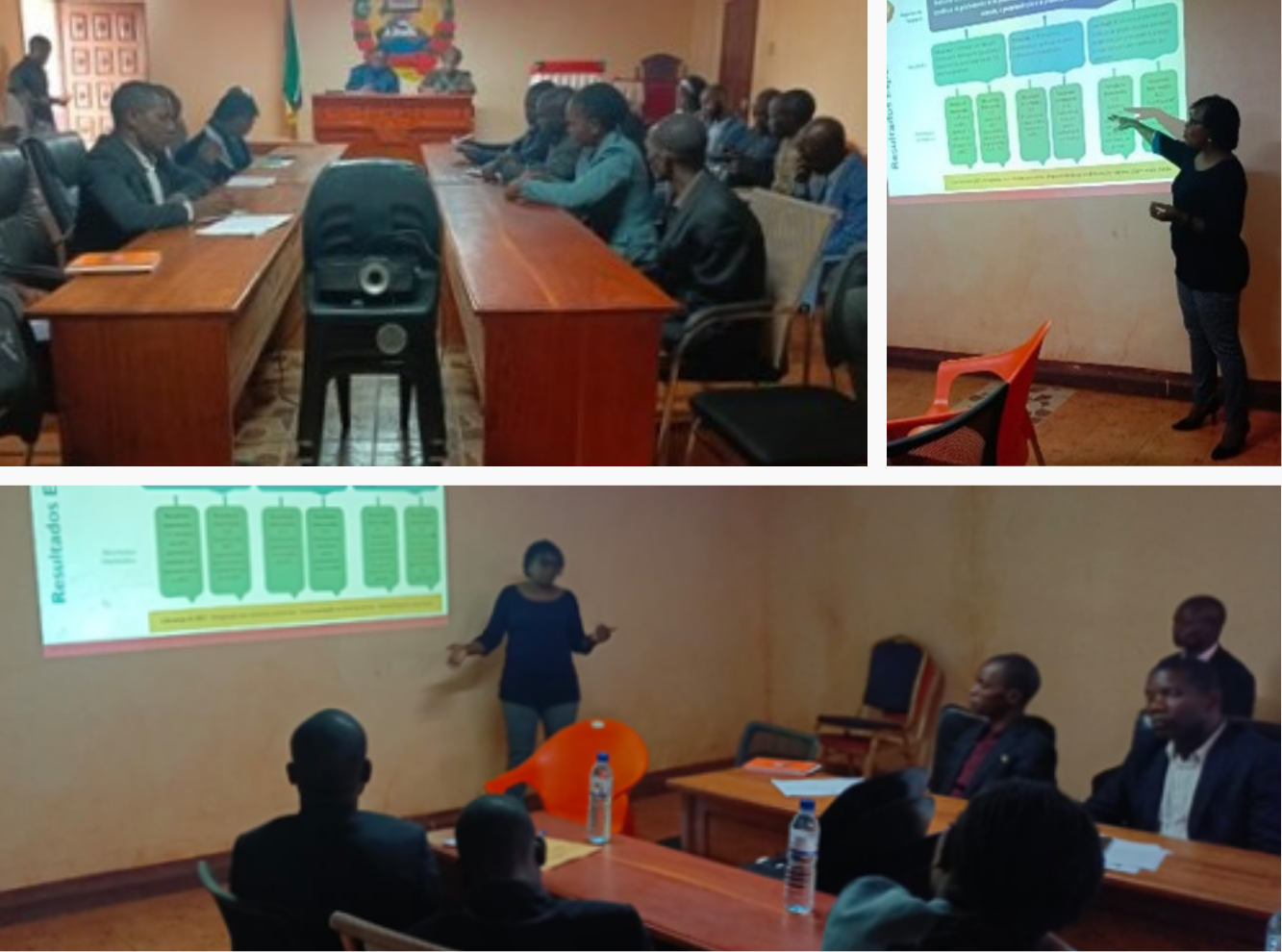
Local educators have also expressed optimism. In the Mecula district, teachers participating in the initial sessions noted that the focus on "on-the-job" training is particularly valuable. Many teachers in remote areas feel isolated from professional development opportunities; the peer-coaching model provides them with a support network that was previously non-existent.
Analysis of Implications and Future Impact
The implications of the Empowering Educators program extend far beyond the borders of Niassa Province. If successful, this model provides a blueprint for how international NGOs can effectively partner with national governments to operationalize complex policies. The focus on "foundational learning" is particularly significant in the context of global education trends, which have shifted from a focus on "schooling" (enrollment) to "learning" (outcomes).
Furthermore, the program’s emphasis on gender-responsive management acknowledges that education is not gender-neutral. By training school leaders to create safe and supportive environments for girls, the program is tackling one of the root causes of economic inequality in Mozambique. Educated women are more likely to participate in the labor force, have smaller and healthier families, and reinvest their income into their communities.
In the long term, the strengthening of the education system in Niassa will contribute to regional stability and economic growth. As teachers become more proficient and school management becomes more efficient, the "multiplier effect" will likely result in a generation of students who are better equipped to navigate the challenges of the 21st-century economy.
Conclusion: A Commitment to Lasting Change
World Education’s 15-year history in Mozambique provides a solid foundation for the Empowering Educators program. By combining technical expertise with a deep understanding of the local context, and with the robust financial support of IrishAid, the initiative is well-positioned to deliver sustainable educational outcomes.
As the program moves forward into its full implementation phase, the focus will remain on the classroom. The ultimate measure of success for Empowering Educators will not be the number of workshops held or the number of teachers trained, but the measurable improvement in the literacy and numeracy of the children in Niassa. Through this partnership, the Ministry of Education and Culture, World Education, and IrishAid are not just empowering educators; they are investing in the future of Mozambique.